
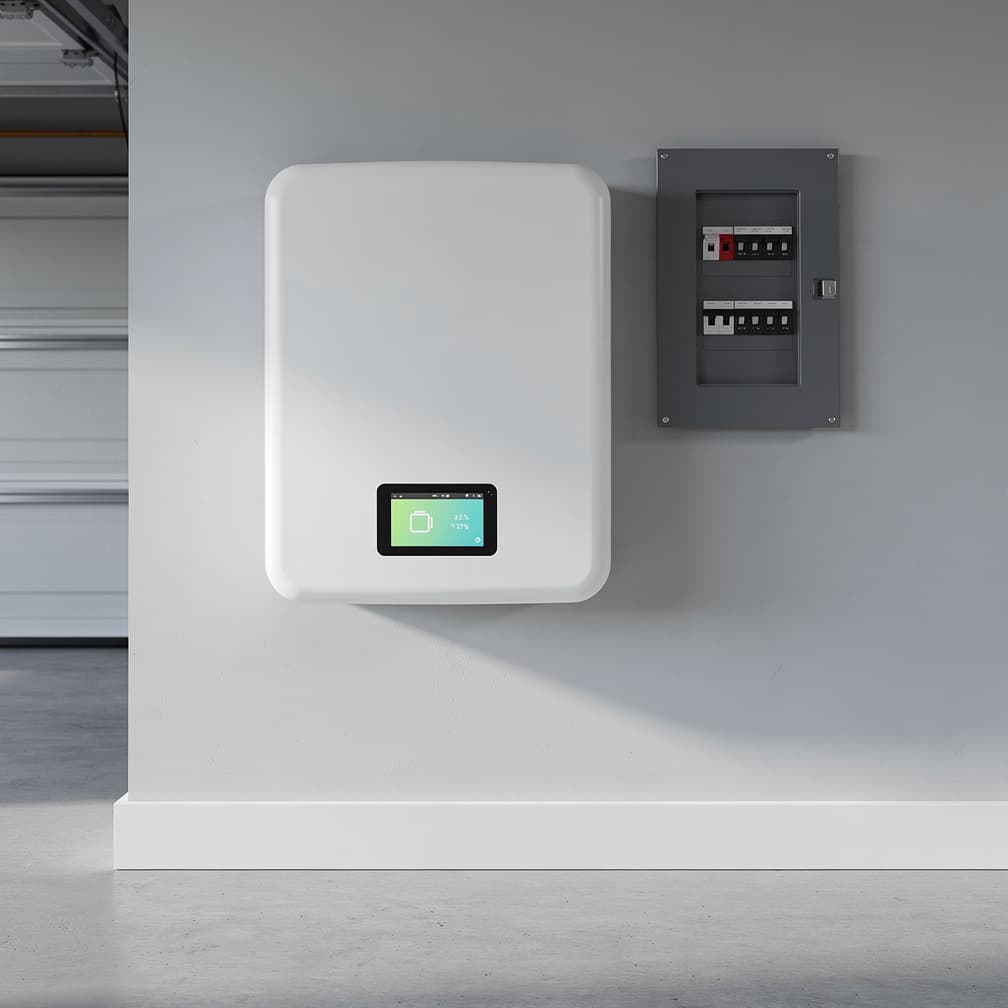
Best Solar Batteries Ireland 2026: GivEnergy vs Tesla Powerwall vs Huawei Compared
The best solar battery for most Irish homes in 2026 is the GivEnergy All-in-One 2 or a Huawei LUNA2000 system — both offer excellent value from €3,500–€9,500 installed with 10–15 year warranties. Tesla Powerwall 3 is the premium option at €8,000–€10,000 but comes with a built-in inverter and best-in-class efficiency. This guide compares every major battery available in Ireland, with real prices, specs, and honest ROI calculations.
Adding a battery to your solar system is the single biggest upgrade you can make to your self-consumption. Without a battery, a typical Irish home uses just 30–40% of the solar electricity it generates — the rest is exported to the grid at 18–25 cent/kWh. With a battery, self-consumption jumps to 60–80%, and you use that stored power in the evening when you would otherwise be buying at 37–42 cent/kWh. That spread is where the savings come from.
But batteries are not cheap, and the market is crowded with options. This guide cuts through the noise with real Irish pricing, honest comparisons, and a clear verdict on which battery is right for your home.
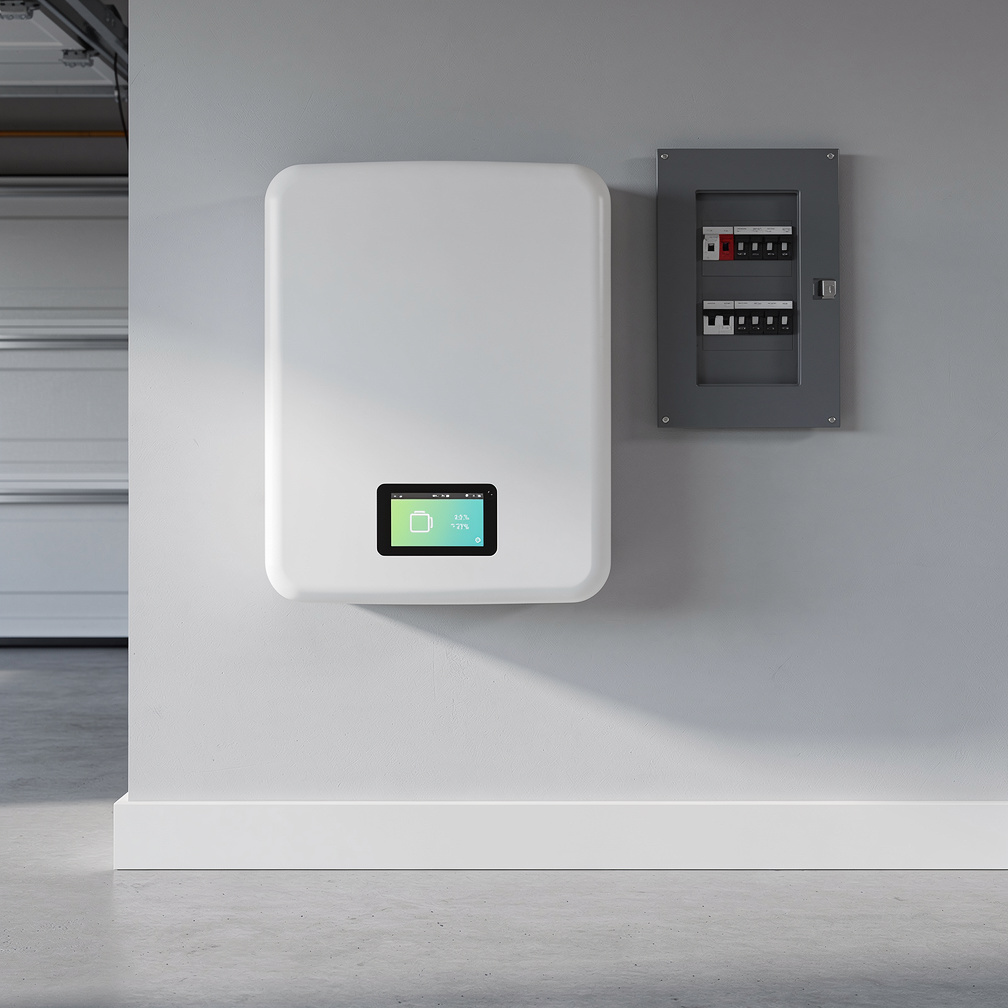
Solar Battery Comparison Table (Ireland 2026)
| Battery | Capacity | Installed Price | €/kWh | Warranty | Efficiency | Best For |
|---|---|---|---|---|---|---|
| GivEnergy AIO2 | 13.5 kWh | €9,000–€9,500 | €667–704 | 12 years | ~95% | Best all-round |
| GivEnergy 9.5 kWh | 9.5 kWh | €4,500–€6,500 | €474–684 | 10 years | ~95% | Best mid-range value |
| Huawei LUNA2000 | 5–30 kWh | €3,500–€7,500 | €500–700 | 10 years (15yr S1) | ~95% | Best modularity |
| Tesla Powerwall 3 | 13.5 kWh | €8,000–€10,000 | €593–741 | 10 years | 97.5% | Premium choice |
| BYD Battery-Box | 5.1–89 kWh | €5,500–€13,000 | €550–920 | 10 years | ~95% | Large/scalable systems |
| Pylontech Force H3 | 10.2–35.8 kWh | €4,000–€7,000 | €390–490 | 10 years | ~95% | Budget/off-grid |
| SolaX Triple Power | 3–25.2 kWh | €3,500–€7,000 | €500–700 | 10 years | ~94% | Good mid-range |
| SolarEdge Home | 10 kWh | €9,000–€11,000 | €900–1,100 | 10 years | 94.5% | Existing SolarEdge systems |
Detailed Battery Reviews
1. GivEnergy — Best All-Round Value
GivEnergy dominates the Irish and UK battery market for good reason. The product range covers everything from a compact 2.6 kWh module to the flagship All-in-One 2 (AIO2) with 13.5 kWh of storage and a built-in 12 kW inverter.
GivEnergy All-in-One 2 (AIO2)
- Capacity: 13.5 kWh (LiFePO4)
- Built-in inverter: 12 kW with 6 independent DC string trackers
- Backup: Whole-home backup with less than 20ms switchover
- Price: €9,000–€9,500 installed
- Warranty: 12 years (with battery health checks at years 5, 8, and 10)
- Monitoring: 24/7 monitoring included for life, no subscription
- AI energy management: Learns your usage patterns and optimises for smart tariffs
GivEnergy 9.5 kWh Standalone
- Capacity: 9.5 kWh (LiFePO4), expandable
- Paired with: GivEnergy 3.6 kW or 5 kW hybrid inverter
- Price: €4,500–€6,500 installed (battery + inverter)
- Warranty: 10 years
- IP65 rated: Indoor or outdoor installation, including lofts
Why GivEnergy wins for most homes: The combination of competitive pricing, excellent app, AI-driven energy management, and the widest installer network in Ireland makes GivEnergy the default recommendation for most households. The AIO2 is particularly compelling — the integrated 12 kW inverter with 6 string inputs means you do not need a separate inverter, which simplifies installation and reduces total cost.
One weakness: The 0.5C discharge rate means a 9.5 kWh battery can only deliver approximately 4.75 kW continuously. This is enough for most homes, but if you regularly run very high loads (kettle + oven + immersion simultaneously), the battery cannot fully cover the peak.
2. Tesla Powerwall 3 — Premium Choice
- Capacity: 13.5 kWh usable (LFP chemistry)
- Built-in inverter: 11.5 kW with 6 DC string inputs
- Round-trip efficiency: 97.5% — highest in the market
- Stackable: Up to 4 units (54 kWh total)
- Price: €8,000–€10,000 installed (can reach €12,000–€15,000 for complex installations)
- Warranty: 10 years, unlimited cycles
- Features: Storm Watch (auto pre-charges before storms), Tesla App with real-time monitoring, time-of-use scheduling
The case for Tesla: If budget is not the primary concern, the Powerwall 3 is the best-engineered residential battery on the market. The 97.5% round-trip efficiency means virtually no energy is wasted in charging and discharging. The built-in 11.5 kW inverter is more powerful than GivEnergy's and eliminates the need for a separate inverter, which can save €1,000–€1,500 on installation. Storm Watch is genuinely useful in Ireland.
The case against: At €8,000–€10,000, it is significantly more expensive than GivEnergy or Huawei for equivalent storage. The fixed 13.5 kWh capacity means you cannot start small and expand (though you can add more Powerwalls). It only works with Tesla's own inverter, so retrofitting to an existing non-Tesla system means replacing your inverter. The installer network in Ireland is smaller than GivEnergy's.
3. Huawei LUNA2000 — Best Modularity
- Capacity: 5–30 kWh per stack (modular 5 kWh increments)
- Price: €3,500–€7,500 installed (5–10 kWh configurations)
- Chemistry: LiFePO4
- Warranty: 10 years standard; up to 15 years on the newer LUNA2000-S1
- Requires: Huawei SUN2000 hybrid inverter
The newer LUNA2000-S1 (launched 2025) scales from 6.9 kWh to 20.7 kWh per stack, with up to 4 towers for a maximum of 82.8 kWh. It offers a 15-year warranty when connected to Huawei's cloud monitoring — the longest in the market.
Why Huawei is worth considering: The modularity is unmatched. You can start with 5 kWh and add modules as your needs grow (EV, heat pump, etc.) without replacing any hardware. The pricing is competitive with GivEnergy, and Huawei inverters are among the most efficient on the market. The 15-year warranty on the S1 is a standout feature.
Downsides: You are locked into Huawei inverters. The monitoring app has historically been less polished than GivEnergy or Tesla (though it is improving). Some users report more complex setup and configuration compared to GivEnergy's plug-and-play approach.
4. BYD Battery-Box — Best for Large Installations
- Models: HVS (5.1–12.8 kWh), HVM (8.3–22.1 kWh), newer HVB (5.9–29.6 kWh)
- Maximum capacity: Up to 89 kWh (3 HVB stacks in parallel)
- Chemistry: LFP, Blade battery technology on HVB
- Price: €5,500–€13,000 installed
- Warranty: 10 years
- Compatibility: Works with many inverter brands (SMA, Fronius, Kostal, Goodwe)
BYD's advantage is inverter independence — unlike Tesla, GivEnergy, or Huawei, BYD batteries are compatible with a wide range of third-party inverters. This makes them ideal if you have an existing inverter you want to keep, or if you want the flexibility to choose the best inverter for your situation.
However, BYD is less commonly offered by Irish installers than GivEnergy or Huawei, which means fewer local options and potentially higher prices.
5. Pylontech — Best Budget Option
- Models: US5000 (4.8 kWh), Force H3 (10.2–35.8 kWh)
- Price: €4,000–€7,000 installed for a 10 kWh system
- Cycle life: 6,000–8,000+ cycles — industry leading
- Chemistry: LiFePO4
- Warranty: 10 years
Pylontech offers the lowest cost per kWh of any major battery brand (€230–490/kWh). The Force H3 with 8,000+ cycle lifespan is exceptional — that is over 20 years of daily cycling. Pylontech is the go-to choice for off-grid systems and budget-conscious installations, but it is less commonly offered by mainstream Irish solar installers who tend to favour GivEnergy or Huawei for residential work.

How Much Does a Solar Battery Cost in Ireland?
Installed with New Solar System
| Battery Size | Typical Cost (with solar) | Notes |
|---|---|---|
| 5 kWh | €3,000–€5,000 | Entry level — good for small homes |
| 6.5 kWh | €4,500–€6,500 | Most popular choice |
| 10 kWh | €5,000–€8,000 | Best for larger families |
| 13.5 kWh | €8,000–€10,000 | Tesla Powerwall / GivEnergy AIO2 |
Retrofit to Existing Solar System
Adding a battery to an existing solar system typically costs 10–20% more than installing with new panels, due to integration complexity and potentially needing a new hybrid inverter (€1,000–€2,000).
Important: VAT Rules
- Battery installed with solar PV (same contract): 0% VAT
- Battery added later (separate contract): 23% VAT applies
This VAT difference is significant. A €5,000 battery costs €5,000 when installed with panels, but €6,150 when added later. If you are getting solar panels, strongly consider including a battery in the same contract.
SEAI Grants
There is no standalone SEAI grant for batteries. The SEAI solar PV grant (up to €1,800) applies to the panels only. However, installing a battery as part of a solar system does not disqualify you from the panel grant.
Is a Solar Battery Worth It in Ireland?
Let us run the numbers for a typical 3-bed home with a 4 kWp solar system and a 6.5 kWh battery:
Without Battery
| Item | Value |
|---|---|
| Annual solar generation | 3,600 kWh |
| Self-consumption (35%) | 1,260 kWh |
| Savings (at 37c/kWh) | €466 |
| Export income (2,340 kWh at 21c) | €491 |
| Total annual benefit | €957 |
With 6.5 kWh Battery
| Item | Value |
|---|---|
| Annual solar generation | 3,600 kWh |
| Self-consumption (70%) | 2,520 kWh |
| Savings (at 37c/kWh) | €932 |
| Export income (1,080 kWh at 21c) | €227 |
| Total annual benefit | €1,159 |
Battery ROI
| Item | Value |
|---|---|
| Additional annual benefit from battery | €202 |
| Smart tariff arbitrage (estimated) | €150–€300 |
| Total additional benefit | €352–€502 |
| Battery cost (installed with solar) | €4,500–€6,500 |
| Payback period | 9–13 years |
The verdict: A solar battery in Ireland pays for itself in roughly 9–13 years. With battery lifespans of 10–15+ years, you will see a positive return — but it is not a slam-dunk financial investment like the panels themselves. The battery is worth it if you:
- Use most of your electricity in the evening (out during the day)
- Have or plan to get an EV (charge from stored solar)
- Are on or switching to a smart tariff (buy cheap at night, sell dear at peak)
- Want backup power for outages
- Are installing panels and battery together (0% VAT)
Solar Battery vs Immersion Diverter: Which Is Better Value?
An immersion diverter (like MyEnergi Eddi or Solar iBoost) diverts surplus solar electricity to your immersion heater to heat water. It is much cheaper than a battery — but does it make more sense?
| Factor | Immersion Diverter (Eddi) | Solar Battery (6.5 kWh) |
|---|---|---|
| Installed cost | €450–€650 | €4,500–€6,500 |
| Annual savings | €120–€600 | €350–€500 |
| Payback period | 1–2 years | 9–13 years |
| What it powers | Hot water only | Everything |
| Backup power | No | Yes |
| Smart tariff compatible | Limited | Yes |
| Lifespan | 10+ years | 10–15+ years |
Important 2026 Update: The Case Against Diverters
The economics of immersion diverters have shifted significantly. With smart meters and the Clean Export Guarantee now widely available, many leading Irish installers no longer recommend diverters for most homes. Here is why:
- With a smart meter and export contract: You can export surplus solar at 18.5–25 cent/kWh during the day, then run your immersion on cheap night-rate electricity at 8 cent/kWh. Net gain: 10–17 cent per kWh.
- With a diverter: You use that surplus kWh to heat water instead of exporting it. You save the night-rate cost (8 cent/kWh) but lose the export income (18.5–25 cent/kWh). Net loss: 10–17 cent per kWh compared to exporting and buying back at night.
In other words, exporting and buying back at night rates is now more profitable than diverting — as long as you have a smart meter and export contract.
When a Diverter Still Makes Sense
- You do not have a smart meter and cannot access night rates
- You do not have an export meter or Clean Export Guarantee contract
- You have very high hot water demand (large family, no heat pump or gas)
- You want the cheapest possible upgrade before investing in a battery
The Ideal 2026 Setup
For most Irish homes in 2026, the optimal setup is: solar panels + battery + smart tariff + Clean Export Guarantee. No diverter needed. Use solar during the day, store surplus in the battery, charge the battery at cheap night rates when solar is insufficient, and export remaining surplus for feed-in income. A diverter on top of a battery can actually cause conflicts, as both compete for the same surplus energy.
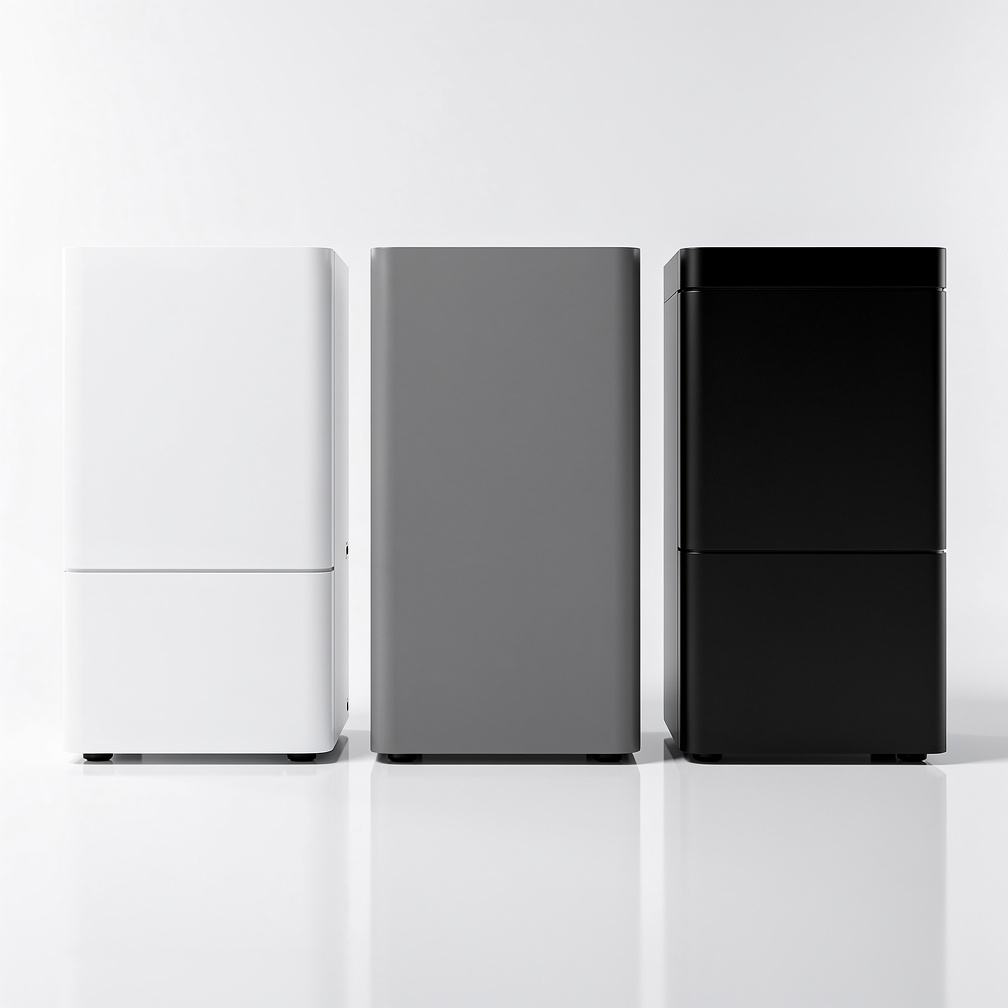
Which Battery Should You Choose?
Best for Most Irish Homes
GivEnergy 9.5 kWh + hybrid inverter (€4,500–€6,500) or GivEnergy AIO2 (€9,000–€9,500). The widest installer network, best app, AI energy management, and competitive pricing. This is what the majority of Irish solar installers recommend, and for good reason.
Best Premium Option
Tesla Powerwall 3 (€8,000–€10,000). If you want the best engineering, highest efficiency (97.5%), and a brand you trust, Tesla is the top choice. The built-in inverter simplifies installation. Best for new-build installations where you can design the system around the Powerwall.
Best for Expandability
Huawei LUNA2000 (€3,500–€7,500). Start with 5 kWh and add modules as your needs grow. The 15-year warranty on the S1 model is the longest available. Best for homes that expect to add an EV or heat pump in the coming years.
Best Budget Option
Pylontech Force H3 (€4,000–€7,000). Lowest cost per kWh and exceptional 8,000+ cycle lifespan. Best paired with a Sunsynk or Victron inverter. Less common with mainstream Irish installers but excellent value if you can find one.
Best for Existing SolarEdge Systems
SolarEdge Home Battery (€9,000–€11,000). If you already have SolarEdge optimisers and inverter, this is the only battery that integrates seamlessly. SolarEdge is currently offering a free Home Hub inverter with battery purchase (until June 2026). Expensive otherwise, and not recommended for new installations.
Frequently Asked Questions
How long does a solar battery last?
Modern LiFePO4 batteries last 10–15+ years in real-world use. Most come with 10-year warranties guaranteeing 60–70% of original capacity. Premium options like GivEnergy AIO2 (12 years) and Huawei S1 (15 years) offer longer coverage. Pylontech's 8,000+ cycle rating equates to over 20 years of daily cycling.
Can I add a battery to my existing solar panels?
Yes. Most modern batteries can be retrofitted. If your existing inverter is not battery-compatible, you may need a new hybrid inverter (€1,000–€2,000 extra) or an AC-coupled battery like the Tesla Powerwall. Budget 10–20% more than a new-build installation. Note that 23% VAT applies to batteries added under a separate contract from the panels.
What size battery do I need?
For a typical Irish home with a 4 kWp solar system: 5–6.5 kWh covers most evening usage. 10+ kWh is better if you have an EV, heat pump, or very high evening consumption. Oversizing is better than undersizing — a larger battery stores more surplus and enables more smart tariff savings.
Do batteries work during a power cut?
Only if your battery has backup capability and it is properly configured. GivEnergy AIO2, Tesla Powerwall 3, and Huawei LUNA2000 all support backup. However, not all installations are wired for backup — discuss this with your installer before installation, as retrofitting backup wiring later is expensive.
Should I wait for battery prices to drop?
Battery prices have fallen 20–30% since 2023 and are expected to continue declining. However, the longer you wait, the more you spend on grid electricity. The financial case for batteries is already positive over their lifetime, and the 0% VAT (when installed with solar) may not last forever. If you are getting solar panels installed now, adding a battery at the same time is the smart move.
The Bottom Line
A solar battery is a worthwhile addition for most Irish homes with solar panels — especially if you are out during the day, have an EV, or can access smart tariffs. The payback period of 9–13 years is longer than panels alone, but with batteries lasting 10–15+ years and electricity prices trending upward, the lifetime return is positive.
For most homes, GivEnergy offers the best balance of price, features, and installer support. If budget allows, Tesla Powerwall 3 is the premium choice. And if expandability matters, Huawei LUNA2000 is hard to beat.
Ready to get a quote? Browse SEAI-registered solar installers in your area, or use our Solar Panel Calculator to estimate your savings with and without a battery.
Related Articles
Off-Grid Solar Battery Sizing Ireland: How to Design a System That Actually Works
How to size batteries, solar panels, and inverters for off-grid living in Ireland. Costs from €18,000 (cabin) to €66,000 (family home). Pylontech, Victron, BYD compared. Generator backup explained.
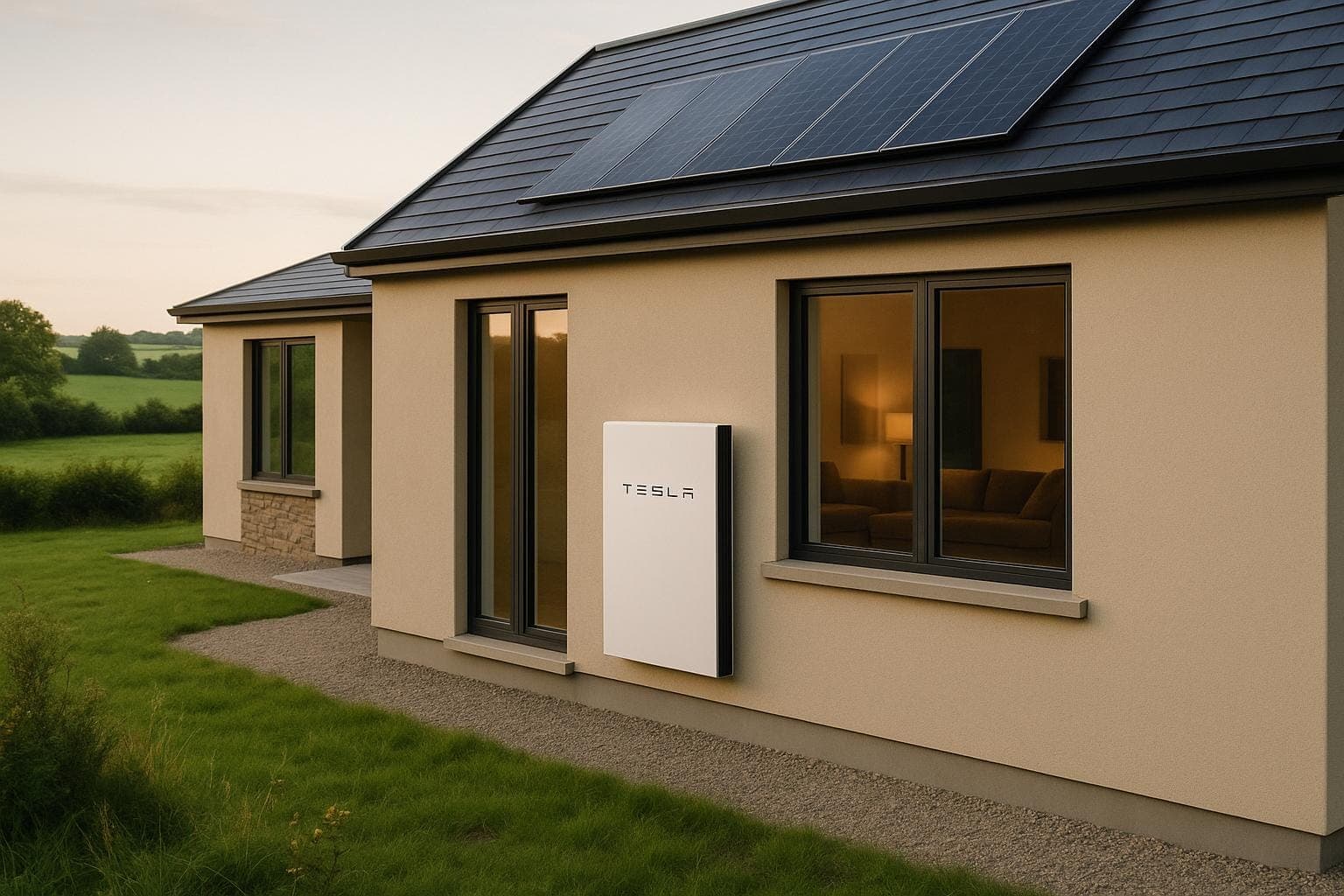
Tesla Powerwall Costs in Ireland 2026: Price, Specs, Alternatives & Is It Worth It?
Tesla Powerwall 3 costs €12,000–€15,000 installed in Ireland. 13.5 kWh capacity, built-in inverter, backup power. How it compares to Huawei Luna and GivEnergy.
Solar Panel Costs Ireland 2026: Complete Price Breakdown by System Size
How much do solar panels cost in Ireland in 2026? From €4,600 for 2.6kWp to €13,500 for 8.8kWp before grants. After SEAI grant: €3,100–€11,700. Full cost breakdown, brand comparison, ROI calculator, and what to look for in quotes.