
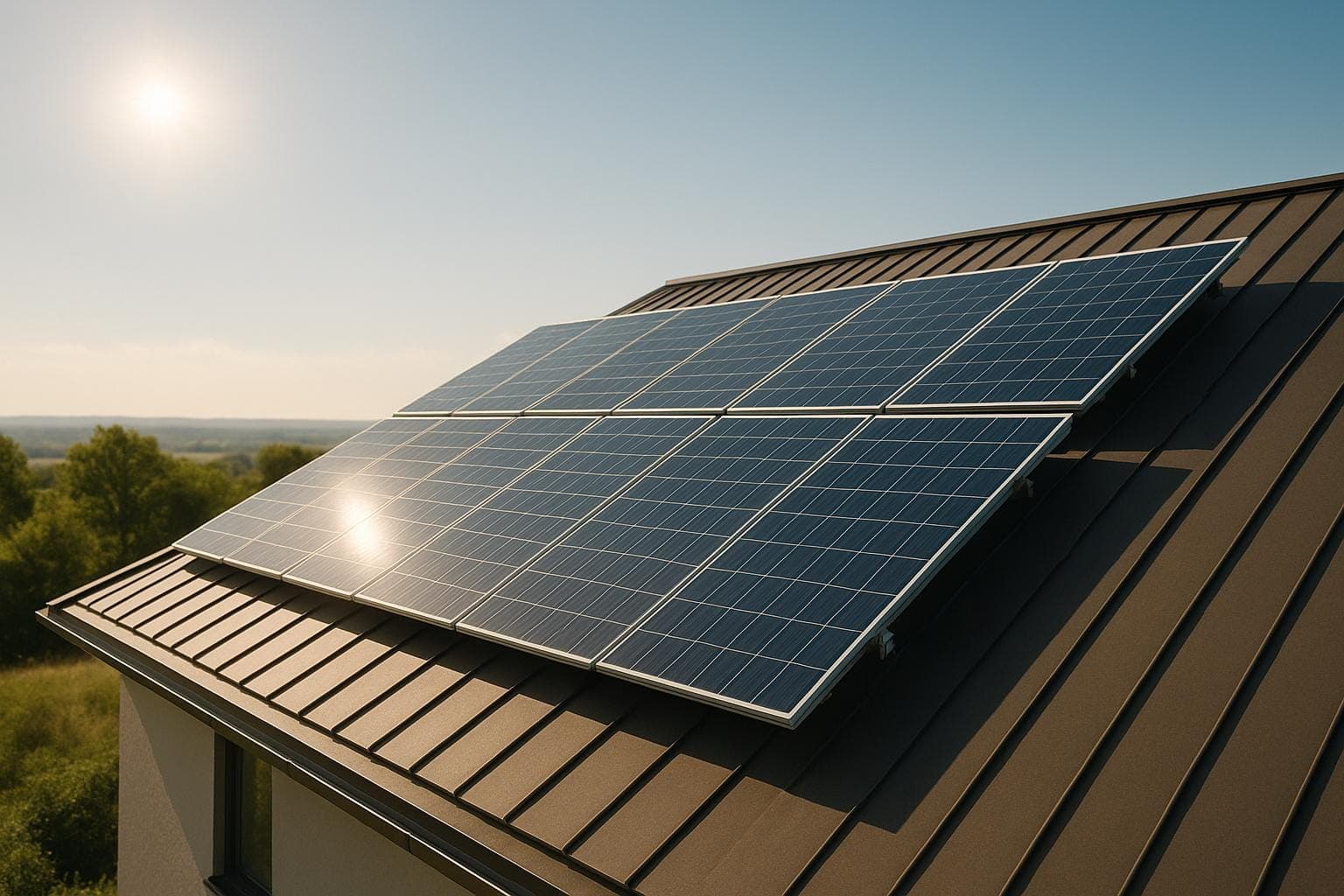
Solar Panel Angle Finder
Optimize Your Solar Setup with the Right Tilt Angle
Harnessing the sun's power starts with positioning your panels for maximum impact. A well-calculated tilt can make a huge difference in how much energy you generate, whether you're powering a home or a small business. Our Solar Panel Angle Finder simplifies this process, helping you pinpoint the best orientation based on where you are and the time of year.
Why Angle Matters
The sun's path changes daily and seasonally, so a fixed setup might not always cut it. For folks in northern regions, a steeper incline during winter months captures those low-angled rays. Meanwhile, in summer, flattening things out a bit aligns better with the overhead sun. Even if you're aiming for a year-round balance, knowing your starting point—usually tied to your latitude—sets a solid foundation.
Beyond the Basics
Beyond just crunching numbers, think about your environment. Trees, buildings, or even frequent cloud cover can play a role in fine-tuning your system. Pairing an optimized solar panel tilt with regular maintenance ensures you're getting the most bang for your buck. Curious about your setup? Plug in your details and see how a small tweak can light up your energy game.
FAQs
Why does the tilt angle matter for solar panels?
The tilt angle directly affects how much sunlight hits your panels. If they're angled just right, they capture more rays throughout the day, especially during peak hours. A poor angle can cut down your energy output by a noticeable margin, so it's worth getting it dialed in for your specific spot on the map.
Should I adjust my solar panel angle seasonally?
If you can, yes! Adjusting the angle for summer or winter can squeeze out extra efficiency. In winter, a steeper angle (adding about 15 degrees to your latitude) helps catch low sun rays and sheds snow. In summer, a shallower angle (subtracting 15 degrees) works better for the higher sun. If adjusting isn't an option, stick with a year-round average based on your latitude.
What if I don't know my exact latitude?
No worries! You can easily find your latitude by searching your city or address on Google Maps or a similar service—just drop a pin and check the coordinates. Most smartphones can also pull this info from your location settings if you allow access. Pop that number into our tool, and you're good to go.
Related Articles
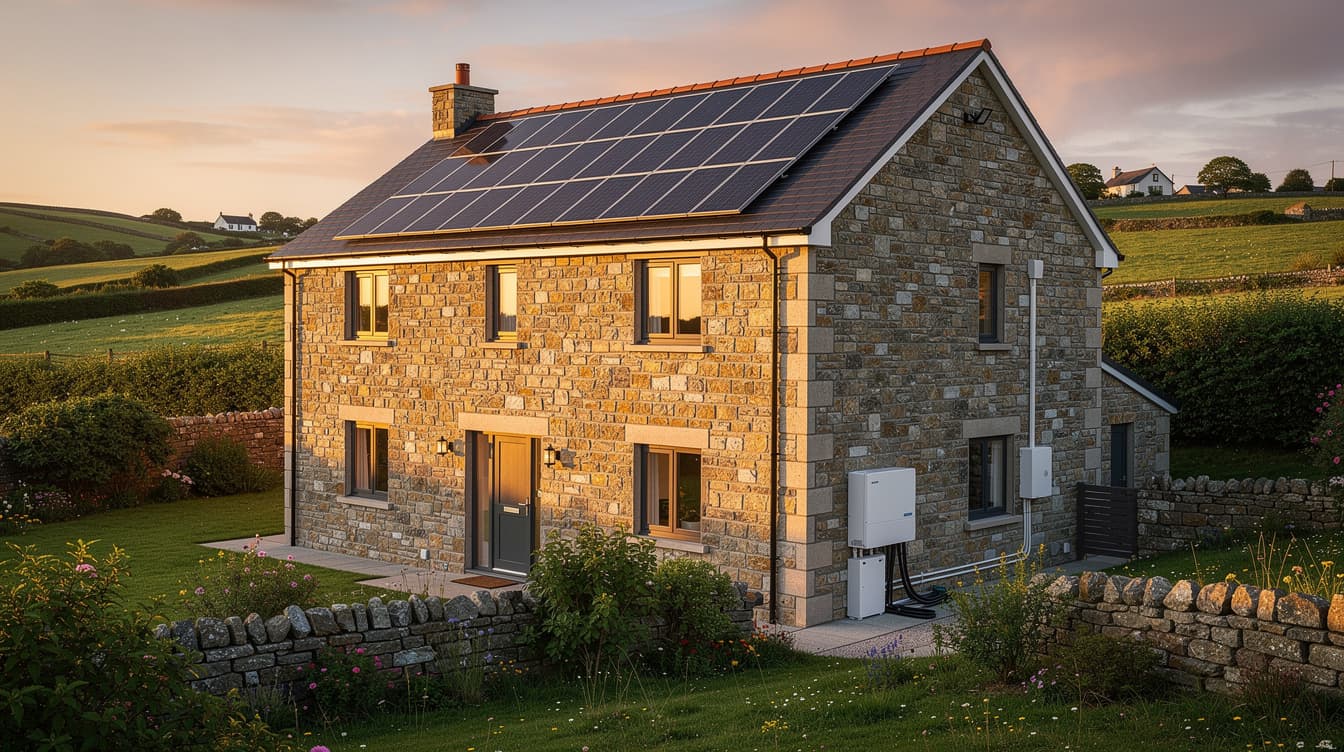
Best Solar Setup Ireland 2026: Complete System Design Guide
The best solar setup for Ireland 2026 — panels, inverter, battery, diverter and installer — with 4 real-world configurations, prices and paybacks.
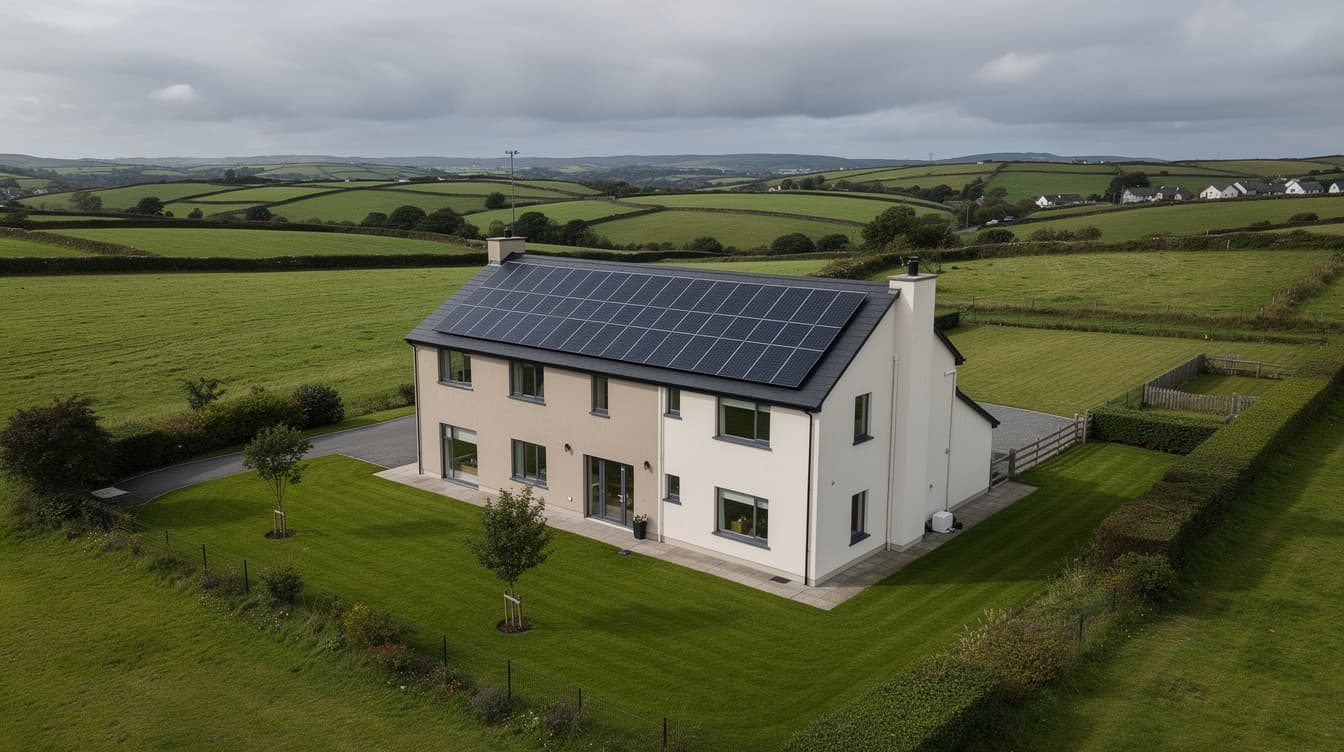
20 Solar Panels Ireland 2026: Cost, Output, Battery & Payback
What 20 solar panels cost in Ireland 2026 (€12.7-18.6k net after grant), 7,600-8,100 kWh output, roof space, battery choice and payback vs 10 or 14 panels.
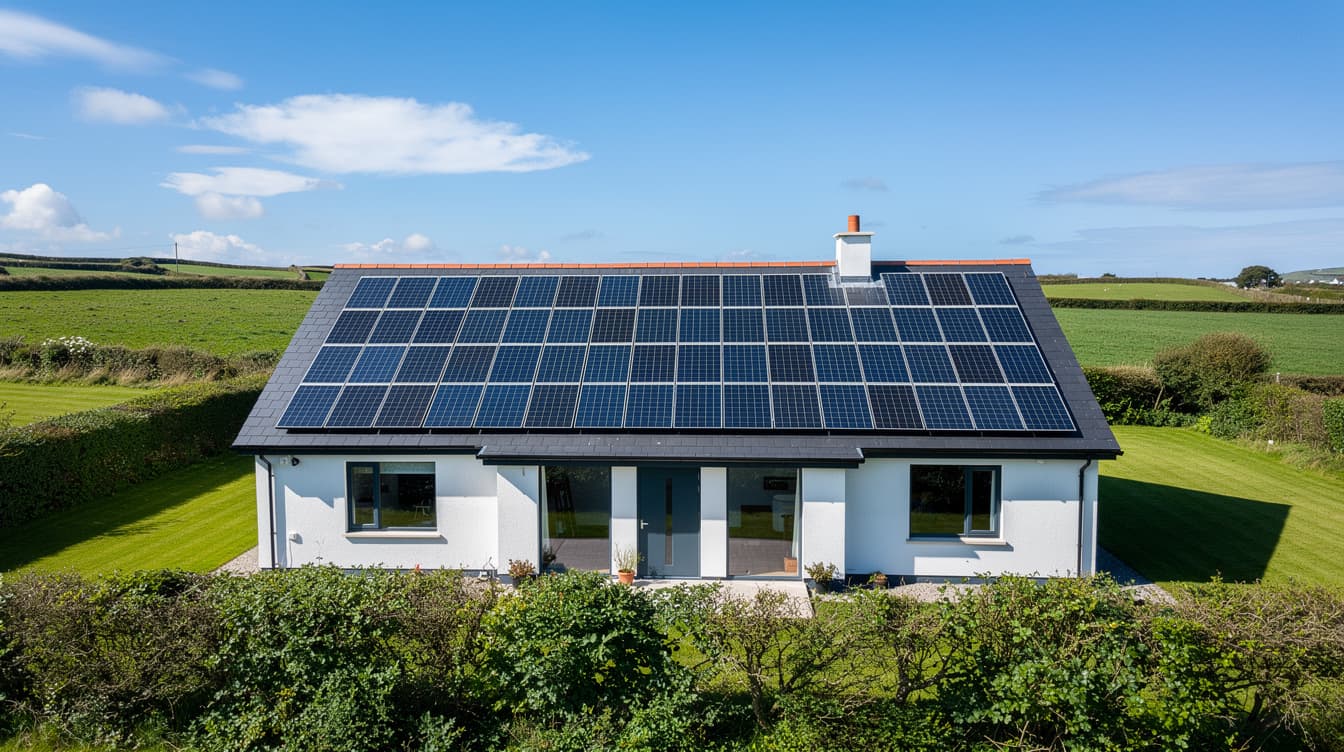
Solar Panel Temperature Coefficient Ireland 2026: How Heat Affects Output
What temperature coefficient really means for Irish solar output, real cell temps by season, 2026 brand rankings, and why low-light beats heat spec in Ireland.