
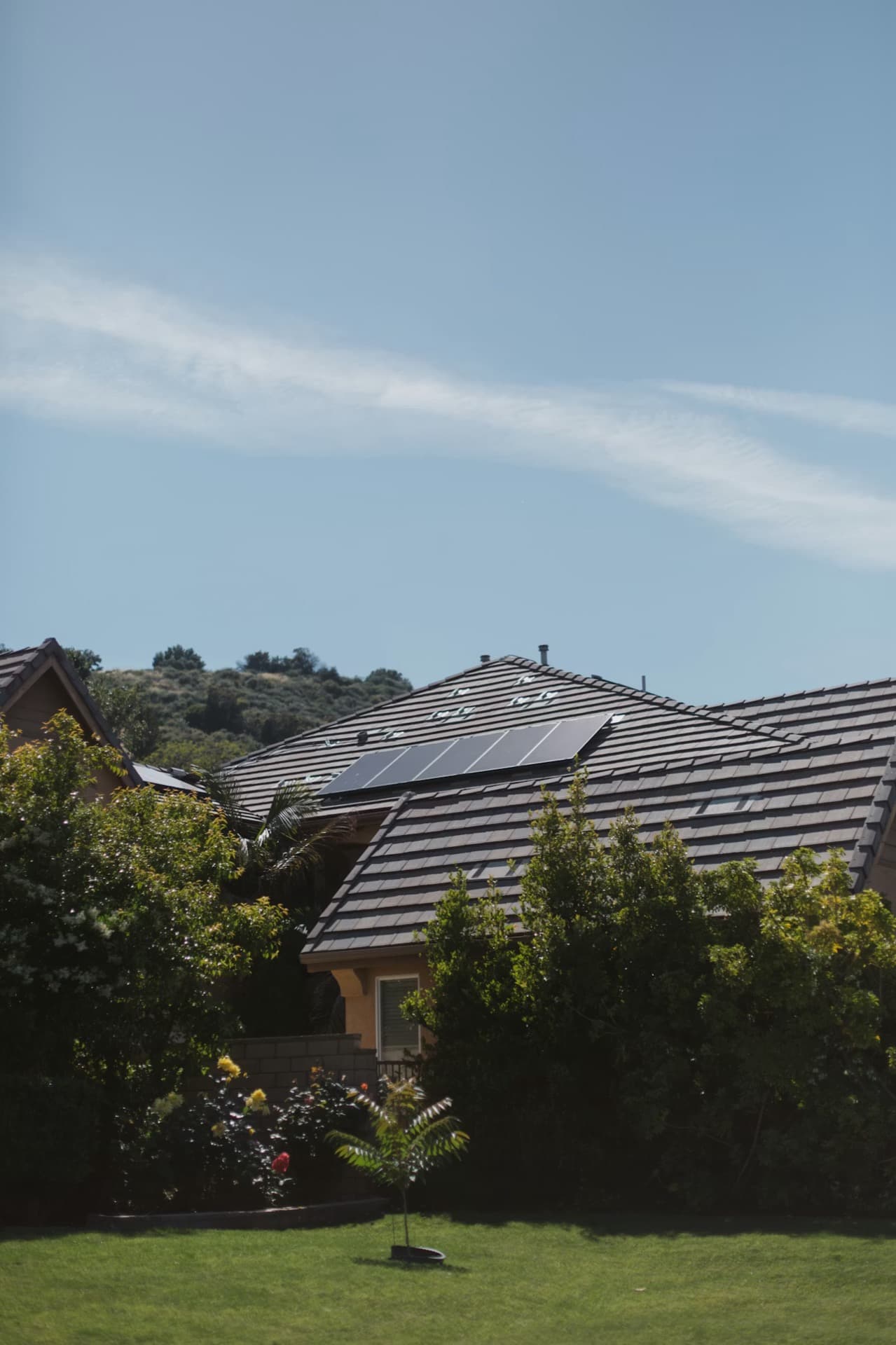
Clean Export Guarantee Ireland 2026: Selling Electricity Back to the Grid
Refreshed 13 August 2026 — latest CEG rates & two market shifts
Two developments since our last refresh worth flagging. (1) Bord Gáis Energy quietly lifted its CEG rate to 21.0 c/kWh in the first week of August 2026 (up from 19.0 c in Q2), pulling it into line with SSE Airtricity’s standing 22.7 c and just behind Energia’s market-leading 24.0 c. Full 2026 supplier CEG table below has been fully rebuilt with August-2026 rates. (2) The CRU confirmed on 6 August 2026 that the minimum CEG rate obligation (currently 20.0 c/kWh under CRU/24/019) will be reviewed again in October ahead of the 2027 tariff year — expected to hold flat or nudge to 21.0 c based on wholesale forward curves, not fall. Suppliers are unlikely to cut headline rates ahead of that review.
For a typical 6 kWp Irish system exporting 2,000–2,600 kWh/year, the difference between the cheapest (Electric Ireland 18.5c) and the most generous (Energia 24.0c) supplier now works out to €110–€143 per year — the biggest supplier-choice gap since CEG launched in 2022.
If you have solar panels on your roof in Ireland, you are not just saving money on electricity — you can actually sell your surplus power back to the grid and get paid for it. The mechanism that makes this possible is called the Clean Export Guarantee (CEG), and in 2026 it remains one of the most attractive financial incentives for Irish homeowners who go solar.
\n\nIn this comprehensive guide, we explain exactly how the CEG works, what suppliers are paying per kilowatt-hour in 2026, how much you can realistically earn, and how to maximise your return. Whether you already have panels or you are still considering the investment, this article gives you the full picture.
\n\nQuick Answer: What Is the Clean Export Guarantee in Ireland?
\nThe Clean Export Guarantee (CEG) is the regulated payment Irish electricity suppliers must offer to homeowners for solar electricity exported to the grid. As of mid-2026, rates range from €0.20 to €0.24 per kWh, and the first €400/yr of CEG income is tax-free until end-2026 under the Finance Act exemption.
\nFor a typical 4 kWp Irish home system, that is roughly €280–336/yr in export income, on top of self-consumption savings of €800–1,200/yr. A 6 kWp system pushes total annual benefit past €1,700.
\nWhat Is the Clean Export Guarantee (CEG)?
\n\nThe Clean Export Guarantee is a government-backed scheme that requires licensed electricity suppliers in Ireland to offer a payment to domestic micro-generators for surplus renewable electricity exported to the national grid. It was introduced under the Electricity Regulation (Amendment) (Clean Export Guarantee) Act 2024 and came into full effect following the EU’s Renewable Energy Directive.
\n\nIn plain language: when your solar panels produce more electricity than your home is using at any given moment, that excess power flows out through your meter and into the grid. Under the CEG, your electricity supplier must pay you for every kilowatt-hour (kWh) of clean energy you export.
\n\nThe CEG applies to micro-generation installations up to 50 kW in capacity. For a typical Irish home with a 4–6 kWp solar panel system, this threshold is never an issue. The scheme covers solar PV, small wind turbines, and micro-hydro, but the vast majority of participants are solar panel owners.
\n\nHow the CEG Works: Step by Step
\n\nThe process is straightforward once you understand the moving parts:
\n\n- \n
- Your solar panels generate electricity during daylight hours. On a sunny day, a 4 kWp system in Ireland can produce 15–20 kWh. \n
- Your home uses what it needs first. Appliances, heating, hot water — anything running at that moment draws from your solar output before touching grid power. \n
- Surplus electricity flows to the grid. If your panels are generating 3 kW but your home only needs 1 kW, the remaining 2 kW is exported. \n
- Your smart meter records the export. ESB Networks’ smart meters measure electricity flowing in both directions, logging exactly how many kWh you export in each billing period. \n
- Your supplier pays you. The exported kWh appear as a credit on your electricity bill, reducing what you owe or generating a net credit. \n
It is important to understand that you are not paid the same rate for exports as you pay for imports. Export rates in 2026 range from roughly 18c to 24c per kWh, while import rates typically sit between 35c and 45c per kWh. This difference is why self-consumption is generally more valuable than exporting — but export income is still a significant bonus on top of your savings.
\n\nGet Your Free Solar Quote & Export Earnings Estimate
\nFind out how much you could earn selling electricity back to the grid from your roof.
\nGet My Free Quote →\nCEG Export Rates by Supplier — 2026
\n\nEach electricity supplier sets its own CEG export rate. These rates can change, and some suppliers offer higher rates as part of specific tariff bundles. The following table shows the approximate export rates being offered in mid-2026:
\n\n| Supplier | \nExport Rate (per kWh) | \nNotes | \n
|---|---|---|
| Electric Ireland | \n€0.24 | \nHighest rate; available on their solar tariff | \n
| SSE Airtricity | \n€0.22 | \nCompetitive rate with green energy bundles | \n
| Bord Gáis Energy | \n€0.21 | \nDual fuel discounts may apply | \n
| Energia | \n€0.20 | \nFixed-rate export option available | \n
| Panda Power | \n€0.18 | \nLowest rate but competitive import tariffs | \n
Important: When choosing a supplier for solar export, do not look at the export rate in isolation. A supplier offering 18c export but 35c import may save you more overall than one offering 24c export but 44c import. Always compare the total package including standing charges, import rates, and any solar-specific discounts.
\n\nTax-Free Export Income: The €400 Threshold
\n\nOne of the most appealing aspects of the CEG is the tax treatment. The Irish government introduced an income tax exemption on the first €400 per year of micro-generation export income. This exemption is currently legislated to remain in place until the end of 2028.
\n\nWhat this means in practice:
\n\n- \n
- If you earn €350 per year from electricity exports, you pay zero tax on that income. \n
- If you earn €500 per year, only €100 is subject to income tax at your marginal rate. \n
- For most homeowners with a standard 4–6 kWp system, annual export income falls within or close to the €400 threshold, meaning little or no tax is owed. \n
You do not need to register for VAT. The exemption is administered through your annual tax return (or by contacting Revenue if you are a PAYE worker). It is one of the simplest tax reliefs available to Irish households.
\n\nHow Much Can You Earn? Worked Examples
\n\nThe amount you earn from the CEG depends on three main factors: the size of your solar system, whether you have a battery, and how much electricity you use during the day. Below are realistic worked examples for Irish conditions in 2026.
\n\nExample 1: 4 kWp System Without Battery
\n\nA 4 kWp system in Ireland generates approximately 3,400–3,800 kWh per year. Without a battery, a typical household self-consumes around 60% and exports roughly 40%.
\n\n| Metric | \nValue | \n
|---|---|
| Annual generation | \n~3,600 kWh | \n
| Exported to grid | \n~1,400 kWh | \n
| Annual export income (at 20–24c/kWh) | \n€280 – €336 | \n
| Tax liability | \n€0 (below €400 threshold) | \n
Example 2: 4 kWp System With Battery
\n\nAdding a home battery (typically 5–10 kWh capacity) allows you to store surplus solar energy for use in the evening, dramatically increasing self-consumption. Export drops but overall savings rise.
\n\n| Metric | \nValue | \n
|---|---|
| Annual generation | \n~3,600 kWh | \n
| Exported to grid | \n~700 kWh | \n
| Annual export income (at 20–24c/kWh) | \n€140 – €168 | \n
| Additional self-consumption savings | \n~€250 – €315 extra vs no battery | \n
While export income is lower with a battery, the total financial benefit is higher because every kWh you use yourself avoids paying 35–45c import rates, versus receiving only 18–24c for exports. For a detailed analysis of whether a battery makes sense for your home, see our guide: Is It Worth Getting a Battery With Solar Panels in Ireland?
\n\nExample 3: 6 kWp System Without Battery
\n\nA larger 6 kWp system generates more power and exports a higher proportion, especially in summer months when production far exceeds household demand.
\n\n| Metric | \nValue | \n
|---|---|
| Annual generation | \n~5,400 kWh | \n
| Exported to grid | \n~2,300 kWh | \n
| Annual export income (at 20–24c/kWh) | \n€460 – €552 | \n
| Tax liability | \n€0 – €60 (depending on rate and marginal tax band) | \n
With a 6 kWp system, you may exceed the €400 tax-free threshold, but even after tax the income is substantial. Combined with self-consumption savings of €1,200+ per year, a 6 kWp system can deliver a total annual benefit exceeding €1,700.
\n\nUse our Solar Panel Calculator to get a personalised estimate based on your roof, location, and energy usage.
\n\nSmart Meter Requirement
\n\nTo participate in the CEG, you must have a smart meter installed. Smart meters are the only type of meter capable of recording both electricity imported from the grid and electricity exported to it.
\n\nThe good news: smart meters are provided and installed by ESB Networks completely free of charge. Ireland’s national smart meter rollout is well advanced, and the majority of homes now have one. If yours has not yet been upgraded, here is what to do:
\n\n- \n
- Contact your electricity supplier and tell them you have (or are installing) solar panels and need a smart meter for CEG participation. \n
- Your supplier will submit a request to ESB Networks on your behalf. \n
- ESB Networks will schedule an installation appointment. The swap typically takes 30–45 minutes and requires brief power interruption. \n
- Once installed, your meter will begin recording export data from the next billing cycle. \n
If you already have a smart meter (check for a digital display rather than a spinning disc), you may only need your supplier to activate the export register. This can sometimes be done remotely without an engineer visit.
\n\nHow to Register for the CEG: Step by Step
\n\nGetting set up to receive CEG payments involves a few administrative steps. Here is the complete process:
\n\nStep 1: Install Your Solar Panel System
\nYour system must be installed by a SEAI-registered installer and comply with all relevant electrical standards (IS 10101 and EN 50549). Your installer will handle the technical compliance and provide you with the necessary documentation.
\n\nStep 2: Register as a Micro-Generator with ESB Networks
\nYour installer will typically submit the NC6 declaration form to ESB Networks on your behalf. This form notifies ESB Networks that a micro-generation system has been connected to the grid at your address. You will receive confirmation once the registration is processed.
\n\nStep 3: Ensure You Have a Smart Meter
\nIf you do not already have one, request a smart meter through your supplier as described above. Without a smart meter, your exports cannot be measured or paid for.
\n\nStep 4: Contact Your Electricity Supplier
\nCall or email your supplier and request to be registered for their CEG export tariff. You will need to provide:
\n- \n
- Your MPRN (Meter Point Reference Number) \n
- Confirmation of your micro-generation system capacity (in kWp) \n
- Your NC6 registration confirmation from ESB Networks \n
Step 5: Start Earning
\nOnce registered, your export payments will appear as credits on your regular electricity bills. Most suppliers show export and import separately, so you can clearly see how much you are earning.
\n\nThe entire registration process typically takes 2–6 weeks from the date your solar panels are commissioned. Some delays may occur if a smart meter installation is required.
\n\nBest Supplier for Solar Export Rates
\n\nBased on the 2026 export rates, Electric Ireland currently offers the highest CEG rate at 24c per kWh, followed by SSE Airtricity at 22c. However, the best supplier for you depends on your overall electricity usage pattern.
\n\nHere is a framework for choosing:
\n\n- \n
- High daytime usage (working from home, EV charging): Prioritise a low import rate. You will self-consume most of your solar and export relatively little, so the export rate matters less. \n
- Low daytime usage (house empty during the day): A higher export rate becomes more valuable because you will be exporting a larger share of your solar generation. \n
- Large system (6 kWp+): Export volume is significant, so even a 2–4c difference per kWh adds up to €50–90 per year. The higher export rate suppliers become more attractive. \n
- Small system (3–4 kWp) with battery: You will export very little. Focus entirely on the import rate and standing charges. \n
It is also worth noting that you can switch suppliers at any time without affecting your solar installation or CEG registration. If a supplier improves their export rate or a new entrant offers better terms, switching is straightforward and typically takes two to four weeks.
\n\nMaximising Export Income vs Self-Consumption: Which Strategy Wins?
\n\nThis is one of the most common questions we get from solar panel owners, and the answer is clear: self-consumption almost always delivers better value than exporting.
\n\nThe maths is simple. If you use a kWh yourself, you avoid buying it at 35–45c. If you export that same kWh, you receive 18–24c. Self-consumption is worth roughly twice as much as exporting.
\n\nThat said, you cannot always self-consume everything. On a bright June afternoon your panels may be producing 4 kW while your home only needs 0.5 kW. Here are practical strategies to maximise self-consumption before relying on export income:
\n\n- \n
- Time your heavy appliances: Run your washing machine, tumble dryer, and dishwasher during peak solar hours (11am–3pm). \n
- Heat water with solar: Use a solar diverter (like an Eddi or iBoost) to send surplus electricity to your immersion heater instead of exporting it. \n
- Charge your EV during the day: If you have an electric vehicle and can charge at home during the day, this is one of the highest-value uses of surplus solar. \n
- Install a battery: A home battery stores surplus energy for evening use, typically boosting self-consumption from 55–65% to 80–90%. \n
The ideal approach is a hybrid strategy: maximise self-consumption through smart scheduling and possibly a battery, then let the CEG earn you money on whatever surplus remains. This way you benefit from both the higher value of self-consumption and the additional income from exports.
\n\nReady to Start Earning From Your Roof?
\nGet quotes from vetted solar installers in your area and find out your export earning potential.
\nGet My Free Quote →\nWill Export Rates Go Up or Down?
\n\nThis is the question on every solar owner’s mind. Here is what the key factors suggest for the next few years:
\n\nArguments for rates staying stable or rising:
\n- \n
- Ireland’s renewable energy targets require massive growth in distributed generation. The government has a strong incentive to keep the CEG attractive. \n
- Wholesale electricity prices in Ireland remain elevated compared to pre-2021 levels, supporting higher export valuations. \n
- Competition among suppliers for solar customers is increasing, which puts upward pressure on export rates as a differentiator. \n
Arguments for rates declining over time:
\n- \n
- As more solar is deployed, midday wholesale prices may drop (the so-called “solar duck curve”), reducing the value of daytime exports. \n
- The €400 tax-free threshold is only guaranteed until 2028. If it is not renewed, the net value of export income would fall for higher earners. \n
- International trends show export rates in mature solar markets (Germany, Australia) have declined over time as solar penetration increases. \n
Our view: Export rates in Ireland are likely to remain in the 18–25c range through 2027–2028. Beyond that, gradual downward pressure is possible but not certain. The key takeaway is that today’s rates are favourable, and every year you delay is a year of export income you miss out on. The best time to install solar panels and start earning is now.
\n\nFrequently Asked Questions
\n\nDo I need planning permission to sell electricity back to the grid?
\nNo. Solar panel systems up to 50 square metres (or up to 25 square metres in certain protected areas) are exempt from planning permission in Ireland. The CEG registration process does not require any planning documentation. Your installer will confirm that your system qualifies for the exemption.
\nCan I participate in the CEG if I rent my home?
\nThe CEG payment goes to the account holder with the electricity supplier, which is typically the person paying the electricity bill. If you are a tenant who pays the electricity bill directly, you could technically receive CEG payments. However, installing solar panels on a rented property requires the landlord’s consent and cooperation, which can be a practical barrier.
\nWhat happens if I generate more than I use in a billing period?
\nIf your CEG credits exceed your electricity charges in a given billing period, most suppliers will carry the credit forward to your next bill. Some suppliers will issue a payment or cheque if the credit exceeds a certain threshold (often €50 or €100). Check with your individual supplier for their specific policy on net credit balances.
\nCan I claim the SEAI grant and the CEG at the same time?
\nYes, absolutely. The SEAI solar PV grant (up to €2,100 in 2026) and the Clean Export Guarantee are completely separate schemes. You can and should claim both. The grant reduces your upfront installation cost, while the CEG provides ongoing income from your surplus generation. Together they significantly improve the financial return on your solar investment.
\nDo I need to declare CEG income on my tax return?
\nTechnically, yes — CEG income should be declared. However, the first €400 is exempt from income tax under the current legislation (valid until end of 2028). If your export income is below €400, there is no tax to pay but Revenue recommends declaring it. If you earn above €400, the excess is taxable at your marginal rate. PAYE workers can contact Revenue to have a small tax liability collected through their tax credits.
\nHow long does it take to get my first CEG payment?
\nAfter your system is installed, NC6 registered, and your supplier has activated your CEG tariff, you will see export credits on your next regular billing cycle. Most suppliers bill every two months, so you could see your first CEG credit within 2–10 weeks depending on timing. The credit will cover all exports recorded by your smart meter since activation.
\nThe Bottom Line
\n\nThe Clean Export Guarantee makes solar panels in Ireland an even better investment in 2026. With export rates of 18–24c per kWh, a tax-free threshold of €400 per year, and a free smart meter from ESB Networks, the barriers to earning money from your roof have never been lower.
\n\nFor a typical 4 kWp system, you can expect to earn €280–336 per year in export income alone, on top of €800–1,200 in self-consumption savings. A larger 6 kWp system pushes total annual benefits above €1,700. Over a 25-year panel lifetime, that is a cumulative benefit of €25,000–40,000+ from an investment that typically costs €5,000–8,000 after the SEAI grant.
\n\nThe CEG, combined with the SEAI grant, generous tax treatment, and ever-improving panel technology, means there has never been a better time for Irish homeowners to go solar. The grid is ready for your clean energy — and it is willing to pay for it.
\n\n\nRelated Articles
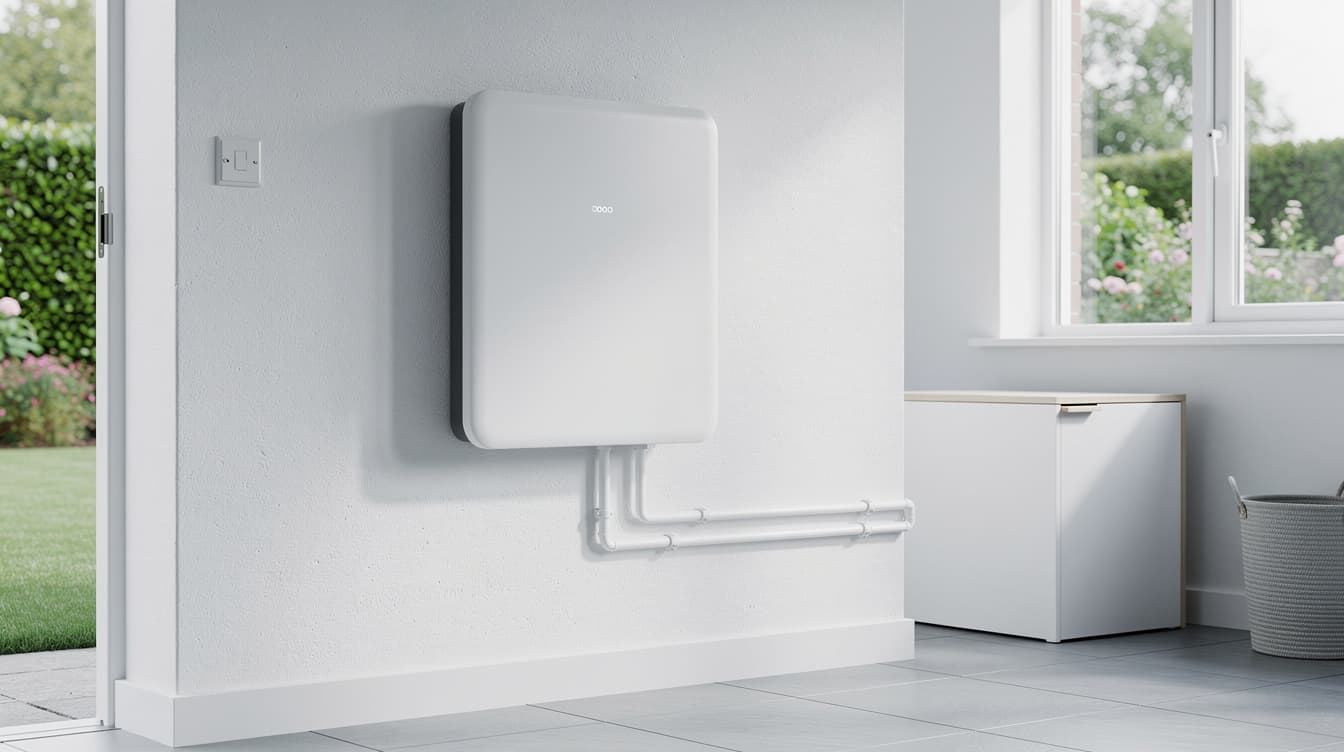
Solar Battery Brands Ireland 2026: Tesla Powerwall 3 vs BYD vs Pylontech vs Sigenergy vs Sunsynk Compared
Compare Tesla Powerwall 3, BYD, Pylontech Force H2, Sigenergy and Sunsynk for Irish homes in 2026: installed prices, warranties, cycle counts, backup and V2G.
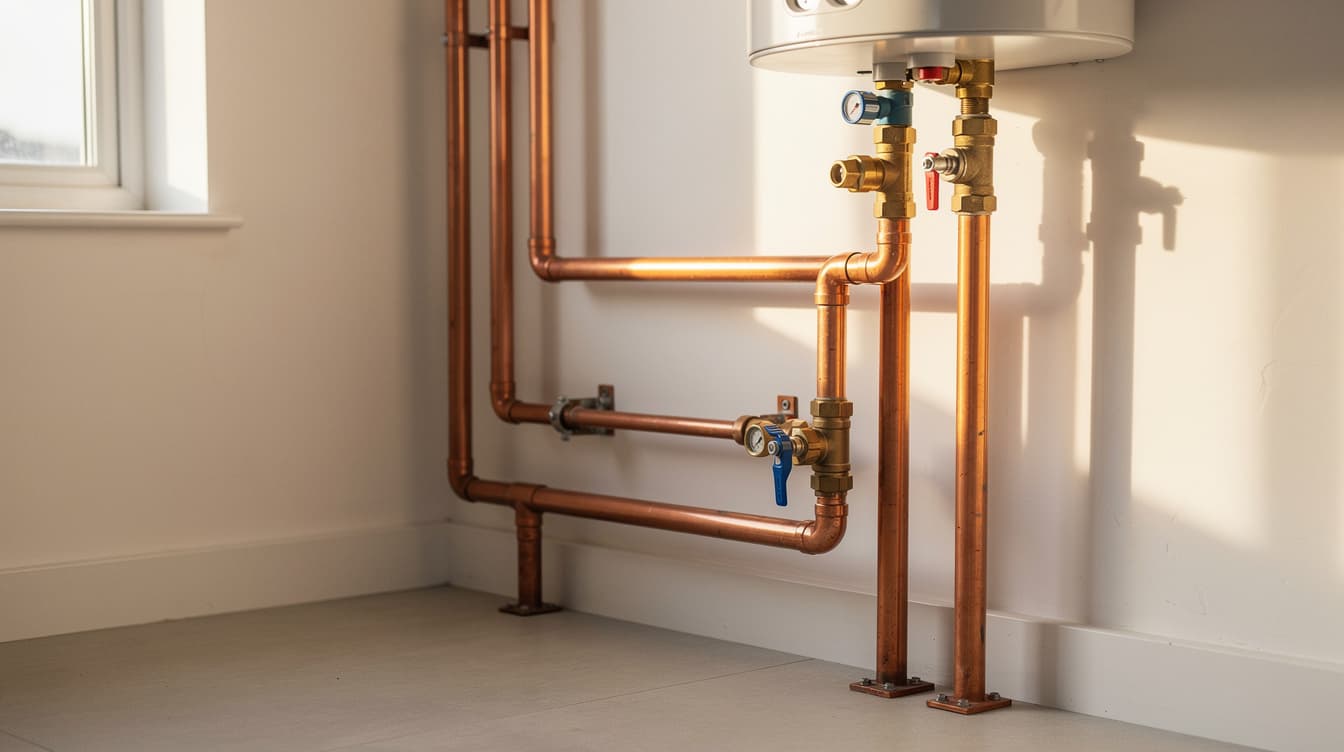
PV Solar Diverter Ireland 2026: Eddi vs iBoost vs PowerDiverter Compared
Compare Eddi, Solar iBoost+ and PowerDiverter for Irish solar homes in 2026: real prices, install costs, VAT savings, and honest payback vs the CEG.
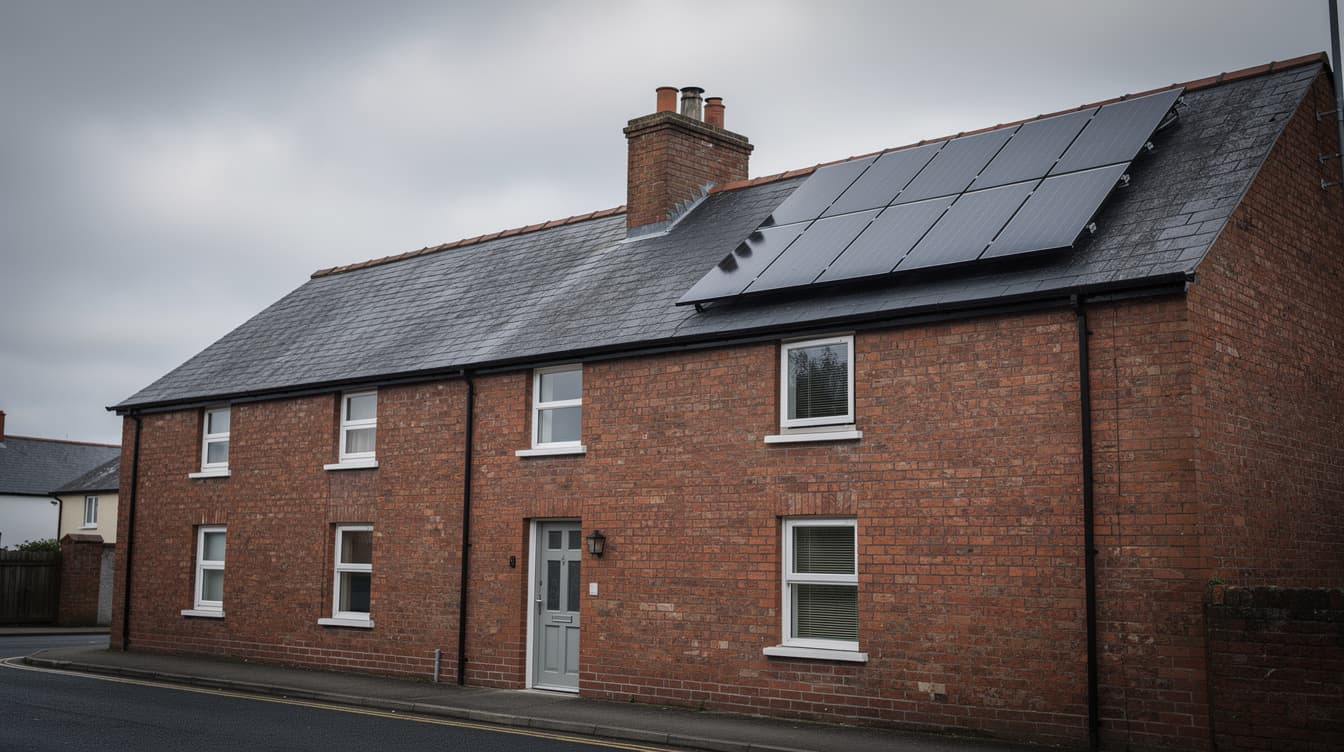
2kW Solar System Ireland 2026: Cost, Suitability & Payback for Small Homes
2 kWp solar in Ireland 2026: costs €3,500 net after €700 SEAI grant, generates 1,850 kWh/yr south-facing, pays back in 5.4 years. When it fits vs going to 4.4 kWp.