
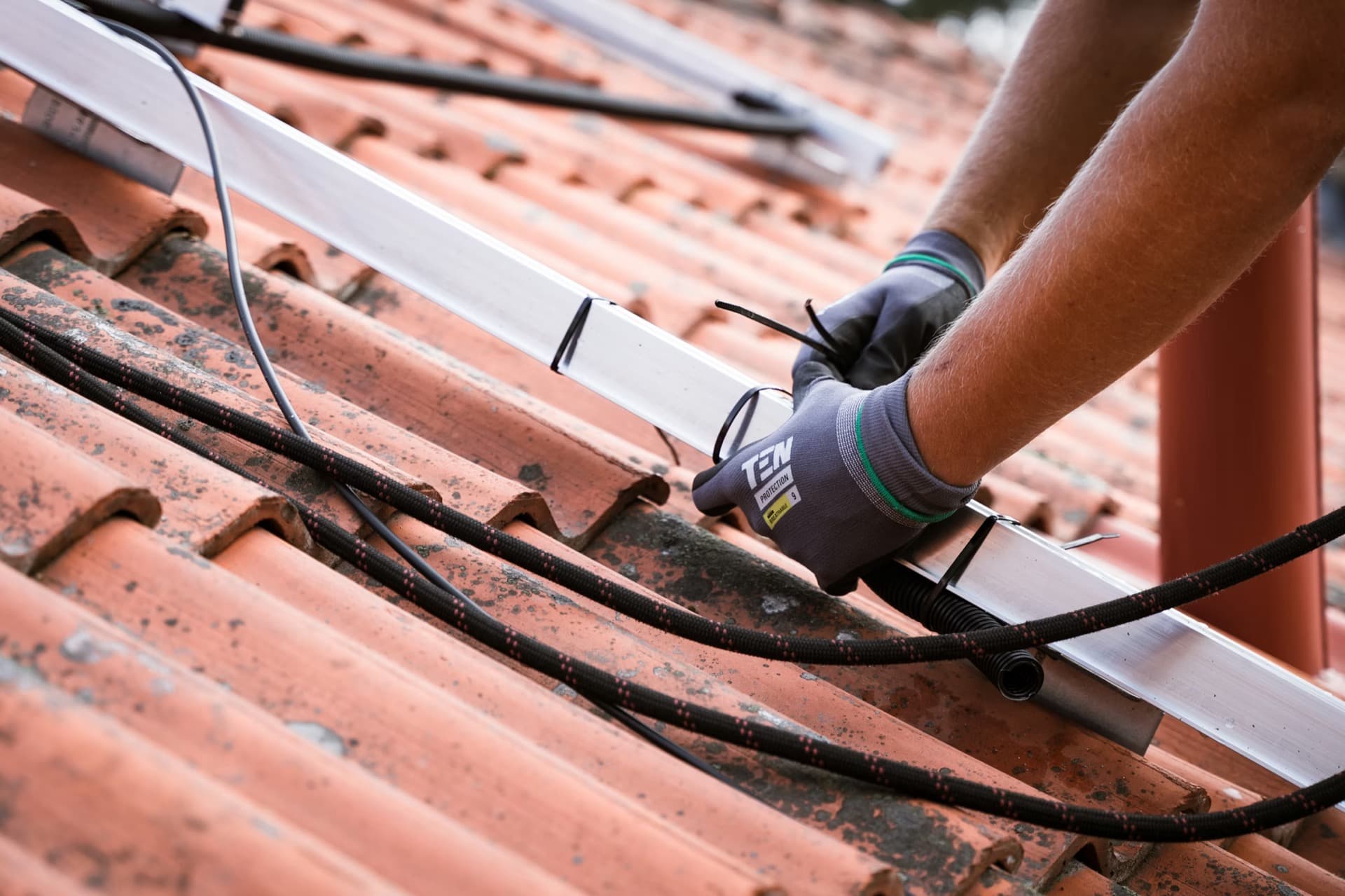
Air to Water Heat Pumps Ireland 2026: Costs, Grants & Best Brands Compared
Air to Water Heat Pumps in Ireland 2026: Costs, Grants & Best Brands Compared
\n\nAir to water heat pumps have become the default heating upgrade for Irish homeowners looking to cut bills, reduce carbon emissions, and future-proof their property. With SEAI grants covering up to €12,500 of the installation cost, carbon tax rising to €71 per tonne in May 2026, and gas and oil prices showing no sign of settling, the economics have never been stronger.
\n\nYet Ireland’s progress toward its Climate Action Plan target of 680,000 heat pump installations by 2030 remains far behind schedule — just 14,194 grant-aided installations were completed by the end of 2024. That gap represents both a national challenge and a once-in-a-generation opportunity for homeowners who act now, before contractor waiting lists lengthen and grant budgets come under pressure.
July 2026 snapshot — what changed since spring
- Grant totals held: SEAI air-to-water grant remains €6,500 (standalone) or up to €12,500 via the One Stop Shop.
- Carbon tax rose to €71/tonne on 1 May 2026. That adds ~€140 a year to a typical oil-heated 3-bed — heat pump payback keeps shortening.
- Solar + heat pump pairing on smart tariffs: with the new June 2026 dynamic tariff rules (see our time-of-use guide), a well-configured pump can save an extra €220–€400 a year on top of standard running costs.
- Waiting lists tightening: most Irish installers are now booking 10–14 weeks for full retrofit jobs. Standalone pump swap-outs are 6–8 weeks.
This guide covers everything you need to know in 2026: how the technology works, what each brand costs after grants, running cost savings versus gas and oil, eligibility rules, the installation process, planning permission changes, and how to combine a heat pump with solar panels for maximum savings.
\n\n \n\n
\n\nHow Air to Water Heat Pumps Work
\n\nAn air to water heat pump extracts thermal energy from outside air — even when temperatures drop below freezing — and uses a refrigerant cycle to amplify that heat. The amplified heat is then transferred to water, which circulates through your radiators, underfloor heating, or hot water cylinder.
\n\nThe key metric is the Seasonal Coefficient of Performance, or SCOP. A heat pump with a SCOP of 4.0 produces four units of heat for every one unit of electricity it consumes. In practical terms, that means you get three to nearly five times more heating energy than you pay for — something no gas or oil boiler can match, since combustion systems are capped at roughly 0.9 units of heat per unit of fuel.
\n\nModern units are designed for the Irish climate, which is actually well-suited to heat pump technology. Ireland’s mild, humid winters — with average temperatures rarely dropping below 2–4°C — mean the outdoor unit operates in its efficiency sweet spot for most of the heating season. Cold snaps that push Scandinavian heat pumps into defrost mode are relatively rare here.
\n\nThe outdoor unit is roughly the size of a large suitcase, mounted on a concrete pad at the rear or side of your home. Inside, the existing hot water cylinder is typically replaced with a larger, heat-pump-compatible cylinder (usually 200–300 litres), and your radiators may need to be upsized if they were originally designed for a high-temperature boiler system.
\n\nHeat Pump Costs by Brand in Ireland (2026)
\n\nPrices vary depending on the brand, the size of your home, the complexity of the installation, and whether your existing radiators or pipework need upgrading. The figures below reflect typical all-in costs for a three- to four-bedroom semi-detached house, including supply, installation, cylinder, and commissioning — before and after the maximum SEAI grant of €12,500.
\n\n| Brand | \nInstalled Cost | \nNet Cost After Grant | \n
|---|---|---|
| Samsung | \n€9,000 – €13,000 | \nFrom €1,500 | \n
| Grant Aerona3 | \n€9,500 – €13,500 | \n€1,500 – €2,000 | \n
| Daikin Altherma 3 | \n€11,000 – €15,000 | \n€1,500 – €2,500 | \n
| Mitsubishi Ecodan | \n€11,500 – €15,500 | \n€2,000 – €3,000 | \n
| Vaillant aroTHERM plus | \n€12,000 – €15,500 | \n€2,000 – €3,000 | \n
| Nibe F2120 | \n€12,500 – €16,500 | \n€2,500 – €4,000 | \n
Note on VAT: Heat pump installations in Ireland currently benefit from a reduced VAT rate of 9%, which is already included in the prices above. This lower rate was introduced to encourage renewable heating uptake and represents a significant saving compared to the standard 23% rate.
\n\nGet a Free Heat Pump Quote for Your Home
\nOur SEAI-registered installers cover every county. Find out what your home would cost after grants.
\n\nRunning Cost Comparison: Heat Pump vs Gas vs Oil
\n\nThe real value of a heat pump becomes clear when you compare annual heating bills. The table below uses 2026 fuel prices and accounts for the carbon tax increase to €71 per tonne that took effect in May 2026, with further increases legislated to reach €100 per tonne by 2030.
\n\n| Heating System | \nAnnual Running Cost | \nAnnual Saving vs Oil | \n
|---|---|---|
| Air to Water Heat Pump | \n€500 – €1,000 | \n€1,000 – €1,500 | \n
| Natural Gas Boiler | \n€1,200 – €2,000 | \n€300 – €500 | \n
| Oil Boiler | \n€1,500 – €2,500 | \n— | \n
For a typical oil-heated home spending €2,000 per year on fuel, switching to a heat pump could save €1,000–€1,500 annually. Combined with the SEAI grant, that means a net investment of €1,500–€4,000 can pay for itself in as little as two to four years. And with carbon tax set to rise by another €29 per tonne between now and 2030, the savings gap between heat pumps and fossil fuels will only widen.
\n\nSEAI Heat Pump Grants 2026
\n\nThe Sustainable Energy Authority of Ireland (SEAI) offers several grants that can be stacked together for a heat pump installation. Here is the full breakdown as of 2026:
\n\n| Grant Component | \nAmount | \n
|---|---|
| Heat Pump System | \n€6,500 | \n
| Central Heating System Upgrade | \n€2,000 | \n
| Renewable Heat Bonus (one-off top-up) | \n€4,000 | \n
| Maximum Total (Houses) | \n€12,500 | \n
| Maximum Total (Apartments) | \n€9,500 | \n
The Renewable Heat Bonus of €4,000 is a relatively new addition and is designed to accelerate heat pump adoption. It applies when you install a heat pump as your primary heating system and can be claimed alongside the base heat pump grant and the central heating upgrade grant.
\n\nBrand Comparison: SCOP, Noise, Price & Warranty
\n\nChoosing the right brand depends on your priorities. Some homeowners want the highest efficiency to minimise electricity bills. Others live in semi-detached estates where noise levels matter. Below is a side-by-side comparison of the six most popular brands in Ireland in 2026.
\n\n| Brand | \nSCOP | \nNoise Level | \nNet Cost After Grant | \nWarranty | \n
|---|---|---|---|---|
| Nibe F2120 | \n4.8 | \n40–48 dB | \n€2,500 – €4,000 | \n5 years (ext. to 7) | \n
| Vaillant aroTHERM plus | \n4.7 | \n33 dB | \n€2,000 – €3,000 | \n5 years (ext. to 7) | \n
| Daikin Altherma 3 | \n4.6 | \n40–48 dB | \n€1,500 – €2,500 | \n5 years | \n
| Grant Aerona3 | \n4.6 | \n40–47 dB | \n€1,500 – €2,000 | \n5 years | \n
| Mitsubishi Ecodan | \n4.4 | \n42–50 dB | \n€2,000 – €3,000 | \n5 years (ext. to 7) | \n
| Samsung EHS | \n4.35 | \n40–48 dB | \nFrom €1,500 | \n5 years | \n
Best for efficiency: Nibe F2120 leads the pack with a SCOP of 4.8. It is a premium Swedish brand with an excellent track record in cold climates and the highest seasonal efficiency available in Ireland today. The trade-off is a higher upfront price.
\n\nBest for noise: Vaillant aroTHERM plus at just 33 dB is in a class of its own. For comparison, 33 dB is quieter than a whisper. If your outdoor unit will be near a bedroom window or a neighbour’s boundary, Vaillant is the standout choice. It also ranks second in efficiency at 4.7 SCOP.
\n\nBest value: Samsung and Grant offer the lowest net cost after grants — from €1,500 in some cases. Both are solid performers with wide installer networks in Ireland. Grant is an Irish-made brand with strong local parts and service support.
\n\nBest all-rounder: Daikin Altherma 3 hits a sweet spot between price, efficiency, and reliability. Daikin is the world’s largest heat pump manufacturer and has the deepest installer network in Ireland.
\n\nEligibility Checklist for SEAI Heat Pump Grant
\n\nBefore you apply, make sure your home and project meet all SEAI requirements:
\n\n- \n
- Home built before 2021 — The grant is for existing homes only. New builds are expected to include heat pumps under Part L building regulations and are not eligible. \n
- Heat Loss Indicator (HLI) of 2.3 W/m²K or below — This is assessed during a pre-works BER survey. If your home’s HLI is above 2.3, you may need to improve insulation first (attic, cavity wall, or external wall insulation), which also qualifies for separate SEAI grants. \n
- Use an SEAI-registered contractor — Only contractors on the SEAI’s official register can carry out grant-aided work. Your contractor handles most of the paperwork. \n
- BER assessment required — A Building Energy Rating assessment must be completed before and after the installation. This is arranged by your contractor as part of the grant process. \n
- Grant approval before work begins — You must receive written grant approval from SEAI before your contractor starts the installation. Work carried out before approval is not eligible. \n
- Property must be owner-occupied or rented — Landlords can also apply under separate SEAI schemes for rental properties. \n
\n\nThe Installation Process: What to Expect
\n\nA typical air to water heat pump installation takes 2 to 5 days, depending on the complexity of your home and whether additional works like radiator upgrades or pipework modifications are needed.
\n\nDay 1 – Preparation: The installer removes the old boiler and oil tank (if applicable), prepares the location for the outdoor unit, and lays a concrete pad or mounting brackets. The old hot water cylinder is removed and replaced with a larger, heat-pump-compatible cylinder — typically 200 to 300 litres to accommodate the lower flow temperatures a heat pump operates at.
\n\nDay 2–3 – Core installation: The outdoor unit is positioned and connected to the indoor hydraulic module. Refrigerant lines, electrical connections, and pipework are run between the outdoor and indoor units. If your existing radiators are too small for low-temperature operation (which is common in homes originally designed for oil boilers running at 70–80°C), the installer will upsize the most critical radiators.
\n\nDay 3–5 – Commissioning and handover: The system is pressure-tested, the refrigerant charge is verified, and the heat pump is commissioned — meaning it is set up with the correct flow temperatures, weather compensation curves, and hot water schedules for your home. The installer walks you through the controls and demonstrates how to adjust settings.
\n\nThroughout the process, your home will have limited heating and hot water. Most installers recommend scheduling the work during warmer months (April to September) to minimise disruption.
\n\nReady to Switch? Compare Installer Quotes
\nTell us about your home and we will connect you with up to 3 SEAI-registered heat pump installers in your area.
\n\nMaintenance: Costs and Requirements
\n\nHeat pumps have far fewer moving parts than combustion boilers and do not burn fuel, which means no risk of carbon monoxide, no flue to inspect, and no oil tank to maintain. However, they are not maintenance-free.
\n\nAnnual service cost: €150 to €250, depending on the brand and your location. An annual service is mandatory to maintain your manufacturer’s warranty — skip it and you risk voiding coverage on a system worth €10,000 or more.
\n\nA typical annual service includes checking refrigerant pressures, inspecting electrical connections, cleaning the outdoor unit’s heat exchanger (leaves and debris can reduce efficiency), verifying flow temperatures and system pressures, and ensuring the controls and weather compensation are still optimised.
\n\nBeyond the annual service, heat pumps benefit from a few simple homeowner tasks: keeping the area around the outdoor unit clear of vegetation, checking that the condensate drain is not blocked (especially in winter), and making sure nothing is stacked against the unit that could restrict airflow.
\n\nOver a 20-year lifespan — the typical life expectancy of a quality heat pump — total maintenance costs are significantly lower than those for oil or gas boilers, which require more frequent servicing, burner replacements, and eventually a full boiler swap after 12–15 years.
\n\nPlanning Permission: 2026 Rule Changes
\n\nUnder current Irish planning regulations, air source heat pumps are exempt from planning permission provided the outdoor unit is located to the rear of the property only. This means you do not need to apply for planning in most standard installations where the unit is placed in the back garden.
\n\nHowever, if you need to place the unit to the side or front of your home — for example, in a terraced house with no rear access — you currently need planning permission, which can add 8–12 weeks and several hundred euro in fees.
\n\nThe good news is that a 2026 change has been proposed to relax these rules further, potentially allowing side-of-house installations without planning permission. This change recognises that the current rear-only restriction is a barrier for many homeowners, particularly those in urban terraced housing. If adopted, it will significantly simplify the process for thousands of homes that currently face a planning hurdle.
\n\nRegardless of planning status, you should always check with your local authority if you are unsure, and be mindful of noise impact on neighbours. Choosing a quieter unit like the Vaillant aroTHERM plus (33 dB) can make side-of-house placement much more neighbour-friendly.
\n\nCombining a Heat Pump with Solar Panels
\n\nA heat pump and solar PV system is one of the most powerful combinations available for Irish homeowners. Here is why they work so well together:
\n\nSolar panels generate free electricity during the day. A typical 4 kWp solar array produces around 3,400–3,800 kWh per year in Ireland. Your heat pump consumes roughly 3,000–5,000 kWh per year depending on your home’s size and insulation. By timing your heat pump to run during peak solar generation hours — heating your water cylinder and pre-warming your home during the day — you can offset a significant portion of the heat pump’s electricity consumption with free solar power.
\n\nThe economics stack up. With SEAI grants available for both solar panels (up to €2,400) and heat pumps (up to €12,500), you can install both systems with substantial grant support. The combined running cost can drop well below €500 per year, compared to €1,500–€2,500 for oil.
\n\nExport payments add further value. Under the Clean Export Guarantee, any surplus solar electricity you do not use is exported to the grid at a payment of around 18–24 cent per kWh. During summer months, when your heat pump demand is low and solar generation is high, export income can further offset your bills.
\n\nTo explore the combined savings for your home, try our solar panel calculator or read our detailed guide to combining heat pumps with solar panels.
\n\nFrequently Asked Questions
\n\n1. How much does an air to water heat pump cost in Ireland in 2026?
\nThe total installed cost ranges from €9,000 to €16,500 depending on the brand and the size of your home. After SEAI grants of up to €12,500, the net out-of-pocket cost for most homeowners is between €1,500 and €4,000. Samsung and Grant tend to be the most affordable, while Nibe sits at the premium end.
\n\n2. Are heat pumps worth it in Ireland’s climate?
\nYes. Ireland’s mild, humid climate is actually ideal for air source heat pumps. Average winter temperatures of 2–7°C mean the unit operates efficiently throughout the heating season. Heat pumps installed in Scandinavia — where winters are far harsher — perform well, so Irish conditions are well within the comfortable operating range.
\n\n3. How much will I save on heating bills?
\nCompared to oil, typical savings are €1,000 to €1,500 per year. Compared to gas, savings are €700 to €1,000 per year. These figures will increase as carbon tax rises from €71 per tonne in 2026 to €100 per tonne by 2030, making fossil fuels progressively more expensive.
\n\n4. Do I need to upgrade my radiators?
\nNot always, but often. Heat pumps operate at lower flow temperatures (35–50°C) compared to oil or gas boilers (60–80°C). If your existing radiators were sized for a high-temperature system, some or all may need to be replaced with larger units to deliver the same heat output. Your installer will assess this during the survey. Homes with underfloor heating are already well-suited to heat pumps and typically need no changes.
\n\n5. How noisy are heat pumps?
\nMost modern units operate at 40–50 dB, which is comparable to a quiet conversation or a refrigerator humming. The Vaillant aroTHERM plus is the quietest on the market at just 33 dB — barely audible from a few metres away. Noise is typically only noticeable when standing directly beside the outdoor unit and is rarely an issue once it is positioned to the rear of the home.
\n\n6. How long does installation take?
\nA standard installation takes 2 to 5 days. Simple replacements where the existing pipework and radiators are compatible can be completed in 2 days. More complex jobs that require radiator upgrades, new pipework runs, or cylinder relocation can take up to 5 days.
\n\n7. Can I get a heat pump if my home has poor insulation?
\nYou need a Heat Loss Indicator (HLI) of 2.3 W/m²K or below to qualify for the SEAI grant. If your home exceeds this threshold, you will need to improve insulation first. SEAI also offers grants for attic insulation (€1,500), cavity wall insulation (€1,700), and external wall insulation (€6,000–€8,000). Many homeowners complete insulation upgrades and the heat pump installation as a single project through the SEAI’s One Stop Shop service.
\n\n8. What happens if the heat pump breaks down in winter?
\nQuality heat pumps from the brands listed above are highly reliable, with failure rates well below those of combustion boilers. Most manufacturers offer 5-year warranties (extendable to 7 years with brands like Nibe, Vaillant, and Mitsubishi). In the unlikely event of a breakdown, your installer or the manufacturer’s service network will dispatch a technician. Many modern heat pumps also include remote monitoring, allowing your installer to diagnose issues before they visit. It is worth choosing an installer with a strong local presence for faster response times.
\n\nFind Out What a Heat Pump Would Cost for Your Home
\nAnswer a few quick questions and receive free, no-obligation quotes from SEAI-registered installers in your area.
\n\nLast updated: May 2026. Prices, grants, and policy details are based on the latest available information from SEAI and manufacturer sources. Actual costs may vary depending on your home’s specific requirements. Always obtain multiple quotes from SEAI-registered contractors before proceeding.
\n\nRelated Articles
Air to Air Heat Pumps Ireland 2026: Costs, vs Air-to-Water & Why There's No SEAI Grant
Air-to-air heat pump costs Ireland 2026: €1,200-€11,000 installed. Why there's no SEAI grant, vs air-to-water, best brands and when they make sense.
Solar Panel System Cost by Number of Panels Ireland 2026: 8, 12, 14, 20, 24 Panel Prices
What 8, 12, 14, 16, 20 or 24 solar panels actually cost in Ireland 2026 — net after €1,800 SEAI grant & 0% VAT, output kWh, roof area & battery add-ons.
6kW Solar System Cost Ireland 2026: Real Prices, Output & Payback
6kW solar costs €7,700–€10,500 net after the €1,800 SEAI grant and 0% VAT in Ireland 2026. Real quote, 5,270 kWh/yr output, EV/battery ROI.