
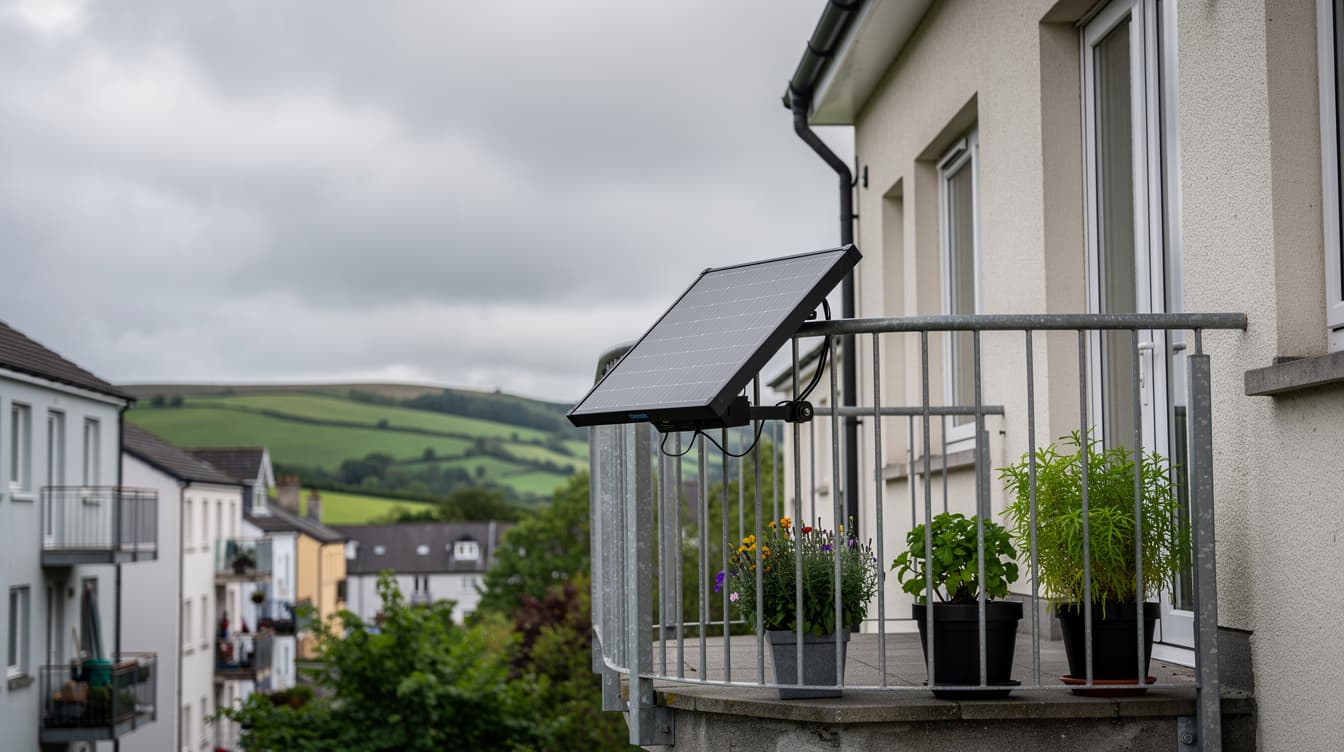
Plug-In Solar Panels Ireland: Complete Guide to Balcony & Portable Solar in 2026
Plug-in solar panels – also called balcony solar or micro-solar systems – are the fastest-growing segment of the European solar market. In Germany alone, over 1.5 million balcony systems were registered by the end of 2025. Here in Ireland, interest is surging thanks to Lidl’s announcement, the Energy Minister’s support, and electricity prices that still hover around 35–42 cent per kWh.
But can you actually buy one, plug it in, and start saving? The answer is more nuanced than the headlines suggest. This guide covers everything: what plug-in solar panels are, what they cost, the legal situation in Ireland as of July 2026, and whether they’re worth it for your home or apartment.
📅 July 2026 snapshot
- Lidl plug-in kits confirmed as a rotating “Middle Aisle” item at Irish stores — €149 for a 300W unit, restocked twice in summer 2026. Sells out inside 48 hours.
- CRU consultation on domestic plug-in solar closed 27 June 2026. Legal clarity expected before autumn — likely to legitimise sub-800W units with a simplified installer sign-off rather than a full NC6.
- Electricity prices holding at 38–42c/kWh peak across every major Irish supplier, keeping payback on a 300W kit under 3 years for daytime-active households.
- New: standardised Type 2 plug-in kits from GivEnergy and Sigenergy started shipping in Ireland in June 2026, with 800W micro-inverters that comply with the draft CRU spec.
What Exactly Are Plug-In Solar Panels?
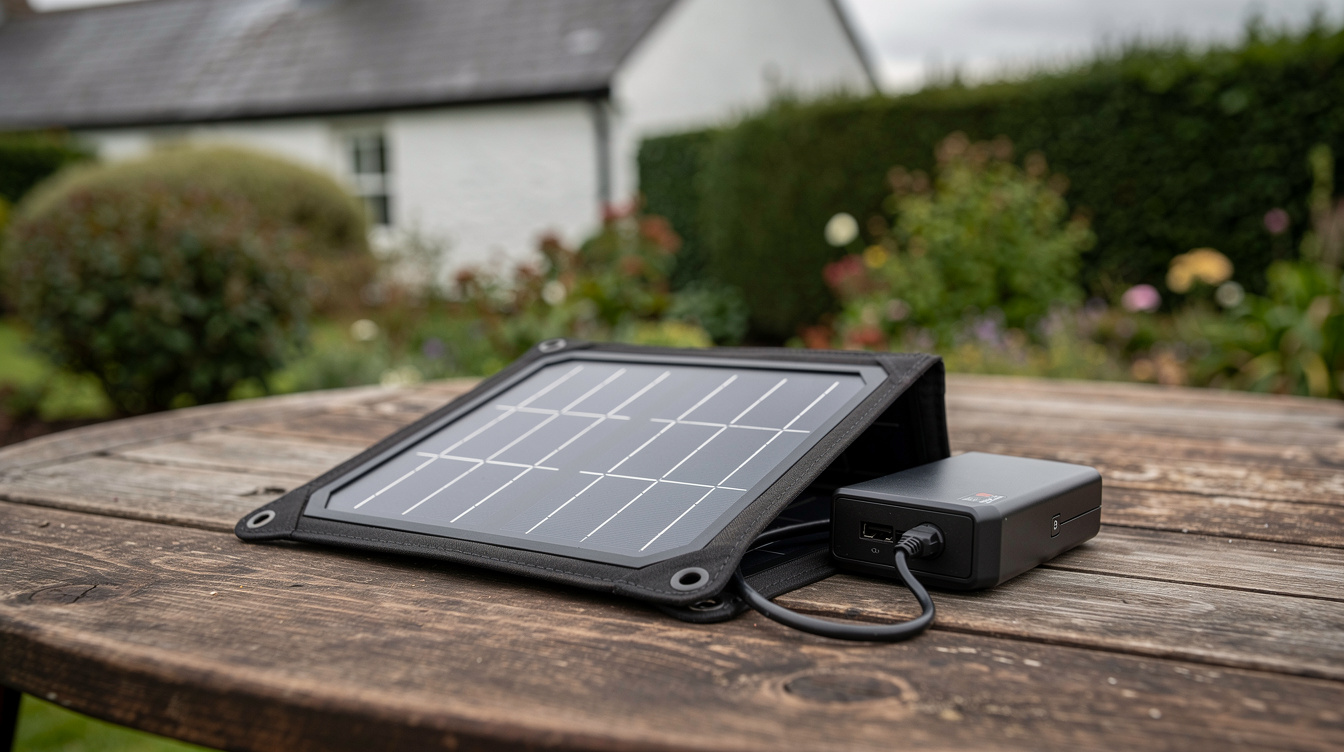
A plug-in solar panel system is a small, self-contained solar setup – typically one or two panels (300–800W total) paired with a micro-inverter. Unlike a full rooftop installation that costs €6,000–€12,000, these compact kits are designed for renters, apartment dwellers, and anyone who wants a low-commitment entry into solar energy.
The concept is simple: mount the panel on a balcony railing, garden wall, or flat surface. The micro-inverter converts DC to AC, and you connect it to your home’s electrical system. The energy feeds directly into your household circuit, offsetting whatever appliances are running at that moment.
| Feature | Plug-In Solar | Full Rooftop System |
|---|---|---|
| Typical size | 300–800W | 3–6 kW |
| Cost (before grants) | €300–€700 | €6,000–€12,000 |
| Annual output (Ireland) | 250–650 kWh | 2,800–5,500 kWh |
| Annual savings | €90–€230 | €800–€1,800 |
| Installation | DIY-friendly (with caveats) | Professional only |
| SEAI grant eligible? | No (currently) | Yes – up to €1,800 |
| Payback period | 2–5 years | 4–7 years (after grant) |
The Legal Situation in Ireland (May 2026)
This is where it gets complicated – and where most online guides get it wrong. Here’s the actual position as of May 2026:
You cannot legally plug a solar panel into a standard wall socket in Ireland. Unlike Germany (where it’s been legal since 2023) or the UK (which legalised plug-in solar from 1 June 2026), Ireland’s electrical regulations still require that any solar system connected to the grid must be:
- Installed or signed off by a Safe Electric registered electrician
- Registered with ESB Networks via an NC6 form
- Compliant with IS 10101 (the Irish wiring regulations) and EN 50549
Simply buying a panel and plugging it into a socket – even with a micro-inverter – is technically a breach of ESB Networks regulations. It could void your home insurance and, in a worst case, create a safety hazard.
But change is coming
On 23 April 2026, Energy Minister Darragh O’Brien told the Dáil he is “very open” to legalising plug-in solar panels in Ireland. The UK legalised plug-in solar from June 2026, adding significant pressure on Ireland to follow suit. Industry groups like Solar Energy Ireland are actively lobbying for regulatory reform, and the CRU (Commission for Regulation of Utilities) is expected to issue guidance later this year.
Realistic timeline: If you’re hoping to legally plug in a panel without an electrician, expect late 2026 or early 2027 at the earliest. Until then, you can still use plug-in solar – you just need to do it through the proper channels.
How to Legally Use Plug-In Solar Panels in Ireland Right Now
Even though “true” plug-and-play isn’t legal yet, there’s a perfectly legal route:
- Buy your kit – Choose an 800W or smaller system with a certified micro-inverter (more on this below)
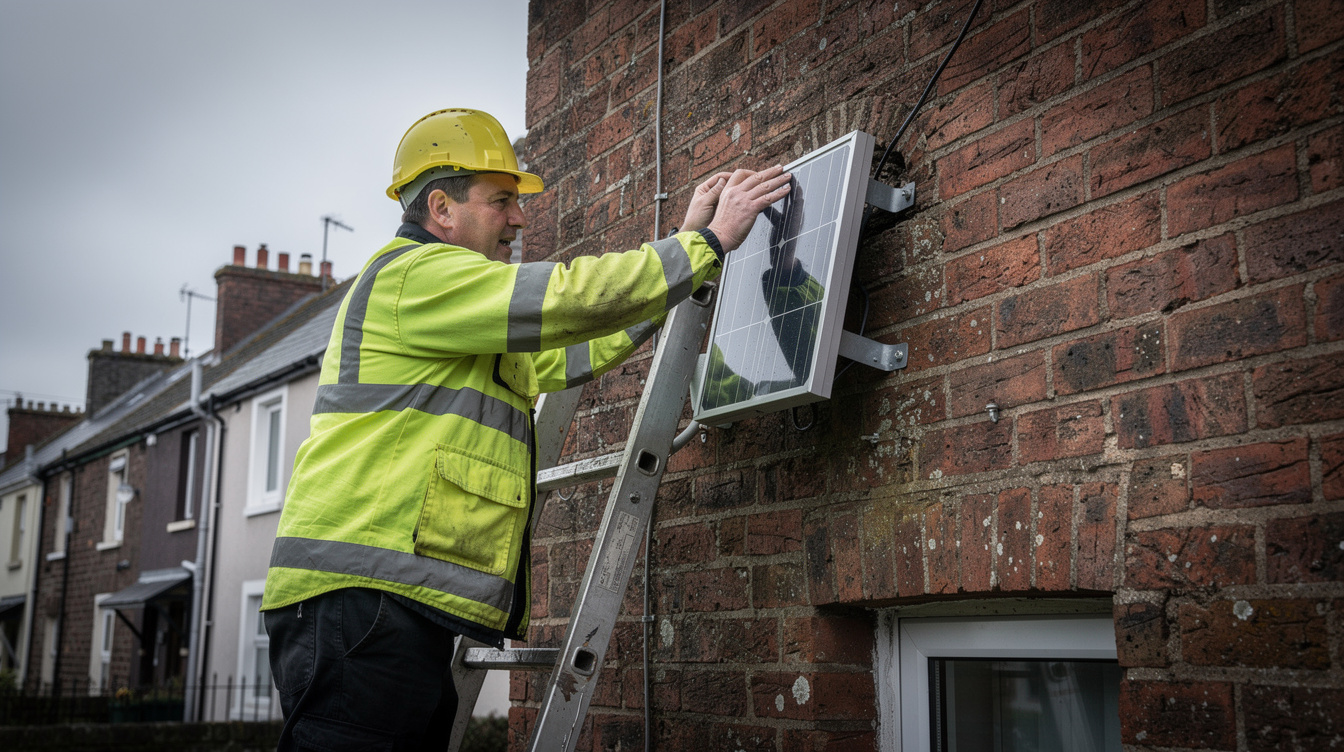
- Hire a Safe Electric registered electrician – They’ll install a dedicated circuit and ensure everything meets IS 10101
- Register with ESB Networks – Your electrician submits the NC6 form. This is free and usually takes 2–4 weeks
- Start generating – Once registered, your system is fully legal and insured
The electrician visit typically costs €200–€400, depending on your location and fuse board condition. It’s an extra cost, but it keeps you on the right side of the law and your insurance policy.
Thinking About a Full Rooftop System Instead?
Get up to €1,800 in SEAI grants and save €800–€1,800 per year on electricity.
Best Plug-In Solar Panel Kits Available in Ireland
You can’t walk into a Lidl in Tallaght and buy one just yet (though that may change – see below). But several reputable kits are available to buy online and ship to Ireland right now:
| Kit | Power | Price (approx.) | Best For |
|---|---|---|---|
| APsystems EZ1 800W Kit | 800W | €550–€650 | Best overall – great app monitoring |
| Deye SUN600G3 Kit | 600W | €350–€450 | Budget-friendly, built-in WiFi |
| Hoymiles HMS-800 Kit | 800W | €500–€600 | Reliable, widely available |
| Wind & Sun 800W System | 800W | €600–€750 | Irish supplier, includes mounting |
A note on the Lidl kits: In March 2026, Bloomberg reported that Lidl and Amazon will sell plug-in solar panels in the UK this summer at around £400 (€470). Lidl Ireland has confirmed they’re aware of the demand (they responded to a customer on X saying they’ve “passed the interest to our Buying Team”), but there’s no confirmed Irish launch date yet. If they do launch here, expect it after Irish regulations are updated.
How Much Can You Actually Save?
Let’s run the numbers for an 800W system on a south-facing balcony in Dublin, assuming Ireland’s average of 950–1,100 peak sun hours per year:
- Annual generation: ~550–650 kWh (accounting for shading, angle, Irish weather)
- Self-consumption rate: ~70–85% (most of what you generate gets used immediately)
- Electricity price: 38c/kWh (average unit rate, May 2026)
- Annual savings: €145–€210
- Total cost (kit + electrician): €750–€1,050
- Payback period: 3.5–5.5 years
After payback, that’s essentially free electricity for the remaining 20+ years of the panel’s lifespan. Not bad for a €700 investment.
Important caveat: These savings assume daytime usage. If you’re out at work all day and only use electricity in the evening, your self-consumption drops to 30–40%, roughly halving your savings. Running a timer on your washing machine, dishwasher, or immersion during daylight hours makes a big difference.
Plug-In Solar for Renters and Apartment Dwellers
This is the group that stands to benefit most – and faces the most obstacles. Here’s a practical checklist:
Before you buy:
- Get written permission from your landlord or management company (email is fine)
- Check your apartment’s fuse board – older boards may need an upgrade (€800–€1,500)
- Confirm your balcony faces south, south-east, or south-west – a north-facing balcony won’t generate enough to justify the cost
- Check building bylaws – some complexes restrict external modifications
Mounting options for balconies:
- Railing mount: Most popular. Clamps to the balcony railing at a 20–30° angle. No drilling required
- Wall mount: Fixed brackets on the external wall. Requires drilling (needs landlord permission)
- Freestanding: Weighted frame sits on the balcony floor. Heaviest option but zero modifications needed
Ready to Go Solar?
Get your free personalised quote from SEAI-registered installers.
Plug-In Solar vs Full Rooftop: Which Makes Sense for You?
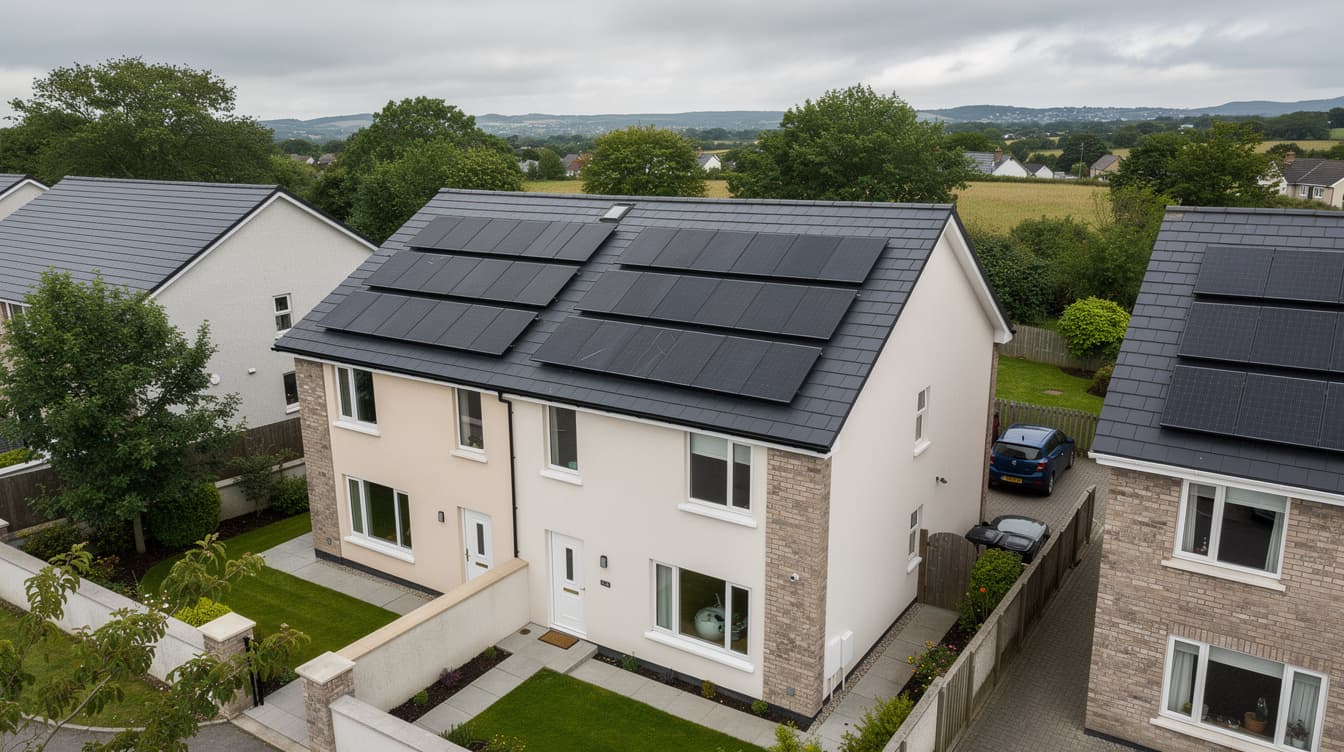
If you own your home and have a suitable roof, a full rooftop system is almost always the better investment. The SEAI grant knocks €1,800 off the price, you can sell excess back to the grid via the Clean Export Guarantee (around 18–24c/kWh), and the savings are dramatically higher.
Plug-in solar makes sense when:
- You rent and can’t install a rooftop system
- You live in an apartment with no roof access
- You want a low-risk trial before committing to a full installation
- You’re in a listed building where rooftop planning permission is difficult
- You have a small budget (€500–€800) and want immediate savings
For homeowners who can afford it, use our solar panel calculator to see what a full system would save you. The difference is substantial – typically €800–€1,800 per year vs €150–€200 for plug-in.
What to Look for When Buying a Plug-In Kit
Not all kits are created equal. Here’s what matters:
- Micro-inverter certification: Must comply with EN 50549 and carry a CE mark. The inverter is the safety-critical component – don’t buy cheap unbranded ones from marketplace sellers
- AC output limit: 600W is the sweet spot for single-phase homes in Ireland. 800W systems work too but check with your electrician
- Monitoring: WiFi-enabled inverters with an app (like APsystems or Deye) let you track generation in real time. This isn’t just nice to have – it helps you shift usage to peak generation hours
- Panel type: Monocrystalline panels perform better in Ireland’s diffuse light conditions. Avoid cheap polycrystalline panels
- Warranty: Look for 12+ years on the inverter and 25+ years on panels
- Mounting hardware: Confirm it includes whatever mount type you need (railing, wall, or ground)
Frequently Asked Questions
Can I just plug a solar panel into a socket without telling anyone?
Technically some people do, but it’s not legal in Ireland as of May 2026. You risk voiding your home insurance, and if something goes wrong electrically, you could be liable. The proper route (electrician + NC6 registration) costs €200–€400 extra and protects you.
Do plug-in panels work in Irish weather?
Yes. Modern panels generate electricity from daylight, not direct sunshine. An 800W system in Dublin will produce around 550–650 kWh per year. That’s less than the 750–900 kWh you’d get in southern Spain, but more than enough to pay for itself within 4–5 years.
Will Lidl sell plug-in solar panels in Ireland?
There’s no confirmed date yet. Lidl Ireland has acknowledged customer demand but says it depends on regulatory changes. If the UK launch goes ahead in summer 2026, Ireland could follow by late 2026 or early 2027.
Can I get an SEAI grant for a plug-in system?
Not currently. The SEAI Solar PV grant (up to €1,800) requires professional installation by an SEAI-registered contractor, a BER assessment, and a home built before 2021. Plug-in kits don’t qualify. However, if regulations change to accommodate plug-in solar, grant eligibility may be revisited.
Can I take a plug-in system with me when I move?
Yes – that’s one of the biggest advantages. Unlike a rooftop system, a balcony or portable kit can be unclipped and moved to your next home. You’ll just need a new electrician sign-off at the new address.
Want to Compare Your Options?
Use our free calculator to see if a full rooftop system or plug-in setup is right for your home.
Related Articles
Solar Panel System Cost by Number of Panels Ireland 2026: 8, 12, 14, 20, 24 Panel Prices
What 8, 12, 14, 16, 20 or 24 solar panels actually cost in Ireland 2026 — net after €1,800 SEAI grant & 0% VAT, output kWh, roof area & battery add-ons.
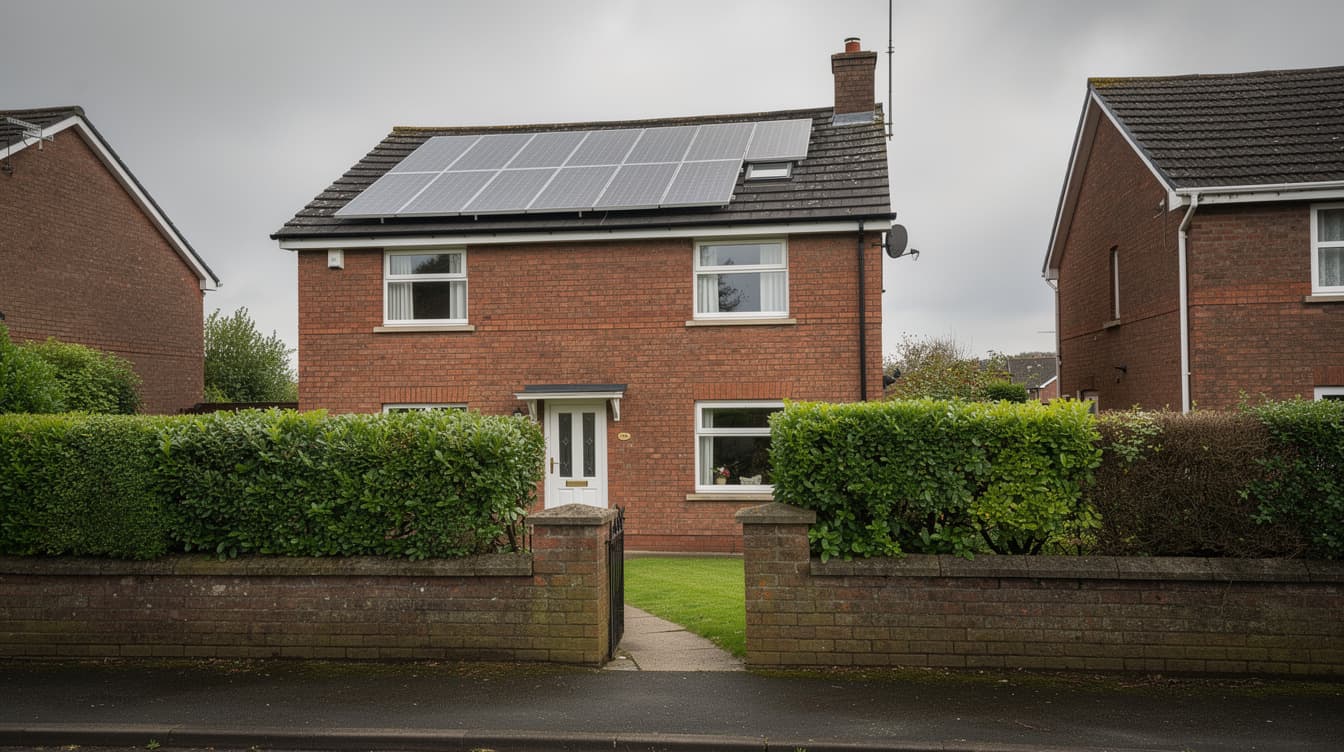
4kW Solar System Cost Ireland 2026: Real Prices, Output & Payback
Real 2026 Irish 4kW quotes (€7,210 gross, €5,410 net after €1,800 SEAI grant), 3,600–4,200 kWh/yr output, 4.8yr payback and when 4kW beats 3kW or 5kW.
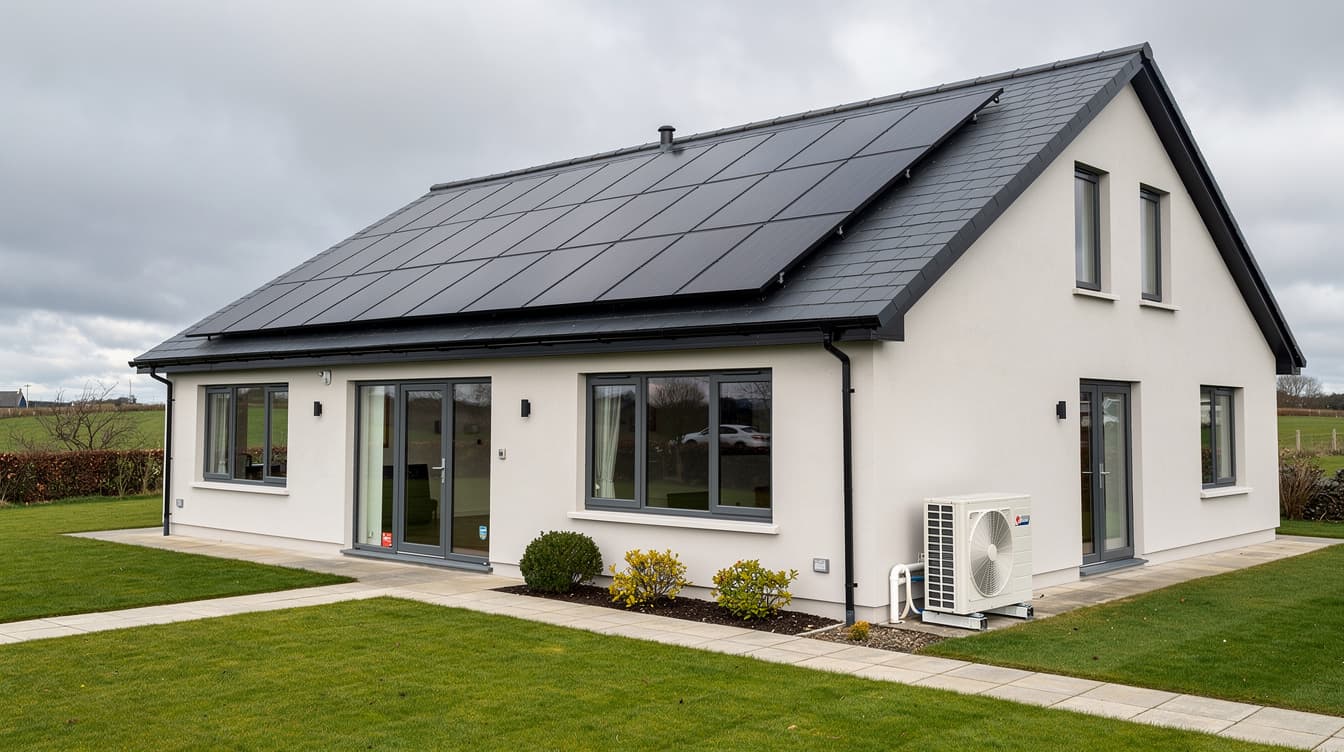
10kW Solar System Cost Ireland 2026: Price, Output & When It’s Worth It
Real 2026 Irish installer prices for a 10kW solar system (€14,300 gross – €1,800 SEAI grant), three-phase rules, expected output and when 10kW beats 6kW.