
Best Solar Batteries Ireland 2026: Huawei, Tesla, GivEnergy & More Compared
Best Solar Batteries Ireland 2026: Huawei, Tesla, GivEnergy & More Compared
Choosing a solar battery in Ireland used to be simple — there were only two options. In 2026, there are at least six serious contenders. This guide compares every major brand available from Irish installers, with real prices, specs, and honest advice on which one suits your home.
A solar battery stores the excess electricity your panels generate during the day so you can use it in the evening instead of buying from the grid at €0.28–€0.35 per kWh. Without a battery, you export that surplus for just €0.09–€0.12/kWh under the Clean Export Guarantee. The maths is simple: every kWh you store and use yourself saves you roughly €0.20–€0.25 compared to exporting it.
But which battery should you actually buy? Prices range from €4,500 to €15,000, capacities from 5 kWh to 30 kWh, and some offer full home backup while others only cover essentials. This guide cuts through the marketing.
What changed in mid-2026: Tesla Powerwall 3 supply has stabilised after the 2024 backlog — Irish installers can now quote a 6–10 week install window rather than 4–6 months. Huawei Luna2000 S1 has become the default modular pick for most SEAI-registered installers (3.6–36 kWh stackable). GivEnergy raised its workmanship warranty to 12 years across the Gen 3 range. The 0% residential VAT on PV-paired batteries remains in force to 31 March 2027 — standalone retrofits without PV still attract 23% VAT.
Quick Comparison: Every Major Battery in Ireland
Here are the six batteries you will actually be offered by Irish installers in 2026:
| Battery | Capacity | Price (Installed) | Warranty | Backup Power | Best For |
|---|---|---|---|---|---|
| Huawei Luna2000 | 5 / 10 / 15 kWh | €4,500–€10,500 | 10 years | Essential circuits only | Most homes (best value + compatibility) |
| Tesla Powerwall 3 | 13.5 kWh | €9,000–€12,000 | 10 years | Whole-home (11.5 kW) | Full backup power + large homes |
| GivEnergy 9.5 kWh | 9.5 kWh | €5,500–€7,000 | 12 years | Essential circuits | Best value per kWh |
| BYD Battery-Box HVS | 5.1 / 7.7 / 10.2 / 12.8 kWh | €5,000–€9,000 | 10 years | Depends on inverter | Flexibility + multi-inverter compatibility |
| Sonnen | 5.5 / 11 / 16.5 / 22 kWh | €8,000–€16,000 | 10 years | Full backup available | Premium all-in-one systems |
| SolarEdge Home Battery | 9.7 kWh | €6,500–€8,500 | 10 years | Essential circuits | Homes with SolarEdge inverters |
The short answer: If your installer uses Huawei inverters (most in Ireland do), the Huawei Luna2000 is the default choice — it plugs straight in with no extra hardware. If you want whole-home backup power or have a large home, the Tesla Powerwall 3 is the premium option. For the best value per kWh stored, GivEnergy is hard to beat.
Ready to Go Solar?
Get your free personalised quote from SEAI-registered installers.
Huawei Luna2000: The Most Popular Battery in Ireland
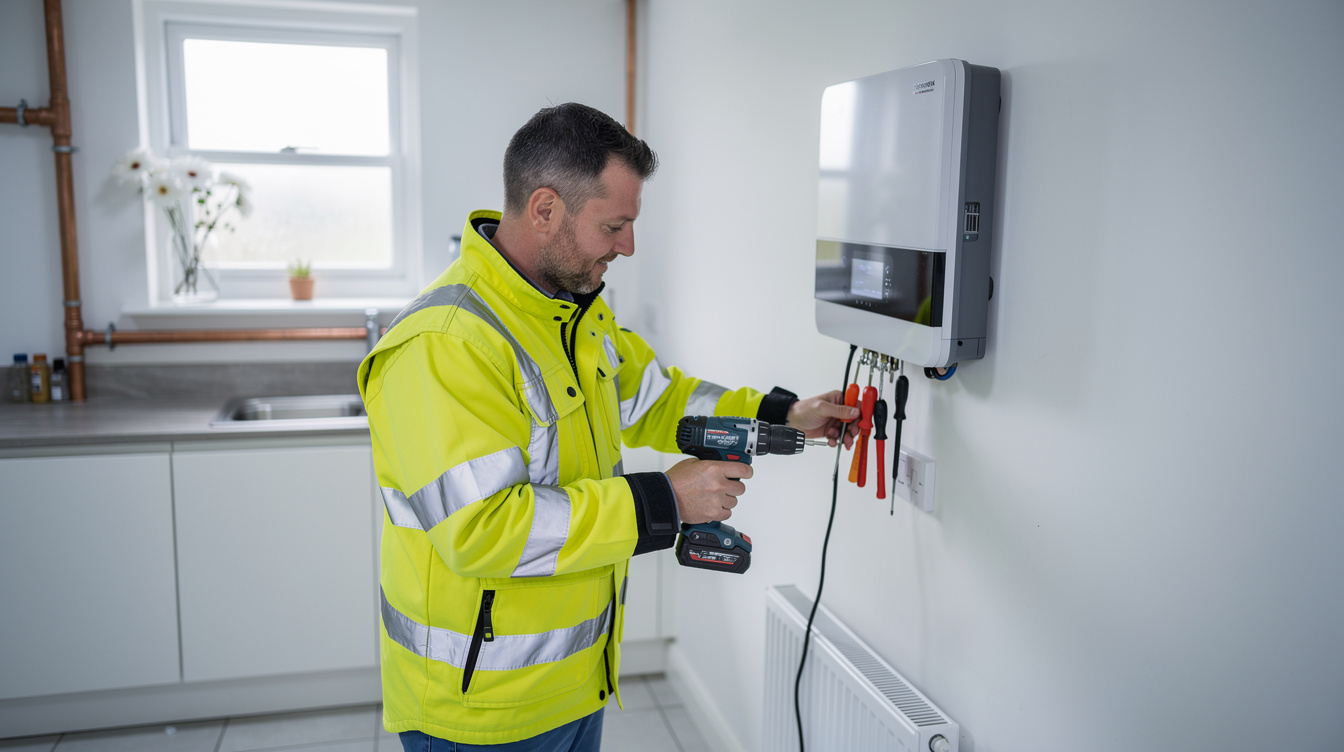
The Huawei Luna2000 dominates the Irish market for one simple reason: most Irish solar installers already use Huawei hybrid inverters (the SUN2000 series). If you have a Huawei inverter, the Luna battery plugs directly into it with no additional hardware, no gateway box, and minimal extra wiring. This makes installation faster, cheaper, and cleaner.
Huawei Luna2000 at a Glance
| Capacity options | 5 / 10 / 15 kWh (stackable to 30 kWh) |
| Chemistry | LiFePO4 (LFP) |
| Depth of discharge | 100% |
| Output power | 2.5–5.0 kW (depends on modules) |
| Warranty | 10 years |
| IP rating | IP66 (indoor or outdoor) |
| Price installed (Ireland) | €4,500–€10,500 |
Pros: Best compatibility with Irish installations, modular (add 5 kWh at a time), IP66 rated so it can go outdoors, competitive pricing.
Cons: Output power is limited to 2.5–5 kW — fine for daily cycling but cannot power your whole house during an outage. Backup capability covers essential circuits only.
Our take: The Luna2000 is the right choice for 70%+ of Irish homes adding a battery. If your installer uses Huawei, start here.
Tesla Powerwall 3: The Whole-Home Backup Champion
The Tesla Powerwall 3 is a different beast. At 13.5 kWh with an 11.5 kW continuous output, it can power your entire house during a grid outage — lights, heating, cooker, even an EV charger. No other battery in this price range comes close on backup power.
Tesla Powerwall 3 at a Glance
| Capacity | 13.5 kWh (stackable to 54 kWh) |
| Chemistry | LFP (Lithium Iron Phosphate) |
| Continuous output | 11.5 kW |
| Round-trip efficiency | 97.5% |
| Built-in solar inverter | Yes (11.5 kW) |
| Warranty | 10 years |
| Storm Watch | Yes (auto-charges before storms) |
| Price installed (Ireland) | €9,000–€12,000 |
Pros: Whole-home backup (11.5 kW output), built-in solar inverter, Storm Watch for Irish winter storms, sleek design, Tesla app monitoring.
Cons: €2,000–€4,000 more expensive than Huawei or GivEnergy for similar storage capacity. Fewer installers offer it in Ireland. Fixed 13.5 kWh — not modular in the way Huawei is.
Our take: If backup power during outages matters to you (rural Ireland, storm-prone areas), or if you want the best-in-class product regardless of price, the Powerwall 3 is excellent. For more detail, see our complete Tesla Powerwall Ireland guide.
GivEnergy 9.5 kWh: Best Value Per Kilowatt-Hour
GivEnergy has rapidly grown in the Irish and UK markets by offering a compelling combination: large capacity, competitive pricing, and a longer-than-average warranty.
GivEnergy 9.5 kWh (Gen 3) at a Glance
| Capacity | 9.5 kWh |
| Chemistry | LiFePO4 (LFP) |
| Depth of discharge | 100% |
| Weight | 110 kg |
| Warranty | 12 years |
| Price installed (Ireland) | €5,500–€7,000 |
Pros: 12-year warranty (longest of any major brand), 100% depth of discharge, competitive pricing at roughly €580–€740 per usable kWh installed, all-in-one options available.
Cons: Requires a GivEnergy inverter (not compatible with Huawei systems without additional hardware). Heavier than modular alternatives. Less widespread in Ireland than Huawei.
Our take: If your installer offers GivEnergy and you are not locked into a Huawei ecosystem, this is the value champion. The 12-year warranty and 100% DoD are standout features.
BYD Battery-Box HVS: The Flexible Multi-Inverter Option
BYD is one of the world’s largest battery manufacturers, and their Battery-Box HVS is designed to work with almost any hybrid inverter — Solis, SMA, GoodWe, and more. This makes it a popular choice when your installer does not use Huawei.
BYD Battery-Box HVS at a Glance
| Capacity options | 5.1 / 7.7 / 10.2 / 12.8 kWh |
| Chemistry | LFP (Lithium Iron Phosphate) |
| Compatible inverters | Solis, SMA, GoodWe, Fronius |
| Warranty | 10 years |
| Price installed (Ireland) | €5,000–€9,000 |
Pros: Works with the widest range of inverters, modular design, proven global track record, competitive pricing.
Cons: Backup capability depends entirely on the inverter it is paired with. Not as plug-and-play as Huawei’s ecosystem.
Ready to Go Solar?
Get your free personalised quote from SEAI-registered installers.
What Does a Solar Battery Actually Cost in Ireland?
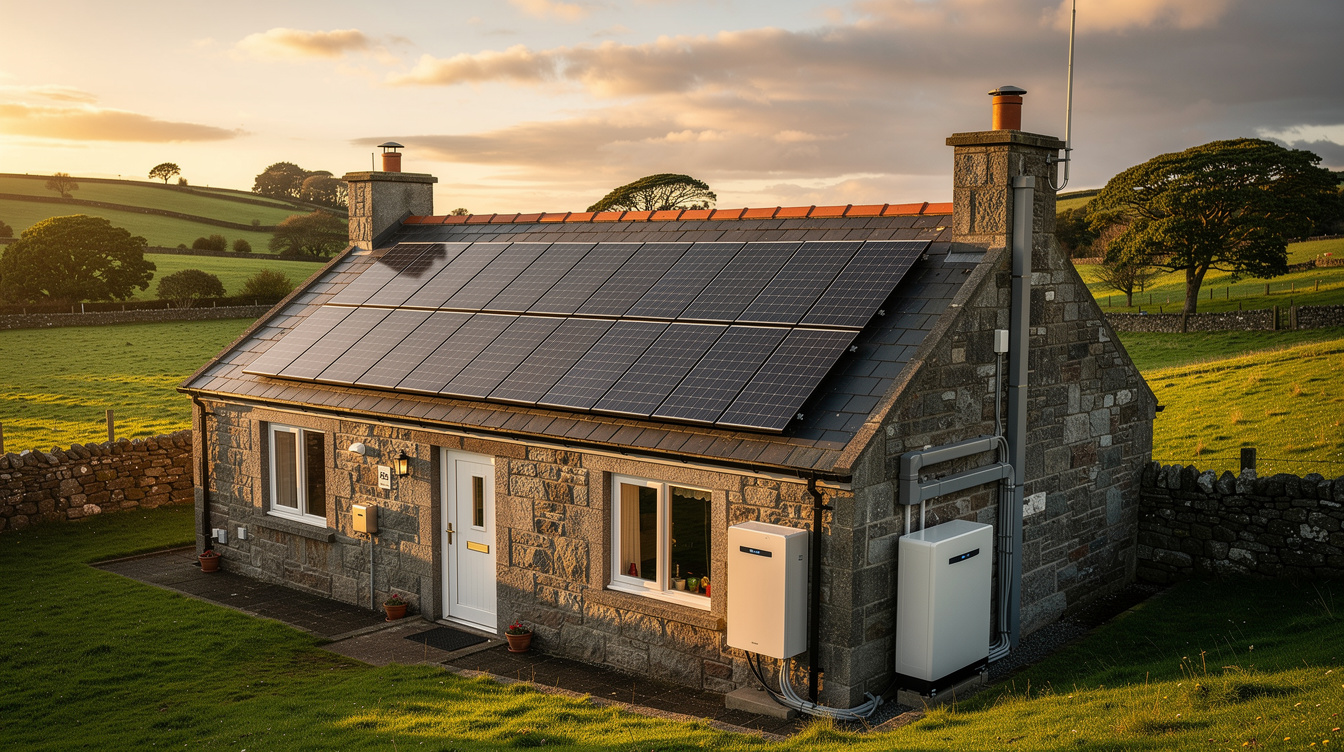
Battery prices in Ireland in 2026 vary significantly by brand and capacity. Here is a realistic cost overview:
| Capacity | Budget Option | Mid-Range | Premium |
|---|---|---|---|
| 5 kWh | €4,500–€5,000 | €5,000–€5,500 | €5,500–€6,500 |
| 9–10 kWh | €5,500–€6,500 | €6,500–€8,000 | €8,000–€9,500 |
| 13–15 kWh | €8,500–€10,000 | €10,000–€12,000 | €12,000–€15,000 |
These prices include the battery, any required gateway or interface hardware, installation labour, and commissioning. They do not include the solar panels themselves.
The Critical VAT Rule
Batteries qualify for 0% VAT only when supplied and installed at the same time as solar panels on a qualifying residential property. If you add a battery later as a standalone retrofit, you pay 23% VAT. On a €7,000 battery, that is an extra €1,610.
This is the single biggest reason to install solar panels and a battery together if you are even considering storage. The VAT saving alone can cover 20–25% of the battery cost.
What Size Battery Do You Need?
The right battery size depends on how much solar you export and how much you use in the evening. Here is a practical sizing guide:
| Solar System | Typical Daily Export | Recommended Battery | Evening Coverage |
|---|---|---|---|
| 3.5 kWp (8 panels) | 5–8 kWh in summer | 5 kWh | Covers most evening usage |
| 4.4–5.3 kWp (10–12 panels) | 8–14 kWh in summer | 5–10 kWh | Full evening, partial overnight |
| 6–8 kWp (14–18 panels) | 12–22 kWh in summer | 10–15 kWh | Full evening + overnight |
Rule of thumb: Match your battery capacity to roughly 50–70% of your daily solar export in summer. Oversizing wastes money because in winter there is not enough excess solar to fill a large battery anyway.
A 5 kWh battery is the sweet spot for most 10-panel systems. It captures the majority of your excess without sitting half-empty for 6 months of the year.
Is a Solar Battery Worth It Financially?
Let us be honest: batteries are the slowest-payback part of a solar system. But the numbers have improved significantly in 2026.
Example: 5 kWh Huawei Luna2000, installed with solar panels (0% VAT)
| Cost installed | €4,500 |
| Daily cycles (average) | 1 full cycle (5 kWh) |
| Value per cycle | 5 kWh × €0.22 saved = €1.10/day |
| Annual savings | ~300 usable cycles × €1.10 = €330/year |
| Payback period | 13–14 years |
A 13–14 year payback on a 10-year warranty is not brilliant. But consider this:
- Electricity prices may rise — if your tariff increases from €0.30 to €0.38/kWh (which it did between 2022 and 2024), payback drops to 9–10 years.
- Time-of-use tariffs — some suppliers charge €0.38+ in peak hours and €0.15 off-peak. A battery lets you avoid the peak rate entirely, boosting savings to €450–€550/year.
- Backup power has value — if you work from home or live in a rural area with frequent outages, a battery is practical insurance.
- 0% VAT now vs 23% later — installing with solar saves €1,000+ on VAT.
For a deeper financial analysis, see our complete battery ROI guide.
Which Battery Should You Choose?
Here is our decision framework for Irish homeowners in 2026:
Your installer uses Huawei inverters → Huawei Luna2000
The path of least resistance. Best compatibility, clean installation, proven reliability.
You want whole-home backup power → Tesla Powerwall 3
The only battery with 11.5 kW output. Powers everything, not just lights and fridge.
Budget is the priority → GivEnergy 9.5 kWh
Most storage per euro, plus a 12-year warranty. Ask your installer if they carry it.
Your installer uses Solis, SMA, or GoodWe → BYD Battery-Box
The most inverter-compatible battery on the market. Reliable global brand.
You already have SolarEdge panels → SolarEdge Home Battery
Designed for the SolarEdge ecosystem. Seamless integration if you are already in it.
More solar reading for Irish homeowners
Pair this with panels & design
- Best Solar Panels Ireland 2026 — 8 brands ranked & compared
- Solar Battery Storage Ireland 2026 — costs, brands, and whether it is worth it
- Clean Export Guarantee Ireland 2026 — how export tariffs change the battery maths
- CEG Rates by Supplier 2026 — supplier-by-supplier export tariff league table
Picking an installer in your county
- Top 10 Solar Companies in Ireland 2026 — the honest national framework
- Top 5 Solar Companies in Dublin 2026
- Top 5 Solar Companies in Cork 2026
- Top 5 Solar Companies in Galway 2026
- Top 5 Solar Companies in Limerick 2026
- Top 5 Solar Companies in Waterford 2026
- Top 5 Solar Companies in Belfast 2026 (NI)
County costs & SEAI grant maths
The most important thing: ask your installer what they recommend and support. A battery that your installer knows inside-out, can maintain, and will honour the warranty on is worth more than the theoretically “best” battery they have never installed before.
Ready to Go Solar?
Get your free personalised quote from SEAI-registered installers.
Frequently Asked Questions
Can I add a battery to existing solar panels?
Yes. Most batteries can be retrofitted to an existing solar system. However, you will pay 23% VAT on a standalone battery installation (vs 0% VAT when installed with new solar panels). You may also need a hybrid inverter upgrade if your current inverter is not battery-compatible.
How long do solar batteries last?
All major brands use LiFePO4 (LFP) chemistry, which is rated for 6,000–10,000 cycles. With one cycle per day, that is 16–27 years of use. Warranties cover 10–12 years, but the battery should last well beyond that.
Is there an SEAI grant for batteries?
There is no standalone SEAI grant specifically for batteries in 2026. However, batteries benefit from 0% VAT when installed with solar panels. The SEAI solar PV grant (up to €1,800) covers the panels, and the zero-VAT saving on the battery is effectively your incentive.
Where is the battery installed?
Most batteries are wall-mounted in a garage, utility room, or hot press. The Huawei Luna2000 and Tesla Powerwall 3 are both IP66 rated, meaning they can also be installed outdoors on an exterior wall. Your installer will recommend the best location based on your home layout.
Can I use a battery without solar panels?
Technically yes — you can charge from cheap night-rate electricity and discharge during peak hours. But without solar panels, you lose the 0% VAT benefit and the savings are much smaller. Batteries make the most financial sense when paired with solar.
Related Articles
Solar Battery Sizing Ireland 2026: 5kWh vs 10kWh vs 15kWh Framework
How to size a home solar battery in Ireland 2026. Real payback maths for 5, 10, 15 kWh options, the evening-kWh rule, and the mistakes that cost you thousands.
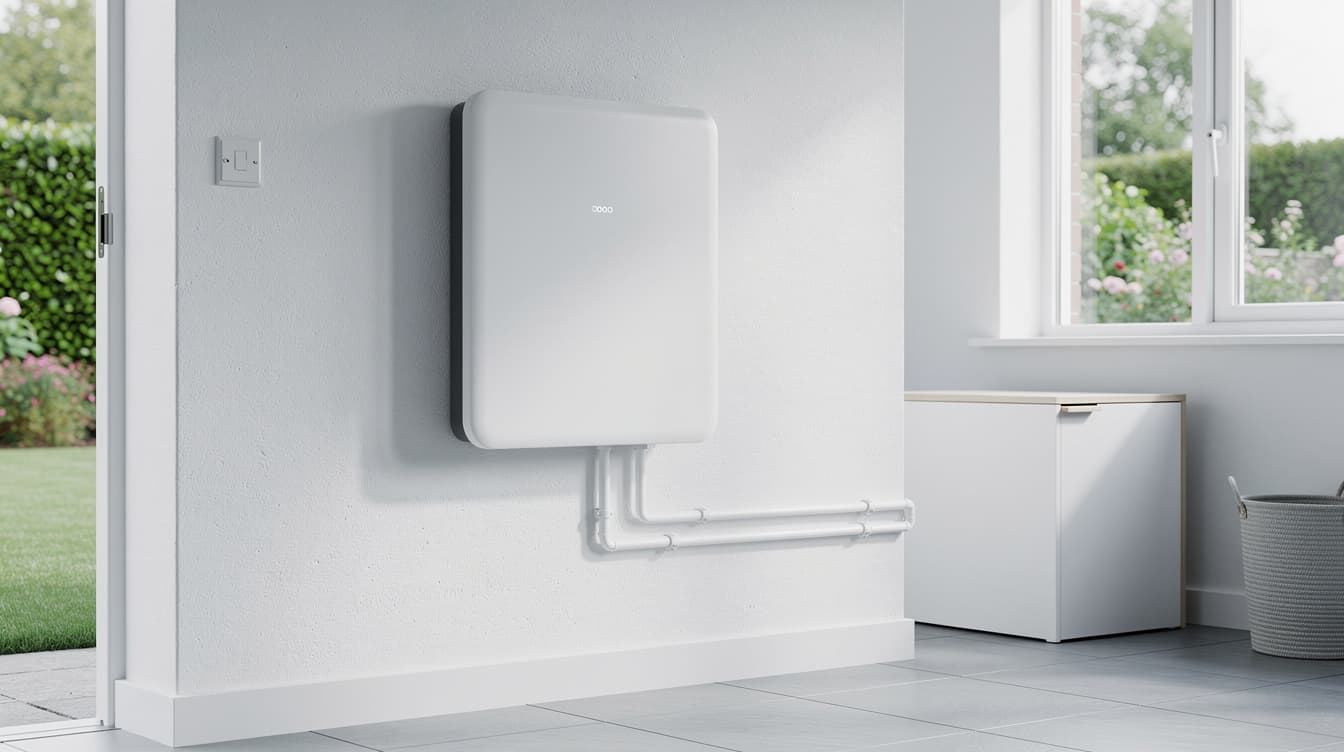
Solar Battery Brands Ireland 2026: Tesla Powerwall 3 vs BYD vs Pylontech vs Sigenergy vs Sunsynk Compared
Compare Tesla Powerwall 3, BYD, Pylontech Force H2, Sigenergy and Sunsynk for Irish homes in 2026: installed prices, warranties, cycle counts, backup and V2G.
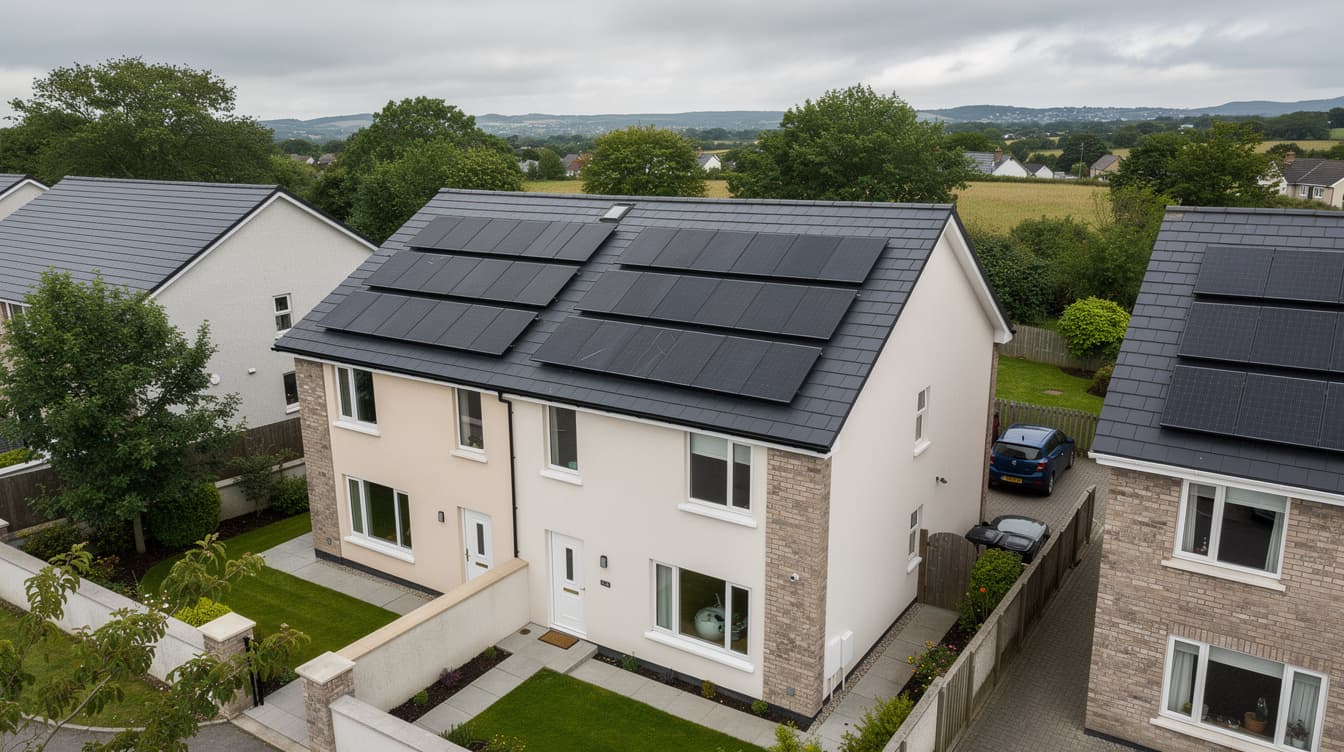
Solar Panel System Cost by Number of Panels Ireland 2026: 8, 12, 14, 20, 24 Panel Prices
What 8, 12, 14, 16, 20 or 24 solar panels actually cost in Ireland 2026 — net after €1,800 SEAI grant & 0% VAT, output kWh, roof area & battery add-ons.