
Solar Panels Meath 2026: Costs, Boyne Valley Planning, TAMS 3 & Installers
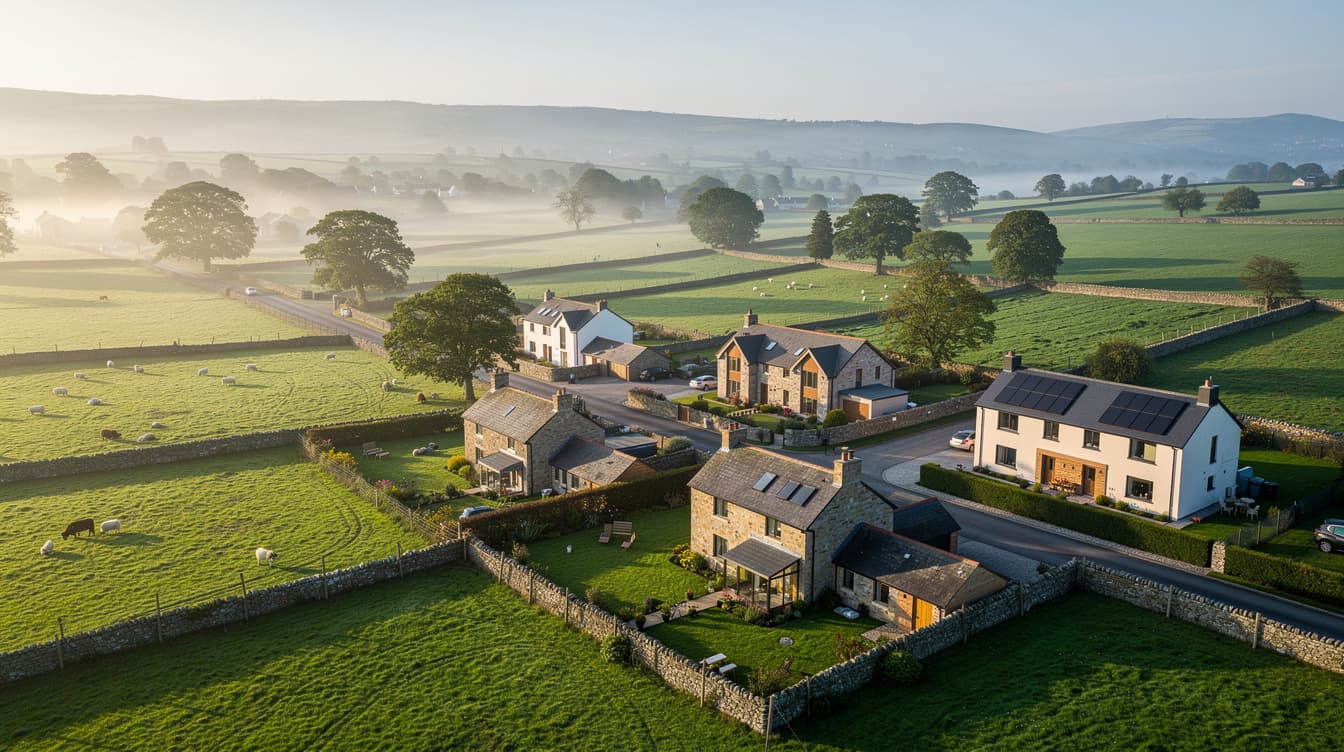
Meath is the second-fastest growing county in Ireland and a study in contrasts when it comes to solar. East Meath — Ashbourne, Ratoath, Dunshaughlin, Dunboyne, Stamullen — is suburban commuter belt that behaves almost identically to north Kildare. North and west Meath — Kells, Athboy, Oldcastle, Trim hinterland — is some of the most productive mixed dairy and tillage land in the country. The Boyne Valley itself — Newgrange, Tara, Trim Castle, Slane — is a working heritage landscape where solar planning gets nuanced fast.
The result: solar in Meath is almost always a strong economic case, but the planning conversation varies more by area than it does in most counties. A 4kWp install on a standard Ashbourne semi pays back in ~6 years on a commuter household demand profile. A 12kWp TAMS-funded install on a north Meath dairy parlour pays back in well under 4. And a heritage cottage anywhere near the Boyne benefits from a 10-minute call to Meath County Council planning before any installer arrives.
Quick Answer: Solar Panels Meath 2026
A typical 4kWp Meath install costs €7,100–€8,700 before the SEAI grant. Net after €1,800 grant: ~€5,300–€6,900. Annual yield: ~3,780–3,920 kWh at Meath’s 945–980 kWh/kWp. Typical payback: 5.5–7 years for commuter homes, 3.5–4 years for TAMS-funded dairy farms.
Meath Solar Yield by Area in 2026
Meath shares the eastern dry-belt sun profile of Kildare and Dublin, with marginally lower yields in the rolling north of the county where mist-belt mornings cost a few percentage points. Yield variation across the county is small — what changes more is the planning environment.
| Area | Expected Yield (kWh/kWp/yr) | Notes |
|---|---|---|
| East Meath (Ashbourne, Ratoath, Dunshaughlin, Stamullen) | 965–980 | Best yields; flat, dry, suburban |
| Drogheda hinterland & coastal Meath | 960–975 | Stamullen, Bettystown edge — slight maritime cloud lift |
| Navan, Trim & central Meath | 955–975 | Largest population centres; standard installs |
| Boyne Valley & Slane area | 950–970 | Yield is fine; planning is the variable |
| Kells, Athboy, Oldcastle | 945–965 | Rural farming county; perfect for shed roofs |
| North-west Meath (Cavan border, hilly) | 935–955 | Some mist-belt loss; still strong overall |
Practical implication: a 4kWp install in Ashbourne generates ~3,890 kWh/year. The identical kit in Oldcastle generates ~3,790 kWh/year. The gap is roughly €30 a year — effectively irrelevant.
What Solar Panels Actually Cost in Meath (2026)
East Meath benefits from full Dublin installer market overlap — same prices as north Dublin, no travel surcharges. North and west Meath sit roughly 30–45 minutes from Dublin, which most national installers absorb without uplift. Kells and Oldcastle are the only parts of the county where you occasionally see a small (€150–€250) travel line item from Dublin-based firms.
| System Size | Before SEAI Grant | After €1,800 Grant | Typical Use Case |
|---|---|---|---|
| 2kWp (5 panels) | €4,300–€5,700 | €2,500–€3,900 | 2-bed semi, town centre apartment |
| 4kWp (10 panels) | €7,100–€8,700 | €5,300–€6,900 | Standard 3-bed Meath semi or new build |
| 6kWp (15 panels) | €9,500–€12,400 | €7,700–€10,600 | 4-bed detached, EV charging |
| 8kWp+ (20+ panels) | €12,300–€16,000 | €10,500–€14,200 | Large farmhouse, multi-let, 2 EVs |
| Battery (5kWh) | +€3,500–€4,800 | (no separate grant) | Essential for evening-peak commuter homes |
| Battery (10kWh) | +€5,800–€7,200 | (no separate grant) | EV households + heat pumps |
Meath-specific cost notes:
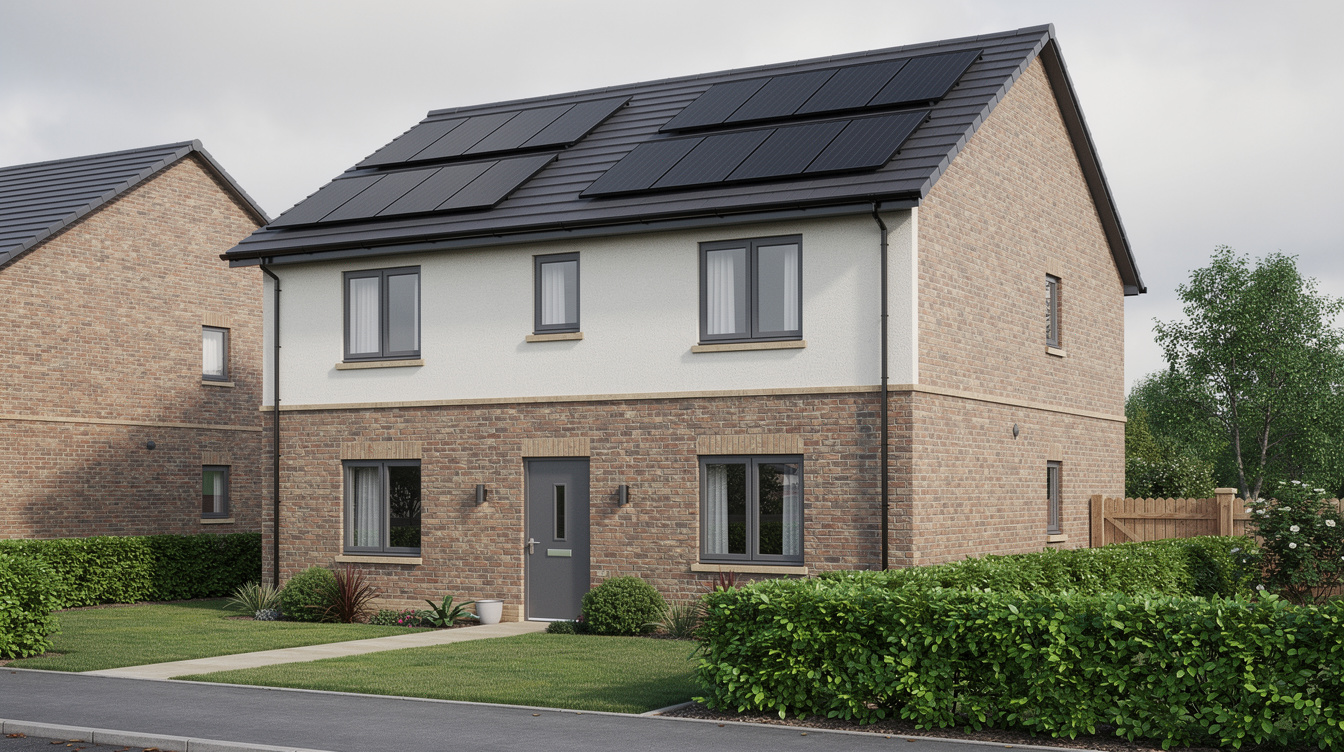
- New-build advantage. Meath has the most new-build housing of any county in Ireland (Ashbourne, Ratoath, Dunboyne and Navan especially). Steel-truss roofs and modern slating make installs 20–30% faster than on older stock.
- A-rated home pre-conduit. Several large Meath developers (especially in the Pace/Pelletstown corridor) pre-route solar conduit and leave a roof-side cable run. Check your build pack — it can save €200–€400.
- Stone-walled cottage surcharge. Older Meath stone cottages (north of Kells, around Slane) often need bespoke timber-batten through-fixings rather than standard roof hooks. Add €300–€500.
- ESB transformer capacity in growth villages. Some Stamullen, Ratoath and Dunshaughlin new estates are close to local transformer limits on the Clean Export Guarantee inverter declaration. Your installer should check NC6 capacity before quoting 6kWp+.
Compare Meath Solar Quotes Free
Tell us your Meath eircode — we’ll match you with 2–3 installers covering your area.
Boyne Valley, Tara & Trim — Planning Notes That Actually Matter
Most Meath solar installs are straightforward — the SI 235 exemption covers unlimited rooftop solar on residential dwellings with no planning permission required. The exceptions concentrate in five well-defined zones, all of which Meath County Council’s planning team will discuss informally before you commit:
Brú na Bóinne World Heritage Site (Newgrange, Knowth, Dowth). The protected buffer zone extends well beyond the visitor centre. Properties within the buffer face additional review for visible-from-public-view solar. Rear-elevation roof panels on standard residential dwellings are almost always approved; front-elevation visible panels need pre-application discussion.
Hill of Tara & Tara-Skryne Valley. Protected views from the Hill itself and the surrounding Tara-Skryne corridor mean that even neighbouring townlands can attract enforcement attention if a panel array is unusually visible. The council’s view is generally pragmatic — matt black panels on a domestic dwelling are usually fine. Reflective frameless designs are not.
Trim & the Trim ACA. Trim has one of the largest Architectural Conservation Areas in the country, covering most of the medieval town centre and the river corridor below the castle. Visible-from-street panels on heritage buildings in the ACA need planning. Most modern Trim estates outside the ACA are normal SI 235 territory.
Slane village & Slane Castle estate. Slane village centre is a designated ACA. Properties on the castle estate or with views from the N51 face additional scrutiny. Rear-roof and outbuilding installs are usually approvable.
Bective Abbey and other National Monuments. Properties immediately adjacent to recorded monuments need pre-application discussion. Most Meath farmhouses are not affected, but a small number of properties with archaeological sites in their fields face additional documentation requirements.
For Navan, Ashbourne, Ratoath, Dunshaughlin, Dunboyne, Kells residential, Athboy, Oldcastle and the vast majority of Meath properties: standard SI 235 applies. No planning enquiry needed. See our planning exemption guide for the details.
Meath Dairy & Tillage: TAMS 3 Solar Economics
Meath is one of Ireland’s most productive mixed-farming counties. Dairy is heavily concentrated in north and west Meath, with sizeable tillage acreage across the centre and east. The TAMS 3 Solar Capital Investment Scheme is the single most generous funding instrument available to Meath farmers in 2026:
- 60% grant rate for farmers under 40 (Young Farmer top-up).
- 40% grant rate for farmers 40 and over.
- Maximum €90,000 reference cost cap on solar investment.
- Eligible buildings include dairy parlours, calf sheds, grain stores, machinery sheds, slatted houses.
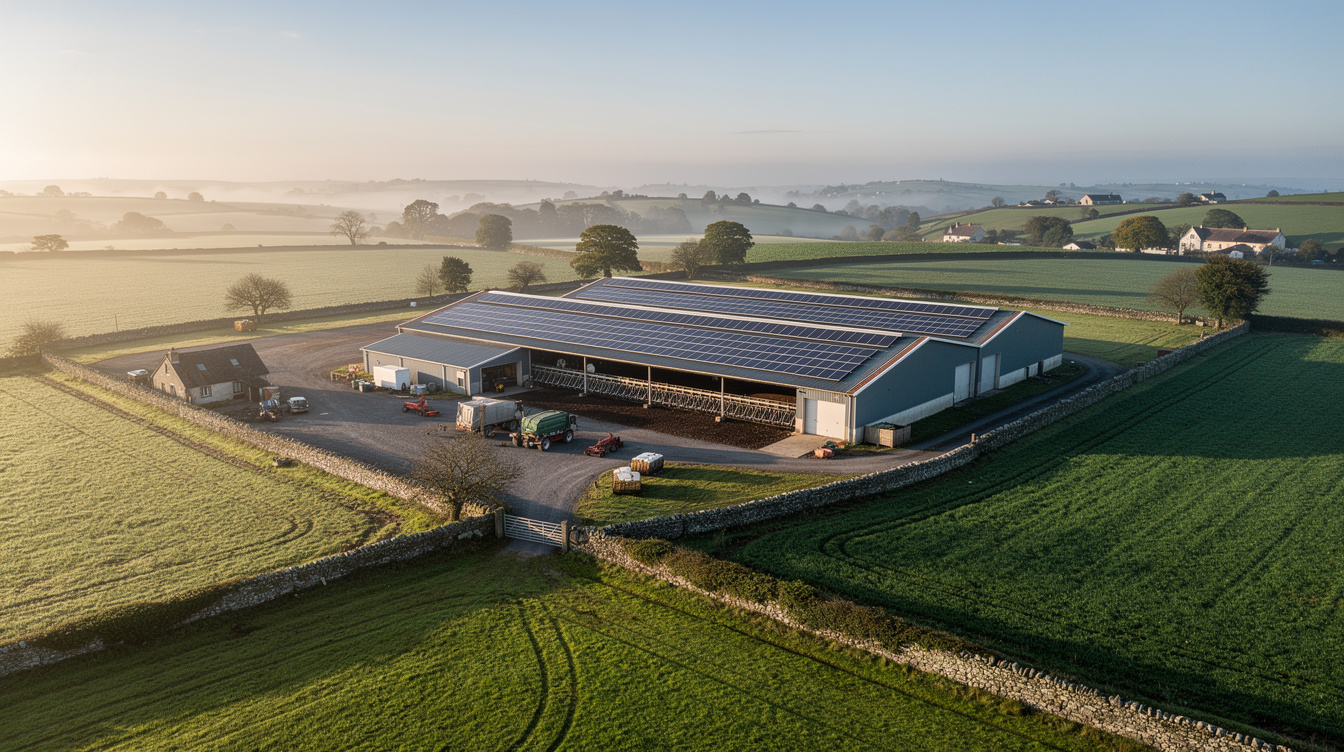
The Meath dairy story is genuinely exceptional. A typical 12kWp parlour-roof install costs €22,000 ex-VAT. With a 40% TAMS grant, net spend ~€13,200. Parlour electrical load (vacuum pumps, milk coolers, water heaters, ice builders) absorbs 80–90% of generation in season. Annual saving ~€3,400–€3,800. Typical payback: 3.5–4 years.
Tillage farms see a different but still strong picture — lower self-consumption (machinery sheds are less power-hungry than dairy), offset by the option of routing solar generation into grain-drying loads in autumn, when feed-in tariffs alone don’t pay for the kit.
Picking a Meath Solar Installer in 2026
Meath has 4 installer pools:
- Dublin-based national firms. Cover all of east and central Meath at standard Dublin prices. Big-brand kit, professional install management.
- Navan & Ashbourne independents. Mid-sized Meath-based operators competing aggressively on residential work. Often the best-value option on standard semis.
- Drogheda-based firms. Particularly strong in east Meath (Stamullen, Bettystown, Laytown) and the Boyne hinterland.
- Specialist agricultural installers. A handful of firms focus on TAMS 3 dairy and tillage installs in north Meath, Cavan and Monaghan. Different paperwork, different mounting kit — not your standard residential operator.
Five things to verify on every Meath quote:
- SEAI Solar PV registration. Confirm at seai.ie. Critical for the €1,800 grant.
- Two Meath references in the last 12 months. Real addresses (with customer consent). Phone one of them.
- Tier-1 panel and Tier-1 inverter. Longi/JA Solar/Trina/REC/Aiko/Q Cells/JinkoSolar/LG panels; SolarEdge/SMA/Fronius/GoodWe/Huawei FusionSolar inverters.
- Planning awareness. Ask explicitly: “Do you check for ACA or protected views before installing in Meath?” A good installer will answer fluently. A poor one will say “solar is always exempt” — which is not always true.
- NC6 / CEG enrolment handled in-house. Should be standard. Anyone asking you to chase the ESB and your supplier yourself is doing half a job.
5 Meath Payback Scenarios (Real Numbers)
- Ashbourne 3-bed semi commuter household (4kWp, no battery): €7,900 gross / €6,100 net. Yield: ~3,890 kWh/yr. Self-consumption ~38% (empty 9–5). Annual saving: ~€1,000. Payback: 6.1 years.
- Ratoath 4-bed detached + EV (6kWp, 10kWh battery): €14,200 gross / €12,400 net. Yield: ~5,820 kWh/yr. Self-consumption ~84% (EV night-shift on battery). Annual saving: ~€1,920. Payback: 6.5 years.
- Navan 4-bed semi (5kWp, 5kWh battery): €10,800 gross / €9,000 net. Yield: ~4,840 kWh/yr. Self-consumption ~74%. Annual saving: ~€1,470. Payback: 6.1 years.
- Trim heritage cottage (3kWp on rear roof, no battery, post-planning): €6,200 gross / €4,400 net. Yield: ~2,890 kWh/yr. Self-consumption ~50% (retired household). Annual saving: ~€800. Payback: 5.5 years.
- North Meath dairy parlour (12kWp, TAMS 3 funded, farmer over 40): €22,000 gross. 40% TAMS grant = effective net €13,200. Yield: ~11,400 kWh/yr. Parlour self-consumption ~85%. Annual saving: ~€3,600. Payback: 3.7 years.
Meath Solar FAQ
Do I need planning permission for solar in Meath?
Not for ordinary residential rooftops outside ACAs and World Heritage buffers. The SI 235 exemption covers unlimited roof-mounted solar on a residential dwelling. Inside Trim ACA, Slane ACA, the Brú na Bóinne buffer, or with prominent views to/from the Hill of Tara, pre-application discussion with Meath County Council is the right call.
Is the new-build pre-conduit in Ratoath and Pace estates actually useful?
Yes — it saves a clean cable run from inverter to roof apex, typically €200–€400 off your install. Make sure you have the developer’s as-built drawings to hand for your installer’s site survey.
What’s the cheapest Meath solar option?
A 2kWp system at ~€2,500–€3,900 net for a small semi. Cost per kWh installed gets better with size — 4kWp+ is the sweet spot for value.
Are batteries worth it in Meath?
For commuter households out 9–5, almost always yes. Self-consumption rises from ~38% to ~75% with a 5kWh battery, and the import/export arbitrage (32–42c import vs. 18–24c CEG export) typically pays the battery back in 5–7 years on its own. Retired households see slower battery payback (8–10 years).
How long does a Meath install take?
Site survey to commissioning is typically 4–6 weeks. Install itself 1–2 days. NC6 ESB approval ~2–3 weeks. CEG enrolment via your supplier ~2–3 weeks after commissioning.
I’m near Newgrange — can I still install?
Usually yes, especially on rear-elevation roofs. Visible-from-public-view installs near the Brú na Bóinne buffer benefit from a pre-application chat with Meath County Council. It’s free and usually resolves in 2–3 weeks.
My farm has a recorded monument in the field — does that matter?
Only for ground-mount solar over 25 sq.m near the monument. Rooftop solar on existing farm buildings is unaffected by neighbouring archaeology.
Ready to Go Solar in Meath?
The 2026 funding stack — €1,800 SEAI grant, 0% VAT to year-end, 18–24c/kWh Clean Export Guarantee rates, and TAMS 3 for farms — is the strongest moment Meath solar has ever seen. Add eastern dry-belt yields and a dense installer market and the only meaningful variable left is whether your specific roof needs a 10-minute planning enquiry first.
Use our quote form. Tell us your Meath eircode and what you want done. We’ll route you to 2–3 SEAI-registered installers with documented Meath project history. We don’t resell your details and we don’t take installer commissions.
Ready to Go Solar in Meath?
Get your free personalised quote from SEAI-registered installers covering Ashbourne, Navan, Ratoath, Trim, Kells and across Meath.
Related Articles
Solar Panel System Cost by Number of Panels Ireland 2026: 8, 12, 14, 20, 24 Panel Prices
What 8, 12, 14, 16, 20 or 24 solar panels actually cost in Ireland 2026 — net after €1,800 SEAI grant & 0% VAT, output kWh, roof area & battery add-ons.
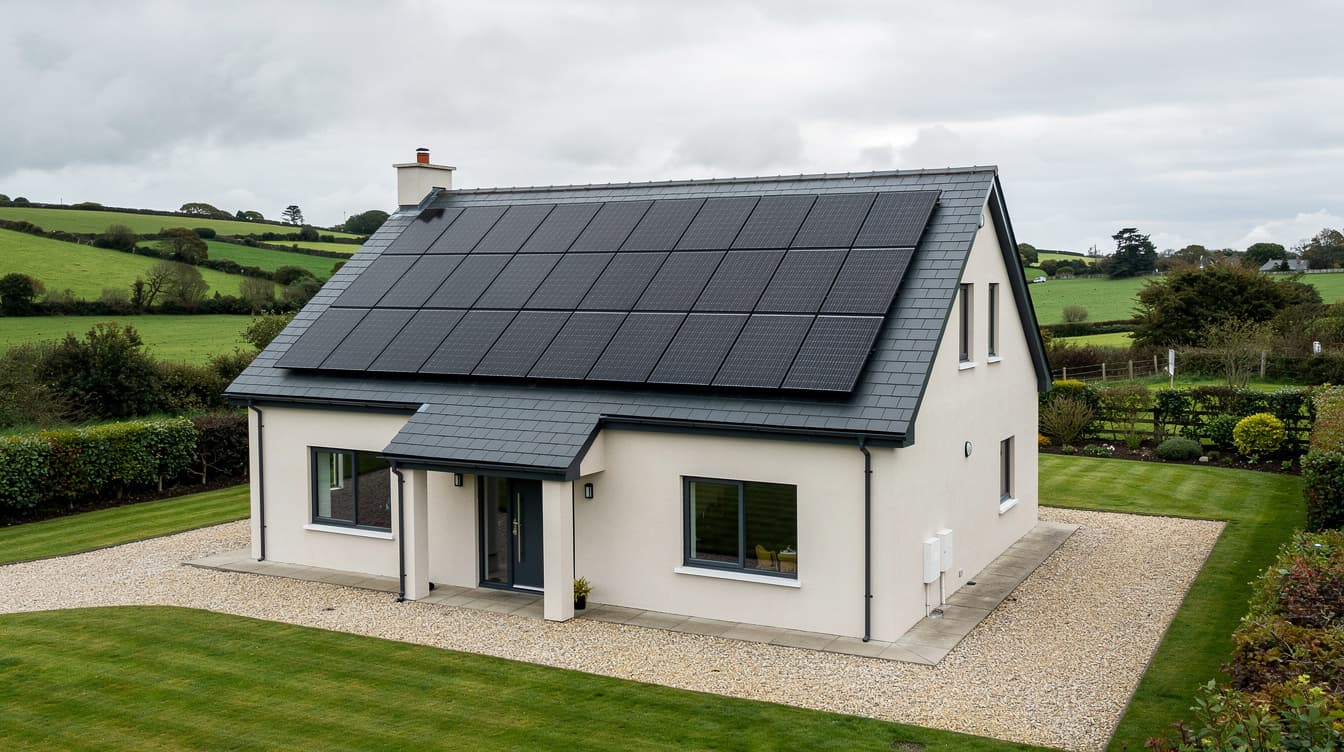
6kW Solar System Cost Ireland 2026: Real Prices, Output & Payback
6kW solar costs €7,700–€10,500 net after the €1,800 SEAI grant and 0% VAT in Ireland 2026. Real quote, 5,270 kWh/yr output, EV/battery ROI.
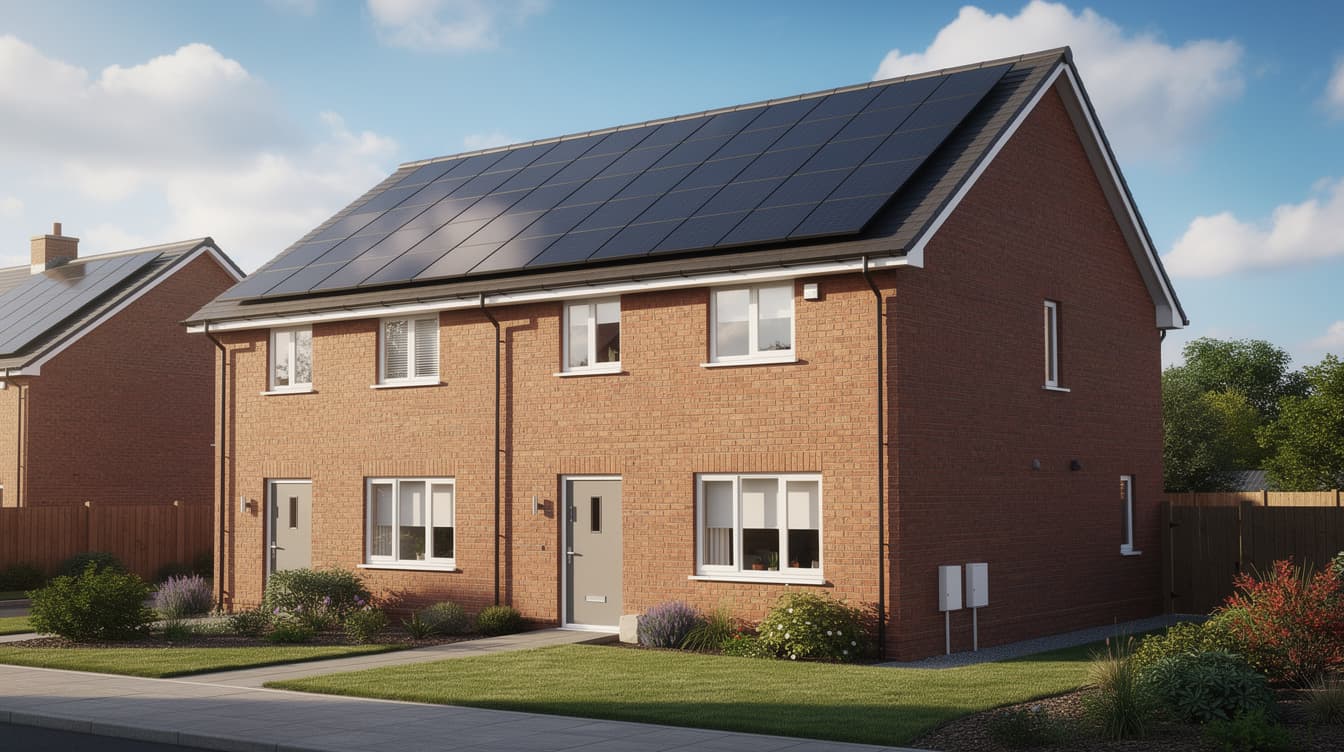
5kW Solar System Cost Ireland 2026: Real Prices, Output & 25-Year ROI
5kW solar system costs €6,700–€9,200 net after the €1,800 SEAI grant and 0% VAT in Ireland 2026. Full itemised breakdown, real output data & battery ROI.