
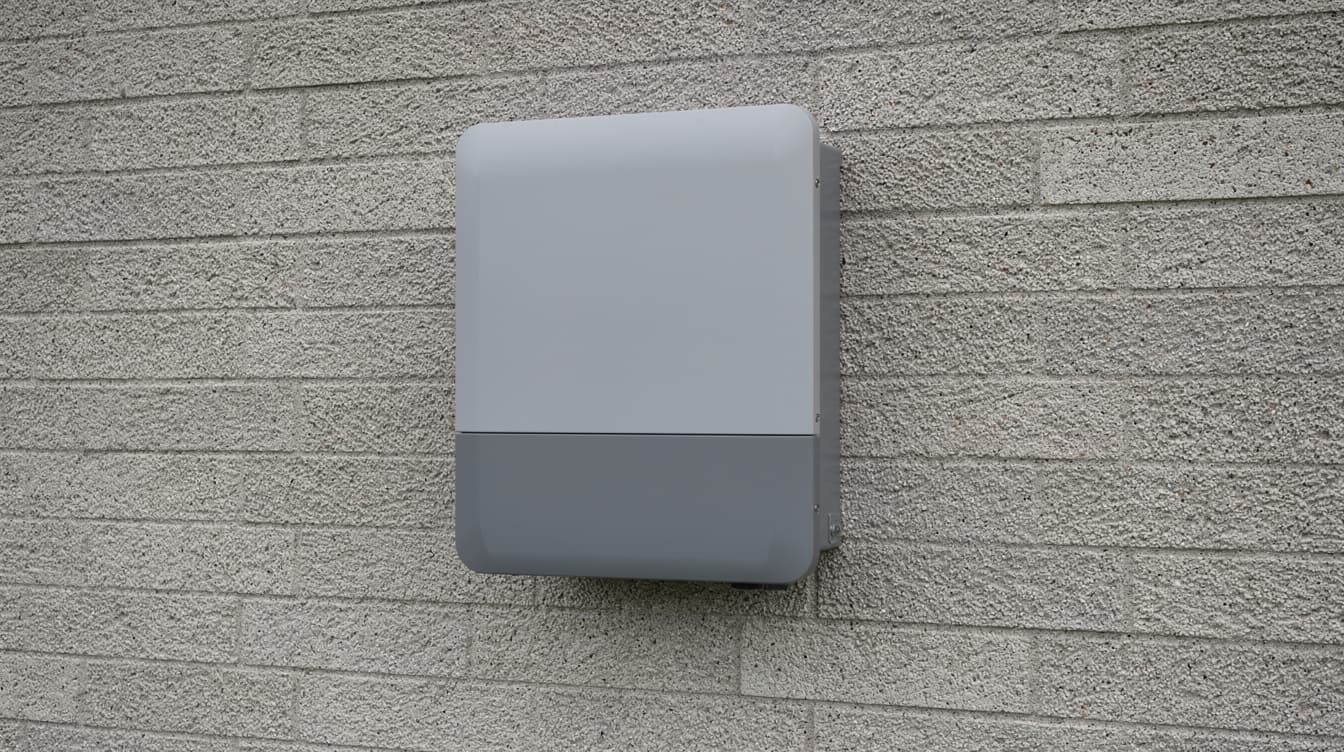
Solar Inverters Ireland 2026: Hybrid vs String vs Microinverters — Costs, Best Brands & How to Choose
Solar Inverters Ireland 2026: Hybrid vs String vs Microinverters — Costs, Best Brands & How to Choose
The inverter is the brain of your solar system — it converts panel DC into household AC, talks to your battery, and decides what your surplus does next. Pick the wrong one and you lose 5–10% of every kWh forever, or you get locked out of cheap batteries later. This is the 2026 guide to choosing right the first time.
Most Irish homeowners obsess over panel brands and barely look at the inverter their installer slips into the quote. That is backwards. Two systems with the same panels can produce 8% more or less depending on the inverter, and the inverter is the component most likely to fail in the first ten years. It is also the only piece that decides whether you can add a battery later without ripping everything out.
In 2026, the choice is between three architectures — string, microinverter, and hybrid — and roughly eight serious brands sold in Ireland. This guide explains the difference in plain English, lists what each one actually costs installed, and tells you which brands SEAI-registered installers around the country are fitting most often.
Quick answer for the impatient
For 90% of Irish homes in 2026: pick a hybrid string inverter from Sungrow, GivEnergy, Solis, or SolarEdge, rated at the same kW as your array. Budget €1,500–€2,500 for a quality 5–6kW hybrid, fully installed and included in your solar package. Avoid string-only (non-hybrid) inverters unless you are certain you will never add a battery. Microinverters only make sense if your roof is shaded or split across multiple orientations.
What does a solar inverter actually do?
Solar panels produce direct current (DC) electricity. Your house, the grid, and almost every appliance you own run on alternating current (AC). The inverter sits between them and does the conversion — thousands of times per second — while also doing four other jobs:
- Maximum Power Point Tracking (MPPT): constantly tweaks the load on your array to extract the most watts as light levels change.
- Grid synchronisation: matches voltage and frequency to ESB Networks’ grid (230V / 50Hz) so you can export surplus.
- Safety isolation: shuts the system down instantly if the grid loses power — required by the ESB G98/G99 standards.
- Monitoring: reports kWh produced, exported, and consumed to an app on your phone.
A hybrid inverter does all of the above plus manages charging and discharging a battery. That single difference is why hybrid units now dominate Irish residential installs — future-proofing for a battery upgrade costs a few hundred euro now versus several thousand later.
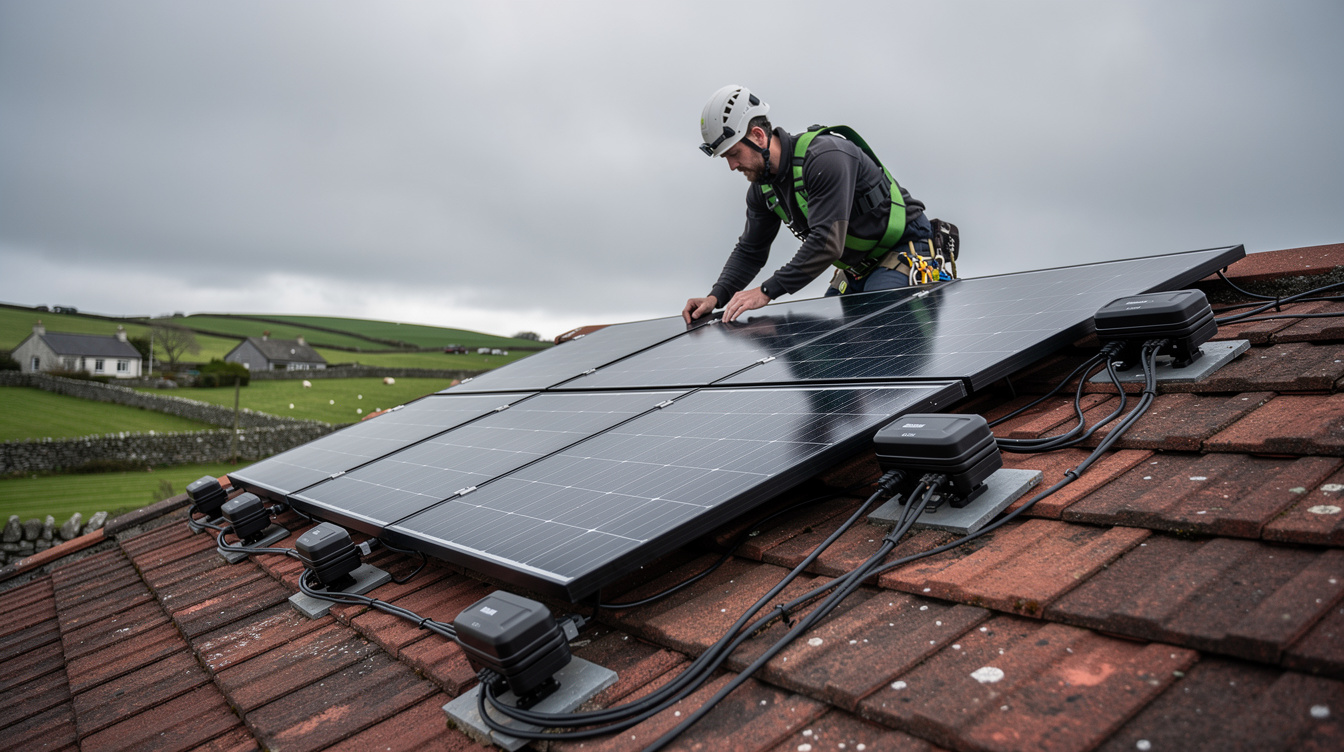
The three inverter architectures, explained simply
1. String inverters (the traditional choice)
One central box in your utility room or garage. All your panels wire into it as one or two “strings”. Cheapest to fit, easiest to service, and what 70% of Irish homes get. Downside: if one panel is shaded or fails, output across the whole string drops to the level of the weakest panel.
2. Microinverters (one tiny inverter per panel)
A small inverter clips to the back of every panel. Each panel produces AC independently, so shading on one panel does not drag down the others. Roughly 10–15% better yield on shaded or multi-orientation roofs. Costs €800–€1,500 more than a string inverter for a 5kW system. Enphase IQ8 is the only serious brand in Ireland.
3. Hybrid inverters (string + battery management)
A string inverter with a built-in battery charger and discharger. You can fit it now without a battery and add storage years later by plugging it in. Hybrid is the default in 2026 and what we recommend unless you have a specific reason to avoid it.
Architecture comparison at a glance
| Type | Typical Cost (5kW) | Battery Ready? | Best For | Weakness |
|---|---|---|---|---|
| String (non-hybrid) | €800–€1,400 | No (AC-coupled retrofit possible but costly) | Tight budgets, unshaded south-facing roofs, no battery plans | Single point of failure; battery upgrade harder |
| Hybrid string | €1,500–€2,500 | Yes — plug-and-play | Almost everyone in 2026 | Slightly more expensive upfront |
| Microinverters (Enphase) | €2,200–€3,200 | Yes (Enphase IQ Battery, separate unit) | Shaded roofs, complex orientations, panel-level monitoring | 25 inverters mean 25 things that can fail; higher cost |
| SolarEdge optimisers + string | €1,900–€2,800 | Yes (SolarEdge Home Battery) | Partial shading without going full microinverter | Locked-in ecosystem; optimisers add complexity |
Not sure which inverter is in your quote?
Get 3 free quotes from SEAI-registered installers and compare the inverter brand, kW rating, and warranty side-by-side.
The 8 inverter brands you will actually be offered in Ireland
These are the brands that appear repeatedly in 2026 Irish installer quotes. Anything not on this list is rare enough that we would ask the installer why — the warranty and service network matter more than headline specs.
Sungrow (most-fitted hybrid in Ireland 2026)
Sungrow has quietly become the default mid-market hybrid in Ireland. Reliable, well-priced, integrates cleanly with their own SBH or SBR batteries, and their iSolarCloud app is one of the better ones. Sungrow ranks among the world’s top two inverter manufacturers by shipped volume. Installer-friendly warranty (10 years standard, extendable to 20).
Typical install: Sungrow SH5.0RT (5kW hybrid, 3-phase or single-phase) — around €1,800–€2,200 fitted.
Best for: homeowners who want a battery-ready system without paying SolarEdge or Tesla money.
GivEnergy
UK-designed hybrid inverters with one of the best apps on the market and strong integration with EV chargers. Their Gen3 hybrid range (3kW, 5kW, 6kW) is now widely stocked by Irish wholesalers. 12-year warranty as standard is the headline grabber.
Typical install: GivEnergy Gen3 5kW hybrid — around €1,900–€2,400 fitted, paired with GivEnergy 5.2kWh or 9.5kWh battery.
Best for: homeowners who want the same brand for inverter, battery, and EV charger.
SolarEdge
The premium option. Uses panel-level power optimisers beneath each panel plus a central string inverter, giving you most of the shading tolerance of microinverters at lower cost. Excellent monitoring, very good for complex roofs. Their Home Hub hybrid inverter pairs with the SolarEdge Home Battery for one of the slickest setups on the market.
Typical install: SolarEdge SE5K Home Hub — around €2,200–€2,800 fitted plus €60–€90 per optimiser.
Best for: shaded, east/west, or multi-pitched roofs where panel-level optimisation pays back.
Solis (best budget hybrid)
The dependable budget choice. Solis S6 hybrids are widely stocked in Ireland, reliable, and roughly €200–€400 cheaper than a Sungrow equivalent. The app is functional rather than slick. Battery compatibility is broader than most — works with Pylontech, BYD, and others.
Typical install: Solis S6-EH1P5K-L (5kW hybrid) — around €1,500–€1,800 fitted.
Best for: price-sensitive installs or anyone who wants flexibility on battery brand later.
Fronius (Austrian engineering, no battery)
Fronius makes superb string-only inverters — arguably the best build quality on the market — but their hybrid offering (GEN24 Plus) is positioned at the high end and not as widely fitted in Ireland. If you genuinely never plan to add a battery, a Fronius Primo is a 20-year inverter for the price of a 10-year one.
Typical install: Fronius Primo GEN24 5.0 Plus — around €2,100–€2,600 fitted.
Best for: homeowners who prioritise longevity over latest features.
SMA (the heritage brand)
SMA invented modern grid-tie inverters. Their Sunny Tripower hybrid range is still excellent for larger residential systems (6–10kW). German engineering, premium price, exceptional reliability. Battery options have narrowed since SMA exited some markets — the Sunny Boy Storage and BYD pairing remains the main route.
Typical install: SMA Sunny Tripower 6.0 Smart Energy — around €2,400–€3,000 fitted.
Best for: larger or three-phase homes, premium installs.
Enphase (the microinverter specialist)
Enphase IQ8 microinverters are the only credible micro option in Ireland. Each panel gets its own tiny inverter on the back, eliminating string-level shading losses and giving panel-level monitoring. The IQ Battery pairs into the same ecosystem. Expect to pay roughly €800–€1,500 more than a string inverter on a typical 5kW install.
Typical install: 14 × Enphase IQ8M microinverters + Envoy + Q Cells panels — around €3,000–€3,500 fitted (vs €1,800 for string).
Best for: shaded roofs, dormer/hip roofs with mixed orientations, or homeowners who want forensic panel-level data.
Huawei (caveat — check Ireland availability)
Huawei SUN2000 is technically excellent and pairs with the Luna2000 battery. However Huawei has scaled back its UK residential business since late 2025, and Irish stock and support have followed a similar pattern with some distributors. If an installer offers Huawei in 2026, ask specifically about local warranty support, parts availability, and how many they have fitted in the last six months before committing. The hardware is good — the question is whether you can get it serviced in three years.
Typical install: Huawei SUN2000-5KTL-L1 hybrid — around €1,800–€2,200 fitted where still stocked.
Best for: households who already have Huawei batteries and want a matching inverter from the same ecosystem.
Compare quotes from local installers
Different installers carry different brands. Get three quotes and we will help you compare.
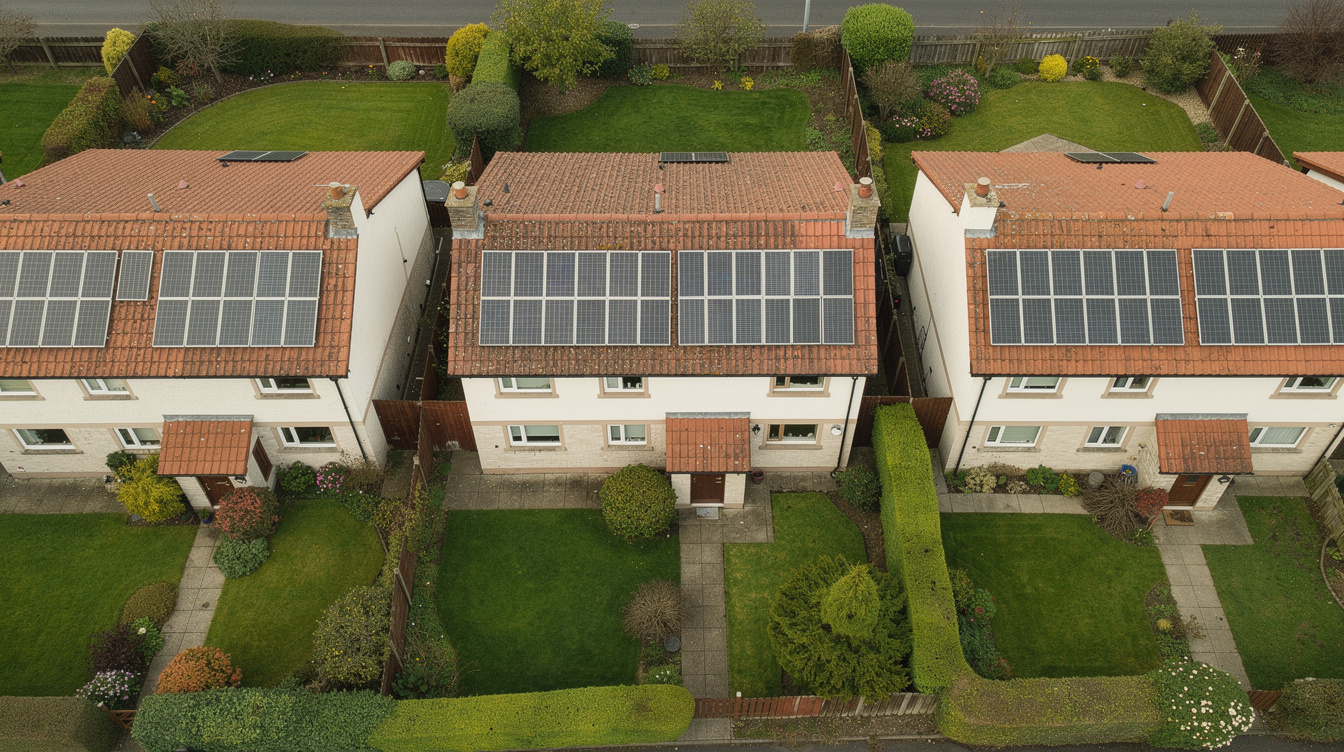
How to size your inverter (and the “DC oversizing” trick)
The simple rule used to be: inverter kW = array kW. A 5kWp array of panels gets a 5kW inverter. In 2026, almost every installer in Ireland deliberately under-sizes the inverter relative to the panels — this is called DC oversizing or “array-to-inverter ratio”.
For Ireland’s overcast climate, an oversizing ratio of 1.15:1 to 1.30:1 is the sweet spot. A 6kWp array fits comfortably on a 5kW inverter, because peak panel output above 5kW only happens for a handful of hours in June and the inverter simply clips the excess. You lose roughly 1–2% of annual yield but pay 15–25% less for the inverter.
The maths for a typical 3-bed semi in Ireland:
- 14 × 440W panels = 6.16 kWp array
- Hybrid inverter sized at 5kW (oversizing ratio 1.23:1)
- Annual yield: ~5,700 kWh vs ~5,800 kWh with a 6kW inverter
- Savings on inverter: roughly €200–€350
The clipped energy is essentially free generation you would not have got anyway during cloudy hours. If your installer is fitting a 6kWp array with a 6kW inverter, ask why they have not oversized — you may be paying for capacity you will never use.
Warranty — the only number that really matters long-term
An inverter is the part of your solar system most likely to fail. Panels carry 25–30 year warranties for good reason — they almost never break. Inverters typically last 10–15 years and most fail within that window. The warranty is what protects you when it does.
| Brand | Standard Warranty | Extendable To | Notes |
|---|---|---|---|
| GivEnergy Gen3 | 12 years | 12 years | Best-in-class standard warranty |
| SolarEdge | 12 years inverter, 25 years optimisers | 20 years (paid) | Optimiser cover excellent |
| Sungrow | 10 years | 20 years (paid) | Extension is reasonably priced |
| Fronius | 10 years | 20 years (paid) | Strong track record on claims |
| Enphase IQ8 | 25 years | 25 years | Each microinverter individually warranted |
| Solis S6 | 10 years | 20 years (paid) | Solid value |
| SMA | 10 years | 25 years (paid) | German support network |
The unspoken risk: a 10-year warranty is only as good as the company still being around to honour it. Pick brands with established Irish or European distributor networks. A no-name inverter at €300 cheaper that nobody will service in 2030 is a false saving.
Four expensive mistakes Irish homeowners make
- Saying yes to a non-hybrid inverter to save €500. Three years later you decide you want a battery. The retrofit (AC-coupled battery inverter + isolation + new monitoring) costs €1,500–€2,500 more than buying hybrid up front.
- Letting the installer pick the brand without you knowing. Some installers carry only one brand because that is what their wholesale account supports. Ask which brand they fit and why — if they cannot name two alternatives, get more quotes.
- Buying microinverters for an unshaded south-facing roof. Microinverters shine on shaded or complex roofs. On a clean south-facing pitch you are paying €800–€1,500 extra for benefits that do not materialise.
- Ignoring the app. You will live with the inverter’s monitoring app for 15 years. Ask to see the live demo on the installer’s phone before signing. The difference between Sungrow iSolarCloud and a generic white-label app is night and day.
Common questions
Can I replace my old string inverter with a hybrid one?
Yes, but you will need an electrician to redo the AC and DC connections and re-commission with ESB Networks under NC6 (G98/G99). Allow €1,200–€2,000 for the swap plus the new inverter. If your panels are over 8 years old, calculate whether the remaining payback justifies it — sometimes it does, often it does not.
Does the inverter need to be indoors?
Most hybrid inverters in Ireland are rated IP65 and can sit outside on a north-facing wall (out of direct sun). However, batteries paired with them often have stricter indoor temperature requirements. Most installers put both in the garage, utility room, or attic for this reason.
Will my inverter let me run the house during a blackout?
Not by default. Standard grid-tie inverters shut down when the grid is down (anti-islanding, required by ESB rules). Some hybrid inverters with a battery support an EPS (Emergency Power Supply) output that powers a sub-circuit during outages — GivEnergy, Sungrow, and SolarEdge all offer this, but it needs to be wired during install. Ask explicitly if you want this feature.
Three-phase or single-phase — which do I have?
Most Irish homes are single-phase (one live wire + neutral). New builds and large rural homes are increasingly three-phase. Check your ESB meter: three-phase has a much larger cabinet and three live terminals. Three-phase installs let you balance solar exports across all phases and avoid voltage rises. Most hybrid inverter ranges come in both versions; pick the right one for your supply.
Does the SEAI grant care which inverter I pick?
No — the €1,800 SEAI Solar PV Grant covers any inverter installed by an SEAI-registered installer, provided the kit is on the SEAI Triple E register. Every brand in this guide qualifies.
Ready to Go Solar?
Get your free personalised quote from SEAI-registered installers in your county — ask each one what inverter they fit and why.
Further reading
Related Articles
Solar Panel System Cost by Number of Panels Ireland 2026: 8, 12, 14, 20, 24 Panel Prices
What 8, 12, 14, 16, 20 or 24 solar panels actually cost in Ireland 2026 — net after €1,800 SEAI grant & 0% VAT, output kWh, roof area & battery add-ons.
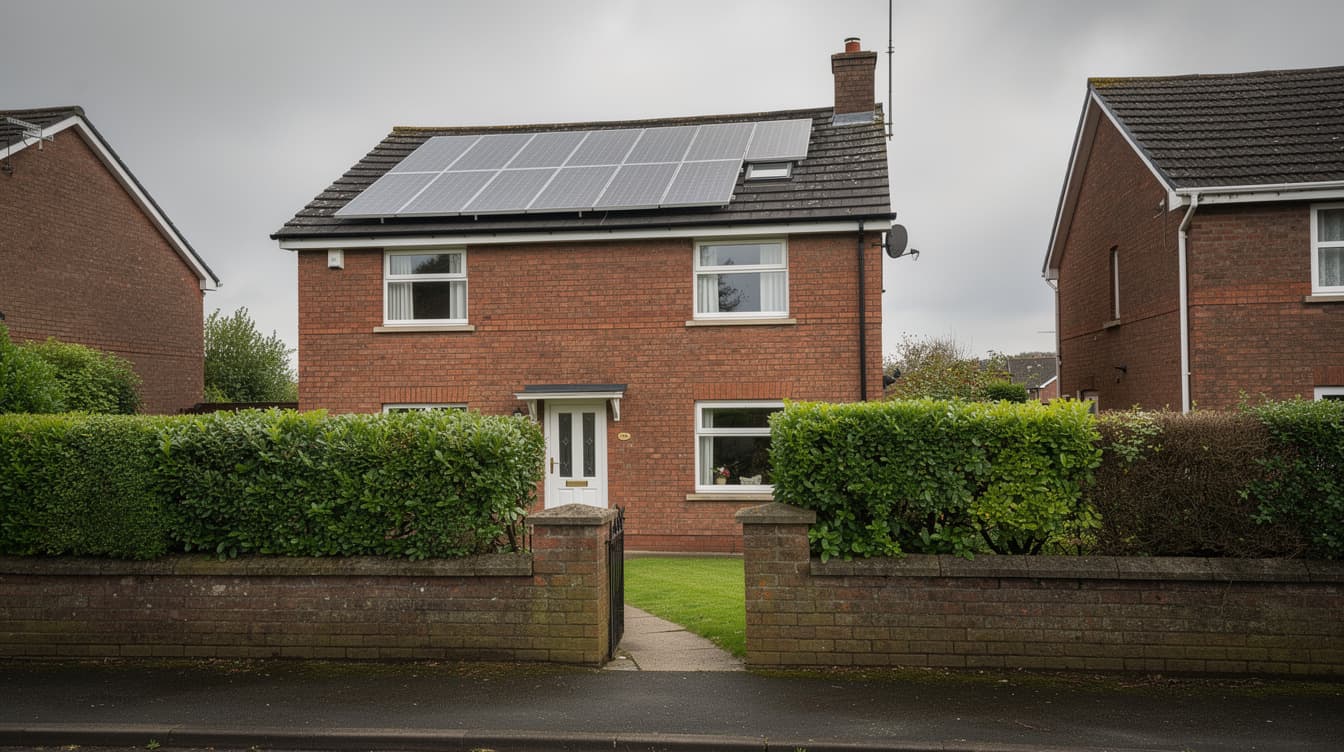
4kW Solar System Cost Ireland 2026: Real Prices, Output & Payback
Real 2026 Irish 4kW quotes (€7,210 gross, €5,410 net after €1,800 SEAI grant), 3,600–4,200 kWh/yr output, 4.8yr payback and when 4kW beats 3kW or 5kW.
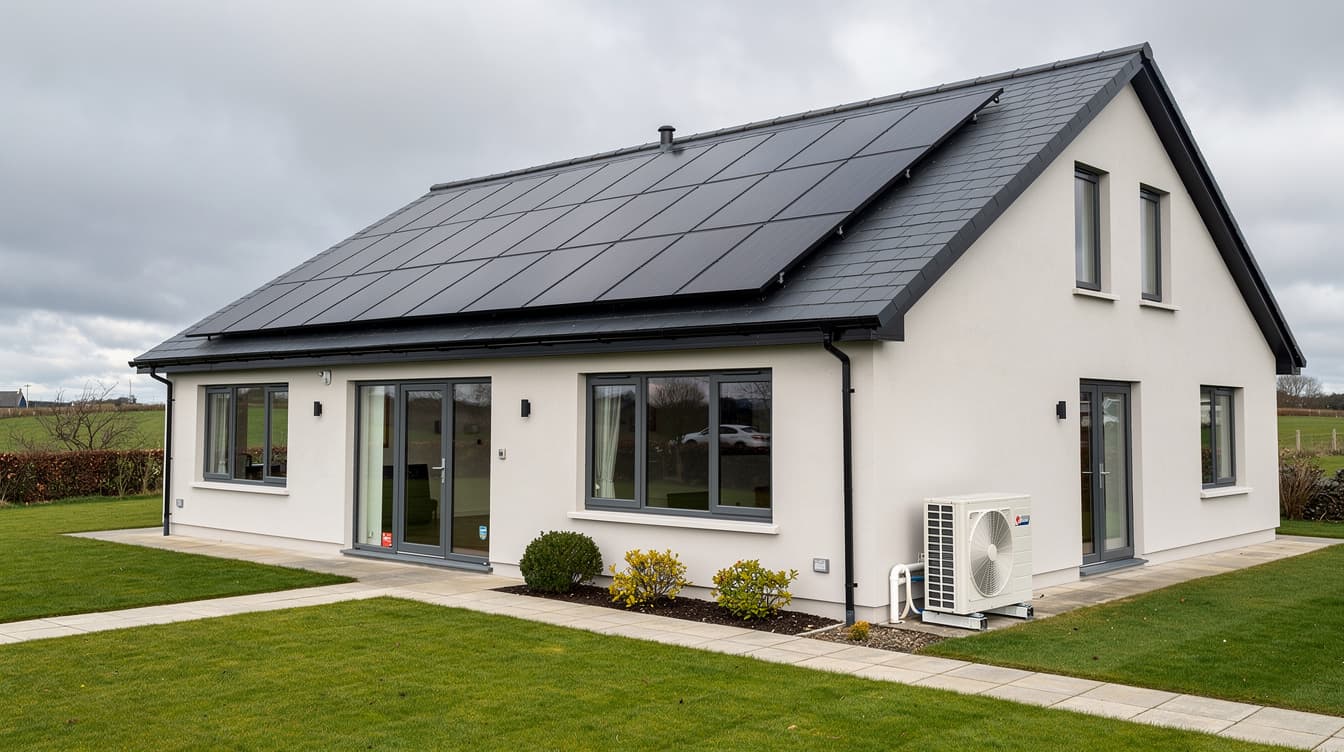
10kW Solar System Cost Ireland 2026: Price, Output & When It’s Worth It
Real 2026 Irish installer prices for a 10kW solar system (€14,300 gross – €1,800 SEAI grant), three-phase rules, expected output and when 10kW beats 6kW.