

Lidl Plug-In Solar Panels: Are They Coming to Ireland? What You Need to Know (2026)
Lidl is set to start selling plug-in solar panels that you can buy off the shelf and plug into your wall socket — no installer, no wiring, no planning permission. Priced at €200-€500, these panels could cut your electricity bill by €100-€200 per year. But before you rush to the middle aisle, here is how they compare to a full solar installation — and why most Irish homeowners would save 5-10 times more with a proper system.
On 24 March 2026, Bloomberg reported that Lidl and Amazon will begin selling plug-in solar panels in the UK this summer, backed by new UK government regulations permitting panels up to 800W. The news has sent shockwaves through the energy world — and Irish consumers are already asking: when can we get them here?
This guide covers everything you need to know about plug-in solar panels: how they work, what they cost, whether they are coming to Ireland, and — critically — how they stack up against a full solar panel installation. Whether you are a renter looking for an affordable way to cut your bills or a homeowner weighing your options, this is the most comprehensive breakdown you will find.
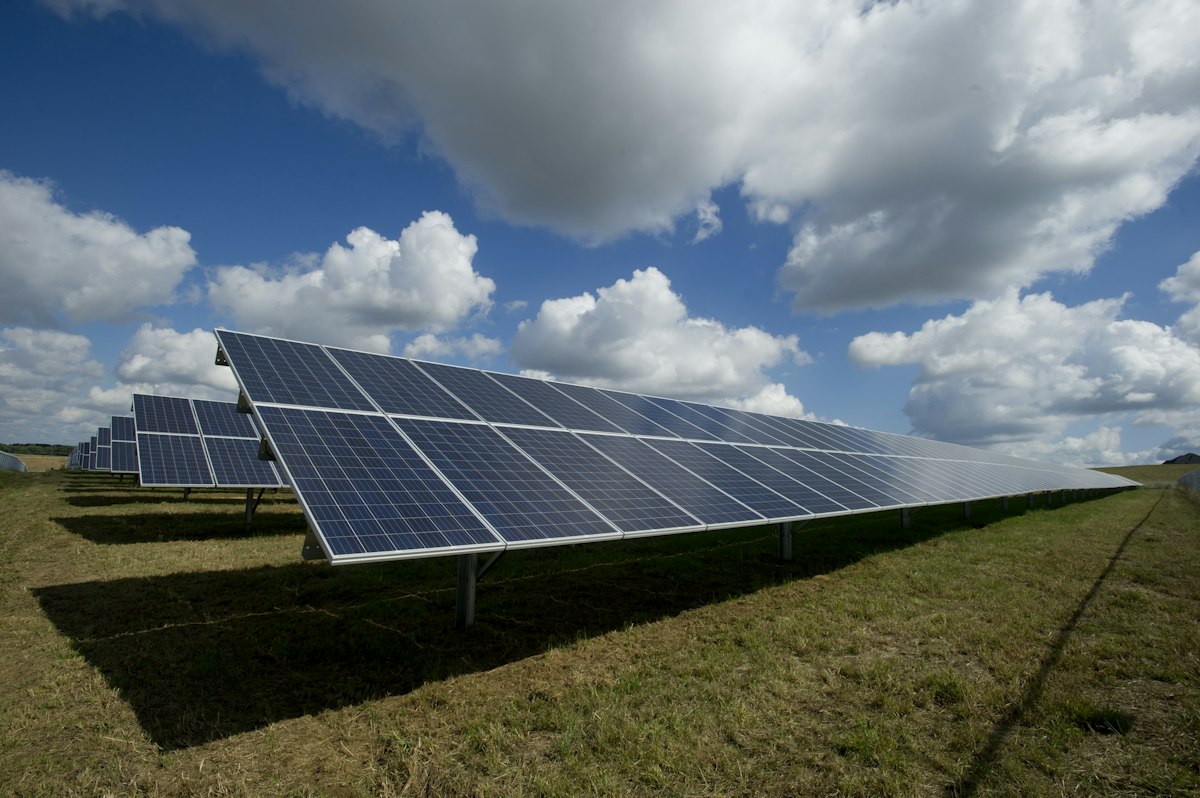
What Are Plug-In Solar Panels?
Plug-in solar panels — sometimes called balcony solar, micro solar, or solar-to-plug systems — are small solar panels with a built-in micro-inverter that connect directly to a standard wall socket. You place the panel on your balcony, garden, or against a south-facing wall, plug it into any household socket, and the electricity flows into your home circuit immediately.
Here is how they work in simple terms:
- The solar panel captures sunlight and converts it to DC (direct current) electricity — exactly like a traditional rooftop panel.
- A micro-inverter (built into the panel or attached as a small box) converts that DC electricity into AC (alternating current) — the type your home uses.
- A standard plug connects the inverter output to any wall socket in your home.
- Your home circuit uses the solar electricity first, reducing what you draw from the grid. Your meter slows down, and your electricity bill drops.
There is no complex wiring, no roof mounting, no electrician required, and no connection to ESB Networks or your electricity supplier. The panel simply offsets some of the electricity your home is using at that moment. If you are running a fridge, router, TV on standby, and a few lights — a plug-in panel can cover that baseload during daylight hours.
These systems have been enormously popular in Germany, where over 1 million balcony solar systems were installed in 2024 alone. The Netherlands, Austria, and several other EU countries also permit them. Now the UK is following suit, and Ireland may not be far behind.
Lidl and Amazon to Sell Plug-In Solar in UK This Summer
The big news that has everyone talking: Bloomberg reported on 24 March 2026 that Lidl and Amazon will begin selling plug-in solar panel kits in the UK. The UK government has confirmed that new regulations will allow plug-in solar systems of up to 800W to be sold in shops and online, with panels available on shelves within months.
Here is what we know so far:
- Retailers confirmed: Lidl and Amazon are the first major retailers to commit. Lidl is expected to stock panels as seasonal special buys (the famous "middle aisle"), while Amazon will offer a range of kits online.
- Government backing: The UK government has actively pushed for this, removing regulatory barriers that previously required professional installation for any grid-connected solar system.
- 800W limit: Systems up to 800W will be permitted as plug-in devices. This is enough to generate 600-800 kWh per year in the UK, saving approximately £100-£120 annually.
- Price range: Kits are expected to retail at £250-£450 (approximately €300-€530), making solar power accessible to millions who could not previously afford a full installation.
- No installer needed: The entire point is that anyone can set these up. Unbox, position, plug in. The micro-inverter handles all the technical safety requirements.
The move mirrors what has already happened across mainland Europe. Germany changed its regulations in 2024 to make balcony solar even easier, and the market exploded. The UK government clearly wants to replicate that success.
For Irish consumers, the immediate question is obvious: will Lidl Ireland stock them too?
Are Plug-In Solar Panels Coming to Ireland?
Here is the honest answer: plug-in solar panels have not been confirmed for sale in Ireland yet. The March 2026 announcements specifically reference the UK market and UK regulations. Ireland has its own electrical safety standards and grid connection rules, and these would need to be updated before plug-in solar could be legally sold and used here.
However, there are strong reasons to expect Ireland will follow:
- EU precedent: Ireland generally aligns with EU energy policy, and multiple EU countries (Germany, Netherlands, Austria, Belgium, Portugal, Spain) already permit plug-in solar. Ireland would be an outlier not to follow.
- Lidl operates in both markets: Lidl Ireland and Lidl UK share supply chains and product ranges. If Lidl UK stocks plug-in panels successfully, Lidl Ireland is very likely to follow — pending regulatory approval.
- Irish energy policy direction: Ireland has been progressively liberalising micro-generation rules. The 2022 micro-generation scheme, updated planning permission exemptions for solar panels, and the Clean Export Guarantee all point in the same direction. See our planning permission exemptions guide for the current rules.
- Consumer demand: With electricity prices in Ireland among the highest in Europe (averaging €0.35-€0.42 per kWh in 2026), there is massive demand for affordable solar options.
- Political pressure: Once UK consumers can buy plug-in solar at Lidl, the pressure on Irish regulators to enable the same will be significant.
The most likely timeline? If the UK launches plug-in solar this summer (2026), Ireland could realistically update its regulations by late 2026 or early 2027. But this is speculative — it depends on how quickly the Commission for Regulation of Utilities (CRU) and ESB Networks adapt their rules.
In the meantime, Irish homeowners who want solar savings right now have a proven option: a full solar panel installation with the SEAI grant covering up to €1,800. While plug-in solar is exciting, a full installation delivers 5-10 times the annual savings — and the grant makes it far more affordable than most people realise.
How Much Do Plug-In Solar Panels Cost?
One of the biggest appeals of plug-in solar is the low upfront cost. Based on pricing in Germany, the Netherlands, and the expected UK retail prices, here is what these systems typically cost:
| System Size | Typical Kit Contents | Expected Price Range | Annual Output (Ireland) | Annual Savings |
|---|---|---|---|---|
| 400W Kit | 1 x 400W panel, micro-inverter, plug, mounting brackets | €200 - €300 | 320 - 400 kWh | €80 - €110 |
| 600W Kit | 2 x 300W panels, micro-inverter, plug, mounting brackets | €280 - €400 | 480 - 600 kWh | €120 - €160 |
| 800W Kit | 2 x 400W panels, micro-inverter, plug, mounting brackets | €350 - €500 | 640 - 800 kWh | €150 - €200 |
For comparison, here is what a full solar installation costs in Ireland:
| Full Installation Size | Typical Cost (before grant) | SEAI Grant | Net Cost (after grant) | Annual Output | Annual Savings |
|---|---|---|---|---|---|
| 2kWp (5-6 panels) | €4,000 - €5,000 | €1,400 | €2,600 - €3,600 | 1,600 - 2,000 kWh | €400 - €550 |
| 4kWp (10-12 panels) | €5,500 - €7,500 | €1,800 | €3,700 - €5,700 | 3,200 - 4,000 kWh | €700 - €950 |
| 6kWp (15-18 panels) | €7,000 - €9,500 | €1,800 | €5,200 - €7,700 | 4,800 - 6,000 kWh | €950 - €1,250 |
For a full breakdown of installation costs, see our complete guide to solar panel costs in Ireland. The SEAI grant structure is €700 per kWp for the first 2kWp, then €200 per kWp for the next 2kWp, giving a maximum grant of €1,800. Our SEAI grant application guide walks you through the process step by step.
The upfront cost difference is obvious: a plug-in panel costs €200-€500, while a full installation costs €3,700-€5,700 after the SEAI grant. But as we will see in the next section, the long-term financial picture tells a very different story.
Plug-In Solar vs Full Solar Installation: The Real Comparison
This is the section that matters most. Plug-in solar panels are a genuinely useful product for certain situations — but for most Irish homeowners, a full installation is overwhelmingly the better financial decision. Here is a detailed side-by-side comparison:
| Feature | Plug-In Solar (800W) | Full Installation (4kWp) |
|---|---|---|
| Upfront Cost | €350 - €500 | €3,700 - €5,700 (after €1,800 SEAI grant) |
| Annual Electricity Savings | €150 - €200 | €700 - €950 |
| Payback Period | 2.5 - 3.5 years | 4.5 - 6 years |
| 25-Year Total Savings | €3,750 - €5,000 | €17,500 - €23,750 |
| Annual Output | 640 - 800 kWh | 3,200 - 4,000 kWh |
| Percentage of Home Electricity | 12% - 18% | 60% - 85% |
| SEAI Grant Eligible | No | Yes — up to €1,800 |
| Clean Export Guarantee (sell to grid) | No | Yes — earn €300-€450/year extra |
| Battery Storage Compatible | No | Yes — store excess for evening use |
| BER Rating Improvement | Unlikely | Yes — can jump 1-2 BER grades |
| Adds Property Value | No | Yes — estimated €15,000-€25,000 |
| Installation Required | No — DIY in 30 minutes | Yes — professional, 1-2 days |
| Renter-Friendly | Yes — take it with you | No — permanent fixture |
| Planning Permission | Not required | Usually exempt (see exemptions) |
| Typical Lifespan | 15 - 20 years | 25 - 30 years |
| Warranty | 2 - 5 years | 10 - 25 years |
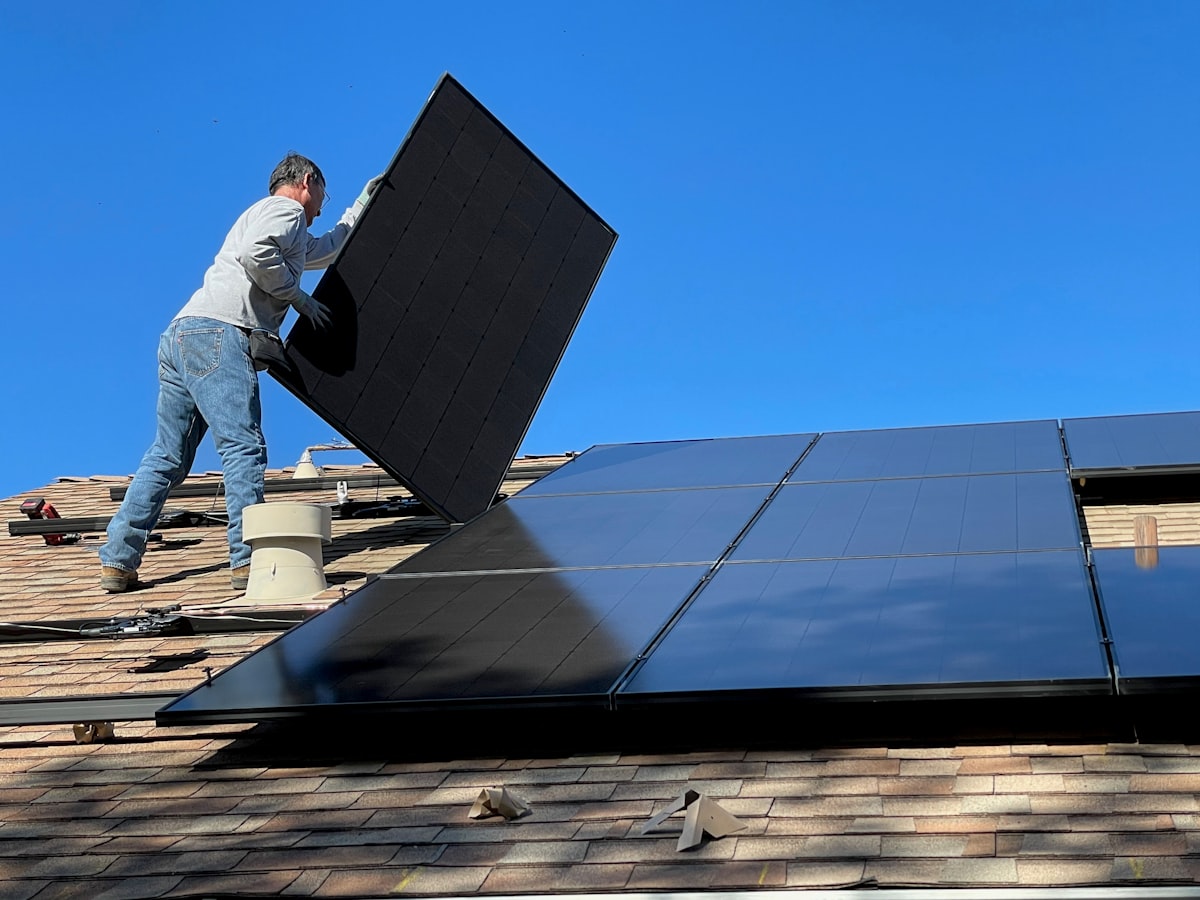
The key numbers that matter:
A plug-in 800W panel saves approximately €150-€200 per year on a €350-€500 investment. That is a 2.5-3.5 year payback, which is excellent. Over 25 years, you save roughly €3,750-€5,000 total. That is a solid return for a small investment.
A full 4kWp installation saves approximately €700-€950 per year on a €3,700-€5,700 investment (after the €1,800 SEAI grant). That is a 4.5-6 year payback. Over 25 years, you save roughly €17,500-€23,750 total. Add in Clean Export Guarantee payments and potential property value increase, and the total financial benefit can exceed €40,000.
Put another way: the full installation costs roughly 8-10 times more upfront, but delivers 5 times the annual savings and 5-6 times the total lifetime savings. The extra investment pays for itself many times over.
Use our solar panel calculator to see exactly how much a full installation would save based on your specific electricity usage and roof orientation.
How Much Can Plug-In Solar Panels Save You?
Let us be realistic about the savings from plug-in solar panels in Irish conditions. Ireland gets fewer sunshine hours than southern Europe, but plug-in panels still generate meaningful electricity. Here is what you can expect:
400W Plug-In Panel
- Annual generation: 320 - 400 kWh (based on Ireland's average 800-1,000 kWh per kWp)
- Self-consumption rate: 70-90% (most generation happens during the day when baseload appliances are running)
- Usable electricity offset: 225 - 360 kWh
- Annual savings at €0.35/kWh: €80 - €110
- Payback on €250 kit: 2.3 - 3.1 years
800W Plug-In Panel
- Annual generation: 640 - 800 kWh
- Self-consumption rate: 60-80% (higher output means more likely to exceed baseload at peak times)
- Usable electricity offset: 385 - 640 kWh
- Annual savings at €0.35/kWh: €150 - €200
- Payback on €400 kit: 2.0 - 2.7 years
Full 4kWp Installation (for comparison)
- Annual generation: 3,200 - 4,000 kWh
- Self-consumption rate: 50-70% (without battery), 70-90% (with battery)
- Usable electricity offset: 1,600 - 3,600 kWh
- Annual savings at €0.35/kWh: €700 - €950 (includes self-consumption and export payments)
- Payback on €4,700 (after €1,800 grant): 5.0 - 6.7 years
Important note on self-consumption: Plug-in solar panels cannot export electricity back to the grid for payment (they are not registered with ESB Networks or your supplier). Any electricity you generate but do not use at that moment is effectively lost — it flows back through the socket and into the grid, but you receive nothing for it. With a full installation, you can earn €0.155-€0.185 per kWh through the Clean Export Guarantee, meaning even surplus electricity has value.
For a detailed look at how much electricity solar panels actually produce in Ireland, see our solar panel output guide.
Who Should Consider Plug-In Solar Panels?
Plug-in solar panels are a genuinely good option for certain people and situations. If any of the following apply to you, a plug-in system could be a smart move — especially once they become available in Ireland:
Renters
This is the single biggest advantage of plug-in solar. If you are renting, you cannot install rooftop panels (your landlord would need to agree, and you would leave the panels behind when you move). A plug-in panel goes with you. Set it up on your balcony or in the garden, and take it to your next rental. At €200-€500, it pays for itself within 2-3 years and then generates free electricity for the rest of its 15-20 year life.
Apartment Dwellers
Many Irish apartments have balconies or terraces that face south or west — perfect for a plug-in panel. You do not need roof access, you do not need building management approval for a temporary, removable device, and you can start saving immediately. Even a single 400W panel can offset your fridge, router, and standby appliances during daylight hours.
People Testing the Waters
If you are curious about solar but not ready to commit to a €5,000-€7,000 installation, a plug-in panel lets you see solar in action for a fraction of the cost. You will see your meter slow down on sunny days, you will track your generation, and you will get a tangible feel for how solar works in your location. Many people who start with a plug-in panel graduate to a full installation once they see the results.
Holiday Homes and Garden Offices
A holiday home that sits empty most of the week still has baseload electricity consumption (fridge, alarm, router, heating timer). A plug-in panel can cover that baseload during the day, saving money on a property where a full installation might not be justified. Similarly, garden offices and sheds with a power connection can benefit from a plug-in panel.
People Who Cannot Get a Full Installation
Some homes have unsuitable roofs (north-facing, heavily shaded, listed buildings, structural concerns). If a full rooftop installation is not feasible, a plug-in panel in the garden or on a south-facing wall is a way to access some solar savings. Ground-mounted panels can sometimes outperform roof panels if the roof has shading issues.
Budget-Conscious Households
Not everyone can afford €3,700-€5,700 for a full installation, even with the SEAI grant. A €200-€300 plug-in panel is a genuine, accessible way to start reducing electricity bills. The savings are modest (€80-€200/year), but they are real, and the short payback period means the financial risk is very low.
Who Should Skip Plug-In and Go Full Installation?
For most Irish homeowners, particularly those who own their home and have reasonable roof space, a full solar panel installation is the far superior option. Here is who should seriously consider going full installation instead of (or in addition to) plug-in solar:
Homeowners with Suitable Roof Space
If you own your home and have a south, east, or west-facing roof with minimal shading, a full installation is a no-brainer. You have the roof space — use it. A 4kWp system generates 5 times the electricity of an 800W plug-in panel, and the SEAI grant of up to €1,800 significantly reduces the upfront cost. Check our guide on whether your roof has space for solar panels.
Anyone Eligible for the SEAI Grant
The SEAI grant is only available for professionally installed systems — plug-in panels do not qualify. If you are eligible for up to €1,800 off your installation cost, you are effectively leaving money on the table by going with a plug-in panel instead. The grant makes the payback period much shorter than it would otherwise be.
People Who Want Maximum Savings
The maths is straightforward. An 800W plug-in panel saves €150-€200 per year. A 4kWp installation saves €700-€950 per year. Over 25 years, that is the difference between roughly €4,000 in total savings and roughly €20,000. If you can afford the upfront cost (and the grant helps enormously), the full installation is one of the best financial investments you can make in your home.
Homeowners Planning to Sell
A full solar installation adds measurable value to your property. It improves your BER rating, reduces future energy costs for the buyer, and signals a modern, energy-efficient home. A plug-in panel that you take with you when you sell adds nothing to the property value.
People with Electric Vehicles or Heat Pumps
If you have an EV or heat pump (or plan to get one), your electricity consumption is higher than average — meaning there is even more scope for solar savings. A full installation can cover a significant portion of your EV charging or heat pump operation, while a plug-in panel's 800W would barely make a dent in these higher consumption levels.
Anyone Who Wants Battery Storage
Battery storage systems like the Tesla Powerwall work with full installations to store surplus daytime solar for evening use. This pushes self-consumption rates from 50-70% up to 70-90%, dramatically increasing savings. Plug-in panels cannot connect to battery storage systems. See our solar battery storage guide for more.
Ready to find out what a full solar installation would cost for your home? Our network of vetted installers covers every county in Ireland, and the SEAI grant of up to €1,800 makes it more affordable than ever. Get your free, no-obligation solar quote here — it takes 60 seconds and there is zero pressure.
Can You Use Plug-In Solar Panels in Ireland Right Now?
This is where things get complicated. The short answer is: plug-in solar panels exist in a regulatory grey area in Ireland as of March 2026.
Here is the current situation:
Irish Electrical Regulations
Ireland follows the ET 101 National Wiring Rules (based on the IEC 60364 standard). These rules currently require that any electricity-generating device connected to the domestic electrical system be installed by a Registered Electrical Contractor (REC) and certified to Safe Electric standards. A plug-in solar panel, by definition, bypasses this requirement — you are plugging a generation device into a standard socket without any electrical certification.
ESB Networks Micro-Generation Rules
Under the current micro-generation framework, any solar system connected to a home that is also connected to the grid must be notified to ESB Networks. Systems up to 6kW (single phase) are permitted under simplified notification, but they still require professional installation and an NC6 form to be submitted by a registered electrician. Plug-in panels do not fit neatly into this framework.
What This Means in Practice
Technically, plugging a solar panel into your wall socket in Ireland is not explicitly prohibited by any specific law, but it does not comply with the existing electrical safety framework either. You would not face criminal prosecution, but you would likely be in breach of your home insurance electrical safety conditions, and ESB Networks could object if they became aware.
What Needs to Change
For plug-in solar to be fully legal and above-board in Ireland, two things need to happen:
- Updated wiring regulations: The ET 101 rules need to be amended to explicitly permit plug-in generation devices up to a defined wattage limit (800W, as per the UK model, or 2,000VA as Germany now permits).
- ESB Networks notification exemption: Small plug-in systems need to be exempted from the NC6 notification process, similar to how certain small electrical installations are already exempt.
Both of these changes are straightforward from a technical perspective. The safety case for plug-in solar up to 800W is well established — millions of units are in use across Europe with an excellent safety record. The question is when, not if, Ireland will make these changes.
For now, if you want solar power in Ireland and want to do everything fully above board, a professionally installed system is the way to go. For more on the installation process, see our step-by-step installation guide.
How Plug-In Solar Panels Work: Technical Guide
For those who want to understand the technology behind plug-in solar, here is a more detailed technical explanation of how these systems operate and why they are considered safe.
The Micro-Inverter
The micro-inverter is the critical component that makes plug-in solar work. It performs several functions:
- DC to AC conversion: Converts the variable DC output from the solar panel (typically 30-45V DC) into grid-compatible AC electricity (230V, 50Hz in Ireland and the UK).
- Maximum Power Point Tracking (MPPT): Continuously adjusts the electrical load on the panel to extract the maximum possible power at any given moment, accounting for changing light levels, temperature, and partial shading.
- Grid synchronisation: Matches the frequency, voltage, and phase of the AC output to the existing grid electricity in your home, ensuring seamless integration.
- Power limiting: Caps the output at the rated maximum (e.g., 800W) regardless of panel capacity, ensuring compliance with regulations.
For a deeper comparison of micro-inverter technology, see our string vs micro-inverters guide.
Anti-Islanding Protection
This is the most important safety feature. Anti-islanding ensures that if the grid power goes down (a power cut), the plug-in panel immediately stops generating electricity. Without this, the panel could continue feeding electricity into what a utility worker might assume is a dead circuit — creating a potentially lethal hazard.
All legitimate plug-in solar inverters include anti-islanding protection as standard. This is not optional — it is required by the EN 50549 standard that governs all grid-connected micro-generation in Europe. The inverter continuously monitors grid voltage and frequency. If it detects that the grid has disconnected (voltage drops to zero or frequency deviates beyond normal limits), it shuts down within milliseconds.
How the Socket Connection Works
When you plug a solar panel into a wall socket, the electricity flows through the socket into your home's ring circuit (or radial circuit). It does not flow "backwards" through the consumer unit and out to the grid in any dangerous way. The electricity simply joins the existing supply on the circuit and is consumed by whatever appliances are drawing power.
If the panel is generating 400W and your home is consuming 500W, the grid supplies the remaining 100W. If the panel is generating 400W and your home is only consuming 200W, the excess 200W flows back through the meter and into the grid. In countries that permit plug-in solar, this small amount of backfeed is considered negligible and safe.
Safety Considerations
- The socket is not overloaded: A standard Irish/UK socket is rated at 13A (3,000W). An 800W plug-in panel draws far less than this rating.
- No exposed DC wiring: The DC to AC conversion happens at the panel or in a sealed inverter unit. Only standard AC power travels through the plug cable.
- Existing circuit protection still works: Your home's MCBs (miniature circuit breakers) and RCD (residual current device) continue to protect against faults, exactly as they do for any other plugged-in appliance.
- Schuko vs UK/Irish plug: In mainland Europe, plug-in panels use Schuko plugs (the standard round two-pin European plug). For UK and Irish markets, systems will use standard three-pin plugs with appropriate safety features.
Frequently Asked Questions
Can you buy solar panels at Lidl Ireland?
Not yet. As of March 2026, Lidl has confirmed plans to sell plug-in solar panels in the UK this summer. Lidl Ireland has not made any announcement about stocking plug-in solar panels. However, given that Lidl Ireland shares product ranges with Lidl UK and that Ireland is likely to update its regulations to permit plug-in solar, it is reasonable to expect Lidl Ireland to follow — potentially by late 2026 or 2027. In the meantime, if you want solar panels in Ireland, a professionally installed system with the SEAI grant of up to €1,800 is the proven route.
Do plug-in solar panels really work?
Yes, absolutely. Plug-in solar panels use exactly the same photovoltaic technology as rooftop panels. They generate real electricity that genuinely reduces your grid consumption. Over 4 million plug-in solar systems are now in use across Europe (primarily Germany and the Netherlands), and their performance is well documented. A 400W panel in Ireland will realistically generate 320-400 kWh per year, saving €80-€110 on your electricity bill.
Can I plug solar panels into a wall socket in Ireland?
Technically, the current Irish electrical regulations do not explicitly permit plug-in solar panels connected to a wall socket. While there is no specific law prohibiting it, you would not be in compliance with the ET 101 wiring rules or the ESB Networks micro-generation notification requirements. This is expected to change as Ireland follows the UK and other EU countries in updating regulations. For now, a professionally installed system is the fully compliant option.
How much do Lidl solar panels cost?
Based on the UK pricing announcements and comparable products in Germany, Lidl plug-in solar panels are expected to cost approximately €200-€300 for a 400W kit and €350-€500 for an 800W kit. These prices include the solar panel, micro-inverter, plug cable, and basic mounting brackets. Additional accessories (better mounting hardware, monitoring apps, extension cables) may cost extra.
Do I need planning permission for plug-in solar panels?
In countries where plug-in solar is permitted (Germany, Netherlands, UK from summer 2026), no planning permission is required for systems up to 800W. These are treated as temporary, removable devices — similar to a satellite dish or outdoor furniture. In Ireland, while the planning permission exemptions for solar panels cover rooftop installations up to 50 square metres, plug-in panels are so small (1-2 square metres) that they would almost certainly be exempt from planning even without specific regulations.
Can renters use plug-in solar panels?
This is one of the biggest advantages of plug-in solar. Yes, renters can use plug-in solar panels without landlord permission in most cases (similar to how you would not need permission to place a satellite dish on a balcony railing). The panels are fully portable — you take them with you when you move. This makes plug-in solar one of the only ways for renters to access solar energy savings. That said, if your rental does not have a suitable outdoor space (balcony, garden, terrace), placement options are limited.
Is 800W enough to power a house?
No — 800W is not enough to power an entire house. A typical Irish home uses 4,200 kWh per year, or an average of about 480W continuously. An 800W panel generates electricity only during daylight hours and only at full capacity in direct sunlight. Realistically, an 800W system generates 640-800 kWh per year, covering roughly 15-19% of a typical home's annual consumption. It is enough to cover baseload appliances (fridge, router, standby devices) during the day, but not your entire electricity needs. For that, you need a full installation — a 4kWp system covers 60-85% of typical consumption.
Are plug-in solar panels safe?
Yes, when they are properly manufactured with the required safety features. All legitimate plug-in solar panels include anti-islanding protection (shuts down if the grid goes down), comply with EN 50549 standards, and output electricity through a standard plug at voltages and currents well within the socket's rating. Over 4 million units are in daily use across Europe with an excellent safety record. The key is to buy from reputable manufacturers — avoid unbranded or uncertified products from unknown sellers.
Can I use a plug-in solar panel with a battery?
Standard plug-in solar panels are designed to feed directly into the grid via your wall socket and do not connect to battery storage. However, some newer products are emerging that combine a plug-in panel with a small portable battery (similar to a large power bank). These are separate from the main grid-connected plug-in concept and are more like off-grid portable solar generators. If you want proper battery storage that integrates with your home's electrical system, you need a full solar installation. See our battery storage guide for more details.
What happens to excess electricity from a plug-in panel?
If your plug-in panel generates more electricity than you are using at that moment, the excess flows back through the socket, through your consumer unit, and into the grid. In most countries, your electricity meter simply does not count this exported electricity (modern smart meters track imports and exports separately). You do not get paid for it — unlike a full installation registered for the Clean Export Guarantee. This is why self-consumption is important for plug-in solar: you save the most when you use the electricity as it is generated.
How long do plug-in solar panels last?
The solar panels themselves typically last 20-25 years, with gradual degradation (losing about 0.5% efficiency per year). The micro-inverter is usually the component with the shorter lifespan — expect 10-15 years before it may need replacing. Most plug-in kits come with a 2-5 year product warranty, compared to the 10-25 year warranties common with professionally installed systems. For comparison, see our guide on how long solar panels last in Ireland.
Do plug-in solar panels work in Irish weather?
Yes. Solar panels work on light, not heat — and Ireland gets enough daylight to make solar viable, even in winter. A plug-in panel will generate less electricity in December than July (roughly 3-4 times less), but it will still generate something on most days. Overcast conditions reduce output but do not eliminate it — modern panels can still produce 10-25% of their rated capacity on a cloudy day. See our detailed analysis of whether solar panels work in Irish winters.
Will plug-in solar panels affect my home insurance?
In countries where plug-in solar is regulated and permitted, home insurers treat them similarly to other temporary outdoor equipment. In Ireland, because plug-in solar is not yet formally regulated, there is a small risk that some insurers might query whether the panels comply with electrical safety standards. It is worth checking with your insurer before installing one. For full installations, most Irish insurers have no issue — see our guide on solar panels and home insurance.
Can I install multiple plug-in panels?
In theory, yes — you could plug multiple panels into different sockets around your home. However, most countries that regulate plug-in solar set a maximum total capacity per household (800W in the UK, 2,000VA in Germany as of 2024). Exceeding this limit would put you outside the simplified regulations and potentially require professional installation and grid notification. In practice, running two 400W panels on separate circuits would stay within the 800W UK limit.
Are plug-in solar panels worth it?
For the right situation, yes. If you are a renter, live in an apartment, have a small budget, or simply want to dip your toe into solar, a plug-in panel at €200-€500 with a 2-3 year payback is a sensible investment. However, if you are a homeowner with roof space and can access the SEAI grant, a full installation offers dramatically better value. The full installation saves 5-10 times more per year and delivers €17,500-€23,750 in total savings over 25 years — compared to €3,750-€5,000 for a plug-in panel. For most homeowners, the question is not whether to go solar, but whether to go full-scale. Get a free quote for a full installation here.
Where should I position a plug-in solar panel?
For maximum output in Ireland, position your plug-in panel facing due south at an angle of 30-35 degrees from horizontal. South-west or south-east facing positions will still produce roughly 85-95% of the optimal output. Avoid any location with significant shading from buildings, trees, or walls — even partial shading significantly reduces a panel's output. Balcony railings, garden walls, flat roofs on sheds, or purpose-built ground stands all work. The panel needs to be near a socket (within the length of the provided cable) or you will need a suitable outdoor-rated extension cable. For guidance on optimal positioning, see our guide on what direction solar panels should face in Ireland.
Should I wait for plug-in solar or get a full installation now?
If you are a homeowner considering solar, we would strongly recommend not waiting. Plug-in solar panels have not been confirmed for Ireland and may take 6-18 months to become available even if regulations change quickly. Every month you wait is a month of electricity savings you miss out on. A full 4kWp installation saving €700-€950 per year means that waiting 12 months costs you roughly €700-€950 in lost savings. The SEAI grant of up to €1,800 is available right now — but government grants can change. If you are eligible, the smartest move is to get your free solar quote today and lock in the grant while it is available.
Can I build my own plug-in solar panel?
While it is technically possible to assemble a DIY plug-in solar system by buying a panel and micro-inverter separately, we would not recommend it unless you have electrical knowledge. The micro-inverter must include proper anti-islanding protection and comply with relevant safety standards. A pre-assembled kit from a reputable manufacturer is safer and usually not much more expensive than buying components individually. If you are interested in DIY solar more broadly, see our comprehensive DIY solar panels guide.
The Bottom Line: Plug-In Solar Is Good, Full Installation Is Better
Plug-in solar panels are a genuinely exciting development. They democratise solar energy, making it accessible to renters, apartment dwellers, and anyone who cannot or does not want to commit to a full rooftop installation. When Lidl and Amazon start selling them in the UK this summer — and eventually in Ireland — they will help millions of people reduce their electricity bills for the first time.
But for Irish homeowners who own their home and have suitable roof space, the financial case for a full installation is overwhelming:
| Plug-In 800W | Full 4kWp Installation | |
|---|---|---|
| Cost | ~€400 | ~€4,700 (after €1,800 SEAI grant) |
| Annual Savings | ~€175 | ~€850 |
| 25-Year Savings | ~€4,375 | ~€21,250 |
| Payback | ~2.3 years | ~5.5 years |
| Property Value Added | €0 | €15,000 - €25,000 |
The plug-in panel is a good investment. The full installation is a great one.
If you are a homeowner ready to explore your options, our network of vetted, SEAI-registered installers covers every county in Ireland. The process starts with a free, no-obligation quote that takes 60 seconds to request.
Get your free solar installation quote here — find out exactly how much you could save with a full solar system, and take advantage of the €1,800 SEAI grant while it lasts.
And if you are a renter or apartment dweller? Keep an eye on this space. Plug-in solar is coming to Ireland — the only question is when. We will update this guide as soon as there is news on Irish regulations or Lidl Ireland availability.
Further reading:
Related Articles

Can You Sell Electricity Back to the Grid in Ireland? (Clean Export Guarantee Guide 2026)
Irish homeowners can sell surplus solar electricity back to the grid at €0.155-€0.185/kWh through the Clean Export Guarantee (CEG). Earn €300-€450/year tax-free. Full guide: rates by supplier, how to set up, and how to maximise earnings.
Solar Panel Types for Irish Homes: Which One Should You Choose? (2026 Guide)
Compare solar panel types for Irish homes in 2026. Monocrystalline dominates at 20%+ efficiency, but what about thin-film, bifacial, and solar tiles? Costs, pros, cons.
SEAI Solar Panel Grant 2026: How Much, Who Qualifies & How to Apply
How to get the €1,800 SEAI solar panel grant in 2026. Eligibility, step-by-step application, what you need, common mistakes, and how long it takes to get paid.