
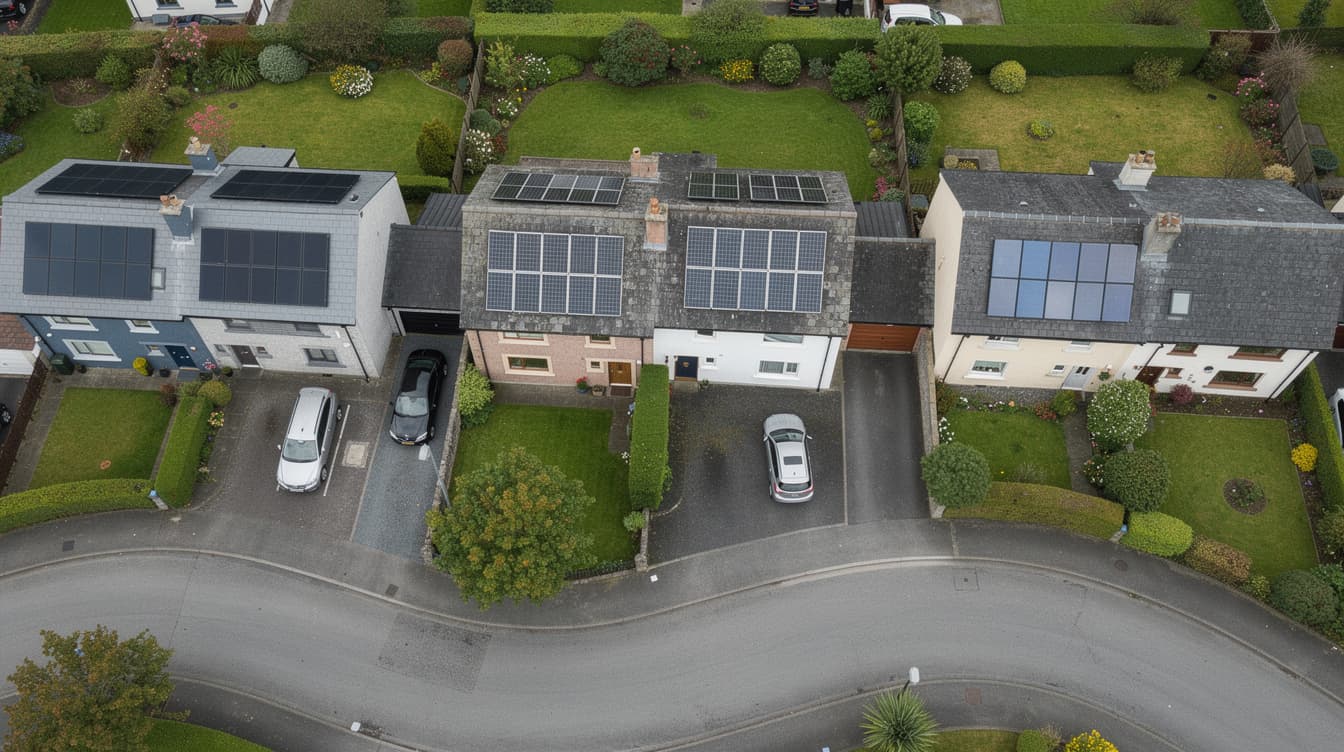
Do Solar Panels Add Value to a House in Ireland? 2026 Data
Short answer: yes, and by more than most Irish homeowners think. Recent Irish market data shows solar-equipped homes attract a measurable price premium via the BER rating uplift, faster time-to-sale, and access to green mortgage rates from AIB, Bank of Ireland and Permanent TSB. On a mid-market €350,000 home, a full-band BER lift from a solar PV install can add anywhere from €18,000 to €49,000 to the sale price.
This guide is a 2026 refresh with the actual numbers Irish estate agents and DEAP assessors use, plus the practical steps to make sure the value uplift shows up on your sale price (rather than getting eaten by paperwork delays).
How Much Value Do Solar Panels Add to an Irish Home?
The uplift comes through three parallel channels – and buyers now factor all three when comparing your home to the one down the road.
- BER grade improvement: Every letter grade higher on the BER cert delivers a measurable sale-price premium, thanks to DEAP’s 1.75x primary-energy multiplier for solar PV.
- Running-cost premium: Buyers now routinely compare projected electricity bills as part of the affordability picture. A house with 4 kWp of solar shows €900–€1,300/year lower running costs on the same square footage.
- Green mortgage access: Irish lenders now offer preferential rates for BER B3 or better, typically 0.1–0.3 percentage points below their standard variable. That single-percent difference can be worth €15,000–€30,000 over a 25-year mortgage.
The BER-linked premium is now well documented in Irish market analyses. Here’s how it maps to sale price:
| BER Grade Move | Typical Sale-Price Uplift | Example on €350,000 Home |
|---|---|---|
| D to C | ~1.7% | +€5,950 |
| D to B | ~5.2% | +€18,200 |
| D to A | ~10–14% | +€35,000 – €49,000 |
Solar PV alone rarely pushes a D-rated home all the way to A – that usually needs insulation and a heat pump too. But a C to B lift is realistic for a typical 4 kWp system with battery, and B3 to B2 or B1 is even more common for already-decent stock. Either way, you cross into the “green mortgage” band, which is often where the second wave of demand kicks in.
Thinking of Adding Solar Before You Sell?
A single BER-grade lift usually returns more than the install cost. Get a free quote from SEAI-registered installers.
Why Solar PV Punches Above Its Weight on the BER Certificate
Ireland’s DEAP (Dwelling Energy Assessment Procedure) engine gives solar PV a 1.75x primary-energy multiplier. In plain English: for every 1 kWh your panels generate, the BER calculation counts it as 1.75 kWh of primary energy saved. That’s why a modest 3 kWp system generating ~2,700 kWh a year gets credited as if you avoided ~4,725 kWh of grid energy – enough to move most homes at least one full BER band.
Practical implication: if your BER cert is more than three years old, get a new one issued after your solar install. Cost: €150–€250. The new cert gets referenced by every buyer’s valuer and mortgage broker, and it’s the single artefact that unlocks the green mortgage rate on the buyer’s side.
What’s Different in 2026 Compared to 2023
Three material changes since this article first ran in 2023:
- SEAI grant: The grant is now up to €1,800 for solar PV (down from the €2,400 headline that ran until early 2024, and much lower than the €3,800 grant that used to be quoted around 2023). Battery grants were discontinued.
- Panel and battery prices have fallen: A typical 4 kWp system installed in Ireland in 2026 lands around €7,500–€9,500 net of the SEAI grant. A 5 kWh battery adds €3,800–€5,500. Compare that to 2023, when the same system was €10,000–€12,000 net.
- Clean Export Guarantee (CEG): Every homeowner now gets paid for surplus solar exported to the grid – typical rates in mid-2026 range from 18 c/kWh to 24 c/kWh, adding €200–€450/year to the value equation.
Bottom line: the underlying cost has dropped, the payback is shorter, and the sale-price premium is now backed by explicit BER-linked market data rather than being anecdotal.
Does the SEAI Grant Get Clawed Back If You Sell?
No. This is the single most common seller misconception. The SEAI Solar PV grant has no clawback clause on sale – once the post-install inspection is signed off, the money is yours regardless of what happens to the property later. What the buyer inherits is a fully installed system that they can’t re-claim the grant on (SEAI grants are one-per-MPRN), but that’s not a negative – they’re moving into a home where the work is already done.
What Buyers’ Solicitors Actually Ask For
The uplift is real, but it only lands on the completed sale price if the paperwork bundle is ready. Buyer solicitors have got noticeably more thorough on solar since 2024. Have this bundle ready before you accept an offer:
- Installer invoice showing panel/inverter/battery makes and models.
- SEAI grant confirmation letter and post-inspection sign-off.
- SEAI Registered Installer certificate.
- ESB Networks NC6 form (mini-generator notification) – already on file against your MPRN.
- Grid export contract (Clean Export Guarantee) with your electricity supplier.
- Manufacturer warranties: panels (25–30 years typical), inverter (10–12 years), battery (10 years).
- Installer workmanship warranty.
- Updated BER cert issued after install.
- RECI/Safe Electric completion certificate.
For the full deep-dive on which documents matter most, contract traps like PPA and leaseback, and how to handle warranty transfer to the new owner, see our companion guide: Selling a House With Solar Panels in Ireland 2026.
Do Buyers Actually Want Solar? What Irish Estate Agents Report
Yes – consistently and increasingly so. Feedback from Dublin, Cork, Galway and Limerick agents in 2026 shows:
- Solar-equipped homes attract 20–30% more viewings per week on average, for equivalent stock.
- Time-on-market is meaningfully shorter for solar homes with a valid updated BER cert.
- Rising electricity prices (Irish households paid ~35 c/kWh average in H1 2026) have made “total cost of running” a live buyer concern rather than a niche one.
- Buyers under 45 in particular treat solar as a de-facto expectation on properties over €400,000 in the Dublin market.
A common misconception: buyers sometimes worry that solar panels “date” a house or hurt aesthetics. In practice, since 2023 the panel design has trended toward all-black frames with no visible busbars, which sit far more discreetly on Irish slate and tile roofs than the older blue-cell designs.
How Much Value Are We Actually Talking About in Euro?
Here’s a worked example for a real-world Irish sale in 2026 – a 3-bed semi in the Dublin commuter belt, purchased for €385,000 five years ago, being sold now:
| Factor | Value Impact | Notes |
|---|---|---|
| Base sale price (no solar) | €420,000 | Baseline C1-rated equivalent |
| BER lift C1 → B2 from 4 kWp + 5 kWh battery | +€14,700 | ~3.5% uplift |
| Green mortgage effect (buyer) | Expands buyer pool | More viewings; supports upper end of the price range |
| Estimated final sale price | €434,700 | Net solar uplift ~€14,700 |
| Original solar install cost (net grant) | €9,200 | 4 kWp + 5 kWh + grant €1,800 |
| Net gain at sale (capital only) | +€5,500 | Plus 5 years of bill savings ~€6,000 |
Even ignoring the running-cost savings the current owner enjoyed for five years, the solar system pays back its own install cost and delivers a ~€5,500 residual capital gain on sale. That’s before you count the €5,000–€7,000 in electricity bills you didn’t pay during ownership.
Get 2026 Solar Prices for Your Home
SEAI grant €1,800, 0% VAT and typical 4 kWp systems from €7,500 installed. Free comparison quote.
What Reduces the Value Uplift?
Not every solar install adds the full uplift. Situations where the market discount is smaller:
- System is under a leaseback or PPA contract: Buyer inherits a lease liability on the property. The uplift is reduced or eliminated.
- Undocumented DIY install: No SEAI paperwork, no NC6 form, no RECI cert. Some buyers will walk away entirely; others will negotiate the price down.
- Very old inverter or panels near end-of-warranty: If the inverter is 12+ years old (past typical warranty), buyers price in a replacement cost of €1,500–€2,500.
- Aesthetic issues on prominent street-facing roof: On protected structures or in high-visibility conservation areas, badly placed panels can be a mild negative rather than a positive.
The good news: none of these apply to a standard SEAI-grant-funded install with the paperwork in order. Which is most Irish installs since 2020.
Choosing an Installer With the Sale in Mind
If you already own solar, this doesn’t apply retroactively – but if you’re about to install and know you may sell within 5–10 years, three things matter more than usual:
- Pick an SEAI-registered installer from day one. See our county-by-county installer directory for verified companies.
- Insist on a workmanship warranty that transfers with the property (not just to the original customer).
- Store every scrap of documentation in a labelled folder. Future you (or your solicitor) will save weeks by having it ready.
Frequently Asked Questions
Do solar panels put buyers off in Ireland?
Very rarely in 2026. The rising cost of grid electricity has flipped the buyer perception from “a curious add-on” to “a serious saving.” Estate agents now list solar as a headline feature almost universally.
Do I need to leave the panels when I sell?
Yes. Panels are legally treated as a fixture of the property under Irish conveyancing practice. Removing them pre-sale would damage the roof, void warranties, and reduce your price by more than any resale value on the second-hand panel market.
What if my BER cert is old?
Get it renewed after any efficiency upgrades. A new cert costs €150–€250. On a €350,000 home, the difference between a stale cert showing your pre-solar C1 and a fresh one showing B2 is easily worth €10,000–€15,000.
Does adding a battery boost the sale price beyond the panels alone?
Yes, marginally – primarily via the DEAP model treating self-consumed solar more favourably than exported solar. A battery also enables blackout backup, which is now a real selling point (see our power cuts guide for detail).
Are green mortgages actually cheaper?
Yes. AIB, Bank of Ireland and Permanent TSB all offer green mortgage rates for BER B3 or better, typically 0.1–0.3 percentage points below their standard variable. Over a 25-year €300,000 mortgage, that’s worth roughly €15,000–€30,000 in total interest.
What if I’m in Northern Ireland?
Different market and grant regime, but the same underlying principle applies – the NIE Networks G98/G99 process is similar to ESB Networks, and buyers price energy efficiency into offers there too. Rates and grants differ; check current NI Energy Saving Trust guidance.
Where can I get a proper valuation?
Any RICS or SCSI-registered valuer will consider solar and the current BER cert as part of a comparable-property analysis. Ask specifically for their view on the BER-linked uplift for your postcode.
Ready to Add Value – and Save on Bills?
Free quote from SEAI-registered installers with grant and paperwork handled from day one.
Last updated: July 2026. BER premium data reflects Irish market analyses of energy-efficient home sales. SEAI grant amounts and eligibility verified against seai.ie.
Related Articles
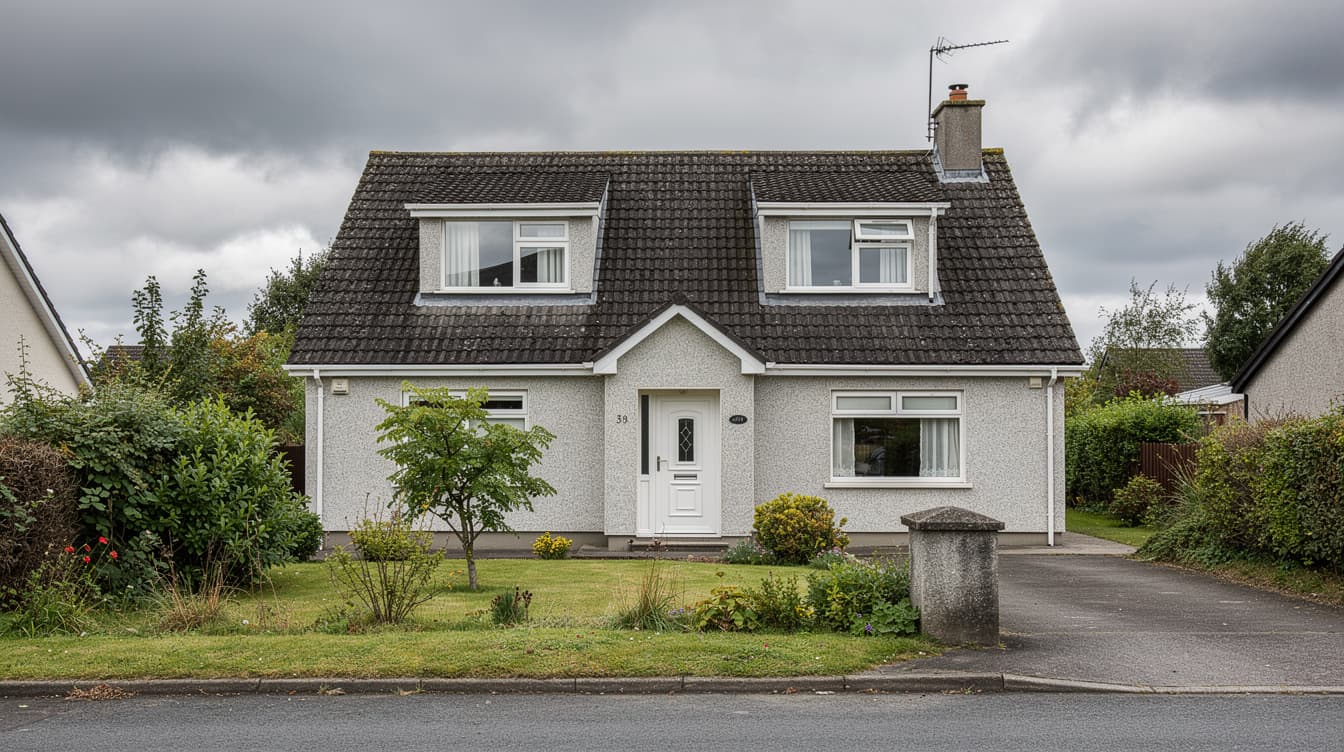
C1 & C2 BER Rating Ireland 2026: What It Means, Running Costs & How to Upgrade
C1 and C2 BER ratings explained for Irish homes in 2026: kWh/m²/yr, running costs, retrofit sequence and how solar shifts C1 into B territory.
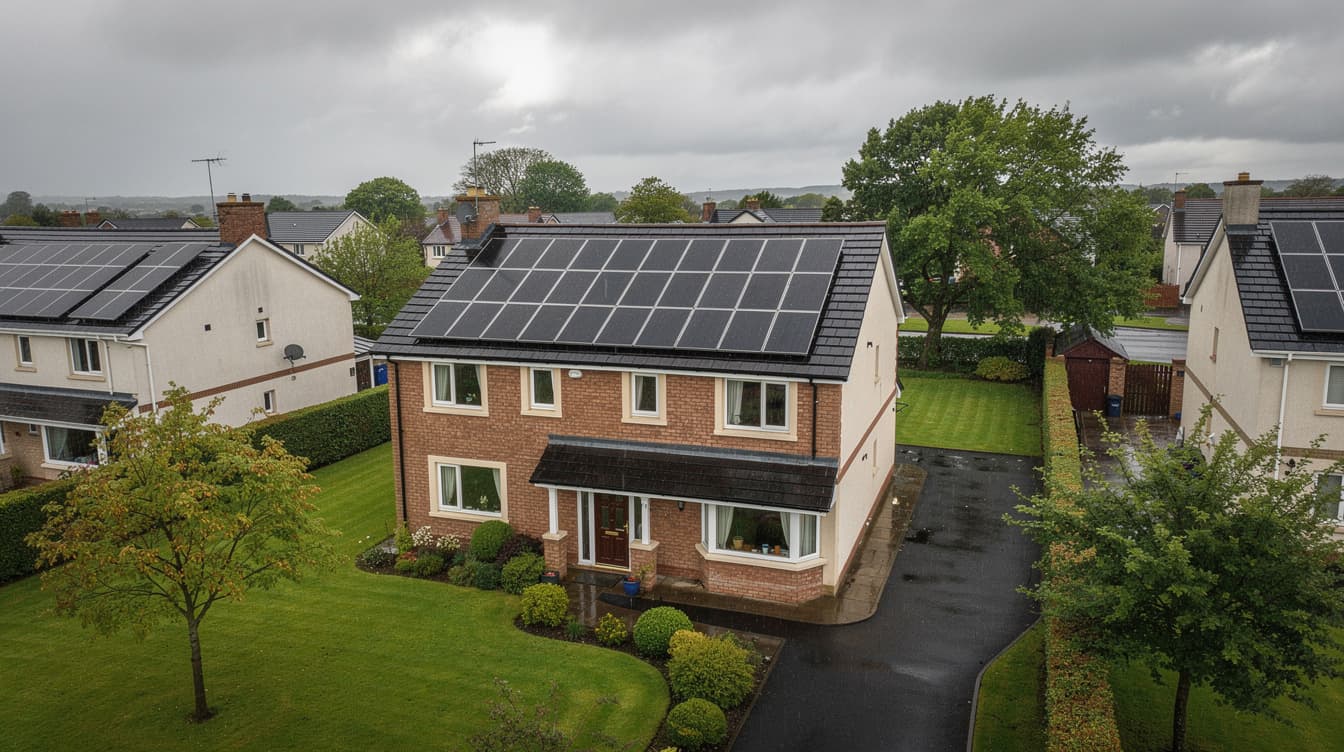
5 kWp Solar System Cost Ireland 2026: Price, Output, Payback & Sizing Guide
5 kWp solar PV in Ireland 2026 costs €9,050 net after grant. 4,300-4,700 kWh/yr output, payback vs 4 kWp and 6 kWp sizes, and battery pairing.
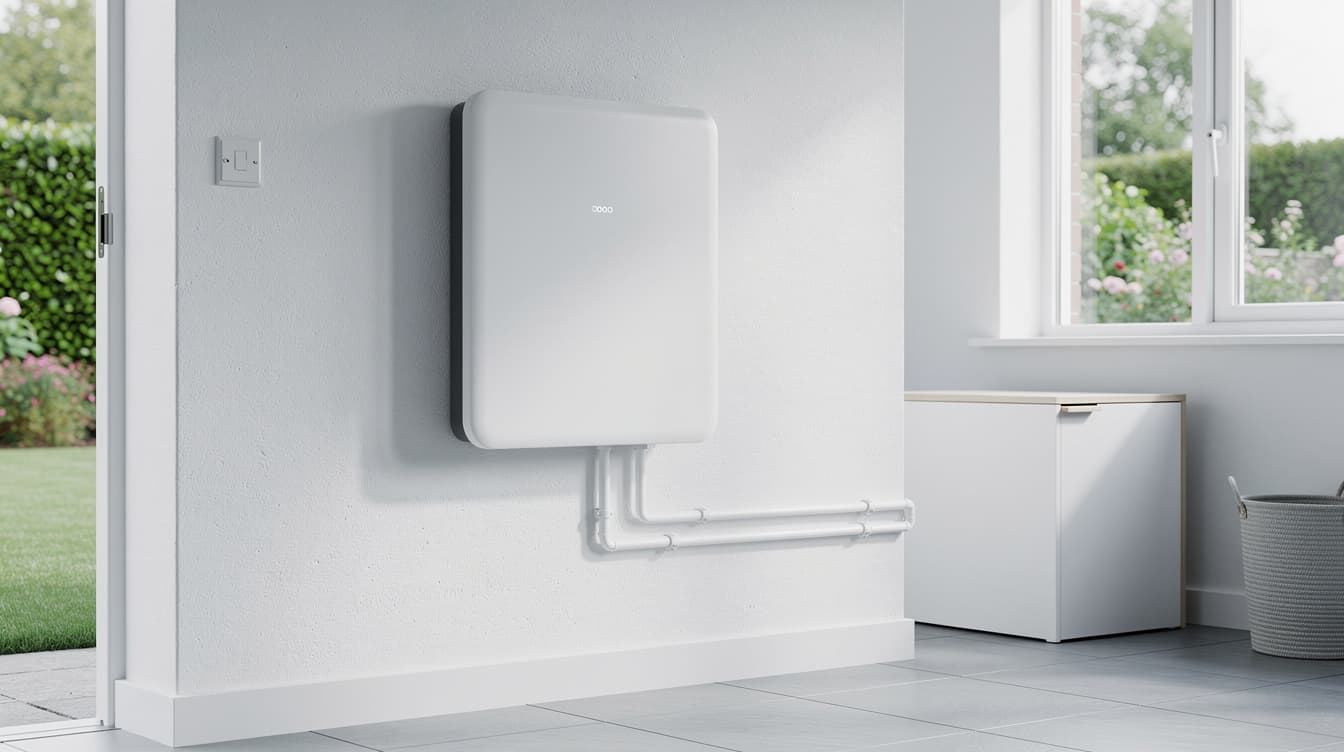
Solar Battery Brands Ireland 2026: Tesla Powerwall 3 vs BYD vs Pylontech vs Sigenergy vs Sunsynk Compared
Compare Tesla Powerwall 3, BYD, Pylontech Force H2, Sigenergy and Sunsynk for Irish homes in 2026: installed prices, warranties, cycle counts, backup and V2G.