
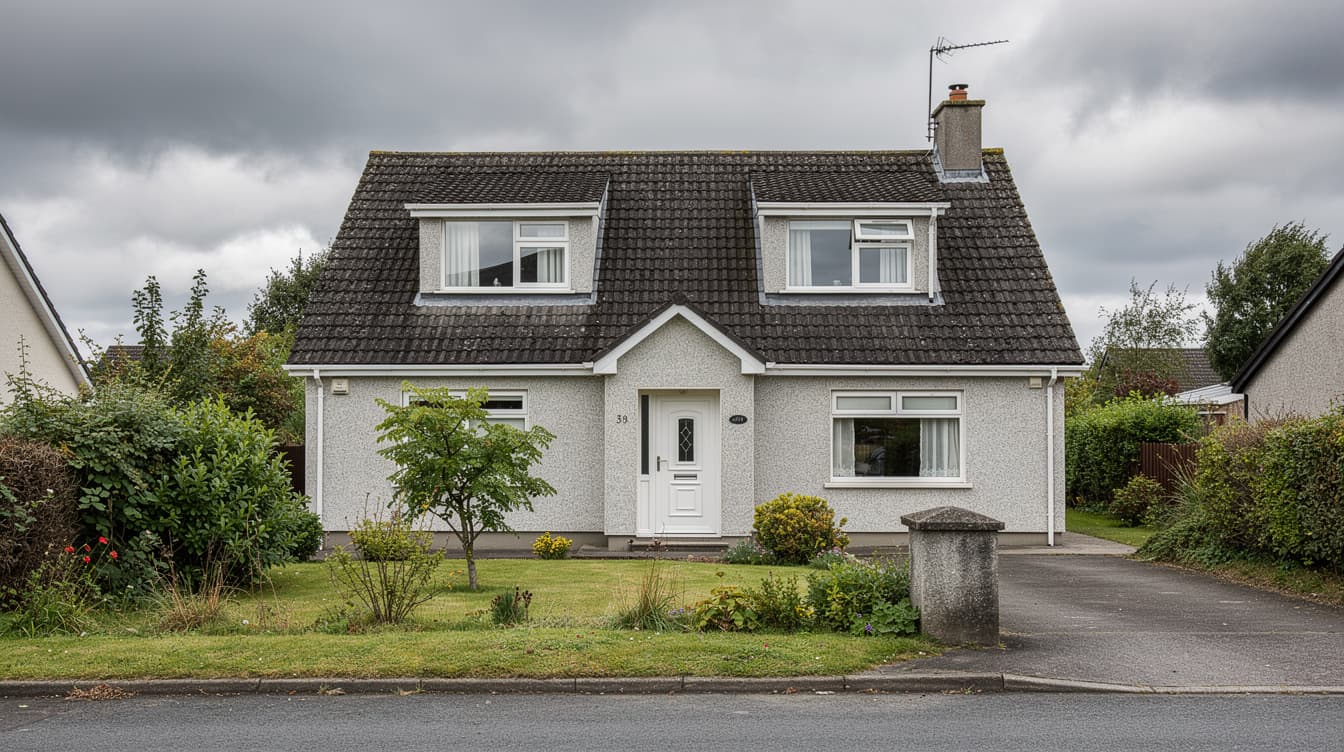
C1 & C2 BER Rating Ireland 2026: What It Means, Running Costs & How to Upgrade
If your BER cert reads C1 or C2, you’re in the largest single band of Irish housing — roughly 28% of all rated homes sit somewhere between C1 and C2, according to the CSO’s National BER Register at end-Q2 2026. It’s a functional rating: your home is broadly compliant with building standards of its era but well short of anything considered energy-efficient by 2026 norms. This guide unpacks what C1 and C2 actually mean in kWh/m²/yr, what they cost you in real annual running costs, and the retrofit path that shifts a C1 or C2 home into the B1/B2 comfort zone — without any of the sales-talk nonsense.
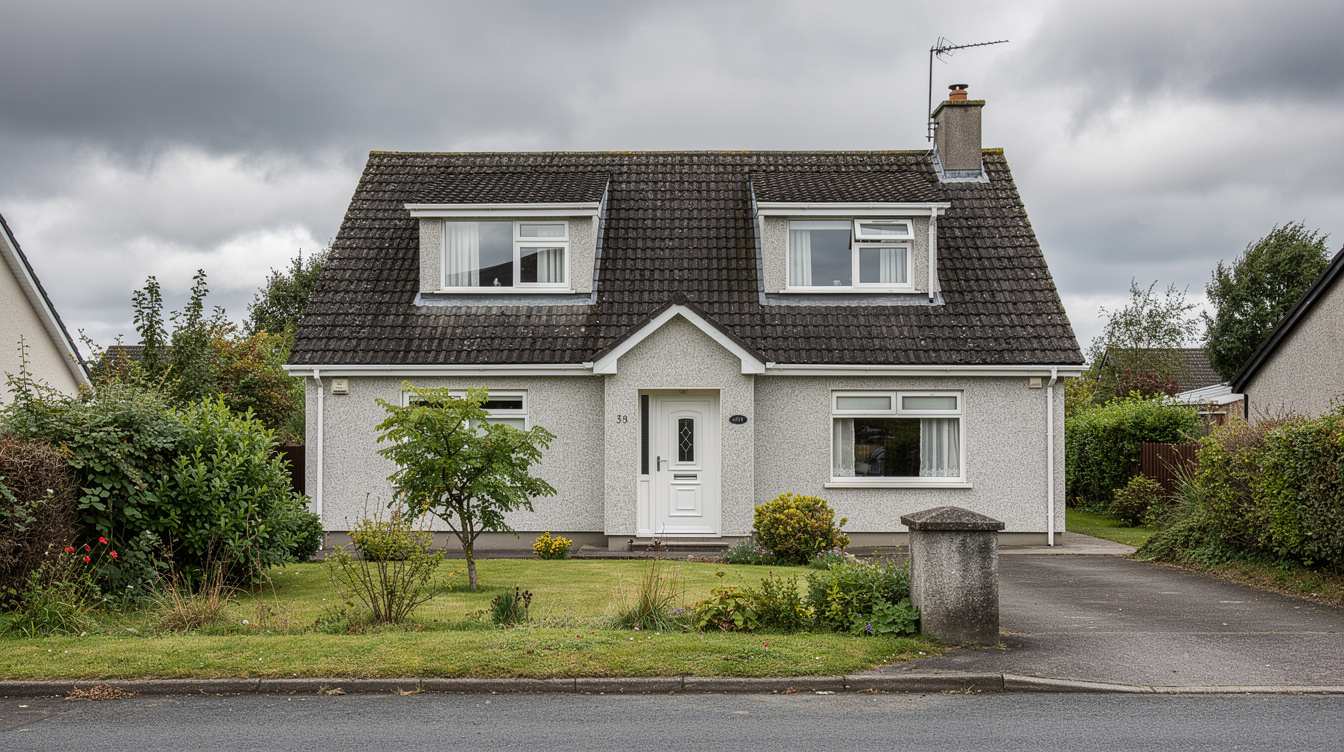
The plain-English numbers
BER is measured in kWh of primary energy per square metre per year — how much energy the fabric of the home is calculated to need for heating, hot water, ventilation and lighting under standardised occupancy conditions. Lower is better. The C bands look like this:
| Grade | Primary energy (kWh/m²/yr) | Typical era | Typical annual energy cost* |
|---|---|---|---|
| C1 | 175 – 200 | 1997–2005 build, or 1980s home with partial retrofit | €2,600–€3,100 (gas) / €3,700–€4,400 (oil) |
| C2 | 200 – 225 | 1980s–early 1990s, cavity-walled but no upgrades | €3,000–€3,500 (gas) / €4,300–€5,000 (oil) |
| C3 | 225 – 260 | Older 1970s stock without upgrade | €3,500–€4,000 (gas) / €5,000–€5,800 (oil) |
*Based on a 130 m² semi-detached home at Q3 2026 rates (gas standard tariff 12.4c/kWh; kerosene 145c/litre; residential electricity 42.8c/kWh, standing charges excluded).
C1 vs C2 — what’s actually different?
The 25 kWh/m² gap between C1 and C2 is small on paper — roughly 12% lower energy demand — but it usually reflects one or two specific improvements already made to the C1 home:
- C1 homes typically have upgraded attic insulation (200–300 mm of mineral wool) plus some form of cavity insulation. C2 homes often have the original 1980s-era 60–100 mm attic quilt and empty cavity walls.
- C1 homes usually have a modern condensing boiler (post-2010, 90%+ efficiency). C2 homes may still be running a 1990s non-condensing gas boiler at 70–80% efficiency.
- C1 homes tend to have double-glazed uPVC windows installed in the 2000s. C2 homes sometimes still have single-glazed or first-generation double-glazed timber frames.
In practice, most C2 homes are one meaningful upgrade (attic insulation top-up, cavity fill, or boiler replacement) away from being a C1. And most C1 homes are one meaningful upgrade away from being a B3.
What running C1 or C2 costs in 2026
With residential electricity at 42.8c/kWh, gas at ~12.4c/kWh standard tariff, and heating oil hovering near 145c/litre in early August 2026, the running-cost gap between a C2 and a B3 home is roughly €1,100–€1,600/year for a 130 m² family home. Over 10 years, that’s €11,000–€16,000 — not far off the cost of a full deep retrofit.
Broken down by end-use:
| End-use | C2 (130 m²) | C1 (130 m²) | B3 target |
|---|---|---|---|
| Space heating | €2,200–€2,600 | €1,850–€2,150 | €1,050–€1,400 |
| Hot water | €480–€620 | €450–€580 | €330–€450 |
| Lighting + fans | €280–€340 | €280–€340 | €250–€310 |
| Total | €3,000–€3,500 | €2,600–€3,100 | €1,650–€2,150 |
Note that these are running-cost estimates for a standard household under BER-assumed occupancy. Your actual bill will depend heavily on thermostat setpoint, occupancy hours, hot-water use, and whether the boiler is properly commissioned.
Curious What Your BER Would Score?
Get 3 free quotes for a solar + battery install and see how much you’d save vs your current BER band.
The upgrade path from C2 to C1 — and beyond
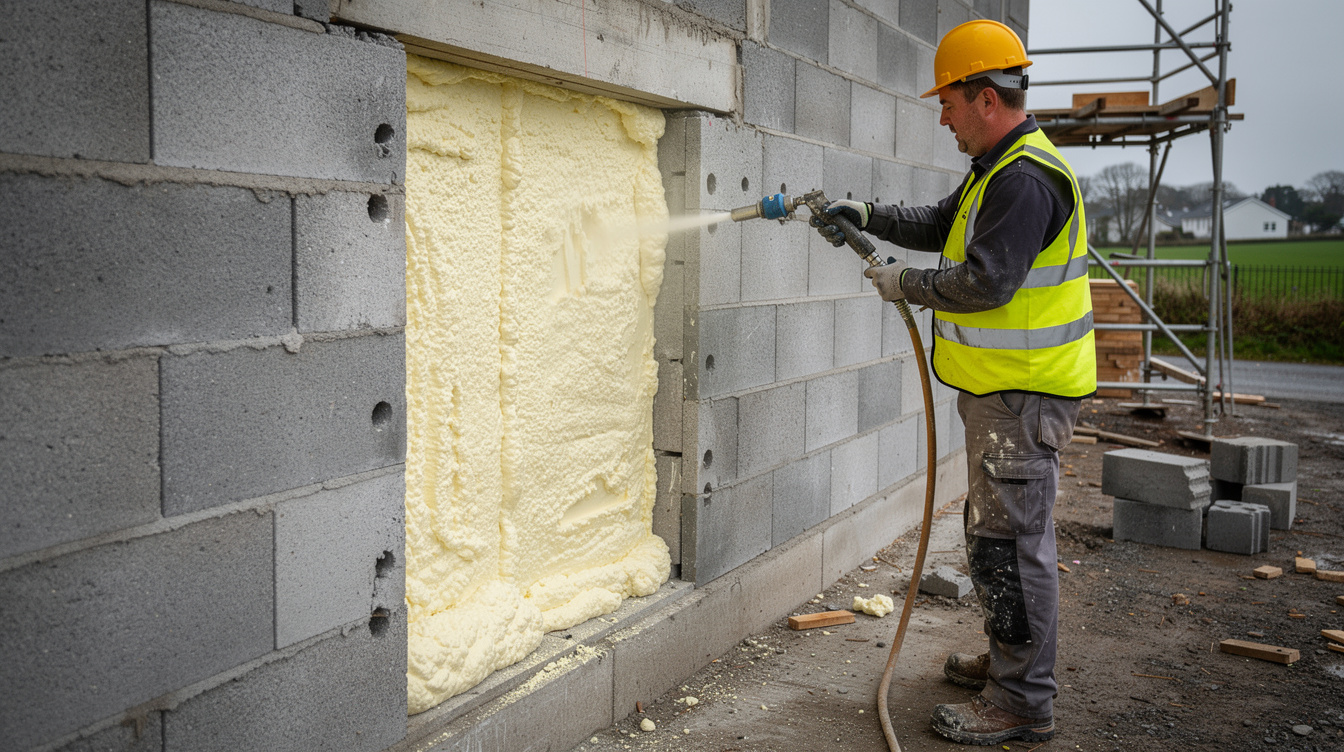
The shortest route from C2 to C1 in a typical Irish home is a combination of cavity wall insulation and an attic top-up:
Step 1: Attic insulation top-up (SEAI grant €1,700)
Bring existing attic quilt from 100–150 mm up to 300–400 mm. Cost around €1,800–€2,600 (net after grant: €100–€900). Typically shifts the BER by 5–10 kWh/m²/yr — enough to jump a C2 into a C1 on its own if you were near the top of C2.
Step 2: Cavity wall insulation (SEAI grant €1,500)
Pumped bead or foam into the empty cavity of a 1980s–2000s cavity-block home. Cost around €2,500–€3,800 (net €1,000–€2,300). Shifts BER by 15–25 kWh/m²/yr — often a full grade improvement (C2 to C1, or C1 to B3).
Step 3: Heating controls upgrade (SEAI grant €700)
Modern zone controls, smart thermostat, TRVs on radiators. Cost around €1,100–€1,600 (net €400–€900). Improves BER by 3–8 kWh/m²/yr and cuts real bills by 8–12% by preventing over-heating.
Step 4: Solar PV (SEAI grant €1,800)
A 4–5 kWp solar PV system with a hybrid inverter shifts BER by 15–30 kWh/m²/yr in most Irish homes — enough on its own to move a C1 into a B2 or B3. Gross €9,000–€11,000 (net €7,200–€9,200). See our 5 kWp cost breakdown.
Step 5: Windows and doors (no grant)
Triple-glazed windows in a typical 3-bed semi cost €9,000–€15,000 (no grant unless part of a One-Stop-Shop deep retrofit). BER shift 8–15 kWh/m²/yr. Rarely economical as a single measure — better bundled with a full retrofit.
Step 6: Heat pump (SEAI grant €6,500)
Air-to-water heat pump replacing oil or gas boiler. Only makes sense once the fabric is upgraded first (attic + walls + windows) — a heat pump in a poorly-insulated home runs at low COP and can cost more to run than a gas boiler. Gross €13,000–€18,000 (net €6,500–€11,500). BER shift 25–50 kWh/m²/yr — alone can lift a C1 to a B1.
What each measure gets you in BER points
| Measure | BER shift (kWh/m²/yr) | Cost (net after grant) | Payback |
|---|---|---|---|
| Attic top-up | −5 to −10 | €100–€900 | 1–3 yrs |
| Cavity wall | −15 to −25 | €1,000–€2,300 | 2–4 yrs |
| Heating controls | −3 to −8 | €400–€900 | 2–4 yrs |
| Solar PV (4–5 kWp) | −15 to −30 | €7,200–€9,200 | 7–9 yrs |
| Triple glazing | −8 to −15 | €9,000–€15,000 | 15+ yrs |
| Air-to-water heat pump | −25 to −50 | €6,500–€11,500 | 10–14 yrs |
The pragmatic upgrade sequence for a C2 home
If your home is currently a C2, the best-return sequence in Q3 2026 pricing is roughly:
- Attic top-up first. Cheapest measure, biggest impact per euro, and prevents heat loss through the biggest thermal weak point.
- Cavity wall insulation second. Usually a full grade shift on its own. Combined with the attic top-up, most C2 homes land firmly in C1 territory.
- Heating controls third. Cheap, quick, and often makes a real-world 8–12% saving even if the BER shift looks small.
- Solar PV fourth. By this stage you’re a C1 or a B3, and the solar array will typically bump you into B2/B1. Also cuts the running cost of the (soon-to-be) heat pump.
- Heat pump last (if the boiler is due). Only economically sensible after the fabric is upgraded and if the boiler is near end-of-life anyway.
The solar-only shortcut for C1 and C2 homes
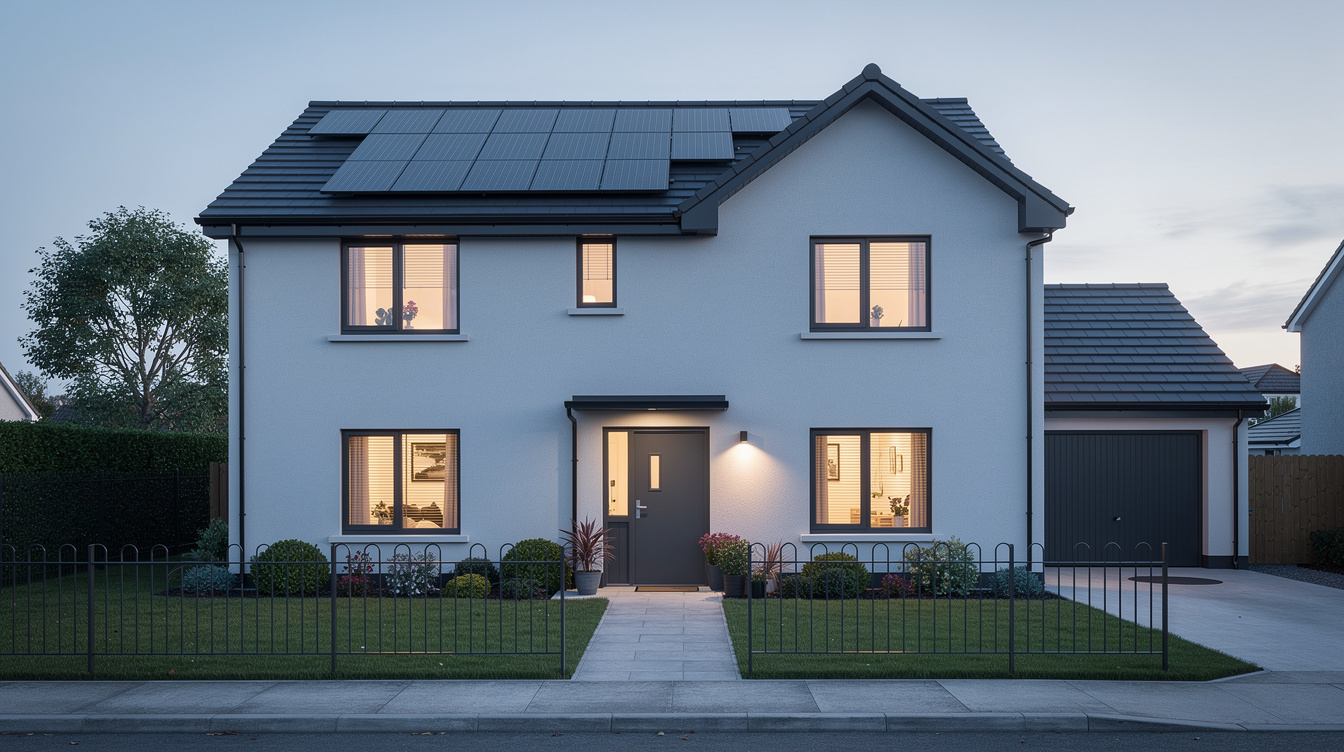
Not every homeowner has the budget or appetite for a deep retrofit. If you can only do one measure, a solar PV install alone often makes a bigger BER difference than any single insulation upgrade — and (with the SEAI grant) it’s the retrofit measure with the shortest payback in Ireland today.
A 4 kWp system on a C2 home typically shifts the BER by 15–20 kWh/m²/yr, moving most C2 ratings up to a C1 or a B3. On a C1 home, the same install often moves the BER to B2 or B1. Full breakdown in our solar and BER improvement guide.
The bonus vs pure insulation measures: solar PV generates real cash back in export payments (Clean Export Guarantee) and cuts your grid import bill by 30–60%. Insulation only reduces bills; solar reduces bills and pays you.
Getting a new BER assessment done
Once you’ve completed retrofit works, you need a new BER assessment to update your rating. As of end-July 2026 there are 462 SEAI-registered live BER assessors nationally (up from 448 in June), median assessment fee €175–€295 depending on floor area, and typical wait time is 2–3 weeks. See our BER rating calculator guide for a rough pre-assessment estimate.
The new BER cert is valid for 10 years and is required to update your listing on the National BER Register — and to substantiate the “C1” or “B3” claim in property listings if you go to sell.
Does a C1 or C2 rating hurt your property value?
Yes, meaningfully. According to a Central Bank of Ireland working paper (June 2025) and updated market analysis by MyHome.ie in early 2026, energy rating now shows a measurable premium/discount in Irish house prices:
- A1–A3 homes: 8–13% premium vs the median for their type/area.
- B1–B3 homes: 3–6% premium.
- C1–C2 homes: roughly at market rate.
- C3–D2 homes: 2–5% discount.
- E1 and below: 6–15% discount, and rising rapidly as mortgage lenders tighten green-mortgage eligibility.
Bringing a C2 home to a B3 rating typically adds €10,000–€28,000 to market value on a €375,000 semi — often more than the cost of the upgrades themselves.
Ready to Move from C to B?
Solar is the highest-payback single measure that shifts a C1 or C2 home into B territory. Get 3 free quotes from SEAI-registered installers.
Common mistakes C1/C2 homeowners make
- Installing a heat pump before insulating. A heat pump in a C2 home runs at a low seasonal COP (2.5–3.0) and often costs more to run than the gas boiler it replaced. Do the fabric first.
- Skipping the BER re-assessment after works. If you don’t update the rating, you don’t get the property-value uplift when selling. €250 spent on the reassessment can add €10,000–€25,000 to the sale price.
- Assuming triple-glazed windows are a priority. They’re last on the payback list unless the existing frames are literally rotting. Cavity wall insulation gives 3–5x the BER shift per euro spent.
- Not applying for grants correctly. SEAI Better Energy Homes grants must be applied for before works start — retrospective claims are refused. Do the paperwork first, not after.
FAQ
Is my home’s C1 or C2 rating shown on my property listing?
Yes — since 2013 all Irish property listings (sale or rent) must show the current BER grade. Buyers now filter on daft.ie and MyHome.ie by BER band, so a C1 vs C2 label affects who sees the listing.
How much does a BER assessment cost in 2026?
Between €175 and €295 for a typical residential property, depending on floor area and complexity. Homes over 200 m² or those with unusual layouts sit at the top of the range. All 462 SEAI-registered assessors nationally must charge under transparent, published rates — if a quote seems dramatically off market, get a second quote.
Can I self-assess to C1 or C2?
No. A BER cert can only be issued by an SEAI-registered assessor who visits the property, records fabric measurements, glazing types, boiler details, and inputs them into the SEAI’s DEAP (Dwelling Energy Assessment Procedure) software. You can estimate your rating in advance using SEAI’s DEAP indicators, but the cert itself requires the assessor visit.
Will solar panels alone move me from C1 to B2 or B3?
In most typical Irish homes, yes. A 4–5 kWp solar PV system typically shifts a C1 home by 15–25 kWh/m²/yr — enough to jump one full grade (into B3) and often into B2. Combined with any single fabric upgrade (cavity wall or attic top-up), an A3 rating is realistic for a 1990s C1 home.
Do I need SEAI grant approval before starting works?
Yes, for all SEAI grants (Better Energy Homes, Solar PV, One-Stop-Shop). Grant approval must be issued in writing before contractors begin. Retrospective applications are refused — start the grant paperwork 4–6 weeks before your intended install date.
What’s the fastest route from C2 to A3?
Deep retrofit via the SEAI One-Stop-Shop scheme — combining external wall insulation, attic top-up, triple glazing, heat pump and solar PV in one project. Gross cost typically €60,000–€90,000, with grants of €24,000–€36,000 available. Payback horizon is 18–25 years but delivers immediate comfort and property-value uplift.
Bottom line
C1 and C2 homes are the mid-band of Irish housing — not efficient, not disastrous, but leaving €1,100–€1,600 a year on the table vs a well-upgraded B3. The good news: the sequence to move up is well-worn, most measures have SEAI grant support in 2026, and a single well-chosen upgrade (solar PV in particular) often shifts the rating by a full grade on its own. Start with attic and cavity insulation if the fabric is untouched, layer solar PV once the fabric is decent, and leave the heat pump swap until the boiler is due — that’s the highest-return path from C to B in 2026 Ireland.
Boost Your BER with Solar
A 4-5 kWp solar install is the fastest single-measure route from C1 or C2 into B territory. Get 3 free SEAI-registered quotes.
Related Articles
A1, A2, A3 BER Rating Ireland 2026: What Each A-Grade Means & the Cost to Reach One
A1, A2 and A3 BER ratings explained for Irish homes in 2026: kWh/m²/yr thresholds, retrofit costs to reach each grade, resale premium and why A2 is usually the sensible stopping point.
BER Assessment Cost Ireland 2026: What You Pay, Who Does It & When You Need One
What a BER assessment costs in Ireland in 2026: typical €150-€350 range, what drives the price, when you legally need one, and how to book a SEAI-registered assessor.
Green Mortgages Ireland 2026: How Solar Panels Unlock Cheaper Rates from AIB, BOI, PTSB, Haven & Avant
How Irish green mortgages work in 2026, what BER you need, and where a solar install pays back inside the mortgage itself. AIB, BOI, PTSB, Haven, Avant.