
BER Assessment Cost Ireland 2026: What You Pay, Who Does It & When You Need One
A BER assessment in Ireland costs between €150 and €350 in August 2026 for a typical residential home, with most 3-4 bed semi-detached properties landing at €180–€250. There’s no fixed national fee — every SEAI-registered assessor sets their own price — so what you actually pay depends on the floor area of your home, where you live, and whether you shop around. This guide breaks down exactly what drives the number, when you legally need a BER cert, and how to book without getting rinsed.
What you’ll actually pay in 2026
The BER assessment market in Ireland is completely deregulated on price. SEAI publishes no maximum or minimum — assessors compete freely, and the going rate has crept up gradually since the 2023 spike in retrofit demand. Here’s where the market sits at start of August 2026:
| Property type | Typical floor area | 2026 price range (inc. VAT) |
|---|---|---|
| 1-bed apartment | 40–55 m² | €140 – €180 |
| 2-bed apartment or terraced | 60–80 m² | €150 – €200 |
| 3-bed semi-detached | 85–110 m² | €180 – €230 |
| 4-bed semi or detached | 110–160 m² | €200 – €280 |
| 5-bed detached or dormer | 160–220 m² | €240 – €330 |
| Large detached or self-build | 220–300+ m² | €280 – €400 |
Prices in Dublin, Cork city and Galway city tend to sit at the lower end of each band because there are more assessors competing for work. Rural West of Ireland, Donegal, Kerry and inland counties can add a €30–€60 travel surcharge, especially if the property is more than 25 km from the assessor’s base.
Why the price varies so much
Five factors move the number more than anything else:
- Floor area — the biggest single driver. BER software requires the assessor to enter room-by-room dimensions and note every window, door, radiator and light fitting. A 220 m² five-bed takes roughly twice the desk time of an 80 m² two-bed apartment.
- Property complexity. Standard boxy semi-D: quick. Dormer bungalow with extensions, converted attics, sunrooms and mixed heating systems: much slower. Every irregular room and glazed extension needs its own thermal envelope calculation.
- Location. Urban assessors are cheaper because they can fit two or three visits into a day. Rural jobs cost more because a single visit eats the assessor’s morning.
- Turnaround speed. Standard turnaround is 5–10 working days from the visit to the cert being uploaded to SEAI’s National BER Register. Most assessors will do a 48-hour fast-track for a €40–€80 rush fee, useful when a property sale is time-critical.
- New-build vs existing home. New-build assessments (required for Building Control sign-off) are more involved because the assessor has to review architectural drawings, u-value calculations and heating system specs — expect €350–€550 for a self-build BER on a 180–220 m² house.
When you legally need a BER cert
Under the European Union (Energy Performance of Buildings) Regulations 2019 (as amended), a valid BER cert is legally required in these situations:
You need a BER cert when…
- Selling a home — the BER rating must appear in every advertisement (Daft.ie, MyHome.ie, estate agent window cards) and the cert must be provided to the buyer before contracts are signed. Fines up to €5,000 for non-compliance, though enforcement is via SEAI complaint channel rather than routine inspection.
- Letting a home — same rule applies. Property must be advertised with its BER and the incoming tenant must receive a copy of the cert. Applies to whole-home lets, not room rentals in owner-occupied houses.
- New builds at completion — the developer or self-builder must produce a valid BER before the Building Energy Rating is entered on the Building Control Management System (BCMS) commencement notice cycle.
- Certain SEAI grant applications — the One-Stop-Shop €25,000–€30,000 whole-home grant pathway requires a pre-works BER and a mandatory post-works BER, both at the homeowner’s cost (typically covered inside the OSS project fee). The individual Better Energy Homes grants (attic, cavity, heating controls, solar PV) do NOT require a BER, but a post-works BER is strongly recommended so the improved rating is on the register when you sell.
- Vacant Property Refurbishment Grant claim closeout — a post-works BER is now required to demonstrate the property is habitable and energy-compliant for the €50,000 (or €70,000 derelict) grant to be released.
You don’t need a BER for renovation works you’re doing on a house you plan to keep living in, unless you’re also drawing OSS grants. And you don’t need a BER for short-term lets under the Rent-a-Room scheme (letting a room in your own home).
How long a BER is valid for
A BER cert is valid for 10 years from the date of issue, provided nothing significant is done to the fabric or heating system in the meantime. Major works — new heat pump, external wall insulation, attic upgrade, window replacement, solar PV install — effectively invalidate the old cert. You’re not legally required to get a new one immediately, but the old rating no longer represents your home and you’ll want a refreshed cert before selling or drawing a grant.
If you had a BER done in 2016 or earlier for a house sale that never happened, that cert has now expired and you’ll need a fresh assessment.
What actually happens on the day
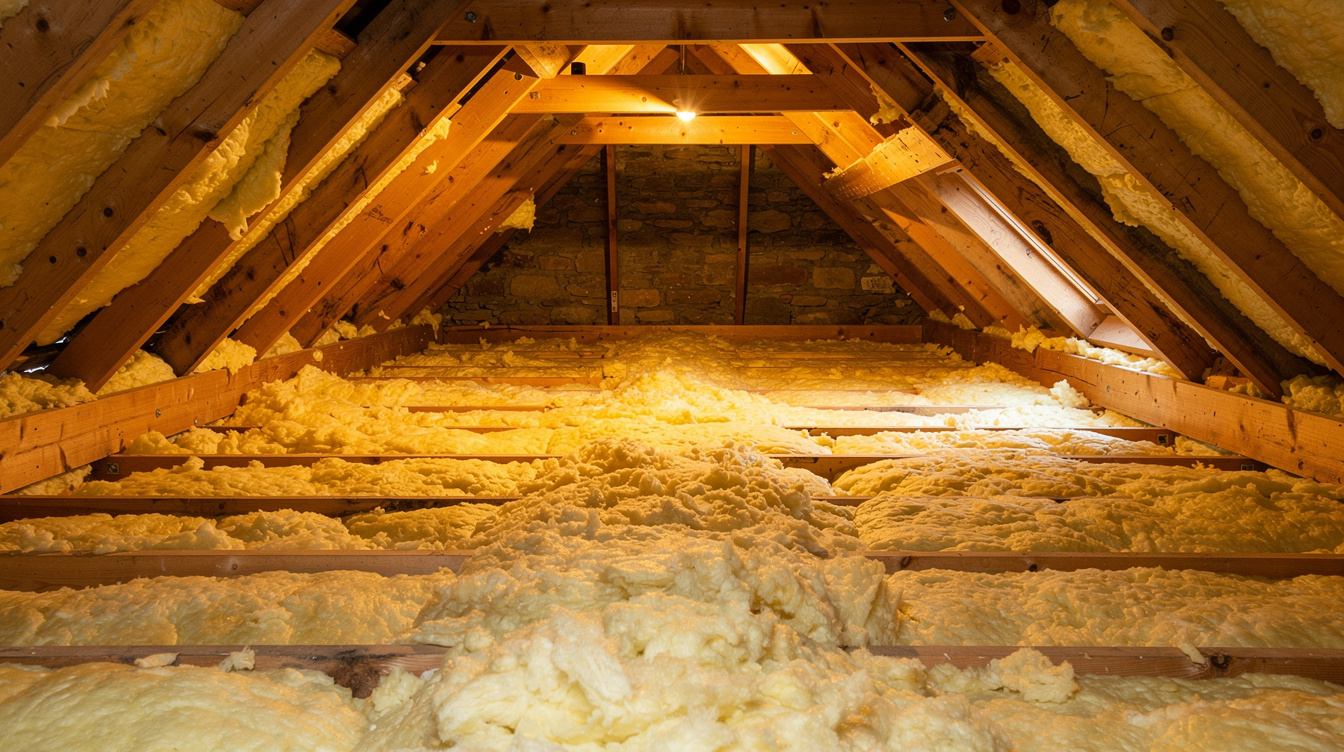
A BER assessment is not intrusive. The assessor arrives with a laser measure, a camera and a laptop or tablet running SEAI-approved DEAP (Dwelling Energy Assessment Procedure) software. The visit lasts 60–90 minutes for a standard home, 2 hours for a large or complex one. They’ll:
- Measure every room and note ceiling heights
- Photograph and note the age, type and condition of every window and external door
- Check the type and depth of attic insulation (they’ll go up the ladder into the attic)
- Check wall construction (cavity, solid, timber-frame) and look for insulation gaps at hatches and services
- Note every heating source: boiler make/model/year, radiators, thermostats, zone controls, hot water cylinder and lagging
- Note secondary heating (stoves, open fires, immersion, direct electric)
- Note ventilation strategy: window vents, extract fans, MVHR
- Note any renewables: solar PV, solar thermal, heat pump, wood pellet boiler
- Take photos of all key elements for their records
You don’t need to clear the attic or move furniture. But do have to hand: the make and model number of your boiler, the year of any window replacements, any documentation on cavity or external wall insulation works, and the SEAI declaration numbers of any past grants. Having these ready can shave €20–€40 off the price because it saves the assessor default-assumption penalties.
How to find a SEAI-registered assessor
Only assessors on the National Register of BER Assessors (maintained by SEAI) can produce a valid BER cert. Anyone else charging for “energy assessments” is not producing legally recognised documentation.
Three ways to find one:
- SEAI’s official Find an Assessor tool at ndber.seai.ie — enter your Eircode and it shows every registered assessor within your area, with their assessment count and years registered.
- Get 3 quotes. Prices can vary by €80–€120 for the exact same job across three assessors in the same town. It’s worth the 10 minutes of phone calls.
- Bundle with retrofit work. If you’re getting attic insulation, cavity fill or solar PV done, many installers offer a discounted or free post-works BER as part of the package. Ask before signing the works contract, not after.
Planning solar as part of a BER upgrade?
Get your free personalised solar PV quote from SEAI-registered installers — a 4kWp system typically shifts a C1 home to B3.
What a BER cert actually tells you (and what it doesn’t)
The cert you receive lists your primary energy value in kWh/m²/yr, your grade (A1 through G), CO₂ emissions per m² per year, and an advisory report suggesting the highest-impact upgrades for your specific home. The advisory report is genuinely useful — it’s tailored to your fabric and heating system, not generic advice, and it’s the first thing to read before ordering retrofit works.
What it does not tell you: your actual annual energy bill. The DEAP model uses standardised occupancy (a two-adult household, 21°C heating setpoint, 20–22 hours of use in winter) which under- or over-estimates every real household. Two identical houses next to each other with identical BERs will have wildly different bills depending on how many people live there, whether they work from home, and whether they keep the heating on constantly or run it in bursts.
Common cost mistakes to avoid
1. Applying for a grant before getting the pre-works BER
For OSS whole-home grants and VPRG closeouts, the pre-works BER has to be dated before the works commence. If you get the BER after the boiler is out or the insulation is in, SEAI will reject it. This is the single most expensive scheduling mistake in Irish retrofits — homeowners have lost €15,000+ grant payments because of it.
2. Paying full price for a rush-turnaround when you don’t need one
Standard 5–10 day turnaround is fine for 95% of situations. Only pay the €40–€80 fast-track fee if your solicitor is genuinely waiting on the cert to close a sale.
3. Assuming your builder’s BER is transferable
A new-build BER from 2020 issued to the developer at Practical Completion is your BER when you buy the house. But if the builder installed solar PV, a heat pump or extra insulation as an upgrade after PC, those aren’t on the cert. You’ll want a fresh BER to capture the true rating.
4. Trusting the online “BER estimator” tools too heavily
Online estimators (including ours) are useful for ballparking whether you’re a C or a B before spending €200. They’re not a substitute for the real assessment because they can’t see your attic insulation, your window u-values or your boiler model. Never quote an online estimate to a buyer or tenant.
How solar PV shifts your BER
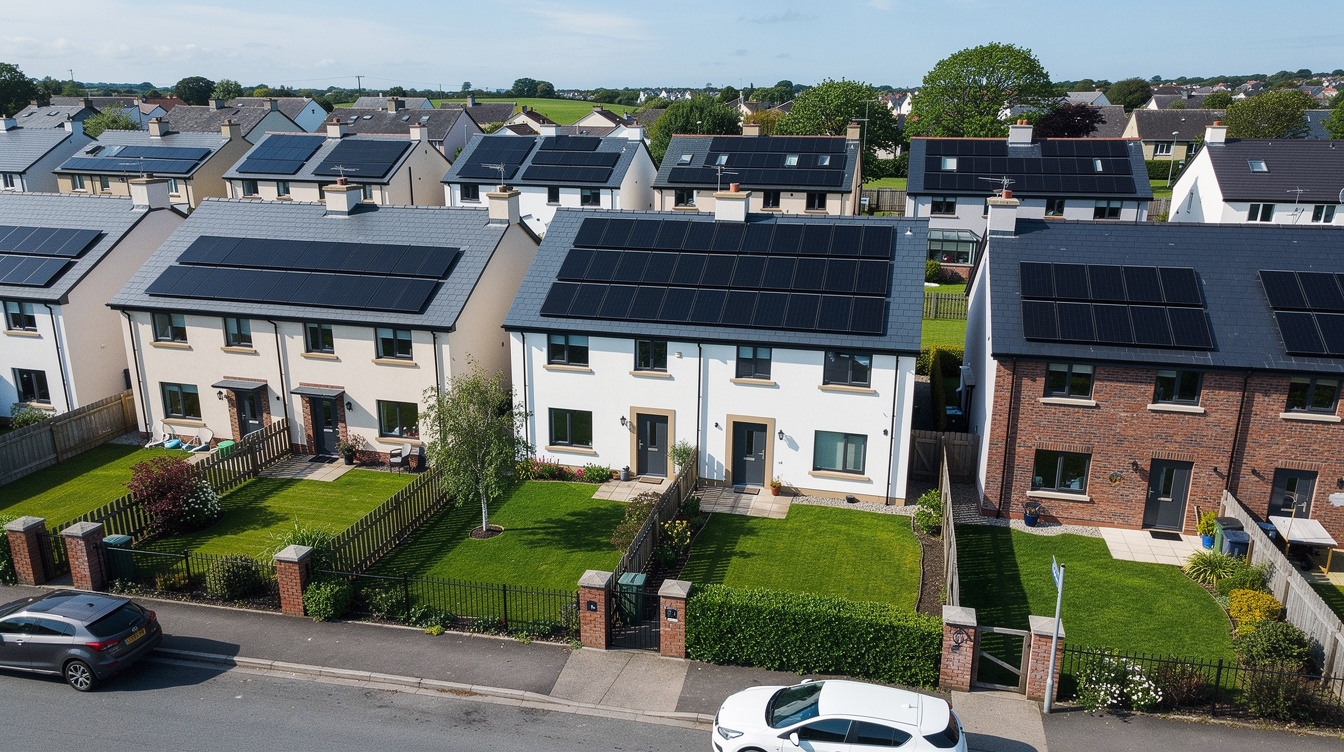
The DEAP methodology gives full credit for on-site renewable generation, so solar PV is one of the most efficient ways to shift a BER without ripping out heating systems. Typical grade shifts from a well-sized system on a C-rated home:
| Starting BER | 4kWp PV | 6kWp PV + 5kWh battery |
|---|---|---|
| D1 (240 kWh/m²/yr) | → C1 | → C1/B3 border |
| C2 (215 kWh/m²/yr) | → C1 | → B3 |
| C1 (190 kWh/m²/yr) | → B3 | → B2 |
| B3 (140 kWh/m²/yr) | → B2 | → B1 |
The exact shift depends on your dwelling area (smaller homes see bigger jumps per kWh generated) and roof orientation. Central Bank Ireland and MyHome.ie 2026 data pins a B3 home at roughly a 4–6% price premium over C-rated stock at sale — on a €380,000 house that’s €15,000–€22,000. The €9,050 net solar spend that produces the B3 shift often self-funds through resale uplift alone, before you count a single kWh of electricity generated.
FAQs
Is a BER assessment tax-deductible?
Not directly, no. But it’s a legitimate business expense if you’re assessing a rental property you own — you can offset it against rental income in your Form 11 or Form 12.
Can I do the BER assessment myself?
No. Only assessors on the SEAI National Register can produce a legally valid cert. Doing the assessor training and registration yourself costs roughly €2,500–€3,500 in tuition and exam fees, plus ongoing CPD, so it only makes sense if you plan to assess dozens of properties.
Do BER assessors work weekends?
Many do, though weekend visits usually attract a €20–€40 surcharge. Saturday morning slots are the most popular and book out 2–3 weeks ahead in Dublin.
What if I disagree with the rating?
You can lodge a formal query with the assessor first, and if unresolved, escalate to SEAI’s BER Complaints procedure. SEAI can audit and require a re-assessment if the original is materially flawed. A better path in most cases is to identify what you disagree with (usually a default assumption on insulation or heating age) and supply the documentation that would change the input.
Does a swimming pool or hot tub affect my BER?
Yes for a fixed indoor pool (it counts as heated floor area). No for a portable outdoor hot tub — DEAP doesn’t assess it.
How long from booking to getting my cert?
Total time from first phone call to cert on the SEAI register is typically 2–3 weeks: 5–10 days from call to visit, then 5–10 working days from visit to cert. Book early if you’re on a sale timeline.
Thinking about a whole-home retrofit?
Get your free personalised solar quote — a €1,800 SEAI grant is still on the table in 2026, and a well-sized system shifts most Irish homes up at least one BER band.
Related reading
Related Articles
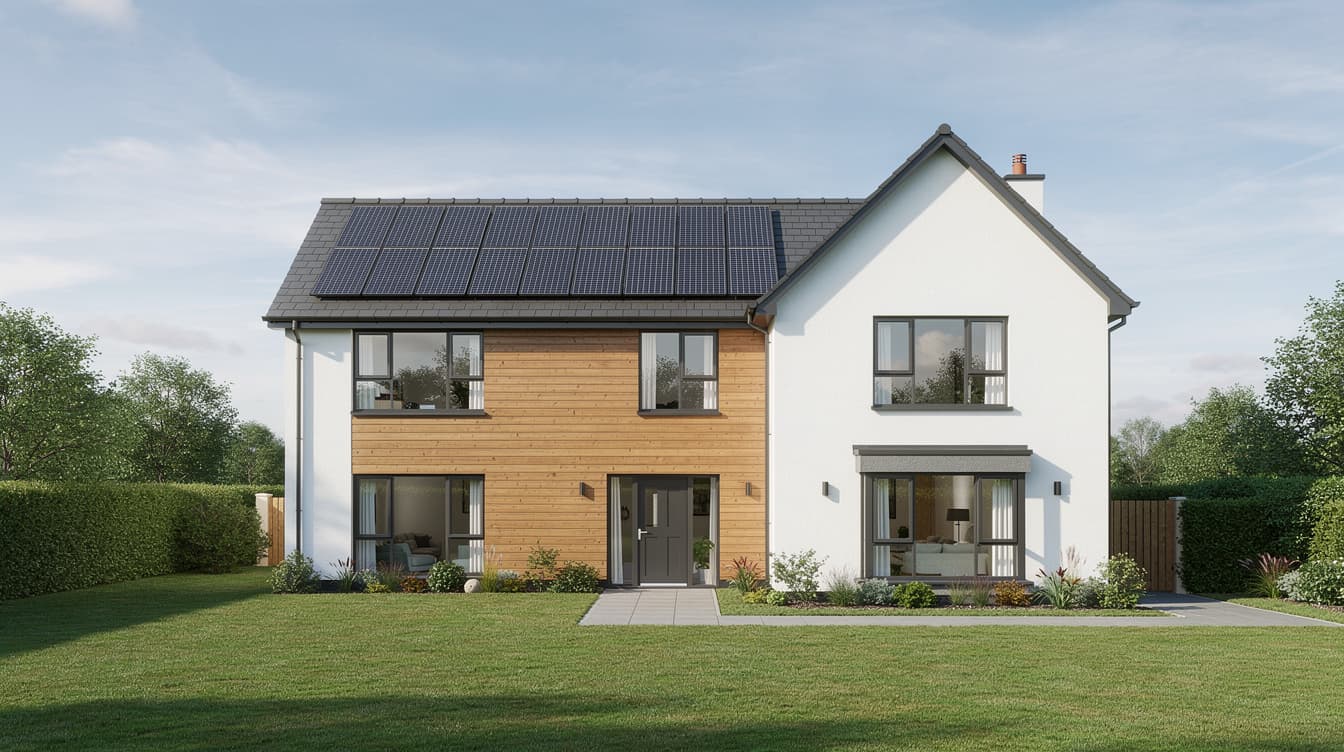
A1, A2, A3 BER Rating Ireland 2026: What Each A-Grade Means & the Cost to Reach One
A1, A2 and A3 BER ratings explained for Irish homes in 2026: kWh/m²/yr thresholds, retrofit costs to reach each grade, resale premium and why A2 is usually the sensible stopping point.
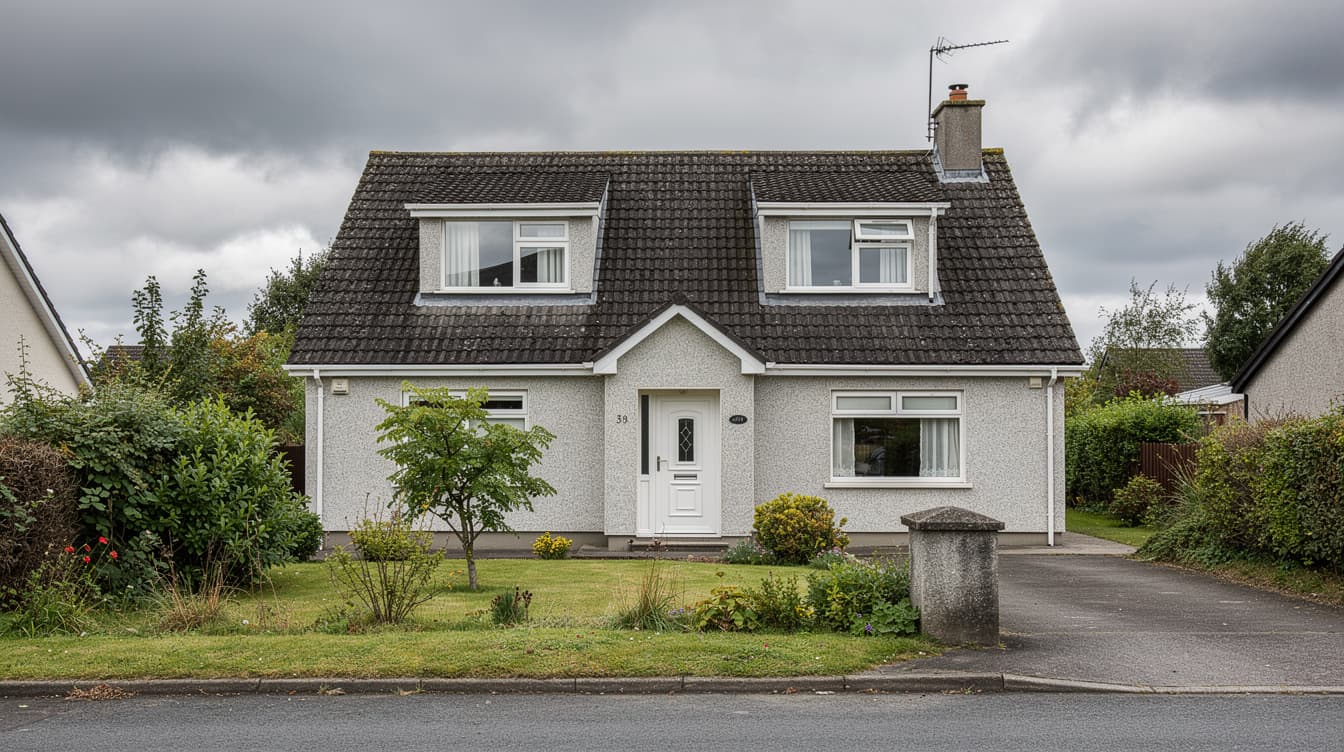
C1 & C2 BER Rating Ireland 2026: What It Means, Running Costs & How to Upgrade
C1 and C2 BER ratings explained for Irish homes in 2026: kWh/m²/yr, running costs, retrofit sequence and how solar shifts C1 into B territory.

Green Mortgages Ireland 2026: How Solar Panels Unlock Cheaper Rates from AIB, BOI, PTSB, Haven & Avant
How Irish green mortgages work in 2026, what BER you need, and where a solar install pays back inside the mortgage itself. AIB, BOI, PTSB, Haven, Avant.