
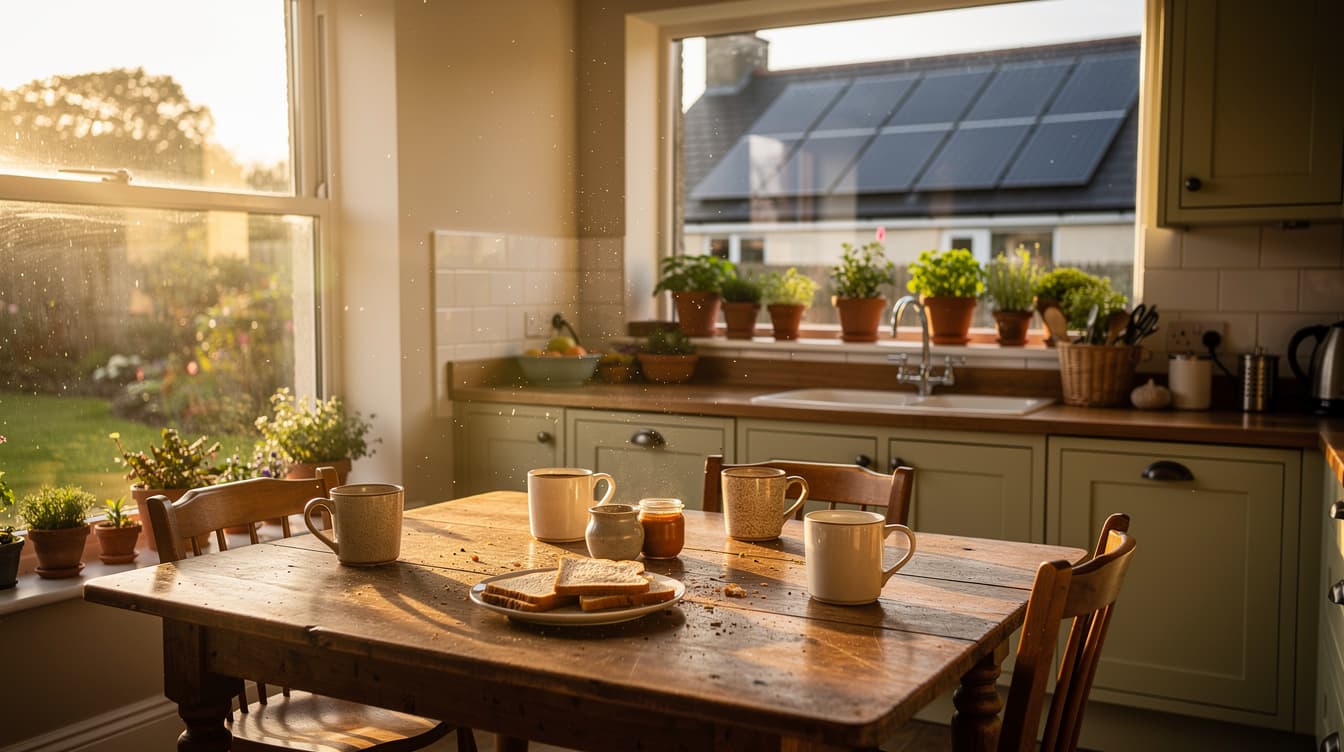
Solar Panels & Old Roofs Ireland 2026: When Your Roof Is Too Old for Panels
Roughly a third of the houses in Ireland were built before 1980, and a big chunk of those still wear the same slate or concrete-tile roof they were finished with. So when the family sits down with a solar sales rep, the very first question that surfaces is the one most sales reps hate: is my roof too old to bother?
The honest 2026 answer is: sometimes yes, mostly no, and always – get an independent roofer's opinion before you spend €10,000 on panels that might have to come off in five years. This is the practical field guide to solar on older Irish roofs, written from the perspective of "would I install panels on this roof today?".
The three questions that actually matter
Roof age is a proxy. Nobody at SEAI or your installer's office actually cares whether the tiles were laid in 1978 or 1998 – they care about three engineering questions the age tries to answer:
- Will the roof structure carry the extra load? A typical 6 kWp array plus rails weighs 150–200 kg spread across 15–20 m². Rafters that were sized for slate can absolutely handle it; rafters half-eaten by dry rot cannot.
- Will the roof covering last as long as the panels? Panels are guaranteed for 25 years. Concrete tiles typically last 40–60 years, natural slate 80–150, artificial slate 30–50. If your covering is due for replacement in 5–8 years, you're paying twice: once now to install, once again to take everything off and re-fit.
- Are the mounting points going to be watertight? Solar mounts screw into rafters through the tiles. If the underlay felt is brittle or the flashing detail can't be re-formed cleanly, you're buying leaks.
Age matters only to the extent it makes those three answers worse. A 60-year-old slate roof that's been well maintained is a better candidate than a 15-year-old concrete-tile roof that has moss and slipped ridge tiles.
The rough age-vs-decision cheat sheet
| Roof age | Typical covering | Practical guidance |
|---|---|---|
| 0–10 years | Concrete tile, natural slate, artificial slate | Green light. Fit panels – you're at the start of the covering's design life. |
| 10–25 years | Concrete tile (most common on Celtic Tiger builds) | Green light with a visual survey. Concrete tiles at 20 years old are still nowhere near end-of-life. |
| 25–40 years | Concrete tile, some early artificial slate | Amber. Get a roofer's report first – especially checking underlay felt, ridge tiles and flashing. |
| 40–60 years | Natural slate, older concrete tile | Natural slate: usually fine. Concrete tile: budget for replacement in the next 10–15 years and factor removal cost into ROI. |
| 60–100+ years | Natural slate on original build | If the slate is sound, panels are viable. If nail sickness or slipped slates are widespread, re-roof first. |
Unsure about your roof?
SEAI-registered installers will send someone out to check the roof condition before quoting – not just measure the m². Book a free quote and start with an honest survey.
The five warning signs a roof isn't ready for panels
These are the "walk-away signs" our installer network flags most often when surveying older Irish roofs. Any single one doesn't automatically kill the project – but two or more usually means re-roof first.
1. Slipped, cracked or missing tiles/slates
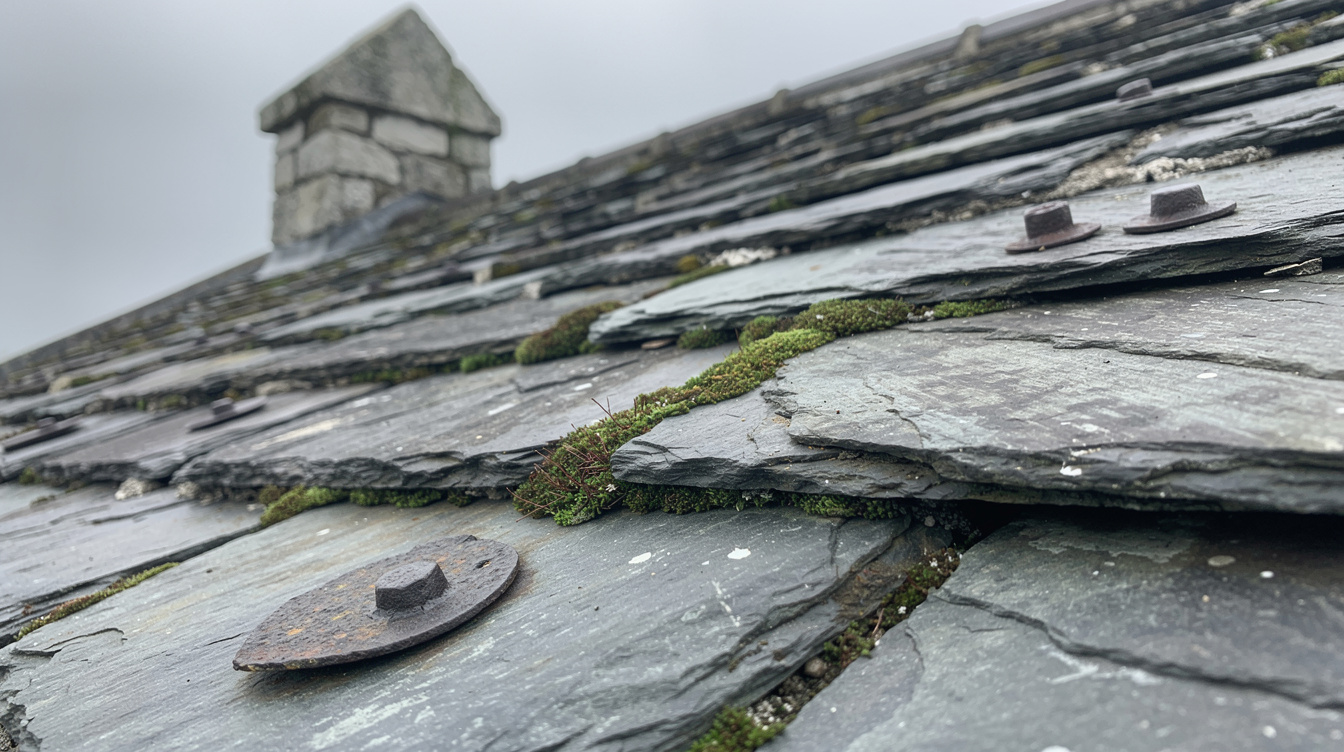
More than a handful of slipped tiles on the target elevation suggests the nails are corroding ("nail sickness" on old cast-iron nails) or the underlay is failing. Fitting panels seals part of the roof and shifts water flows – existing weakness will surface as a leak within a year or two.
2. Sagging ridge or bowed rafters
Stand back from the house and sight along the ridge. A visible sag means the rafters have moved, usually from long-term water damage or under-sized timber. A 200 kg load addition on a compromised structure is a hard no from any competent installer.
3. Damp patches in the attic under valleys or around chimneys
Go into the attic on a dry day and look at the underside of the roof. Fresh water staining on the felt or timbers around a chimney flashing or valley gutter is diagnostic – those are the exact spots most likely to fail again after panels are added, because rainwater running off panel edges is more concentrated than sheeting down a bare roof.
4. Brittle or torn underlay felt (visible from below)
Bitumen underlay felt (the black stuff on pre-2000 houses) becomes brittle with age. If you can push a screwdriver through it or see daylight through tears, water is getting past your first line of defence. Fitting panels doesn't cause new water ingress, but it makes remediation vastly more expensive later.
5. Widespread moss or lifted ridge/hip tiles
Moss holds moisture against the tile surface and accelerates freeze-thaw damage. Panels shade the tiles they cover (reducing moss growth there) but concentrate runoff at their edges (accelerating moss on the surrounding tiles). If the roof is already 60%+ mossed, get it cleaned and re-mortared before panels go up.
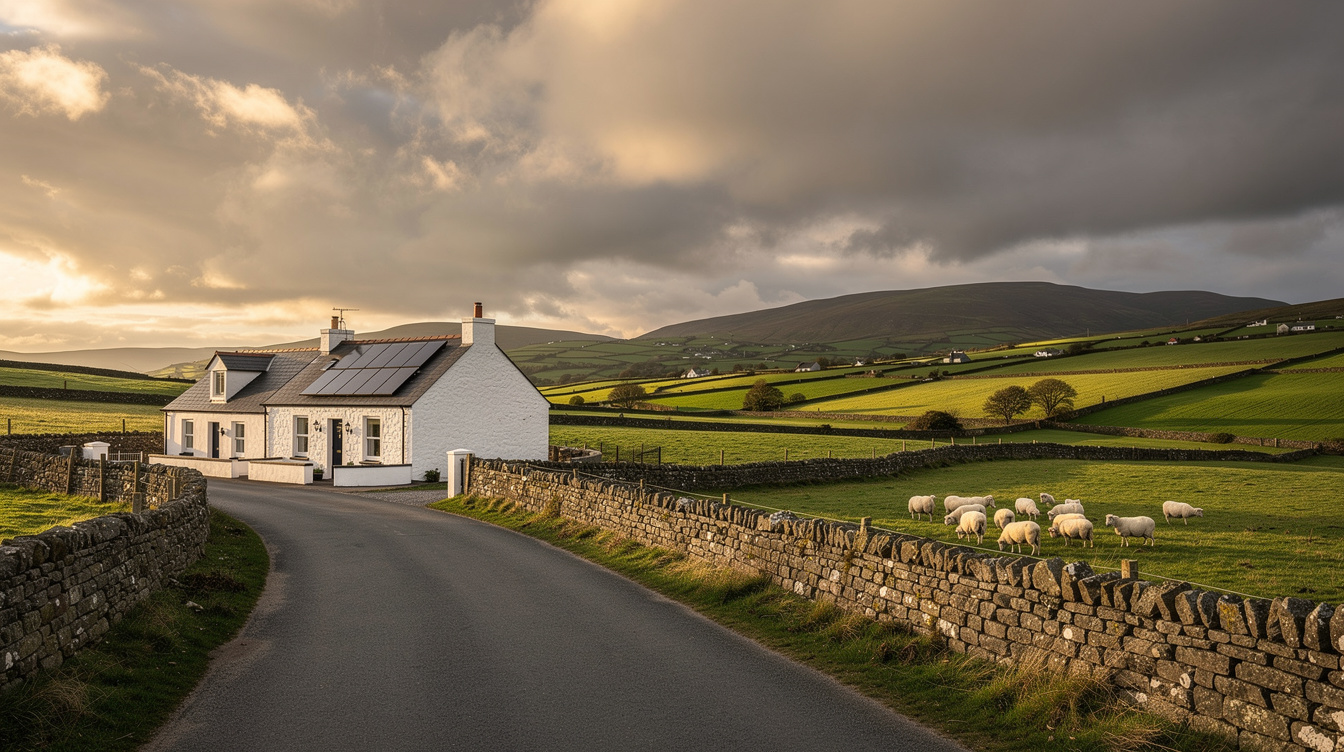
The two big roof types on Irish homes – and what each means for solar
Natural slate
Real Blue Bangor, Killaloe, Portroe or Welsh slate roofs on Irish homes routinely make it to 100+ years. The classic failure isn't the slate itself – it's the copper or iron nails holding it. If your house has original nails, expect to lose slates gradually from about year 80 onwards.
For solar: The slate itself is a superb solar substrate – strong, dimensionally stable, low-porosity. But mounting brackets need slate-specific hooks (installers screw into the rafters, not through the slate) and the flashing detail is fiddly. Insist on an installer who has done natural slate roofs before – not every SEAI-registered company has.
Concrete tile (interlocking)
The default choice for Irish new-builds from about 1970 onwards. Reasonable lifespan (40–60 years typical, longer if never walked on), predictable mounting-hook fit, easy to lift and replace individually.
For solar: The best-case scenario. Interlocking concrete tiles are what most solar mounting systems were designed for. Installation time is short, hook-and-flashing detail is standard, and post-install re-slating of any damaged tiles is trivial.
Artificial slate (Eternit / fibre cement)
Widely used on 1980s–2000s houses as a cheaper alternative to natural slate. Lifespan is shorter (25–50 years depending on quality) and older versions can be brittle.
For solar: Fine on well-maintained artificial slate under 25 years old. Older Eternit-style boards can shatter if walked on carelessly during install – get a written quote for tile replacements in case damage occurs, and factor the covering's remaining life into your payback calculation.
Metal / tin sheet
Common on Irish farm outbuildings, extensions and garden rooms. Solar is easy and cheap to fit – standing-seam and profiled metal both take dedicated clamps that don't penetrate the sheet at all. The main constraint is structural: many outbuildings weren't built to take 200 kg of panels.
Flat roof
Panels go on ballasted frames or bolted frames – you're not touching the roof covering itself. Age of the felt matters less than age of the deck below. See our flat-roof solar guide for details.
Re-roof first? The break-even calculation
The most expensive mistake is fitting panels onto a roof that's due for full replacement in 5–8 years. Here's the arithmetic you should run before signing:
| Scenario | Cost | Timeline |
|---|---|---|
| Panels now, re-roof + refit panels in 8 years | €9,500 now + €14,000 re-roof + €2,200 panel removal/refit = €25,700 | Panels working year 1 |
| Re-roof now, then panels | €12,500 re-roof + €9,500 panels = €22,000 | Panels working year 1 (after 4–8 weeks of roofing works) |
| Panels now, roof lasts the full 25 years | €9,500 now, no re-roof needed within panel life | Panels working year 1 |
The rule of thumb: if the roof has fewer than 12–15 years of realistic life left, re-roof first. The extra €3,000–€4,000 you spend now saves you the painful €2,000–€3,000 removal-and-refit charge later, and buys you a warranty-fresh substrate for the panels.
What a proper pre-install roof survey should cover
Any installer worth quoting will send a surveyor (not just the sales rep with a laser measure) before finalising the quote. The survey should include:
- Visual inspection of the target roof elevation from ladder or drone
- Attic inspection of rafters, purlins, wall plates and underlay felt
- Measurement of rafter spacing and depth (to confirm structural adequacy for the mounting rails)
- Photograph of any existing damage – signed off with you in writing so nothing gets blamed on the installer later
- Flashing plan around any chimney, vent, dormer or roof window that the panels will neighbour
- Confirmation of any tile replacements needed as part of the install (should be quoted separately, not lumped into "labour")
If the "survey" is done from the pavement with binoculars in five minutes, walk away. Your roof deserves better and so does your investment.
The warranty-and-insurance gotcha nobody mentions
Two things quietly move when panels go on an older roof:
- Any remaining roof-covering warranty may be voided by penetrations for solar mounts (though most Irish tile manufacturers now explicitly allow solar mounting – check yours in writing).
- Home insurance should be notified of the install. Not doing so risks a repudiated claim on any subsequent storm damage. Most insurers don't up your premium, but the paperwork trail matters.
See our solar and home insurance guide for the specific notification wording and what to ask for from your insurer.
Old roof? Get a proper survey.
Our SEAI-registered installer network includes surveyors who won't sugar-coat a roof that isn't ready. Better to hear it now than in a leak in October.
Quick FAQ
How can I tell how old my roof is?
If you have the original house build documents, easy. Otherwise: check the tile stamp (concrete tiles have a manufacturer + often a decade code moulded on the underside), look at planning applications for the property on the local council portal, or ask a local roofer to give you an estimate from the physical condition. Neighbours in the same estate usually re-roofed around the same time – ask them.
Do panels shorten the life of a roof?
The opposite, usually. The tiles under panels are shaded from UV, sheltered from rain and wind, and see far less freeze-thaw cycling. It's the tiles at the edges of the array (where runoff concentrates and slight shadowing accelerates moss growth) that age faster.
What does removing and re-fitting panels cost when I do re-roof?
Budget €1,500–€2,500 for a typical 5–6 kWp system. Some installers offer a "removal & refit" package as a warranty add-on at time of install for around €500–€700 – worth considering if your roof is amber-status.
Will the SEAI grant cover any of the re-roofing cost?
No. SEAI grants only cover the solar PV works themselves. However, a broader home energy retrofit funded through the One Stop Shop or Community Energy Grant Scheme can include roof works as part of an insulation upgrade if you're re-roofing to add insulation at the same time.
My installer said the roof is fine. My roofer said it's on borrowed time. Who do I trust?
The roofer. Installers are (understandably) motivated to say yes; roofers have no dog in the fight over whether you buy panels. If they disagree, get a third opinion from an independent chartered surveyor (€300–€500 well spent) and side with the majority.
Bottom line
Roof age is a signal, not a verdict. A well-maintained 50-year-old slate roof is a fine home for solar; a badly-maintained 20-year-old concrete tile roof is not. The three questions that actually decide it are structural capacity, remaining covering life and watertightness of the mounting detail. Get an independent survey before you commit, and if there's genuine doubt about the covering having 12–15 years left, re-roof first.
Ready to find out? Use our free-quote form to connect with an SEAI-registered installer who'll survey the roof properly before pricing the panels. And if the roof turns out to be a problem, better to know today than the first wet October after install.
Related Articles
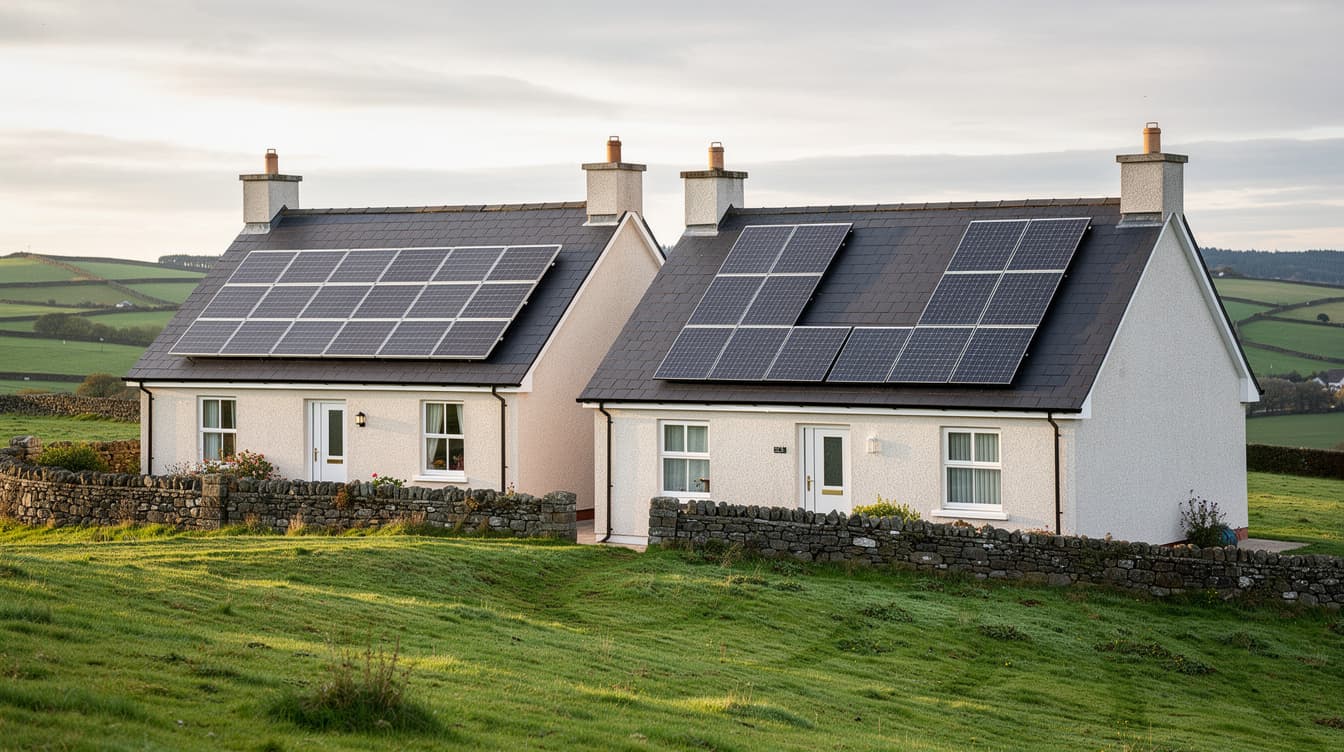
East-West vs South-Facing Solar Panels Ireland 2026: Which Actually Wins?
South-facing wins on kWh, east-west wins on self-consumption. 2026 numbers, real household examples and dual-MPPT wiring notes.
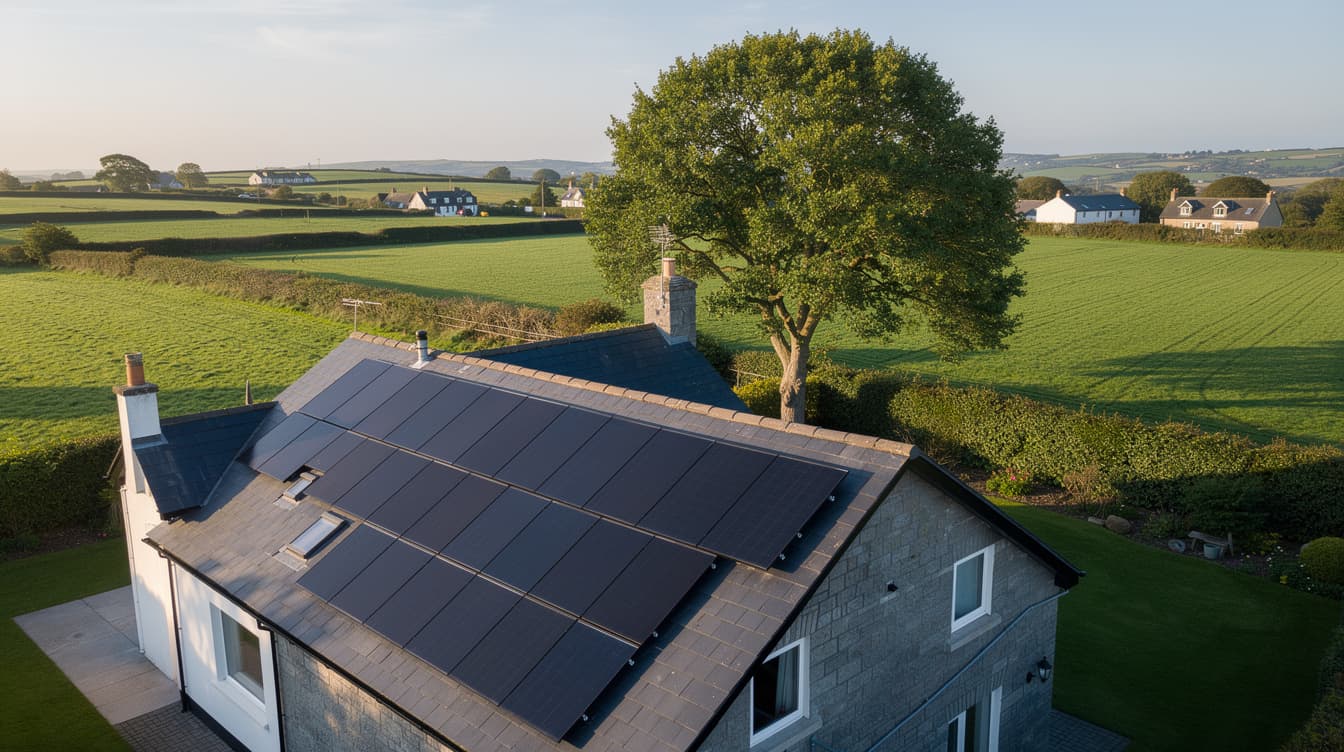
Solar Panel Shading Ireland 2026: Trees, Chimneys & Real Output Loss
How much output do you lose from trees, chimneys or dormers shading Irish solar panels? 2026 guide with mitigation costs and decision tree.

Coastal Solar Panels Ireland 2026: Salt-Air Corrosion & Marine-Grade Install Guide
Fitting solar within 3km of the Irish coast? 2026 guide to salt-air corrosion, marine-grade racking, warranty exclusions and 6-monthly maintenance.