
Accommodation for Solar Workers Ireland 2026: Rates, Options & Tax
Ireland’s residential solar market has multiplied roughly five-fold since 2021, and the crews doing the work are increasingly mobile — travelling from a Dublin or Cork base to jobs in Donegal, Kerry, Wexford or the Midlands over multi-day installs. Somebody has to sleep somewhere, and “somewhere” is now one of the biggest hidden cost lines on a modern installer’s P&L.
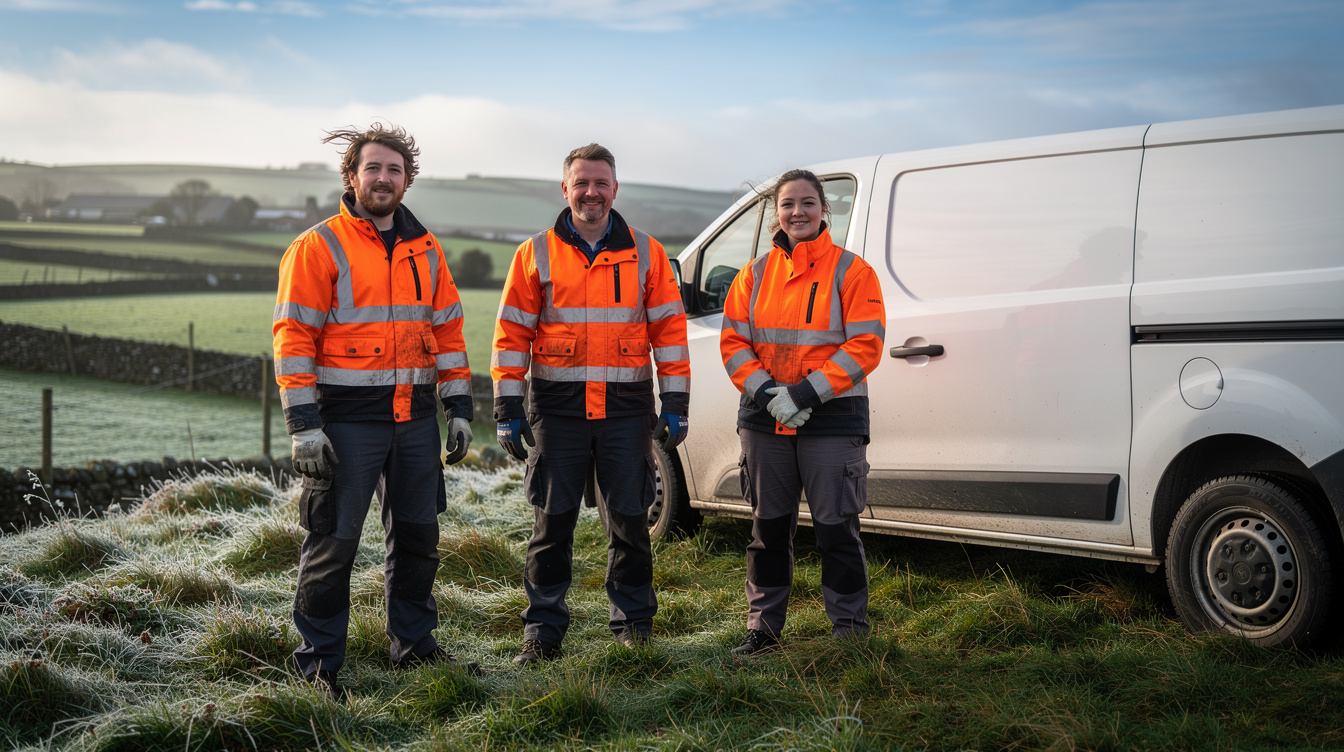
This guide is for two groups: solar installation employers pricing labour and per-diem into quotes, and self-employed contractors (electricians, roofers, apprentices) working solar jobs away from home. Below: the going nightly rates in every province in August 2026, what qualifies as tax-deductible, the accommodation options crews actually use, and how to keep the whole thing under control on a 2–5 day residential install.
What accommodation do solar crews use in Ireland?
Ranked by how often we hear installers report using them in 2026:
- Budget hotels & travel inns (Travelodge, Maldron Express, Premier Inn, Ibis Budget) — the dominant choice in cities and major towns, €79–€135 per room per night, twin-share halves the cost.
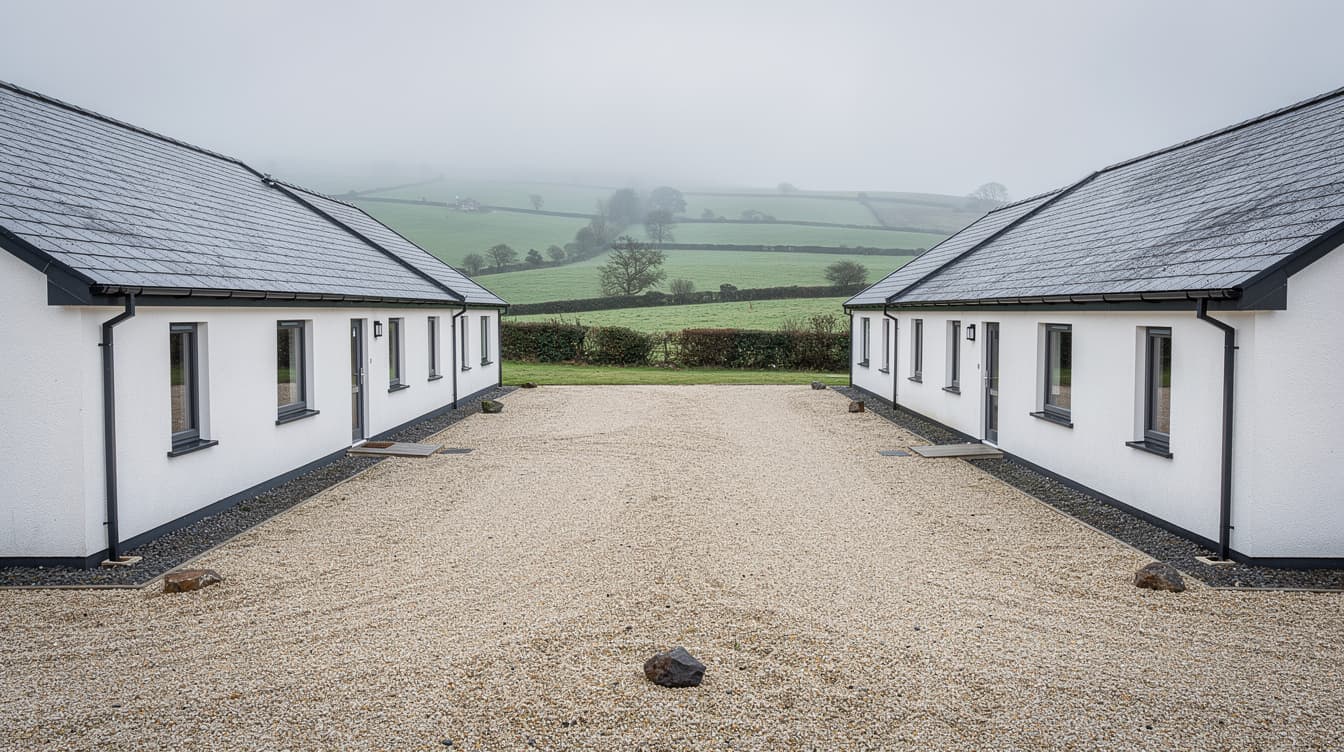
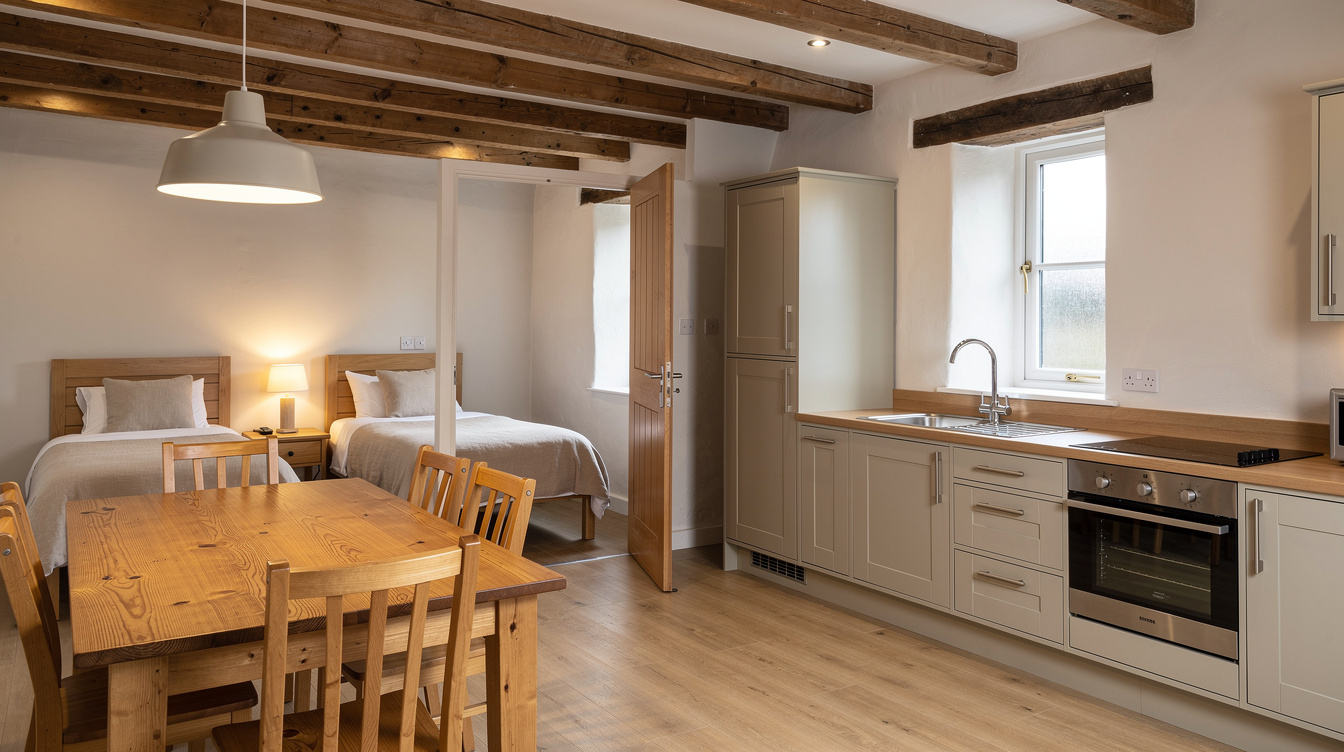
- Self-catering cottages & converted farmhouses — the crew’s favourite for 3+ night rural jobs. Whole property from €120–€220/night sleeping 4–6, works out at €30–€55 per person and everyone gets their own bed and a shared kitchen for evenings.
- B&Bs & guest houses — the rural fallback when nothing on Airbnb fits and the nearest hotel is 40 km away. Typically €70–€95 per person per night including breakfast; landlords are usually flexible about early starts, muddy boots and mid-week arrivals.
- Airbnb / short-let apartments — increasingly under pressure from the STL register rollout, but still workable in most counties. Best value on 4+ night stays where the daily rate drops meaningfully.
- Purpose-built contractor accommodation — a growing category, especially near Dublin, Waterford, Galway and around the wind-farm belt in the north-west. Bunk-room set-ups from €35–€55 per bed per night, catering optional.
- Modular units on-site — only for utility-scale solar farm construction and commercial rooftops. Not relevant for domestic installs.
What does contractor accommodation cost across Ireland in 2026?
Mid-week rates observed on Booking.com, Airbnb, and Ireland.ie holiday-let listings in August 2026, for a room/bed that a working adult would actually accept (en-suite, quiet, parking):
| Region | Budget hotel | B&B / guest house | Self-catering (per person, 4-share) |
|---|---|---|---|
| Dublin city & commuter belt | €120 – €180 | €95 – €130 | €55 – €85 |
| Cork city & harbour | €95 – €140 | €80 – €110 | €45 – €70 |
| Galway city & Salthill | €100 – €155 | €85 – €115 | €50 – €75 |
| Limerick, Waterford, Sligo | €85 – €125 | €75 – €100 | €40 – €60 |
| Athlone, Mullingar, Portlaoise (Midlands) | €75 – €110 | €70 – €95 | €35 – €55 |
| Kerry, West Cork, Clare (rural coastal) | €90 – €140 | €80 – €115 | €45 – €70 |
| Donegal, Leitrim, Cavan, Monaghan (border) | €75 – €105 | €65 – €90 | €30 – €50 |
| Wexford, Wicklow, Kilkenny (south-east) | €85 – €125 | €75 – €100 | €40 – €60 |
Two seasonal caveats worth flagging in quote pricing:
- June–August tourist premium: Kerry, West Cork, Donegal and Galway can double from these figures when the summer holiday flow peaks. Book at least 3 weeks ahead or accept a €40–€70 nightly bump.
- Match-weekend and All-Ireland spikes: Croke Park weekends put Dublin north-side hotels to €250+; Munster and Connacht finals do the same in Limerick/Ennis and Castlebar/Roscommon. Check the GAA fixtures list before quoting a multi-day job for those weekends.
Tax treatment: what Revenue lets you deduct
Two distinct paths, depending on whether you’re the employer paying a crew or a self-employed contractor claiming your own costs. This is a summary, not tax advice — verify with your accountant against the current Revenue eBrief.
Employer reimbursing PAYE employees
Employers can reimburse subsistence tax-free using Revenue’s civil-service subsistence rates, provided the work is genuinely away from the employee’s normal place of work. As of the 1 January 2026 rate update, the standard domestic rates are:
| Absence | Rate | Notes |
|---|---|---|
| 5–10 hours away from base | €19.25 | Part-day, no overnight |
| 10+ hours away, no overnight | €47.35 | Day rate |
| Overnight (standard) | €205.53 | Applied first 14 nights |
| Overnight (reduced, nights 15–28) | €185.98 | Same location |
| Overnight (detention, nights 29+) | €102.76 | Rarely relevant to solar |
Or, alternatively, reimburse the actual vouched cost of the accommodation plus an agreed meals allowance. Whichever route, the reimbursement is not subject to PAYE, PRSI or USC and doesn’t appear on the employee’s payslip as taxable pay — provided the record-keeping (receipts, job addresses, travel logs) is in order.
Homeowner reading this? Get a solar quote.
Compare quotes from SEAI-registered installers — free, no obligation.
Self-employed contractor
If you’re a sole trader or working through a limited company, the vouched overnight accommodation cost while working away from your normal place of business is a fully deductible trading expense (subject to the “wholly and exclusively” test). Practical items to keep on file:
- Booking confirmation showing address and dates
- Invoice or receipt in your business name (or your own name, with a note tying it to the job)
- The customer address / job reference for that trip
- A running log of the vehicle miles, since kilometre rates for the same journey are separately deductible
Meals eaten while working away are also deductible, though Revenue is stricter here than on accommodation — keep receipts, keep them modest, and don’t include alcohol.
Booking channels solar employers actually use
Ranked by cost/effort trade-off for a 2–5 person crew:
| Channel | Best for | Pros | Cons |
|---|---|---|---|
| Booking.com corporate | Cities, chains, last-minute | Instant confirmation, 6% Genius discount, VAT-compliant invoices | Cancellation fees on non-flex rates; peak-season pricing brutal |
| Airbnb / Booking short-lets | Rural, whole-property, 3+ nights | Best per-head rate for a crew; kitchen for early breakfasts and packed lunches | STL register tightening supply, VAT invoicing patchy |
| Direct with local hotel/B&B | Repeat regional work | 10–15% off list once they know you, flexible arrival, VAT invoices no bother | Need to build the relationship over months |
| Contractor accommodation specialists (Sonder, WorkStays.ie, Yardilink) | Multi-week jobs, apprentices | Purpose-built for trades, weekly rates, laundry & drying rooms | Thin coverage outside Dublin, Cork, Waterford, Galway |
| Aparthotels (Staycity, PREM Group, Locke) | Dublin week-long jobs | Kitchen + hotel service, week rates 15–25% off nightly | Only in the big five cities |
The self-catering cottage math
The reason mid-sized installers reach for holiday-let cottages on 3+ day rural jobs is simple economics. Take a real example — four-person crew on a 4-night install in West Cork:
| Option | Nightly total | 4 nights × 4 crew | Notes |
|---|---|---|---|
| 4 single-occupancy hotel rooms @ €120 | €480 | €1,920 | Breakfast extra €15pp |
| 2 twin B&B rooms @ €140 each (breakfast incl) | €280 | €1,120 | Shared rooms, but hearty breakfast |
| 4-bed self-catering cottage @ €180 | €180 | €720 | Everyone gets own bed, kitchen for evening meals |
The cottage is 62% cheaper than the hotel option and 36% cheaper than the B&B route — and crews actually prefer it (private space, no reception queue at 6.30am, drying room for wet PPE, and food costs drop when someone can throw a curry on in the evening).
Where the cheap Airbnb model is breaking
Ireland’s Short-Term Letting register (STLR), rolled out by Fáilte Ireland through 2024–2025, is now enforced end-to-end. Any short-let over 90 nights per year in a Rent Pressure Zone (which covers most of Dublin, Cork city, Galway city, Limerick city, Waterford city and their commuter belts) requires either planning permission for change of use, or the property has to come off the platforms.
Practical fallout for contractors:
- Dublin urban Airbnb inventory has dropped roughly 40–55% since Q1 2024. Prices on what’s left are up 15–25%.
- Outside RPZs (most of rural Ireland) the model works as before — this is where solar crews still find genuine value.
- Booking farther ahead helps — the supply squeeze means the last-minute market has thinned meaningfully.
- Whole-property lets aimed at families still frequently accept midweek trade bookings; sometimes better rates than the tourist weekends.
Practical playbook for a 3-day solar job away from base
- Confirm the job dates two weeks out. Solar install slippage is common (weather, materials, homeowner delays). Prefer booking channels with free cancellation up to 48 hours before check-in.
- Prefer Sunday or Monday check-in. Rural cottage rates typically drop 30–50% for a Sun–Thu block vs a Fri–Sun block.
- Get a VAT-registered supplier if possible. Hotels, aparthotels, and larger guest houses will always issue a VAT invoice; individual Airbnb hosts often can’t, which affects your company’s VAT recovery.
- Ask about parking early. A signwritten van and a trailer full of panels needs space and, ideally, a floodlight. City-centre budget hotels often have zero parking — and the nearest NCP is €30/night.
- Confirm the drying facilities. If you get soaked commissioning a system in a Kerry October, you want a hot press or drying room, not a radiator. Ask before booking.
- Plan the food. One person cooking a pot of pasta for the crew for two of the three nights saves €70–€100 per night in restaurant meals and, honestly, the crew usually prefers it.
- Keep the paperwork. Booking confirmation + VAT invoice + job address per trip. A dedicated Google Drive folder per year makes the tax return trivial.
Frequently asked questions
Can I claim mileage as well as accommodation for the same trip?
Yes. Mileage covers the vehicle cost per kilometre (fuel, wear, insurance apportionment); accommodation is a separate cost of being away. Both are deductible provided you have the underlying records. Employer-paid civil-service kilometre rates for 2026 range from €0.4110/km down to €0.2181/km depending on engine size and total annual business mileage.
What if the crew stays at a relative’s house instead of paid accommodation?
You can’t claim a subsistence rate for a night you didn’t actually incur a cost on. Revenue tightened enforcement on this in 2024. If a crew member genuinely stays with family, no receipt = no reimbursement claim.
Is accommodation VATable?
Yes — Irish short-stay accommodation is subject to the 13.5% reduced VAT rate. If your business is VAT-registered, you can recover this on qualifying trips. Airbnb hosts under the €42,500 services threshold don’t charge VAT (helpful for the price, unhelpful for recovery).
What’s the safest single accommodation for a lone apprentice sent to a distant job?
Budget hotel with 24-hour reception (Travelodge, Premier Inn, Maldron Express). Airbnb hosts sometimes hand over key codes and disappear; not ideal for an 18-year-old apprentice who has never worked away before.
Do I need public liability insurance to cover accommodation?
Your normal PL policy generally covers the crew’s use of accommodation as an incidental part of the job. Deliberate damage isn’t covered. Photograph the room on check-in as an ordinary precaution.
Is there a solar-industry-specific accommodation booker in Ireland?
Not as such in August 2026, but Yardilink and WorkStays.ie both cater to trades and can put together bespoke multi-crew multi-night packages, particularly for the wind and solar construction pipeline in Sligo, Roscommon and Offaly. Neither has meaningful cover in rural Kerry, West Cork or Donegal — those trips still get booked on Airbnb or direct with local B&Bs.
Bottom line
Solar accommodation in Ireland in 2026 is a genuine cost line, not a rounding error — expect €60–€140 per crew member per night in most counties, and up to double that in tourist hotspots in summer. The single biggest cost win for a mid-sized installer is switching from single hotel rooms to self-catering cottages on any 3+ night rural job, which typically halves the total accommodation spend and improves crew morale into the bargain. Keep the paperwork clean, use civil-service subsistence rates where they beat vouched expenses, and remember the STL enforcement has narrowed the cheap-Airbnb window in Dublin and the other city RPZs.
Looking for the crews doing this work? Our solar installer directory lists SEAI-registered installers county by county across Ireland.
Related reading
Related Articles
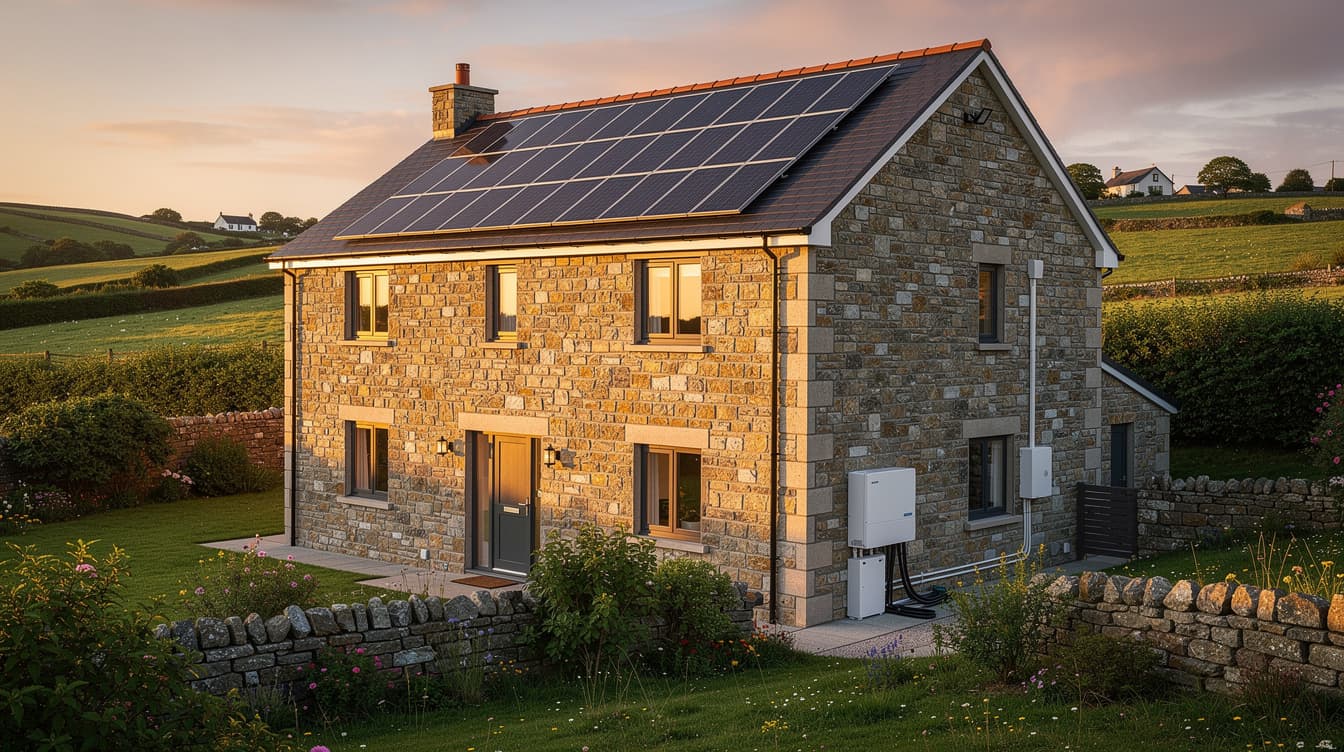
Best Solar Setup Ireland 2026: Complete System Design Guide
The best solar setup for Ireland 2026 — panels, inverter, battery, diverter and installer — with 4 real-world configurations, prices and paybacks.
SEAI-Registered Solar Installers Ireland 2026: How to Verify (60-Second Check)
The 60-second SEAI verification check every Irish homeowner should do before signing. Common installer scams, what registered means and paperwork you must receive.
How to Compare Solar Panel Quotes in Ireland 2026: The 14-Point Buyer's Checklist
Three quotes, three prices, same job — what's actually different? A 14-point scorecard that decodes panel, inverter, battery, warranty and hidden-cost lines.