
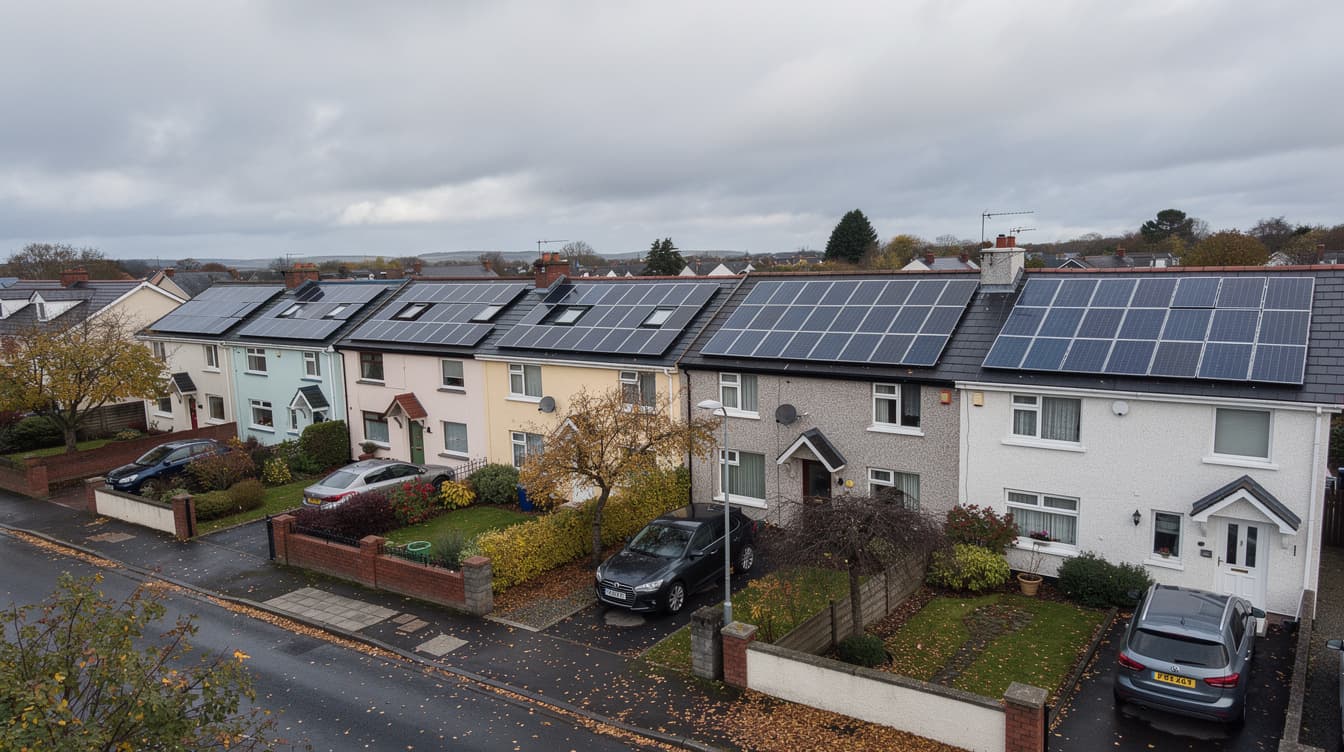
BER Rating Ireland 2026: Grade Scale, Cost & How Solar Lifts Your Score
Quick Answer: What is a BER rating in Ireland?
A Building Energy Rating (BER) is a SEAI-issued certificate showing how energy-efficient an Irish dwelling is on an A1–G scale, calculated from a registered assessor’s on-site survey of insulation, glazing, heating, ventilation and renewables. A1 is the most efficient (under 25 kWh/m²/yr), G the least (over 450). A BER is legally required to sell or let an Irish home and is now the basis for the 2026–2030 minimum-performance ladder (D2 by 2026, C1 by 2028, B2 by 2030). A typical certificate costs €150–€350 and is valid for 10 years.
The BER label is the single most consequential energy document attached to your home. It dictates whether a tenant can be charged a market rent, whether a buyer’s mortgage offer will hold, whether you qualify for green-loan rates, and whether your home will be lettable at all by the end of the decade. Yet most homeowners have only the foggiest sense of what an A2 actually means versus a C1, or which upgrades shift the number most. This 2026 guide walks through every grade on the scale, what it costs to get a certificate, what an assessor actually measures, and where solar PV sits in the league table of grade-lifting upgrades.
The BER scale, grade by grade
BER is expressed as primary energy use in kWh per square metre per year (kWh/m²/yr) for space heating, hot water, ventilation, lighting and pumps — with credit subtracted for on-site renewables. The grades break down as:
| Grade | kWh/m²/yr band | Typical Irish dwelling type | Realistic annual bill (3-bed semi) |
|---|---|---|---|
| A1 | < 25 | Passive house, certified ultra-low-energy new build | €400–€700 |
| A2 | 25–50 | 2019+ NZEB new build with heat pump + PV | €500–€900 |
| A3 | 50–75 | Recent estate house, well-specified retrofit | €700–€1,100 |
| B1 | 75–100 | Deep-retrofit older property, modern build with gas | €1,000–€1,400 |
| B2 | 100–125 | 2010s build, well-insulated 2000s semi with PV | €1,200–€1,600 |
| B3 | 125–150 | Late 2000s build, full attic and cavity insulation | €1,400–€1,800 |
| C1 | 150–175 | 2000s build, partial retrofit on 1990s semi | €1,600–€2,100 |
| C2 | 175–200 | 1990s build with attic insulation upgrade | €1,800–€2,400 |
| C3 | 200–225 | Standard 1990s estate house | €2,000–€2,600 |
| D1 | 225–260 | 1980s semi with some upgrades | €2,300–€2,900 |
| D2 | 260–300 | Standard 1970s/80s housing stock | €2,600–€3,200 |
| E1 | 300–340 | Pre-1980 house, unimproved cavity | €2,900–€3,600 |
| E2 | 340–380 | 1960s/70s build, single glazing, oil heat | €3,200–€3,900 |
| F | 380–450 | Old solid-wall cottage, minimal insulation | €3,500–€4,300 |
| G | > 450 | Uninsulated rural cottage, hot-press immersion | €3,800–€5,000+ |
The bands are not evenly spaced — the jump from F to G covers a wider kWh range than from A2 to A3 — because the lower grades cluster around real-world building types. Most Irish housing stock built between 1970 and 2005 (about 1.1 million homes per Census 2022) sits in the C–E corridor.
What a BER assessment costs in 2026
An assessment is carried out by an SEAI-registered BER Assessor who visits the property, takes measurements, photographs construction details, identifies fabric and services, and enters everything into the SEAI DEAP (Dwelling Energy Assessment Procedure) software. Current going rates:
| Dwelling type | Typical 2026 fee |
|---|---|
| Apartment, 1–2 bed | €120–€180 |
| 2–3 bed terraced or semi | €150–€220 |
| 3–4 bed semi-detached | €180–€280 |
| 4–5 bed detached | €220–€350 |
| Large detached or country house | €300–€500 |
Get 2–3 quotes from the SEAI register before booking — prices vary by region (Dublin and Cork tend to be 15–25% above Mayo/Donegal) and not every assessor is fluent in the latest DEAP version. If you’re applying for a SEAI grant, the pre-works BER is often included as a free or discounted line item on the installer’s quote, because grant approval requires a baseline BER under the One Stop Shop scheme.
What a BER assessor actually checks
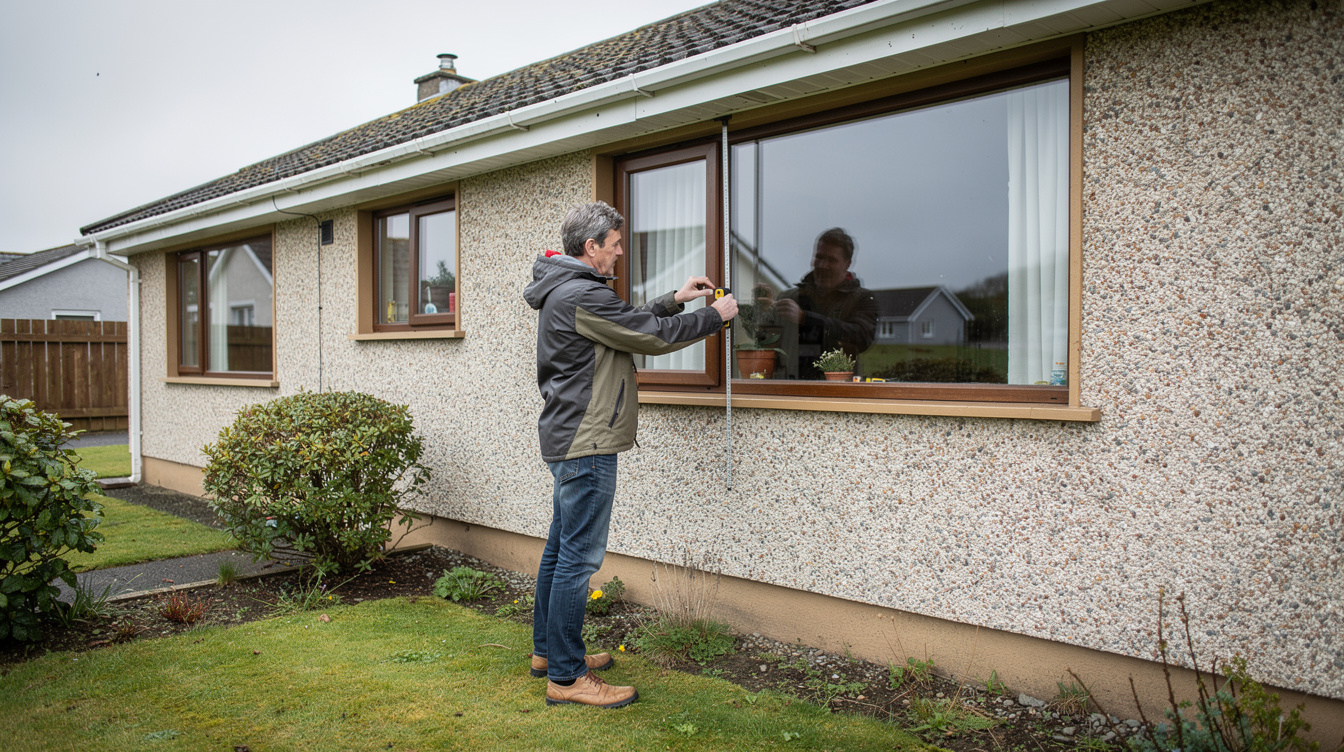
The on-site visit usually takes 90–180 minutes for a typical semi. The assessor records:
- Floor area — measured per the SEAI Treated Floor Area protocol, not estate-agent square metres.
- Wall construction — solid masonry, cavity (filled or unfilled), timber frame, ICF — with U-value lookup or default assumption.
- Roof and attic insulation — depth of mineral wool or rigid foam, type of joist build-up.
- Floor — ground floor type, presence of insulation under screed, suspended timber detail.
- Windows and doors — frame type (timber/uPVC/aluminium), glazing (single/double/triple), measured opening areas.
- Primary heat source — gas boiler model, oil burner, heat pump (with SCOP), wood stove, immersion.
- Hot water — cylinder size, insulation jacket, immersion type, solar thermal contribution.
- Ventilation — natural, extract-only, MVHR, MEV.
- Lighting — percentage of LED fittings throughout.
- Renewables — solar PV array size (kWp), solar thermal collectors, district heating.
They photograph everything for the audit trail, then enter it into DEAP and issue the BER certificate plus a more detailed Advisory Report that lists the highest-impact upgrades for your specific dwelling.
Ready to Lift Your BER?
Solar PV typically lifts a C2 home to B3 or B2 — talk to SEAI-registered installers for a free quote.
How much does solar PV lift your BER?
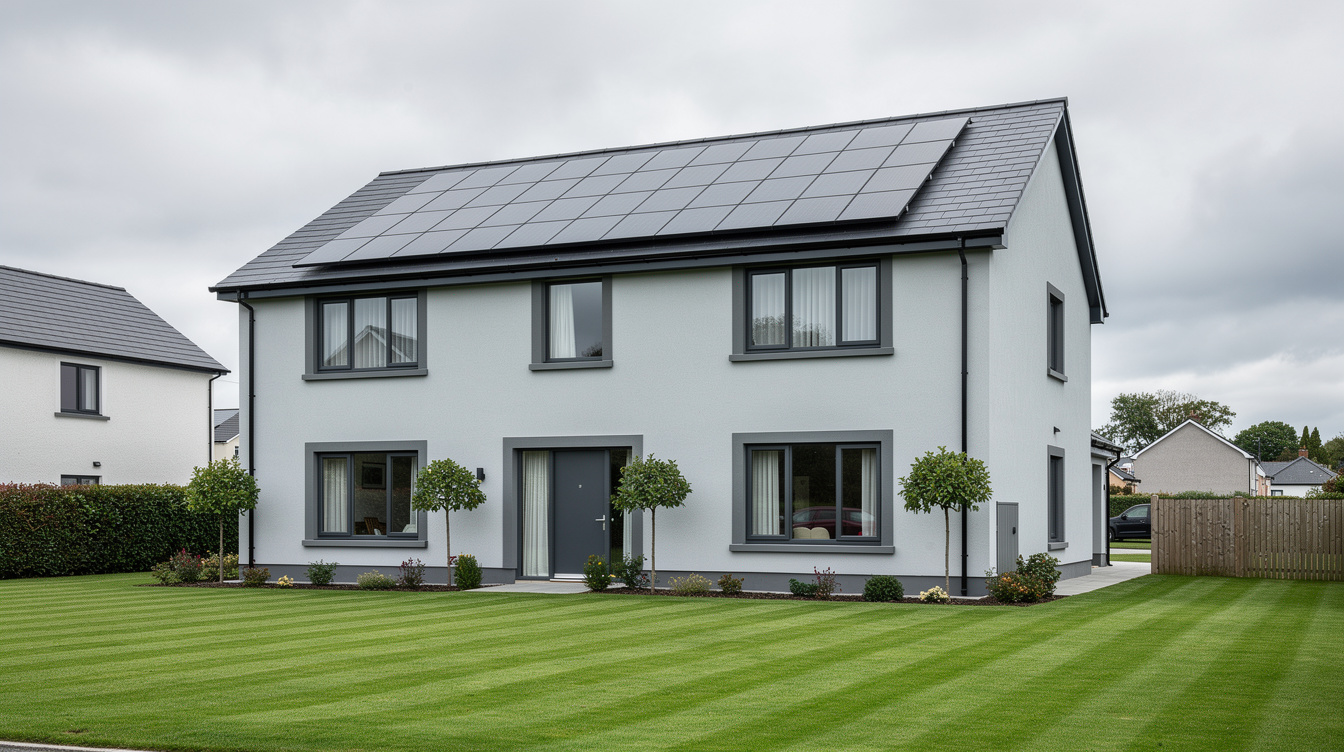
This is the question we get most often, because the €1,800 SEAI grant has put solar PV firmly in the “value upgrade” bucket. The honest answer: solar PV typically lifts the BER by one to two full sub-bands, with the size of the array and the starting point both mattering. Real-world DEAP-modelled examples from recent Irish retrofits:
| Starting BER | Solar PV added | New BER | Bands lifted |
|---|---|---|---|
| C3 (215 kWh/m²) | 4kWp PV + 5kWh battery | B3 (148) | 2 sub-bands |
| C2 (188) | 6kWp PV (no battery) | B3 (135) | 2 sub-bands |
| D1 (240) | 6kWp PV + 10kWh battery | C2 (180) | 2 sub-bands |
| B3 (140) | 5kWp PV (no battery) | B2 (115) | 1 sub-band |
| E1 (320) | 6kWp PV + battery | D2 (275) | 2 sub-bands |
DEAP credits exported solar generation more cautiously than self-consumed generation, which is why pairing the array with a battery tends to add an extra sub-band of lift on the lower starting grades. The pattern is fairly consistent: a 6kWp install lifts a typical Irish C/D home by exactly one BER letter, which is enough to clear the 2028 C1 minimum for landlords.
The grade-lift league table: ranking upgrades by BER impact
For an unimproved 1970s/80s D-rated home (the most common type in the Irish letting market), here’s the order in which upgrades deliver the biggest BER jump per euro:
| Upgrade | Typical cost (post-grant) | BER lift | Lift per €1k |
|---|---|---|---|
| Attic insulation top-up to 300mm | €800–€1,200 | 1 sub-band | High (best per €) |
| Cavity wall fill (if unfilled) | €1,200–€2,200 | 1–2 sub-bands | High |
| Solar PV 6kWp | €8,200–€9,500 | 1–2 sub-bands | Medium (but pays back via savings) |
| Heat pump swap from oil/gas | €7,000–€14,000 | 2–4 sub-bands | High when paired with fabric upgrades |
| External wall insulation (EWI) | €15,000–€30,000 | 2–4 sub-bands | Low per € but transformative |
| Triple glazing | €12,000–€20,000 | 1 sub-band | Low (best done with EWI) |
The textbook sequence is the “fabric first” ladder: do attic and cavity first because they unlock the rest, then solar PV and heat pump together (the heat pump runs more efficiently on lower-load fabric), then external wall insulation and glazing only if you need to clear the B2 line for 2030. Read more in our heating system pairing guide.
The 2026–2030 minimum BER ladder
The transposition of the recast EU Energy Performance of Buildings Directive (EPBD) into Irish law via the upcoming Buildings Energy Performance Standards Bill sets a hard floor on residential energy performance. For private-rented dwellings the staged minimums are:
- 2026: Minimum BER of D2 for new tenancies. Below that and you cannot legally let the property.
- 2028: Minimum BER of C1 for new tenancies.
- 2030: Minimum BER of B2 across the rented stock (existing and new tenancies).
For private homeowners these minimums don’t prohibit occupation, but they do gate eligibility for SEAI One Stop Shop grants (already require a target BER of B2 or better) and increasingly for green mortgage rates. AIB, Bank of Ireland and PTSB all now publish discounted fixed-rate mortgages for properties with a BER of B3 or higher. Our landlord solar panels guide covers the rented-market angle in depth.
When is a BER legally required?
- Selling. A BER must be provided to the buyer before any sales contract is signed. The certificate number must appear in property listings on Daft and MyHome.
- Letting. A BER must be provided to a tenant before signing a lease. The number must appear in any rental advertisement.
- New build. A BER is part of the final compliance package before handover.
- SEAI grant applications. Both pre-works and post-works BERs are needed for One Stop Shop deep retrofits. For standalone solar PV, the pre-works BER is part of the grant claim from the installer.
- Green mortgage applications. Most lenders require a current BER under 10 years old.
Checking your existing BER
Every Irish dwelling that has ever been assessed appears on the public SEAI BER National Register. You can look up any address: visit ndber.seai.ie and enter the MPRN, address or BER number. If a previous owner had an assessment done, it’s valid for 10 years from the issue date as long as no major works have been done since.
Plan Your BER-Lifting Retrofit
Solar PV is one of the most impactful single upgrades for moving from C/D to B. Compare quotes from SEAI-registered installers.
Frequently asked questions
How long does a BER last?
10 years from the issue date, or until you carry out major works (extensions, heating system change, fabric upgrades) that materially change the energy profile of the dwelling.
Can I improve my BER without getting a new assessment?
No. The BER on the SEAI register only changes when a fresh assessment is filed by a registered assessor. If you’ve installed solar PV, a heat pump, attic insulation or new windows, book a fresh BER to lock in your new grade.
Does adding solar PV automatically improve my BER?
Yes, by 1–2 sub-bands for a typical 4–6kWp system, but you have to commission a new BER assessment after install for the new grade to appear on the SEAI register. The first post-works BER for a SEAI grant claim usually fulfils this.
What’s the difference between BER, NZEB and DEAP?
BER is the certificate (the A1–G grade label). DEAP is the calculation methodology behind it (the SEAI software an assessor uses). NZEB is “nearly zero-energy building” — the 2019 mandatory standard for new builds, which equates to an A2 BER or better.
If I’m buying a house, can I trust the seller’s BER?
Mostly yes — assessor audit rates run around 1 in 50 and the SEAI imposes financial penalties for inaccurate filings — but it’s sensible to read the Advisory Report alongside the headline grade. The Advisory Report shows which assumptions the assessor made (e.g. default U-values vs measured), which can flag a flattering rating on an older property.
Do tenants have a right to demand a current BER?
Yes. Under SI 666 of 2014 (transposing the EPBD), a landlord must provide a current BER to any prospective tenant before lease signing. Failure to comply can be reported to the SEAI for prosecution and to the RTB for tenancy compliance.
Is there a fast-track BER for new builds?
Yes, the “provisional BER” allows a builder to publish a target grade based on design drawings, with the final BER issued after construction. Most NZEB new builds use provisional BERs in their pre-sales marketing.
How does solar PV interact with the One Stop Shop?
The One Stop Shop deep-retrofit grant requires you to bundle multiple measures and achieve a target post-works BER of at least B2. Solar PV is a contributory measure that typically delivers the final 1–2 sub-bands needed to clear the B2 line, especially on a C-rated starting point.
Related Articles
Solar Panel System Cost by Number of Panels Ireland 2026: 8, 12, 14, 20, 24 Panel Prices
What 8, 12, 14, 16, 20 or 24 solar panels actually cost in Ireland 2026 — net after €1,800 SEAI grant & 0% VAT, output kWh, roof area & battery add-ons.
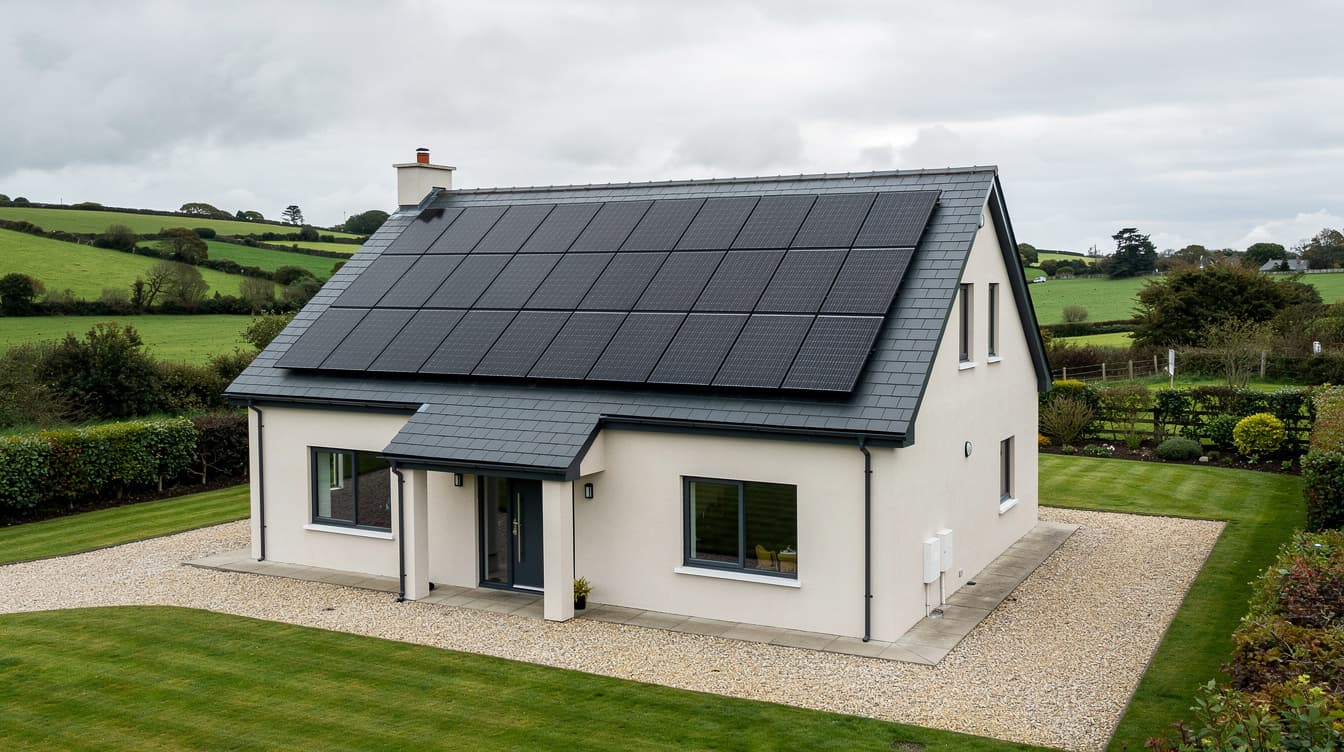
6kW Solar System Cost Ireland 2026: Real Prices, Output & Payback
6kW solar costs €7,700–€10,500 net after the €1,800 SEAI grant and 0% VAT in Ireland 2026. Real quote, 5,270 kWh/yr output, EV/battery ROI.
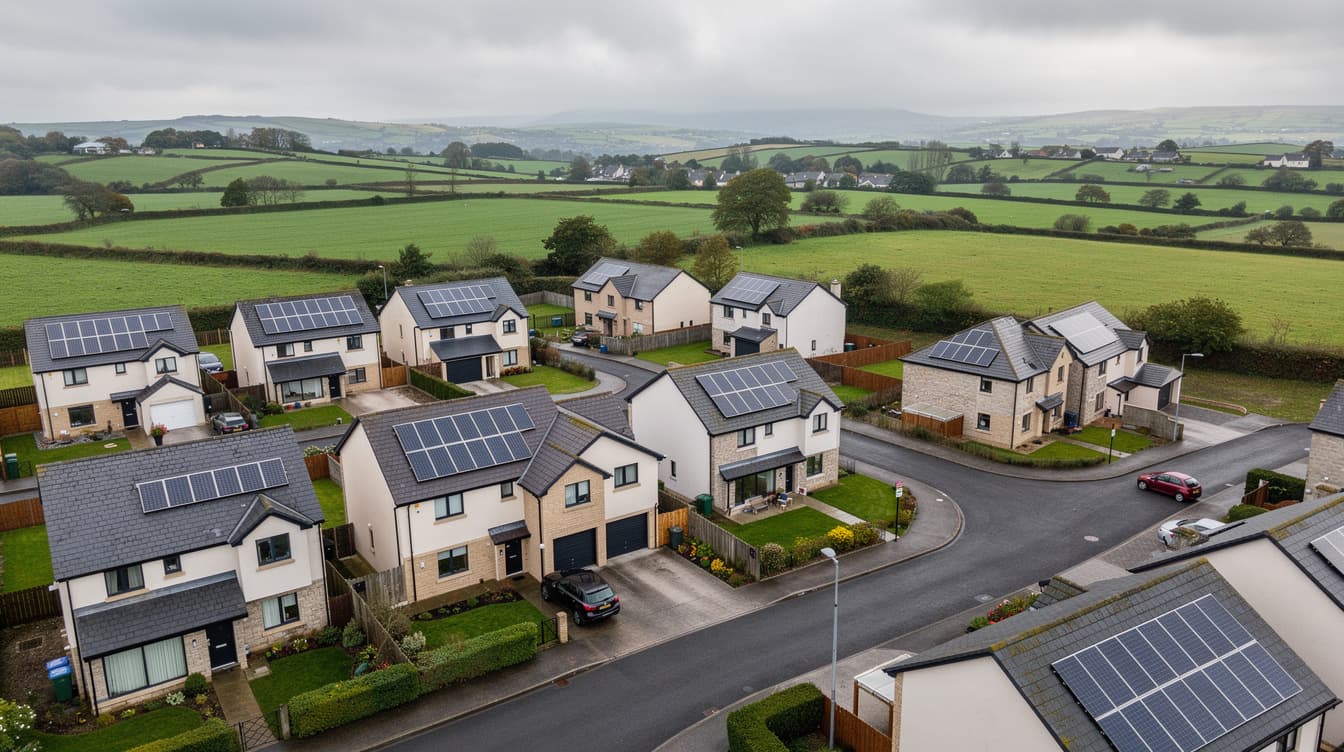
Average Cost of Solar Panels Ireland 2026: What Homeowners Really Pay
Real 2026 Ireland solar prices by kW size, region and battery option. Average 5kW after SEAI grant: €7,100-€9,000. Full breakdown inside.