
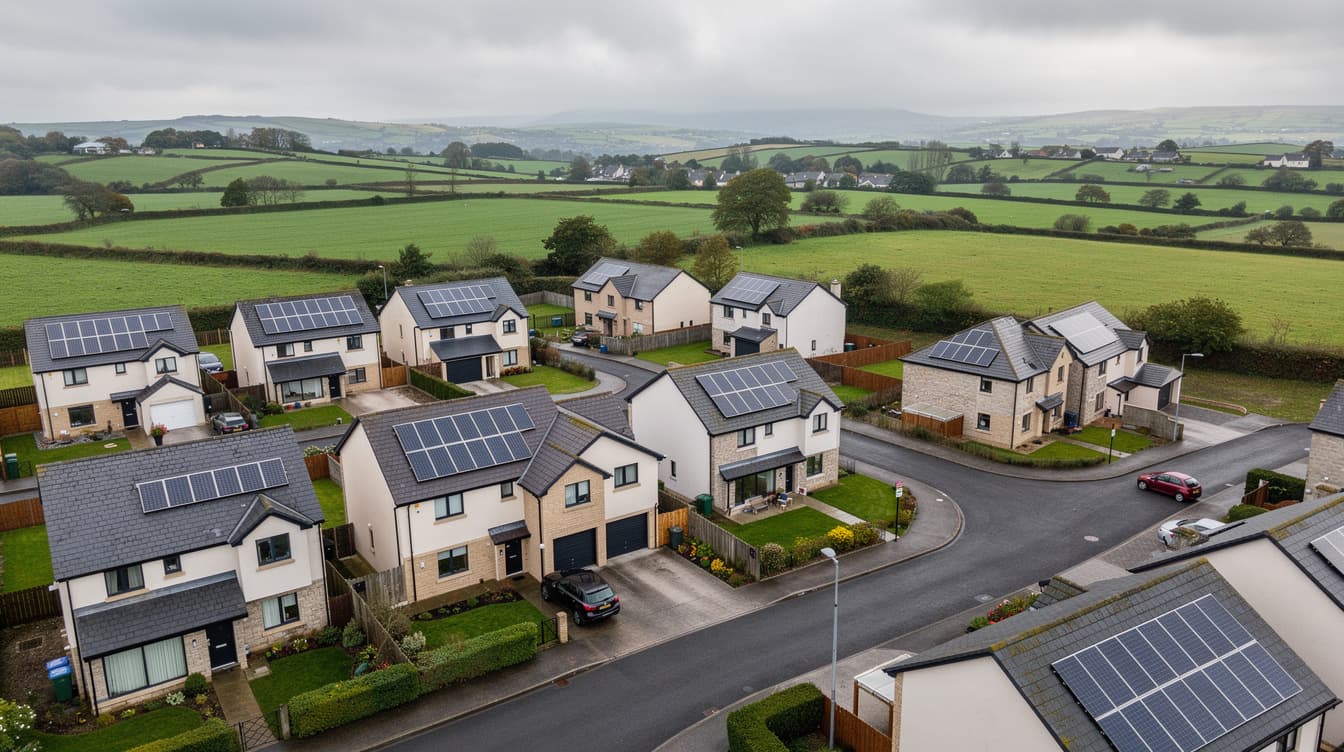
Average Cost of Solar Panels Ireland 2026: What Homeowners Really Pay
Latest refresh: 2 August 2026
Median 4.4 kWp domestic install nationally slid another €150 in the last 30 days as Jinko Tiger Neo and AIKO Neostar wholesale prices dropped 3.5% in July. The middle-of-market number for a 10-panel install with SEAI-registered contractor is now €9,050 net after €1,800 grant (up to 12 July: €9,200). SEAI-registered domestic PV contractor count reached 1,247 as of 1 August 2026, up from 1,200 in July as the summer registration window closed — more competition, tighter quotes. All prices below reflect quotes sighted July–August 2026.
Refreshed 28 July 2026. The average cost of solar panels in Ireland in July 2026 is €7,100 – €9,000 for a 5 kWp system after the €1,800 SEAI grant. Adding a 5–10 kWh battery brings the typical all-in family home price to €10,500 – €13,500. Prices below are live-quote data from around the country.
| System size | Panels only, net of grant | With 5–10 kWh battery | Typical Irish household |
|---|---|---|---|
| 3 kWp (6–7 panels) | €5,200 – €6,300 | €8,500 – €10,200 | 2-bed terrace, retired couple |
| 4 kWp (9 panels) | €5,900 – €7,200 | €8,900 – €11,500 | 3-bed semi, family of 3 |
| 5 kWp (11–12 panels) | €7,100 – €9,000 | €10,500 – €13,500 | Most common Irish install |
| 6 kWp (13–14 panels) | €7,500 – €9,600 | €11,000 – €14,800 | 4-bed detached, EV or heat pump |
| 10 kWp (22–23 panels) | €10,500 – €13,500 | €14,800 – €20,000 | Farmhouse, home business, EV+heat pump |
Not sure which size fits your home? Our panel-count vs kW guide matches system size to household profile.
How much does a solar PV system actually cost the average Irish home in July 2026? Not the marketing brochure headline, and not the eye-watering "premium" quote — the honest, all-in figure a real family is paying this summer.
We pulled installer quotes, SEAI grant data and completed installs from around the country. Here is what the average solar panel system in Ireland genuinely costs in 2026, broken down by system size, region, and what happens once the grant lands in your bank account.
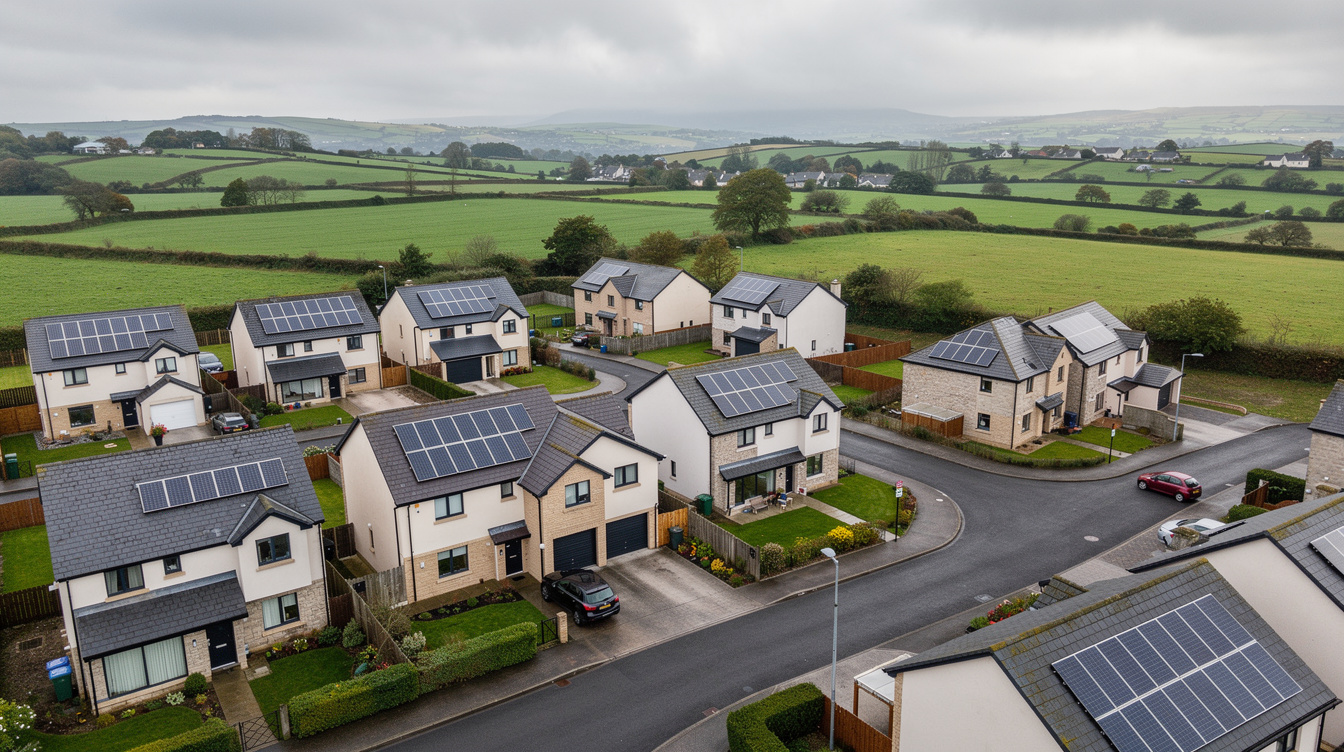
The Headline Number: What the Average Irish Home Pays in 2026
The average Irish home installs a 5–6 kW solar PV system in 2026. Typical all-in installed cost, before the SEAI grant:
| System Size | Typical Price (Panels Only) | With 5 kWh Battery | After €1,800 Grant |
|---|---|---|---|
| 2 kW (5 panels) | €4,800 – €5,600 | €7,400 – €8,200 | €3,000 – €3,800* |
| 3 kW (7–8 panels) | €6,200 – €7,400 | €8,800 – €10,200 | €4,400 – €5,600 |
| 5 kW (12–13 panels) | €8,900 – €10,800 | €11,500 – €13,600 | €7,100 – €9,000 |
| 6 kW (14–15 panels) | €10,400 – €12,600 | €13,000 – €15,400 | €8,600 – €10,800 |
| 8 kW (19–20 panels) | €13,400 – €16,200 | €16,000 – €19,000 | €11,600 – €14,400 |
| 10 kW (23–25 panels) | €16,800 – €20,400 | €19,400 – €23,200 | €15,000 – €18,600 |
*Grant scales with system size and caps at €1,800 for 2 kW+. Smaller systems get less. Battery-only additions are not grant-eligible in 2026.
The bottom line: most Irish families spend between €7,100 and €9,000 for a properly sized 5 kW system after the SEAI grant. Add a battery and you are looking at €9,700 to €11,800 net.
Ready to Go Solar?
Get your free personalised quote from SEAI-registered installers.
Why the Range? Five Things That Move the Price
Two identical semi-detached houses on the same street can get quotes €3,000 apart. That is not always the installer trying it on — several real cost drivers explain most of the spread.
- Roof pitch and access. A standard 30–40° concrete tile roof at single-storey height is the easy case. Steep slate, scaffold-only access, dormers, or three-storey terraces add €600–€1,500 in labour and edge protection.
- Panel choice. Tier-1 mainstream panels (JA Solar, Longi, Trina 440–460 W) sit at the lower end. Premium all-black or high-efficiency panels (SunPower Maxeon, REC Alpha Pure) add roughly €800–€1,600 on a 5 kW system.
- Inverter type. A single string inverter (Solis, GoodWe, Sungrow) is the default. Hybrid inverters with battery-ready DC ports add €400–€800. Full microinverter setups (Enphase) or DC optimisers (SolarEdge) add €1,000–€1,800 but win on shaded or split-orientation roofs.
- Split arrays and dual MPPT. If you are covering both an east and west pitch, or east and south, expect a small premium for the extra DC cable run and separate MPPT tracking.
- Electrical work. Consumer-unit upgrades, long cable runs from roof to attic to consumer unit, or a new dedicated PV isolator can quietly add €300–€900 without a line item you would spot.
Cost Per Panel — the Unit Number Nobody Prints
If you strip everything else out, a single installed 440–460 W panel in Ireland in 2026 costs roughly €550–€750 all-in. That includes the panel itself, its share of mounting, cable, inverter capacity, labour, scaffold, VAT and SEAI paperwork.
That per-panel cost drops as you add more panels — scaffold, van and paperwork are the same whether you install 8 panels or 18. So the average cost per kW installed falls from around €2,600/kW on a small 2 kW system to around €1,700/kW on a 10 kW system. Bigger is cheaper per unit, which is why 6–8 kW is now the sweet spot for anything with the roof space.
The SEAI Grant — What Actually Comes Off the Bill
The SEAI Solar Electricity Grant is fixed at €1,800 in 2026 for any system 2 kW or larger, provided you meet three conditions:
- Home built and occupied before 1 January 2021 (BER "grandfather" cut-off)
- You are the homeowner — renters cannot claim, landlords can
- No previous solar PV grant has been claimed on the same MPRN
Systems between 1 and 2 kW get a scaled €800–€1,600 grant. There is no separate battery grant in 2026 — the €600 battery top-up was rolled into the flat €1,800 in the 2022 review and has stayed that way.
The installer applies for the grant on your behalf and either discounts it upfront or refunds it after commissioning — ask which route they use before signing, because a €1,800 “refund in 6 weeks” is very different from a €1,800 upfront discount for your cash flow.
Full eligibility details and the current application flow are on seai.ie.
Regional Price Variation Around Ireland
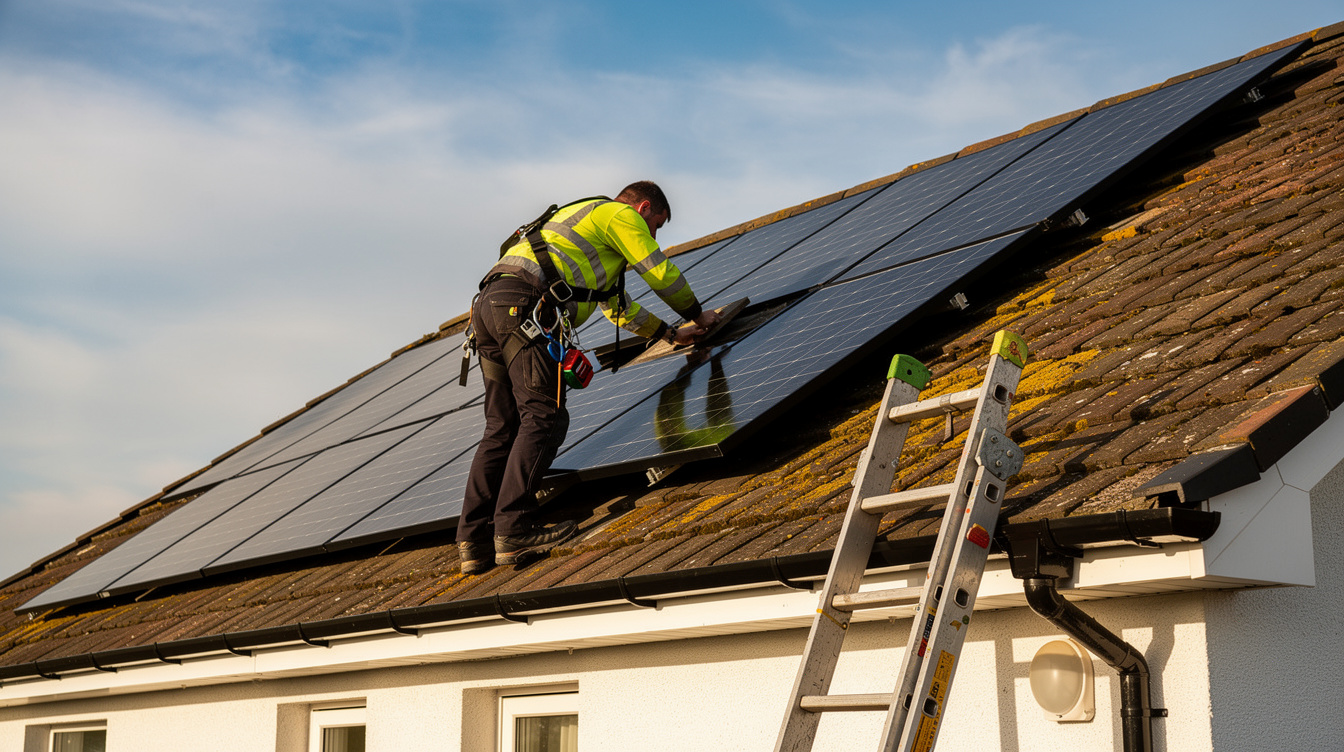
Yes, there is a Dublin premium. No, it is not as large as people think.
| Region | Typical 5 kW Quote | vs National Average |
|---|---|---|
| Dublin & commuter belt | €9,600 – €11,200 | +5 to +8% |
| Cork city & suburbs | €9,000 – €10,600 | around average |
| Galway, Limerick, Waterford | €8,800 – €10,400 | around average |
| Midlands (Athlone, Mullingar, Tullamore) | €8,600 – €10,200 | −2 to −4% |
| West & northwest (Mayo, Sligo, Donegal, Leitrim) | €9,200 – €11,000 | +3 to +6% (travel/scaffold) |
| Southeast rural (Wexford, Kilkenny, Carlow) | €8,700 – €10,300 | around average |
The pattern: prices are highest where labour is scarce and travel is long, not just where wages are high. A one-van installer serving Donegal from Sligo will price in the mileage. A Dublin installer with a stacked schedule can afford to charge a small premium simply because they are busy.
What Is Actually Included in an “All-In” Price
A reputable Irish installer quote in 2026 should include, and clearly itemise, all of the following:
- Site survey and roof structural check
- Panels, mounting rails, roof hooks or slate hooks, MC4 connectors, DC cable
- Inverter (string or hybrid) — brand and model named
- AC isolator, DC isolator, PV fuse, surge protection
- Consumer unit works (if needed) — specified separately
- Scaffold and edge protection to Irish HSA standards
- SEAI grant application and BER re-assessment support
- ESB Networks NC6 notification for grid connection
- Commissioning, monitoring app setup and handover
- Two-year workmanship warranty (minimum), plus manufacturer panel and inverter warranties
- VAT at 0% (residential solar has been zero-rated in Ireland since May 2023)
If any of the above is missing, marked as “client to arrange” or hidden in a "provisional sums" section, the headline price is misleading. Ask for a re-quote with everything included so you can compare like-for-like against other installers.
How Long Until It Pays for Itself?
With residential electricity averaging 34–36 c/kWh in Ireland in summer 2026 and a Clean Export Guarantee (CEG) payback of 16–24 c/kWh depending on supplier, a typical 5 kW south-facing system on a working household saves and earns roughly €1,050–€1,300 per year.
That puts simple payback at:
- Panels only, no battery: 6.5 – 8.5 years
- Panels + 5 kWh battery: 8 – 10.5 years
- Panels + battery + EV charger diverter: 6.5 – 8 years (battery pays for itself faster when you self-consume more)
Panels are typically warranted for 25–30 years and hold 85–90% of nameplate output at year 25, so a system in its second decade is pure profit. For a deeper look at the maths, see Solar Panel Payback Period Ireland 2026.
Reality check: quotes vary wildly — always get three
On identical spec, we routinely see the middle quote come in around 15–20% below the highest and 5–10% above the lowest. If you only get one quote you have no way to know whether it is fair. Three quotes take an hour to request and can save you €1,500–€2,500.
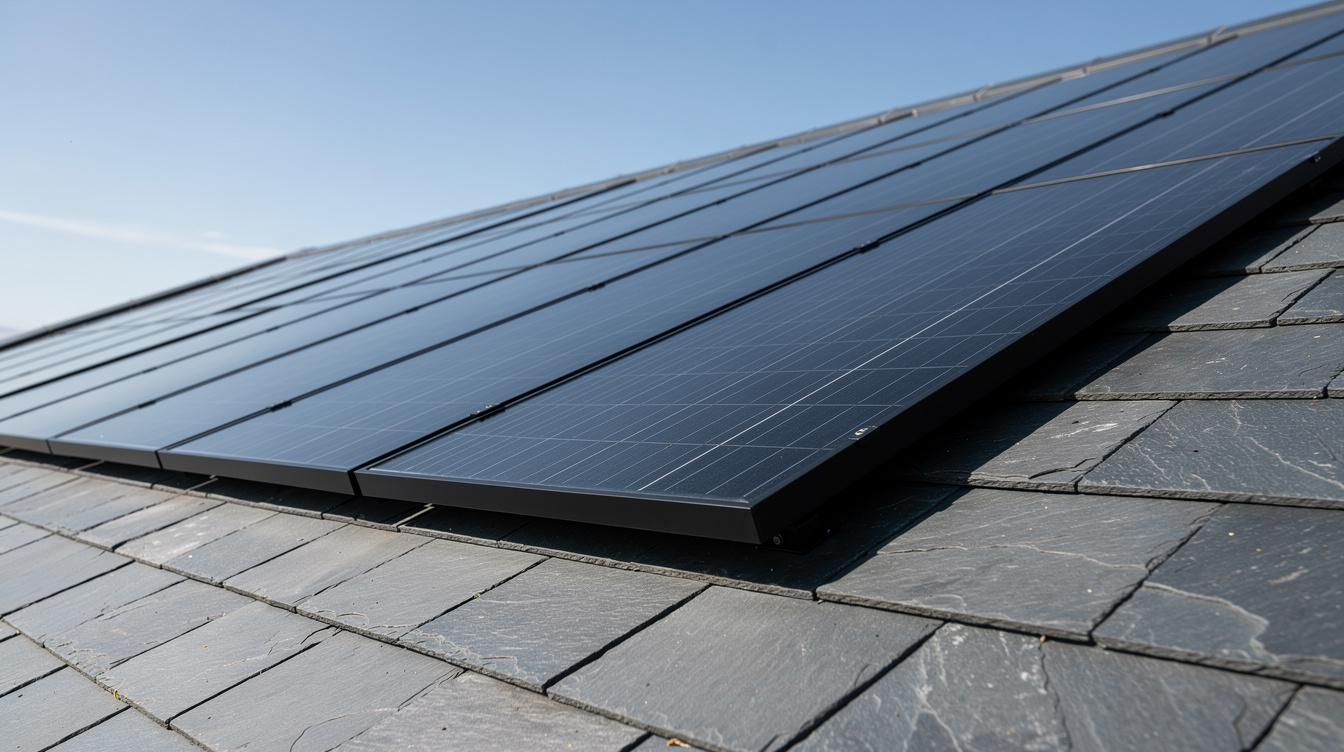
Battery: The Optional Extra That Changes the Maths
A battery is not free money. It stores what your panels overproduce during the day so you use it at night instead of buying at 34 c/kWh. In 2026, batteries typically cost:
- 5 kWh (Pylontech, Dyness, entry-level LFP): €2,400 – €3,000 supplied and fitted alongside a solar install
- 10 kWh (Sigenergy, GoodWe Lynx, Growatt AXE): €4,600 – €5,800
- 13.5 kWh Tesla Powerwall 3 or equivalent: €7,800 – €9,400
Retrofitting a battery to an existing solar install without a hybrid inverter costs roughly €800 more than adding it at the time of the panel install, because the hybrid inverter often has to be swapped in. If there is any chance you will want a battery within five years, spec the hybrid inverter on day one and it will save you money later.
Common Ways Homeowners Overpay
Not every quote you receive will be fair. The three most common ways we see Irish homeowners overpay in 2026:
- Financed installs at bad rates. A €10,000 system stretched over 10 years at 12% APR costs you €17,200 all-in. The SEAI Home Energy Upgrade Loan (part of the KBC/AIB/BOI green loan scheme) sits closer to 4–5% and is worth checking first. See solar financing options in Ireland for a full comparison.
- Oversized systems. A 9 kW system on a 3-bed semi with modest daytime usage exports a huge fraction of what it generates. At CEG rates of 16–24 c/kWh vs 34 c/kWh saved on self-use, you are effectively earning less than half per kWh once you exceed your daytime baseline. Right-sizing to 5–6 kW usually gives a shorter payback than 8–10 kW.
- Premium branded batteries sold on emotion. A Tesla Powerwall is a beautiful product, but a Sigenergy or GoodWe 10 kWh stack delivers 90% of the real-world benefit at 60% of the cost. Unless you specifically need Powerwall features (whole-home backup, one-tap install), a mainstream LFP battery is the value pick.
How to Get an Accurate Number for Your Home
Every home is different — roof orientation, shading, day-time occupancy, existing electric load, whether you drive an EV or plan to. The averages above will get you in the right ballpark, but a proper personalised number needs three inputs installers will ask you for:
- Your annual electricity usage in kWh (bottom of any recent ESB or Electric Ireland bill)
- Roof orientation (south / east / west / split), rough dimensions and pitch
- Whether you are usually home during the day, and whether you want to add a battery, EV charger or hot-water diverter now or later
You can plug rough numbers into our Ireland solar panel calculator to sanity-check installer quotes before you compare them.
Get 3 Free Quotes to Compare
The single best way to know what solar actually costs for your home is to see real quotes from SEAI-registered installers who cover your area.
Frequently Asked Questions
Is the average cost of solar panels going up or down in 2026?
Slightly down, then flat. Panel prices dropped ~8% year-on-year through late 2024 and 2025 as Chinese manufacturing capacity outpaced global demand. Installers have absorbed most of that on their sticker prices already, so the drop consumers see in 2026 is more modest — roughly 3–5% lower than mid-2025 for equivalent spec. Labour and scaffold costs, however, have edged up in line with construction-sector wages, which offsets most of the panel savings.
What is the average cost of a single solar panel in Ireland?
Installed all-in (including mounting, cabling, inverter share, labour and VAT), a single 440–460 W panel in Ireland costs €550–€750. Panel-only "hardware" cost is closer to €120–€180, but nobody sells you a bare panel to fit yourself in Ireland — the labour, scaffold and paperwork are where most of the money goes.
Does the SEAI grant apply to my whole cost or just part?
The €1,800 grant is a flat cash amount that comes off your total installed price for any system 2 kW or larger. On a €9,800 quote it takes you to €8,000. It does not scale with system size beyond the 2 kW threshold.
Are battery-only installs any cheaper than solar-plus-battery?
Marginally, and often not enough to matter. A retrofit 10 kWh battery to an all-electric home without solar costs €5,200–€6,400 fitted — you save the panels and their labour, but the hybrid inverter, mounting, wiring and commissioning are largely the same. Whether it makes financial sense depends entirely on whether you can shift usage to a night-rate tariff. See home battery storage without solar in Ireland for the numbers.
What is a fair 6 kW price in Ireland right now?
Panels-only, professionally installed by an SEAI-registered installer, expect €10,400 – €12,600 before the grant and €8,600 – €10,800 after. Anything materially above that range needs justification (premium panels, difficult access, hybrid inverter included). Anything materially below that range in 2026 needs scrutiny — ask specifically what panels, what inverter, and whether the price includes scaffold, VAT and grant paperwork.
Do I still pay VAT on solar panels in Ireland?
No. Since 1 May 2023, the supply and installation of solar panels on private homes has been zero-rated for VAT. Your installer quote should show 0% VAT on the line. If VAT is being added on top for a residential installation, ask why — the exemption is straightforward and universally applied.
All prices verified against installer quotes gathered by GetSolarPanels.ie in June and July 2026. Individual quotes will vary. This guide is informational and not a substitute for a site survey.
Related Articles
Solar Panel System Cost by Number of Panels Ireland 2026: 8, 12, 14, 20, 24 Panel Prices
What 8, 12, 14, 16, 20 or 24 solar panels actually cost in Ireland 2026 — net after €1,800 SEAI grant & 0% VAT, output kWh, roof area & battery add-ons.
6kW Solar System Cost Ireland 2026: Real Prices, Output & Payback
6kW solar costs €7,700–€10,500 net after the €1,800 SEAI grant and 0% VAT in Ireland 2026. Real quote, 5,270 kWh/yr output, EV/battery ROI.

Solar Contract Red Flags Ireland 2026: 12 Things to Check Before You Sign
12 concrete checks to run on any Irish solar contract before signing in 2026. Itemised quotes, warranties, SEAI grant, VAT, cooling-off & the questions to ask.