
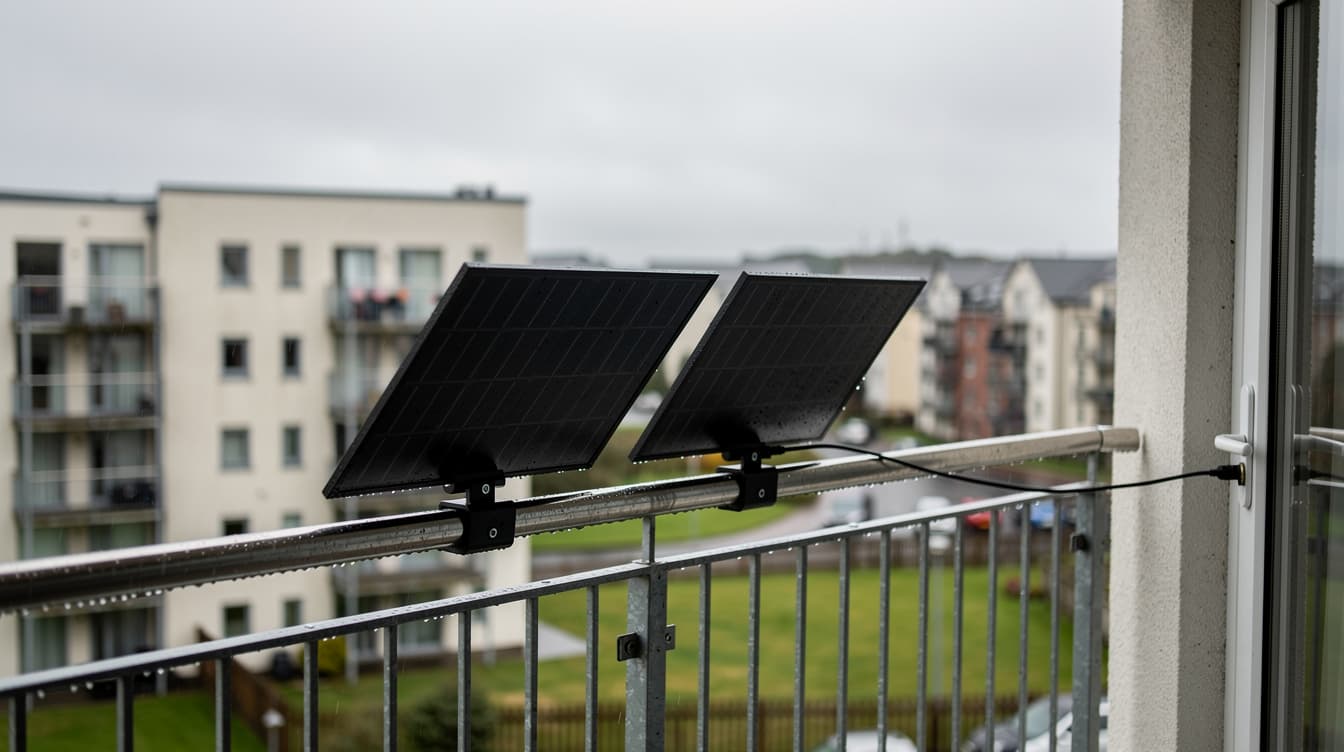
Best Plug-In Solar Panel Kits Ireland 2026: 5 Kits Compared (EcoFlow, Anker, Hoymiles & More)
Plug-in solar panels have exploded across Europe. Germany has over 1.5 million balcony solar systems. The UK legalised true plug-and-play systems in June 2026. And Ireland? We’re right on the edge — Energy Minister Darragh O’Brien told the Dáil in April 2026 he is “very open” to legalising them. In the meantime, you can legally install a plug-in solar kit in Ireland, but you need an electrician to connect it.
This guide compares the best plug-in solar panel kits available to buy in Ireland in 2026 — from budget DIY builds under €400 to all-in-one systems with built-in batteries. We cover what each kit includes, what it costs, how much electricity it generates in Irish conditions, and how to legally install it.
What Is a Plug-In Solar Panel Kit?
A plug-in solar kit is a small solar system (typically 400–800W) designed for renters, apartment dwellers, or anyone who wants solar without a full roof installation. The kit usually includes:
- 1–2 solar panels (each 350–450W)
- A micro-inverter that converts DC power from the panels to AC power your home uses
- Cabling and mounting hardware for balcony, garden, or wall mounting
- Optional: a battery to store power for evening use
The system feeds electricity directly into your home’s electrical circuit. When the panels generate power, your appliances use it first, reducing what you draw from the grid. Any surplus either gets exported to the grid or stored in a battery.
The Legal Situation in Ireland (May 2026)
Let’s be clear upfront: you cannot legally plug a solar kit into a wall socket in Ireland. Unlike Germany (where it’s been legal for years) or the UK (legalised June 2026), Ireland still requires:
- A Safe Electric registered electrician to connect the system to a dedicated circuit
- An NC6 form submitted to ESB Networks
- The micro-inverter must meet IS EN50549-1 standards
This adds €300–€800 to your total cost, depending on your existing wiring. However, Minister O’Brien’s April 2026 statement suggests true plug-and-play could be legalised by late 2026 or early 2027.
For the full legal breakdown, see our complete plug-in solar Ireland guide and our coverage of the potential legalisation timeline.
Want a Full Roof Solar System Instead?
If you own your home, a professionally installed system gives you the SEAI grant (€1,800) and much higher output. Get free quotes.
Best Plug-In Solar Panel Kits for Ireland in 2026
We’ve compared the top 5 plug-in solar options available to Irish buyers in 2026. Prices are in euro and include shipping to Ireland where available. All prices exclude the electrician connection cost (€300–€800).
| Kit | Max Output | Battery | Price (Kit Only) | Best For |
|---|---|---|---|---|
| EcoFlow PowerStream 800W | 800W | Optional (Delta 2) | €750–€950 | Best overall |
| Anker SOLIX Solarbank 2 | 800W | Built-in 1.6 kWh | €1,300–€1,700 | Best with battery |
| Zendure Hyper 2000 | 800W | Modular (960 Wh+) | €1,000–€1,500 | Best smart features |
| Hoymiles DIY Build | 800W | No | €300–€500 | Best budget |
| Robinsun Performance 800 | 800W | Optional | €600–€800 | Best value all-in-one |
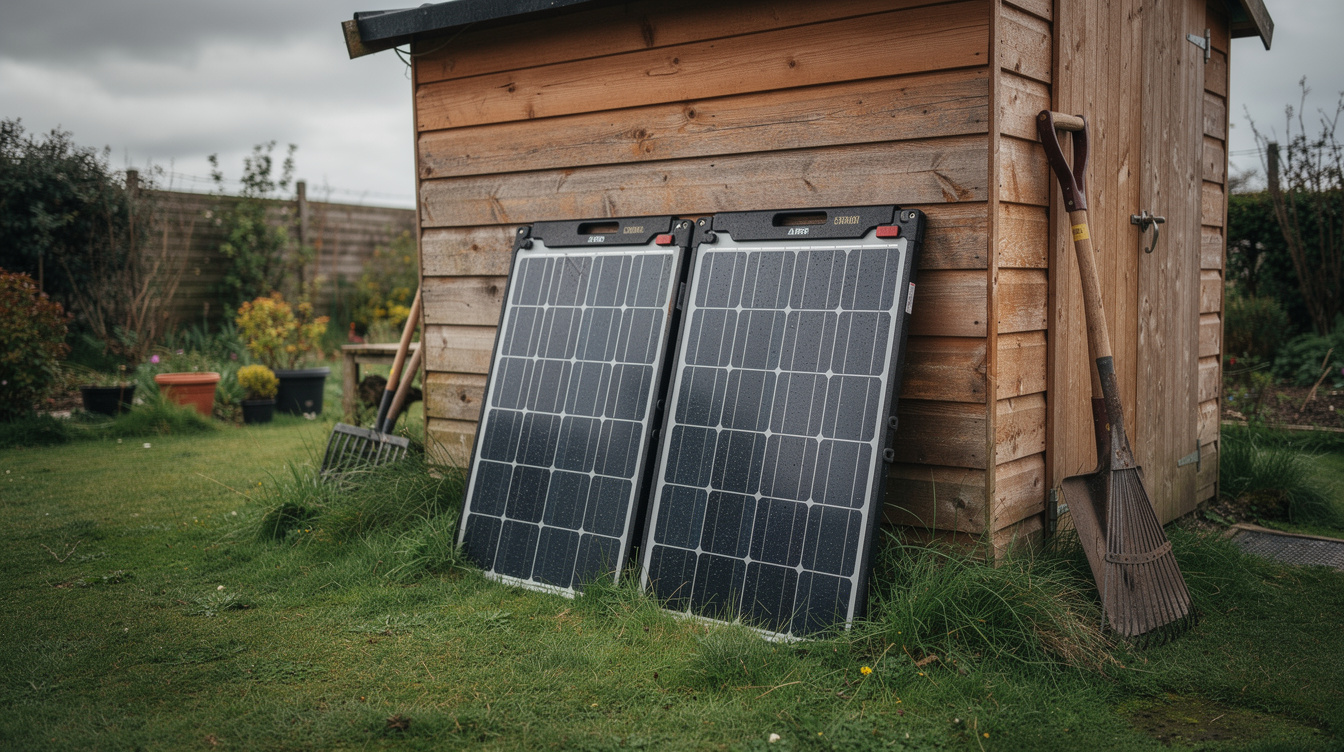
1. EcoFlow PowerStream 800W — Best Overall
EcoFlow is the market leader in plug-in solar across Europe, with over a million systems deployed. Their PowerStream kit pairs two 400W rigid panels with an 800W micro-inverter that has built-in WiFi monitoring.
What you get:
- 2 × 400W EcoFlow rigid solar panels (up to 23% efficiency)
- 800W micro-inverter with WiFi
- MC4 cables and mounting brackets
- EcoFlow app for real-time monitoring
Pros: Excellent app with real-time generation data, proven reliability across Europe, flexible battery option (connect any EcoFlow Delta power station for storage), good panel efficiency.
Cons: 5-year inverter warranty is shorter than competitors. Battery is an additional €800–€1,200 purchase.
Annual generation in Ireland: 600–800 kWh (approximately €210–€340 savings at current rates).
2. Anker SOLIX Solarbank 2 — Best with Built-In Battery
Anker’s system is unique because the battery is built into the hub unit. You don’t need to buy a separate storage device. The 1.6 kWh LFP battery stores surplus daytime power for evening use, significantly increasing self-consumption.
What you get:
- 2 × 435W Anker SOLIX panels (up to 25% efficiency — highest available)
- Solarbank 2 Pro hub with integrated 1.6 kWh battery
- Dual MPPT tracking, 800W max output
- Anker app with energy monitoring
Pros: All-in-one system with nothing extra to buy, industry-leading panel efficiency, 10-year warranty, trusted brand name. The built-in battery means you use 70–80% of what you generate rather than 40–50%.
Cons: Higher entry cost (€1,300+). Panels are heavier at 22 kg each — may be awkward for balcony mounting. Cannot skip the battery to save money.
Annual generation in Ireland: 650–850 kWh (approximately €230–€360 savings, higher self-consumption thanks to battery).
3. Zendure Hyper 2000 — Best Smart Features
The Zendure system stands out for its AI scheduling, which learns your electricity usage patterns and optimises when to store, use, or export power. It’s also fully compatible with Home Assistant for smart home integration.
What you get:
- Hyper 2000 hub (800W output, 1,800W DC solar input)
- Panels sold separately (choose any compatible panels)
- Modular battery system: AB1000 (960 Wh) or AB2000 (1,920 Wh)
Pros: AI energy optimisation, Home Assistant compatible, 10-year warranty, modular batteries (start small, add later), can accept up to 1,800W of solar input for overproduction strategy.
Cons: Panels sold separately (adds to the shopping list). Limited retail availability in Ireland — you’ll likely order from a European retailer.
4. Hoymiles DIY Build — Best Budget Option
If you want the lowest possible cost per watt and don’t mind sourcing components separately, a Hoymiles-based DIY build is hard to beat. The HMS-800W-2T micro-inverter has a 12-year warranty — the longest in the market.
What you source:
- Hoymiles HMS-800W-2T micro-inverter (€110–€170)
- 2 × 400W+ panels of your choice (€130–€220)
- MC4 cables, plug, mounting hardware (€60–€110)
Pros: Cheapest option by far (€300–€500 total), 12-year inverter warranty, flexibility to choose any panels, proven technology used worldwide.
Cons: No unified app (Hoymiles DTU sold separately for monitoring). You source and assemble everything yourself. No single support contact.
5. Robinsun Performance 800 — Best Value All-in-One
Robinsun ships complete kits across Europe with everything you need in one box. Their Performance 800 kit is a solid mid-range option that balances cost and convenience.
What you get:
- 2 × 420W N-Type panels
- 800W micro-inverter
- All cables, connectors, and mounting hardware
- Optional battery add-on (Anker Solarbank compatible)
Pros: Everything in one box, competitive pricing, ships to Ireland, good panel quality.
Cons: European company (support in English but not Irish-based). Shipping can take 1–2 weeks.
Ready to Go Solar?
Get your free personalised quote from SEAI-registered installers.
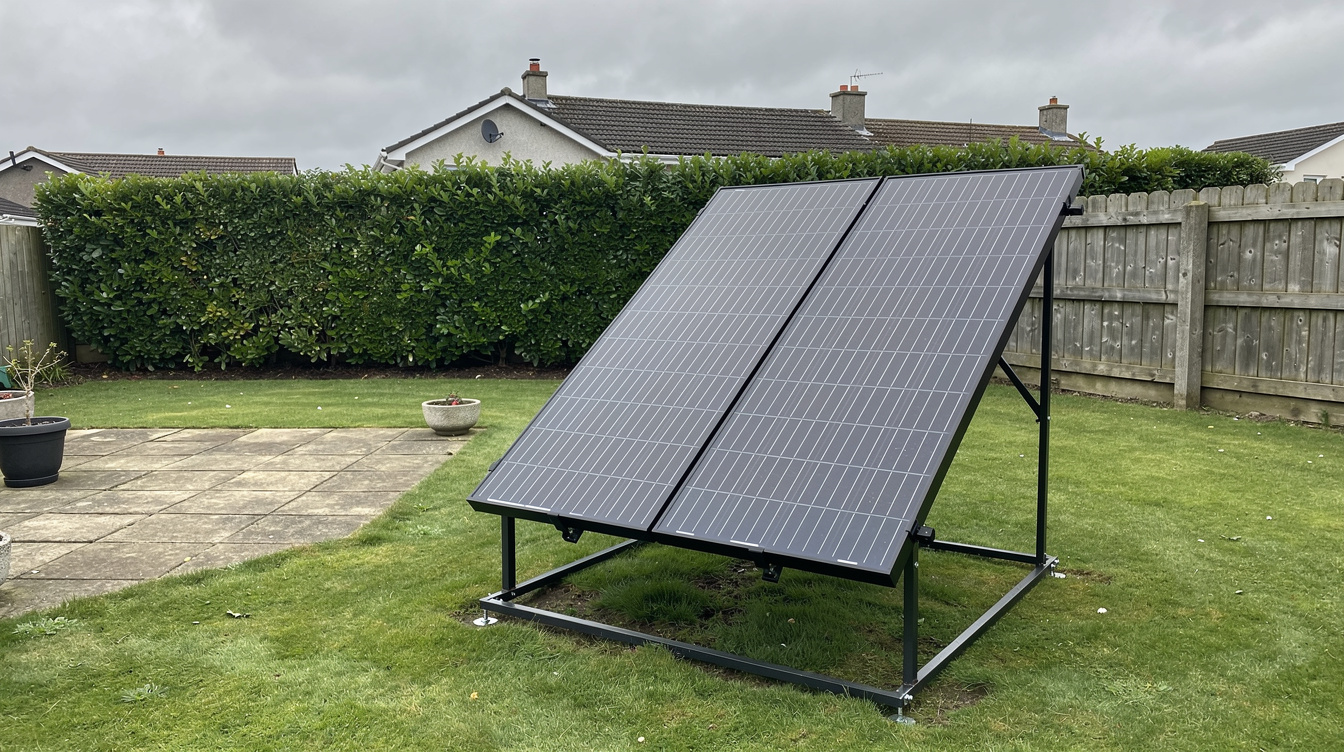
Total Cost Including Electrician Installation
Remember, in Ireland you need a Safe Electric electrician to legally connect your system. Here’s the real total cost:
| Kit | Kit Price | Electrician | Total | Payback (years) |
|---|---|---|---|---|
| EcoFlow 800W | €750–€950 | €300–€600 | €1,050–€1,550 | 4–6 |
| Anker SOLIX | €1,300–€1,700 | €300–€600 | €1,600–€2,300 | 5–8 |
| Zendure Hyper | €1,000–€1,500 | €300–€600 | €1,300–€2,100 | 5–7 |
| Hoymiles DIY | €300–€500 | €300–€600 | €600–€1,100 | 3–5 |
| Robinsun 800 | €600–€800 | €300–€600 | €900–€1,400 | 3.5–5.5 |
How Much Electricity Will a Plug-In Kit Generate in Ireland?
Ireland gets 900–1,050 kWh of solar radiation per kWp per year. An 800W plug-in system (0.8 kWp) will generate approximately:
- South-facing balcony: 640–800 kWh per year
- Garden ground-mount: 680–840 kWh per year (slightly better due to optimal tilt)
- East or west-facing: 540–680 kWh per year
At current electricity rates of 35–42c per kWh, that’s €190–€350 in annual savings if you self-consume most of the power. With a battery, self-consumption jumps from ~45% to ~75%, meaning more of that generation offsets grid purchases rather than being exported at lower rates.
Plug-In Solar vs Full Roof Installation: Which Should You Choose?
| Factor | Plug-In Kit (800W) | Full Roof System (4 kWp) |
|---|---|---|
| Cost | €600–€2,300 | €4,000–€5,000 (after grant) |
| Annual generation | 600–850 kWh | 3,600–4,200 kWh |
| Annual savings | €190–€350 | €730–€1,360 |
| SEAI grant | Not eligible | Up to €1,800 |
| Renter-friendly | Yes (portable) | No (permanent) |
| Planning permission | Not required | Usually exempt |
| Payback period | 3–8 years | 4–7 years |
Choose plug-in if: You rent, live in an apartment, have limited budget, want something you can take when you move, or want to try solar before committing to a full system.
Choose full roof if: You own your home, want maximum savings, qualify for the SEAI grant, and plan to stay long-term. A full system generates 5× more electricity at only 3–4× the cost.
Where to Buy Plug-In Solar Kits in Ireland
Most plug-in kits aren’t available in Irish retail shops yet. Here are the best options:
- Direct from manufacturers — EcoFlow, Anker, and Zendure all ship to Ireland from European warehouses
- European retailers — Robinsun ships to Ireland. German retailers like Priwatt also ship internationally
- UK retailers — Many UK-based solar shops ship to Ireland (note: may incur customs for items over €150 from non-EU retailers, but most EU-warehoused stock avoids this)
- eBay and Amazon — Hoymiles inverters and generic panels are available, but check seller ratings and warranty terms
- Lidl — Lidl has sold plug-in solar kits in other European countries and there’s growing demand for them in Ireland. See our Lidl plug-in solar article for the latest
Installation Tips for Irish Conditions
- Wind loading: Ireland is windier than continental Europe. Make sure balcony brackets are rated for high winds. Garden ground mounts should be ballasted or staked
- Angle: Tilt panels at 30–35° for best year-round output in Ireland. Many balcony mounts default to steeper angles — adjust if possible
- Orientation: South-facing is ideal but east or west still produces 80–85% of optimal output
- Apartment balconies: Check your lease or management company rules before mounting panels. Some building management companies have restrictions
- Weatherproofing: All major brands are IP67 rated and handle Irish rain perfectly. No special weatherproofing needed
Own Your Home? A Full System May Save You More
With the €1,800 SEAI grant and 0% VAT, a full roof installation pays back in 4–7 years and generates 5× more power than a plug-in kit.
Related Articles
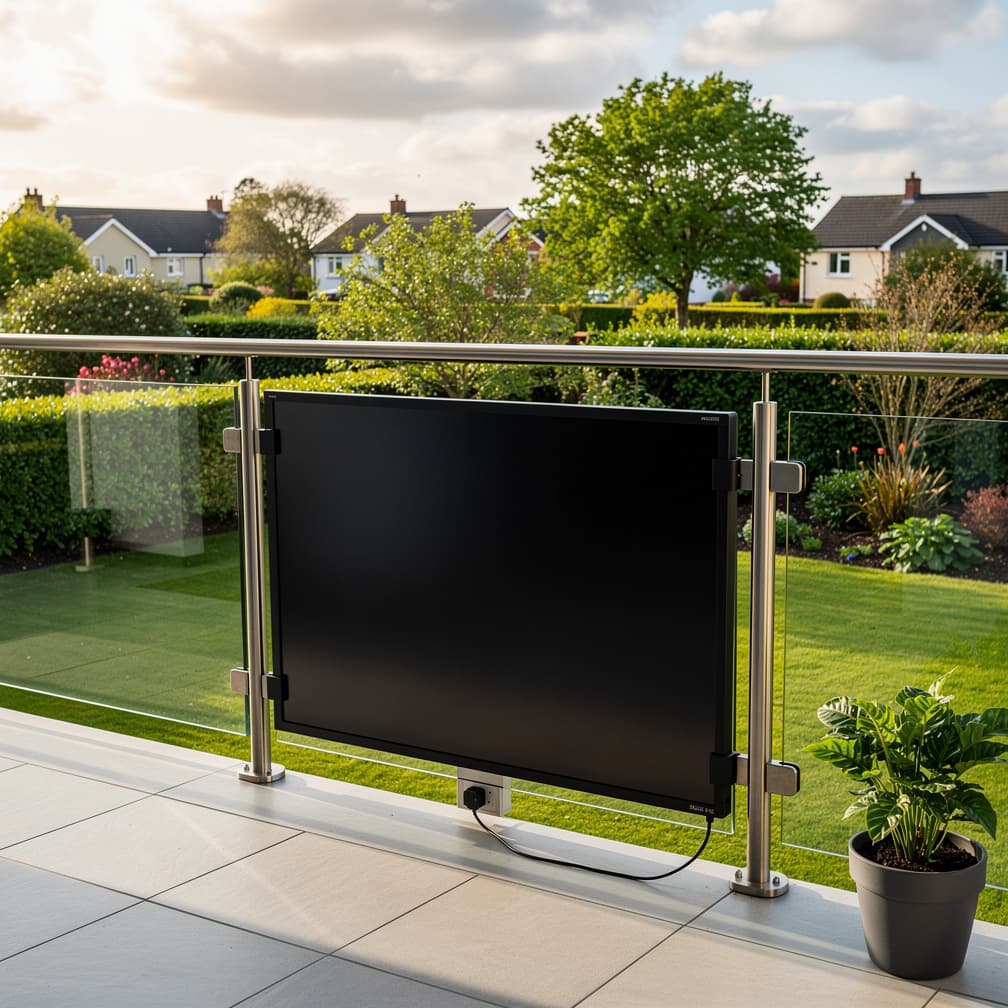
Plug-In Solar Panels Ireland 2026: Complete Guide to Balcony & Portable Solar Systems
Plug-in solar panels in Ireland: compare top kits from €310-€995, learn legal requirements & expected output. Find out if they're worth it!
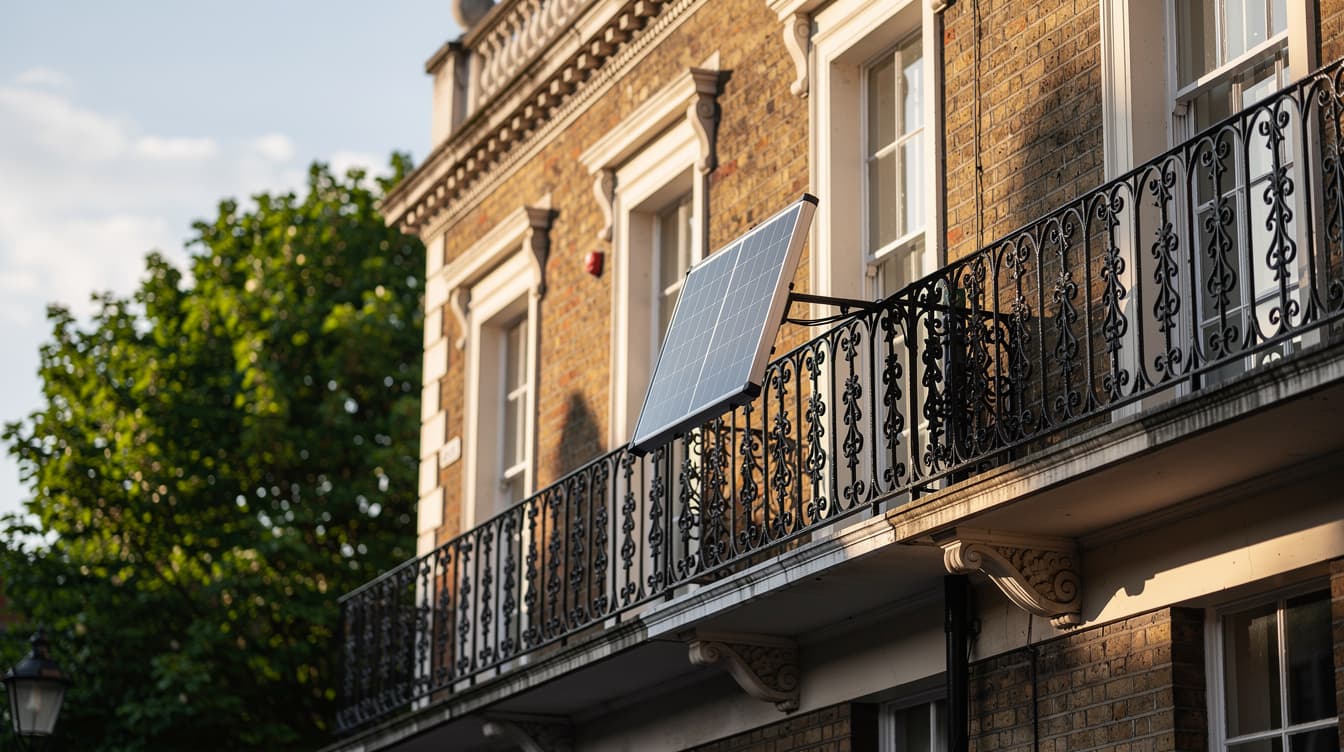
UK Just Legalised Plug-In Solar Panels — Here's Where Ireland Stands (2026)
The UK legalised plug-in solar panels in April 2026. Ireland still requires an electrician and NC6 form. Compare rules and what Irish homeowners can do now.
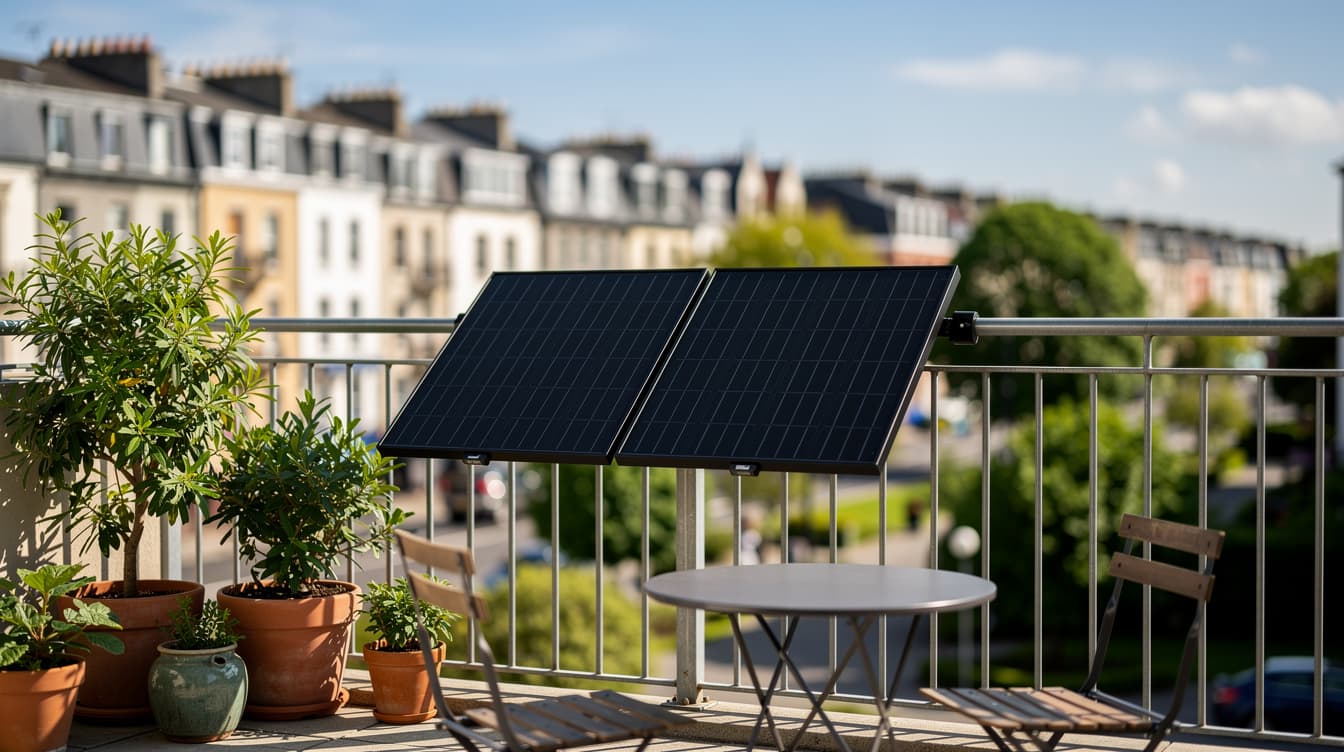
Balcony Solar Panels Ireland 2026: A Complete Guide for Apartments & Renters
Complete guide to balcony solar panels in Ireland. Costs, regulations, best kits, savings and whether plug-in solar is worth it for apartments.