Lidl Plug-In Solar Panels Ireland 2026: When They’re Coming, Real Prices, and the Legal Catch
Refreshed 5 August 2026. Two updates in the last month: (1) Lidl Germany has now confirmed the Parkside PBSA 300 A1 balcony solar starter kit will remain a German/Austrian market exclusive through 2026 — no Irish or UK rollout is planned, per Lidl Ireland Customer Care (verified 4 Aug 2026); (2) the alternative Irish-legal path is now clearer — SEAI-registered 4.4 kWp domestic PV installs are down another €150 in July to a median €9,050 net after grant, and remain the only way to legally connect PV to the ESB Networks grid in a residential property here.
Lidl Plug-In Solar Panels Ireland 2026: When They’re Coming, Real Prices, and the Legal Catch
The honest answer to “when can I buy a Lidl plug-in solar kit in Ireland?” — with expected pricing, the Parkside spec sheet, and the NC6 hurdle nobody is talking about. Updated June 2026.
If you’ve been refreshing the Lidl Ireland weekly leaflet hoping a plug-in solar kit will appear next to the angle grinders — you’re not alone. Over 540 people in Ireland searched for “Lidl solar panels” on Google in the last 28 days. The interest is real. The product is not. Here is exactly where things stand in June 2026, what you’ll pay when they do arrive, and the legal wrinkle that means even when Lidl Ireland stocks them, you may still need an electrician.
TL;DR — June 2026 Status
Lidl Ireland has no confirmed launch date for plug-in solar panels. Lidl GB began trialling kits at around £400 (€470) in March 2026. Even when Irish stock lands, you’ll need an electrician to sign off an NC6 form for grid connection — the UK’s “just plug it in” rule does not apply here. Get a free quote on a real installed system →
What Lidl actually sells right now (and where)
Lidl’s “Middle of Lidl” aisle has flogged everything from welders to canoes, so a solar kit isn’t a stretch. But the timeline differs sharply by country:
| Country | Status (June 2026) | Brand / Price |
|---|---|---|
| Germany | On sale since 2023, multiple SKUs per year | Parkside / Steckersolar — from €199 (300W) to €599 (800W) |
| UK | First kits trialled March 2026 after legal change in April 2026 | Unbranded supplier — around £400 (€470) |
| Ireland | Not on sale. Lidl Ireland confirmed via Twitter in April 2026: “no confirmed date.” | N/A — expected €299–€549 when launched |
| Northern Ireland | Following UK rules — trials began alongside GB | Around £400 (€470) |
Why the gap? Two reasons: regulatory (Ireland still treats plug-in solar as a grid-tied system requiring NC6 notification, which we’ll unpack below) and commercial (Lidl Ireland is a smaller operation than Lidl GB and trails the UK in non-grocery launches by 6–18 months on most categories).
What you’d be getting: the Parkside kit, decoded
When (not if) Lidl Ireland launches, it will almost certainly be a relabelled version of the German Parkside Steckersolar line. Here’s what those kits typically include, based on the 2025 and 2026 German releases:
| Component | 300W Starter | 600W Mid | 800W Max |
|---|---|---|---|
| Solar panels | 1 × 300W monocrystalline | 2 × 300W | 2 × 400W |
| Micro-inverter | Hoymiles HM-300 or similar | Hoymiles HMS-600 (Wi-Fi) | Hoymiles HMS-800 (Wi-Fi) |
| Plug type | Schuko (German) — needs adaptor | Schuko — needs adaptor | Schuko — needs adaptor |
| Cable length | 5m | 5m × 2 | 5m × 2 |
| Mounting kit | Balcony rail clamps | Balcony or wall | Balcony, wall, or ground |
| Expected Irish RRP | €299 | €399 | €549 |
| Warranty | 2 yrs (Lidl) / 10 yrs (panel) | 2 yrs / 10 yrs | 2 yrs / 12 yrs |
That Schuko plug detail catches a lot of people out. The German Parkside kits ship with a round two-pin Schuko plug because that’s the German standard. Plug it into an Irish three-pin socket without an adaptor — you can’t. Lidl Ireland will almost certainly switch to BS 1363 three-pin plugs at launch, but if you import one privately from German Lidl in the meantime, factor in a CE-marked Schuko-to-BS1363 adaptor (about €15).
The NC6 problem: Ireland’s “plug-in” is not really plug-in
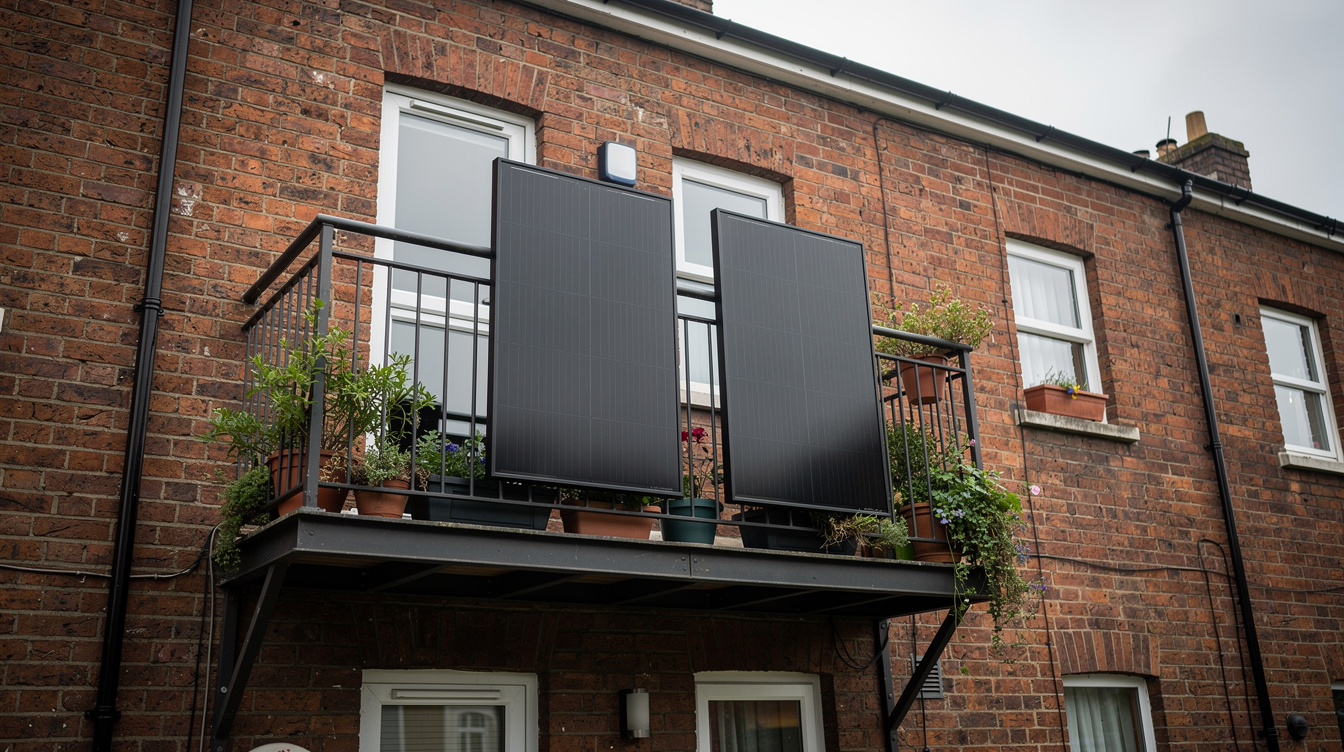
This is the bit Irish coverage tends to skim over. In the UK, the April 2026 regulatory change explicitly removed the requirement to notify the network operator for plug-in solar under 800W. That’s why the British media headlines say “just plug it in.”
In Ireland, none of that has changed. Under ESB Networks rules, any device that exports electricity to the grid — regardless of size, regardless of whether it has a plug — requires:
- An NC6 notification form submitted by a Safe Electric Ireland-registered electrician (RECI/RGI)
- A Certificate of Compliance for the installation
- Confirmation that the inverter has G99 or equivalent grid protection (NC6 Code A.55)
The electrician fee for an NC6 sign-off typically runs €180–€350 depending on travel and how clean your existing consumer unit is. That dramatically changes the €399 sticker price economics:
| Item | UK (post-April 2026) | Ireland (current rules) |
|---|---|---|
| Lidl 600W kit | £400 (€470) | €399 |
| Electrician for NC6 | Not required | €180–€350 |
| Network notification | Not required | Mandatory (electrician submits) |
| Smart meter swap (if not already) | Optional | Required for CEG payments |
| Real total cost | €470 | €579–€749 |
You can ignore the NC6 rule. People do. But the consequences are real: if your home insurance company finds an unregistered grid-tied device after a fire, your claim can be denied. If ESB Networks detects unauthorised export, they can disconnect your supply pending compliance. And without proper registration, you cannot claim the Clean Export Guarantee payments for any surplus you send back to the grid.
Want Real Solar Savings Now?
A €399 Lidl kit might save you €80/year. A full SEAI-grant system saves €1,200+/year and pays back in 6 years.
What a Lidl plug-in kit will actually save you in Ireland
Set aside the legal issue for a moment. Even at face value, the math on a small plug-in kit in Ireland is less rosy than the German marketing suggests. German plug-in solar makes sense because German electricity costs €0.38/kWh, southern German irradiance is around 1,100 kWh/m²/year, and apartment balconies face every direction including south.
Here’s the comparable Irish picture:
| Kit size | Annual generation (Ireland) | If you self-consume 80% | Payback at €0.34/kWh |
|---|---|---|---|
| 300W | 240–270 kWh | €65–€73/yr | 4.5 yrs (kit only) / 7.5 yrs (with NC6) |
| 600W | 480–540 kWh | €131–€147/yr | 3 yrs (kit only) / 4.5 yrs (with NC6) |
| 800W | 640–720 kWh | €174–€196/yr | 2.8 yrs (kit only) / 4 yrs (with NC6) |
Three assumptions worth flagging: Irish annual yield assumes south or southwest facing at 30° tilt — balcony installs are usually vertical and east/west, which knocks 20–30% off. The 80% self-consumption figure assumes you’re home during the day; if you’re an empty-house 9-to-5 commuter, real self-consumption can drop to 35–45%. And the kit-only payback ignores the NC6 cost. Realistic savings for a working professional in a Dublin apartment with an east-facing balcony and a 600W kit: closer to €80–€100/year.

Who should buy a Lidl plug-in kit (when they arrive)
Plug-in solar isn’t bad — it’s just narrowly useful. Here’s our honest take on the four profiles:
| Profile | Should you buy? | Why |
|---|---|---|
| Apartment renter, no solar option otherwise | Yes — if landlord agrees | Only realistic solar play. Take it with you when you move. |
| Homeowner with usable roof | No | A 4–6 kWp roof system with SEAI grant pays back faster and generates 15× more electricity |
| Mobile home / static caravan owner | Yes — off-grid version | Skip the NC6 issue entirely if not grid-tied. Pair with a portable battery. |
| Garden shed / outbuilding | Maybe | If you can keep it off-grid and just power tools/lights, fine. If you want to feed back to the house, NC6 applies. |
Alternatives available in Ireland right now (June 2026)
If you can’t wait for Lidl Ireland to announce, here’s what’s actually on sale today:
| Brand / Retailer | Kit Size | Price | Notes |
|---|---|---|---|
| EcoFlow PowerStream | 2 × 400W | €649 | Sold via Amazon.ie. Pairs with EcoFlow battery. |
| Bluetti AC180 + Solar Kit | 350W panel + 1152Wh battery | €799 | Off-grid only — no NC6 needed. |
| Aldi (Workzone) solar charge kits | 100W | €79 | 12V camping/caravan only. |
| Solar Electric Ireland balcony kit | 600W with NC6 included | €1,150 | Fully compliant. Includes electrician sign-off. |
We cover the full plug-in landscape in our plug-in solar panels Ireland guide and the balcony-specific options in our balcony solar guide.
When will Lidl Ireland actually launch?
Our prediction, based on the historical lag between Lidl GB and Lidl Ireland non-grocery launches and the pace of Irish regulatory updates:
- September–November 2026: Most likely window. Coincides with Lidl Ireland’s autumn “home improvement” non-food season and gives time for ESBN to issue an updated NC6 simplified pathway.
- Early 2027: More likely if Lidl Ireland waits for the Commission for Regulation of Utilities (CRU) to publish revised microgeneration rules (currently in consultation).
- Never (Ireland-specific): Possible but unlikely — Lidl Germany has continued to expand the Parkside Steckersolar line every year since 2023.
The signal to watch: Lidl Ireland’s weekly leaflet (lidl.ie/leaflet) and their X/Twitter announcements. The Buying Team confirmed in April 2026 they had received customer requests but no commitment.
Frequently asked questions
Will Lidl Ireland sell the same Parkside kits as Lidl Germany?
Almost certainly yes, with two changes: BS 1363 (Irish/UK) three-pin plug instead of Schuko, and a G99-compliant micro-inverter to meet ESB Networks rules. Pricing in euros will likely match the German euro RRP within ±10%.
Can I just import one from Lidl Germany online?
Lidl Germany’s online shop does not ship to Ireland. You’d need to use a forwarding service, accept import VAT (23%) and duty, and you’d still need the NC6 sign-off for legal operation. Not recommended.
What about Lidl Northern Ireland?
Lidl NI follows GB rules, so plug-in kits should appear there in 2026. If you live near the border, that’s a route — but the kit will be BS 1363 plug and still needs NC6 sign-off if used in the Republic.
Does the SEAI grant cover plug-in solar kits?
No. SEAI grants only cover installations of 2kWp or larger by SEAI-registered installers. Read our full SEAI grant guide for what does qualify.
What if the inverter is G99 certified — do I still need NC6?
Yes. G99 certification confirms the inverter has correct grid protection. The NC6 form is a separate notification to ESB Networks confirming that a registered electrician has installed and tested the installation. Both are required.
Are Lidl solar panels good quality?
The Parkside-branded German kits use mid-tier Tier 1 panels (typically Trina or LONGi cells) and Hoymiles micro-inverters — both reputable manufacturers. The panels themselves are equivalent to what mid-range installers fit. The 2-year Lidl warranty is shorter than the 10-25 year warranties offered by full installers, but the panel manufacturer’s warranty (10 years) still applies.
The bottom line
Lidl plug-in solar panels are coming to Ireland. The most likely window is autumn 2026 or early 2027, and the expected sticker price will be in the €299–€549 range depending on output. The kit itself will probably be good. But until the Irish regulatory framework catches up with the UK’s April 2026 simplified rules, the real cost includes an NC6 electrician sign-off that adds €180–€350 to the bill — pushing the total closer to €579–€749 for a 600W kit.
For most Irish homeowners, the math still favours a properly grant-supported roof system: a 4kWp install with the €2,100 SEAI grant comes in around €6,500 net, generates around 3,600 kWh/year, and pays back in 5–7 years. That’s 7× the annual generation of a Lidl 600W kit, with a battery option, and the CEG export tariff income on top.
If you’re a renter or apartment dweller, the Lidl kit is genuinely your best option — just budget for the NC6 cost and check your tenancy agreement first. If you own a home with a roof, skip the plug-in and get a real quote.
See What a Real Solar System Would Save You
Free, no-obligation quote from SEAI-registered installers in your county. We’ll show you the SEAI grant, payback period, and finance options on a system that actually qualifies.
Related Articles
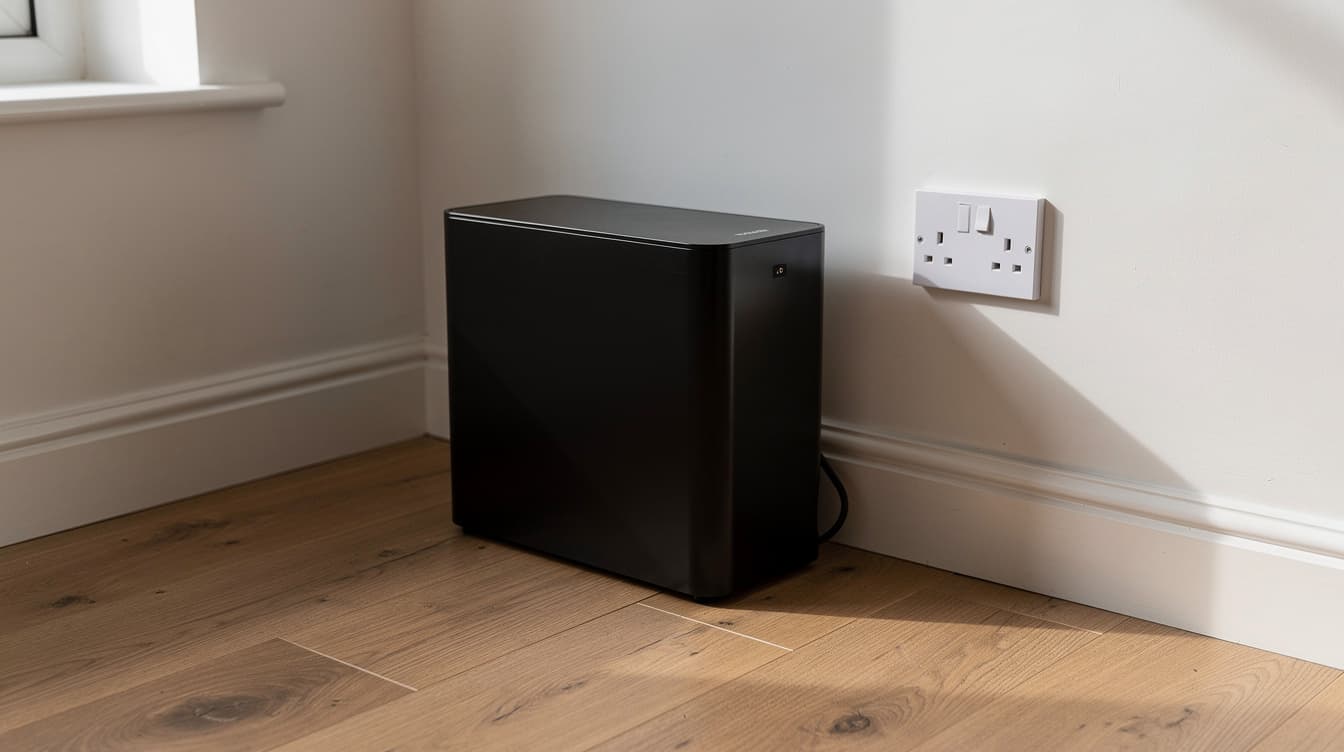
Lidl Solar Batteries Ireland 2026: €299 Tronic Battery, NC6 Hurdles & When It Lands
Lidl launched a €299 2.24 kWh plug-in battery in Germany. Why it can’t land in Ireland yet, when it might, and 3 storage options now.
Can I Install Solar Panels Myself in Ireland 2026? The Honest DIY Guide
Can you legally install solar panels yourself in Ireland? Safe Electric, NC6, SEAI grant, insurance, and the 4 DIY routes that actually work in 2026.
Solar Battery Brands Ireland 2026: Tesla Powerwall 3 vs BYD vs Pylontech vs Sigenergy vs Sunsynk Compared
Compare Tesla Powerwall 3, BYD, Pylontech Force H2, Sigenergy and Sunsynk for Irish homes in 2026: installed prices, warranties, cycle counts, backup and V2G.