
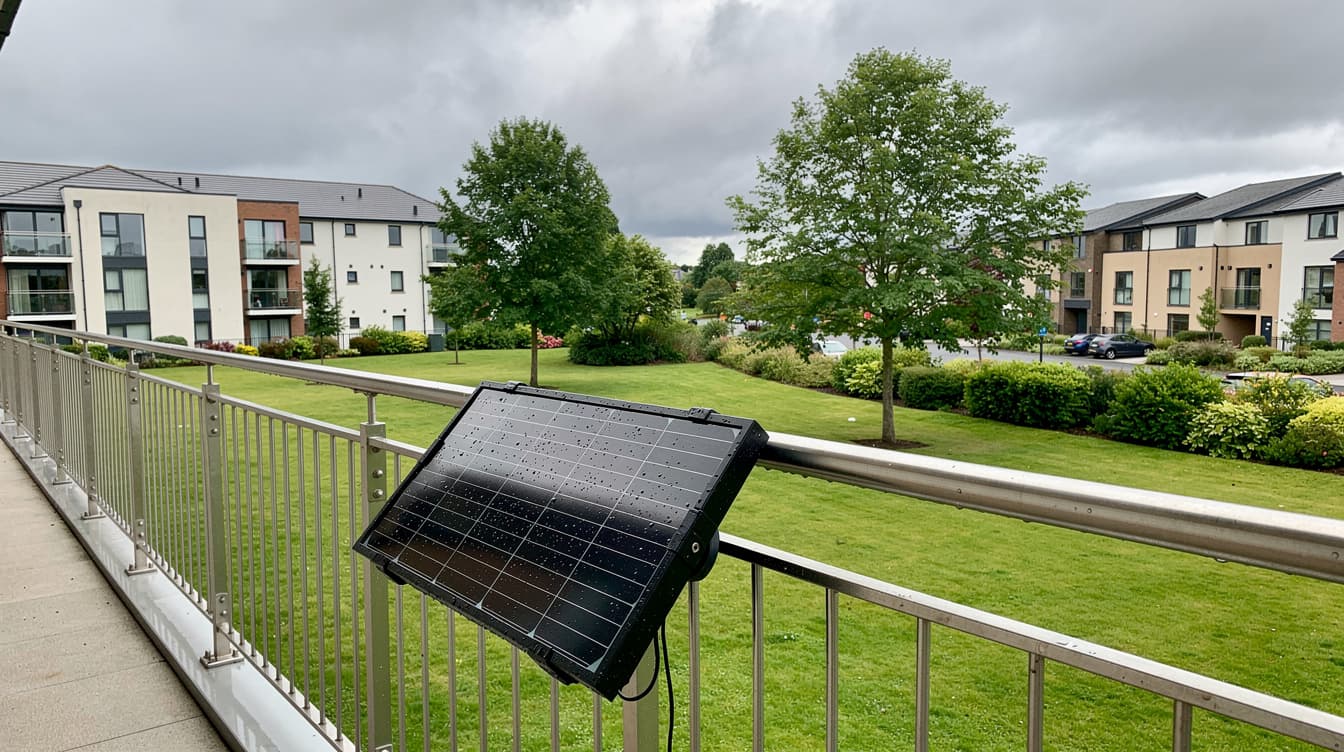
Ireland Set to Legalise Plug-In Solar Panels: What It Means for Renters and Apartment Dwellers (2026)
On 23 April 2026, Energy Minister Darragh O’Brien told the Dáil he is “very open” to legalising plug-in solar panels in Ireland. Two words — “very open” — that could unlock solar energy for over a million Irish households currently locked out: renters, apartment dwellers, social housing tenants, and homeowners with unsuitable roofs.
Right now, if you want solar panels in Ireland, you need a south-facing roof you own, €7,000–€10,000 to spend, a certified electrician, an NC6 form filed with ESB Networks, and weeks of waiting. A plug-in solar panel costs €400–€800, takes 15 minutes to install, and plugs into a standard socket. Germany has over a million of them. The UK legalised them in April 2026. Ireland is next.
Here is everything we know about what is coming, when it might happen, and what it means for you.
Can’t Wait for Plug-In Solar?
If you own your roof, get free quotes for a full rooftop system from SEAI-registered installers today.
What the Minister Actually Said
Independent TD Barry Heneghan raised plug-in solar in the Dáil on 23 April 2026, pointing out that apartment dwellers and renters are entirely excluded from Ireland’s solar revolution. Minister O’Brien’s response was the most positive signal from any Irish government minister to date:
“Plug-in solar is not an extremely new technology but there might have been some concerns with it. However, it is not being dismissed.”
— Minister Darragh O’Brien, Dáil Éireann, 23 April 2026
This matters because until now, the government’s position on plug-in solar has been cautious at best. Department officials have cited safety concerns — despite the fact that Germany has had over a million plug-in installations since 2018 with zero reported grid incidents.
The minister also noted 33,000 solar grants approved last year, but acknowledged that this only serves homeowners with suitable roofs. Plug-in solar would extend access to a far wider population.
Who Benefits? Over 1 Million Irish Households

Ireland’s rooftop solar boom has been transformative — over 170,000 homes now have panels. But it has also been deeply unequal. You need to own a house with a suitable roof to participate. That excludes:
| Group | Estimated Households | Why They’re Locked Out |
|---|---|---|
| Apartment dwellers | 350,000 | No roof access, management company restrictions |
| Renters (houses) | 320,000 | Landlord permission required, no grant eligibility |
| Social housing tenants | 200,000 | Council decision, long retrofit waiting lists |
| Homeowners with unsuitable roofs | 150,000+ | North-facing, shaded, structural issues, listed buildings |
| Total excluded | 1,000,000+ | Cannot access rooftop solar under current rules |
Plug-in solar panels would let every one of these households generate their own electricity. A single 800W panel on a south-facing balcony or in a garden can generate 600–1,000 kWh per year in Ireland — enough to cover a quarter of an average household’s electricity use.
What Is a Plug-In Solar Panel, Exactly?
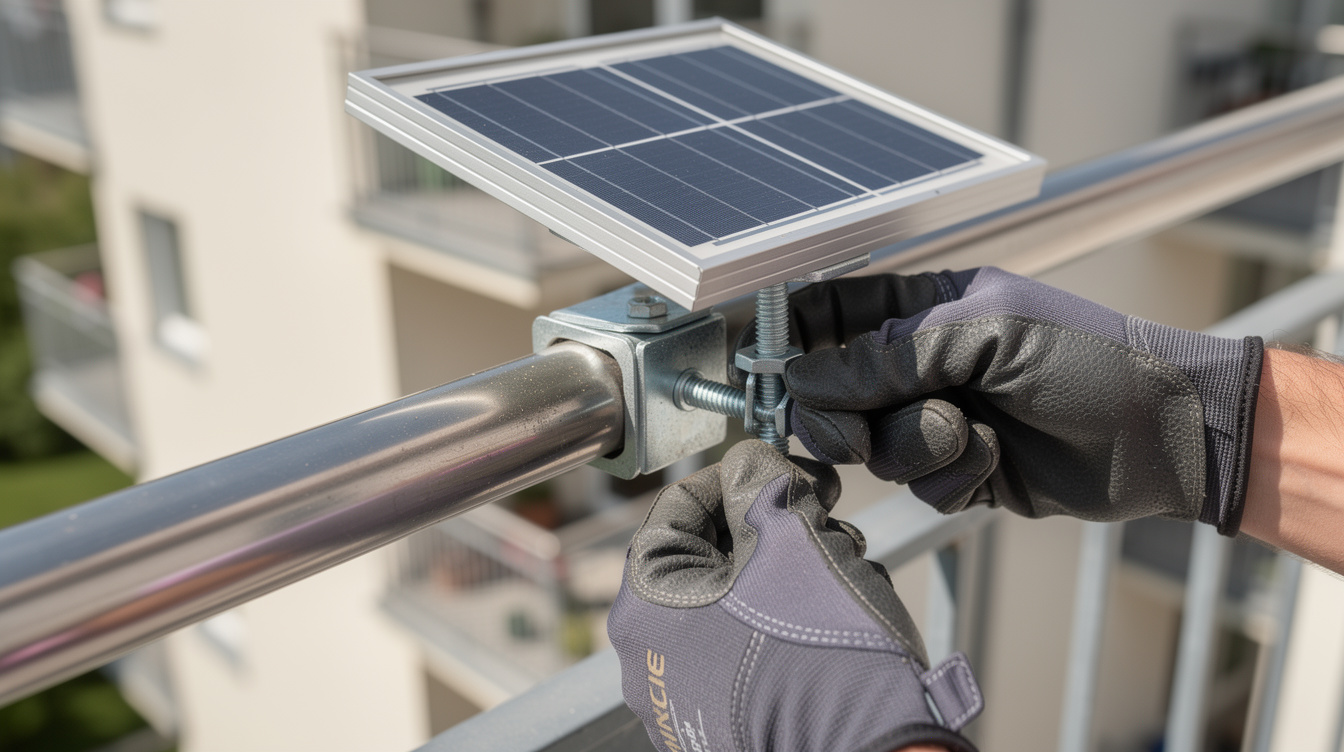
A plug-in solar system (also called a “balcony solar” or “Balkonkraftwerk” in Germany) is a compact, self-contained solar kit. Here is what comes in the box:
- 1–3 solar panels (300–800W total capacity)
- A micro-inverter that converts DC to AC power
- A standard household plug (Schuko or equivalent)
- Mounting brackets for balcony railings, walls, or ground stands
You mount the panel, plug it in, and it starts feeding electricity into your home. When the sun shines, the panel powers whatever is running — your fridge, router, lights. If it generates more than you use, the excess flows to the grid. If you use more than it generates, the grid makes up the difference. No battery needed. No electrician. No paperwork.
What Does It Cost?
| Kit Size | Cost | Annual Output (Ireland) | Annual Savings | Payback |
|---|---|---|---|---|
| 400W single panel | €350–€450 | 300–500 kWh | €120–€200 | 2–3 years |
| 600W dual panel | €450–€600 | 450–750 kWh | €180–€300 | 2–3 years |
| 800W dual panel | €550–€800 | 600–1,000 kWh | €210–€400 | 2–3 years |
Compare that to a full rooftop installation at €7,000–€10,000 (before the €1,800 SEAI grant). Plug-in solar is not a replacement for rooftop — it generates far less power — but for anyone who cannot get rooftop panels, it is a genuine alternative that pays for itself in under three years.
Where Other Countries Stand
Ireland is not pioneering here. It is catching up. Here is how the rest of Europe has moved:
| Country | Status | Installations | Key Detail |
|---|---|---|---|
| Germany | Legal since 2018 | 1,000,000+ | Zero grid incidents. Up to 800W feed-in allowed. |
| Austria | Legal | 200,000+ | Kits sold in supermarkets including Aldi and Lidl |
| Netherlands | Legal | Widespread | Widely available in hardware stores |
| UK | Legal since April 2026 | Growing | Legalised 15 April 2026, up to 800W |
| Ireland | Not yet legal (plug-and-play) | 0 | Minister “very open” — expected Q3–Q4 2026 |
Germany’s track record is the key argument for legalisation. Over a million installations across eight years, and not a single reported grid safety incident. The technology is proven. The wiring limits (800W feed-in) are well within what standard household circuits can handle.
What Needs to Change in Ireland?
Currently, all solar panel installations in Ireland must comply with the Safe Electric code, which requires a registered electrical contractor. Additionally, any grid-connected system must be registered with ESB Networks via the NC6 form. These rules were designed for large rooftop systems and effectively make plug-in solar illegal in practice.
For Ireland to legalise plug-in solar, the government would need to:
- Create a regulatory exemption for systems under 800W that connect via a standard plug
- Update ESB Networks connection rules to allow simplified registration (or none) for micro systems
- Set safety standards for plug-in kits sold in Ireland (likely adopting EU standards already in use)
- Clarify tenant rights — ensuring renters can install without landlord permission (as Germany does)
The EU’s 2024 Electricity Market Design Directive already encourages member states to simplify rules for small-scale solar. Ireland is reviewing this directive now.
Own Your Roof? Go Full Solar Now
Don’t wait for plug-in legislation. Get a full rooftop system with the €1,800 SEAI grant.
When Will It Happen?
No official date has been confirmed. However, several signals suggest Q3–Q4 2026 is realistic:
- The minister’s language was positive — “very open” and “not being dismissed” are strong signals from an Irish government minister
- The UK moved first — Ireland often follows UK regulatory changes within 6–12 months, especially on building and electrical standards
- EU pressure is mounting — the Electricity Market Design Directive pushes member states toward simpler rules for small-scale solar
- Political momentum — the Green Party has called for “immediate approval” of plug-in solar, and cross-party support appears strong
- Public demand is clear — SEAI solar applications are up 96% in Q1 2026, and plug-in solar would extend this demand to renters and apartment dwellers
The most likely scenario: the Department of Environment consults with ESB Networks and the CRU over summer 2026, with a regulatory framework published by late 2026 or early 2027. Retail availability (Lidl, Aldi, Woodies, B&Q) would follow shortly after.
What You Can Do Right Now
If You Own Your Home with a Suitable Roof
Do not wait for plug-in solar. A full rooftop system generates 10–15 times more electricity and qualifies for the €1,800 SEAI grant. With installer waiting lists growing, applying now means installation before winter.
If You Rent or Live in an Apartment
Plug-in solar is coming. In the meantime:
- Talk to your landlord — some are willing to allow portable panels on balconies, especially if you take them when you leave
- Switch to a smart tariff — time-of-use pricing can save you €100–€200 per year even without solar
- Write to your TD — political pressure accelerates regulatory change. The more constituents who ask, the faster it moves
- Read our plug-in solar guide for the current legal options available to you today
If You Are a Landlord
Consider the landlord solar grants available for rental properties. A rooftop system increases your BER rating, boosts property value, and makes your property more attractive to tenants.
Ready to Go Solar?
Get your free personalised quote from SEAI-registered installers.
The Bottom Line
Ireland is on the verge of opening solar energy to everyone — not just homeowners with south-facing roofs and thousands of euros to spare. The minister’s comments on 23 April 2026 are the clearest sign yet that plug-in solar legalisation is coming.
When it does, expect to see €400–€800 solar kits on shelves in Lidl, Aldi, and Woodies. Expect renters and apartment dwellers to start generating their own power for the first time. And expect Ireland to join a European movement that has already proven safe, affordable, and wildly popular.
We will update this article as the situation develops. In the meantime, if you can go solar now — get a free quote and do not wait.
Related Articles
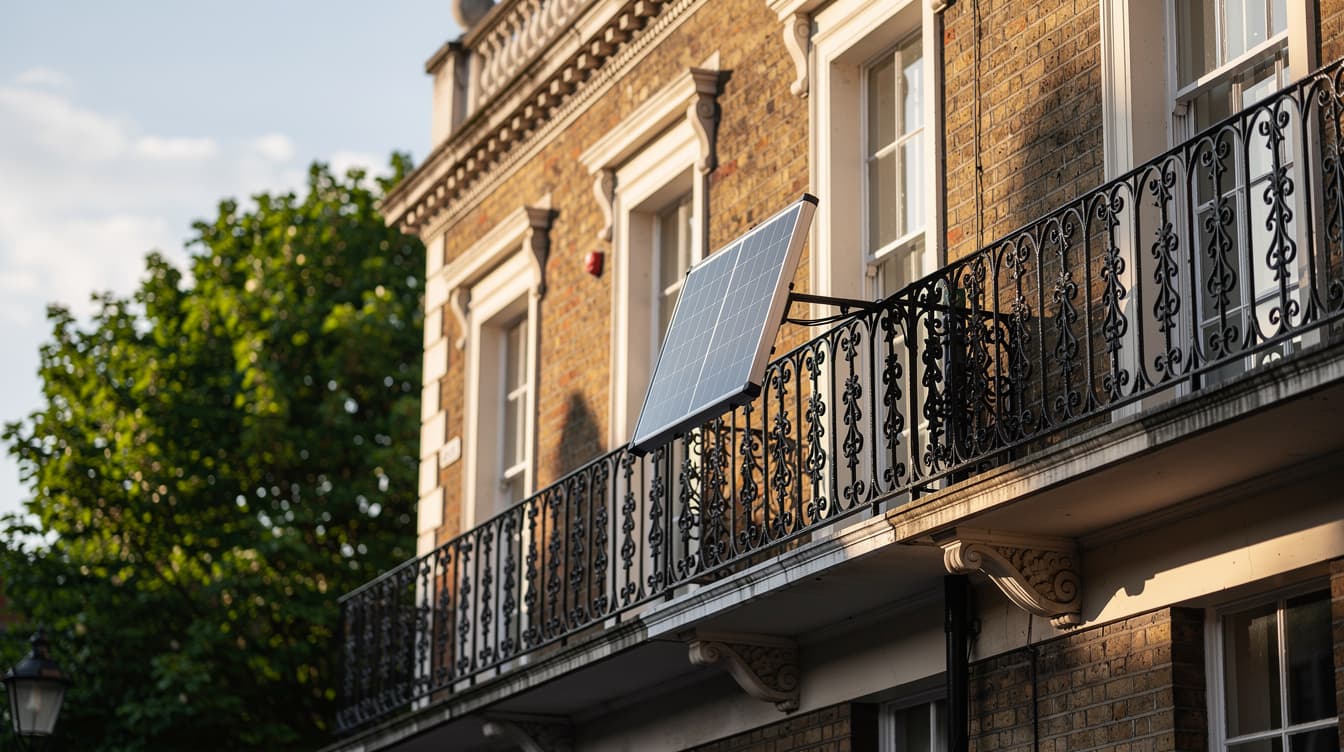
UK Just Legalised Plug-In Solar Panels — Here's Where Ireland Stands (2026)
The UK legalised plug-in solar panels in April 2026. Ireland still requires an electrician and NC6 form. Compare rules and what Irish homeowners can do now.
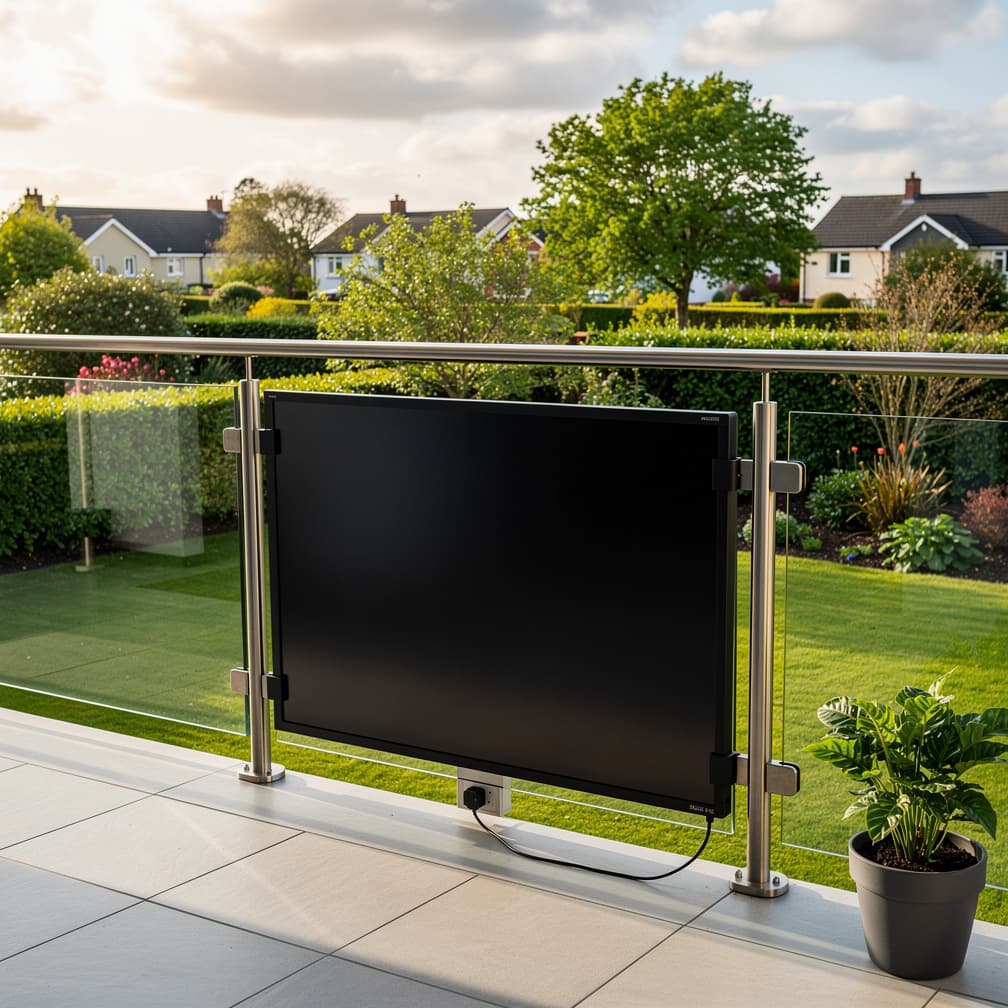
Plug-In Solar Panels Ireland 2026: Complete Guide to Balcony & Portable Solar Systems
Plug-in solar panels in Ireland: compare top kits from €310-€995, learn legal requirements & expected output. Find out if they're worth it!
Solar Panels and Smart Meters Ireland 2026: How to Maximise Export Payments and Savings
How smart meters unlock solar export payments in Ireland. Supplier rates compared, time-of-use tariff strategies, and step-by-step setup for 2026.