
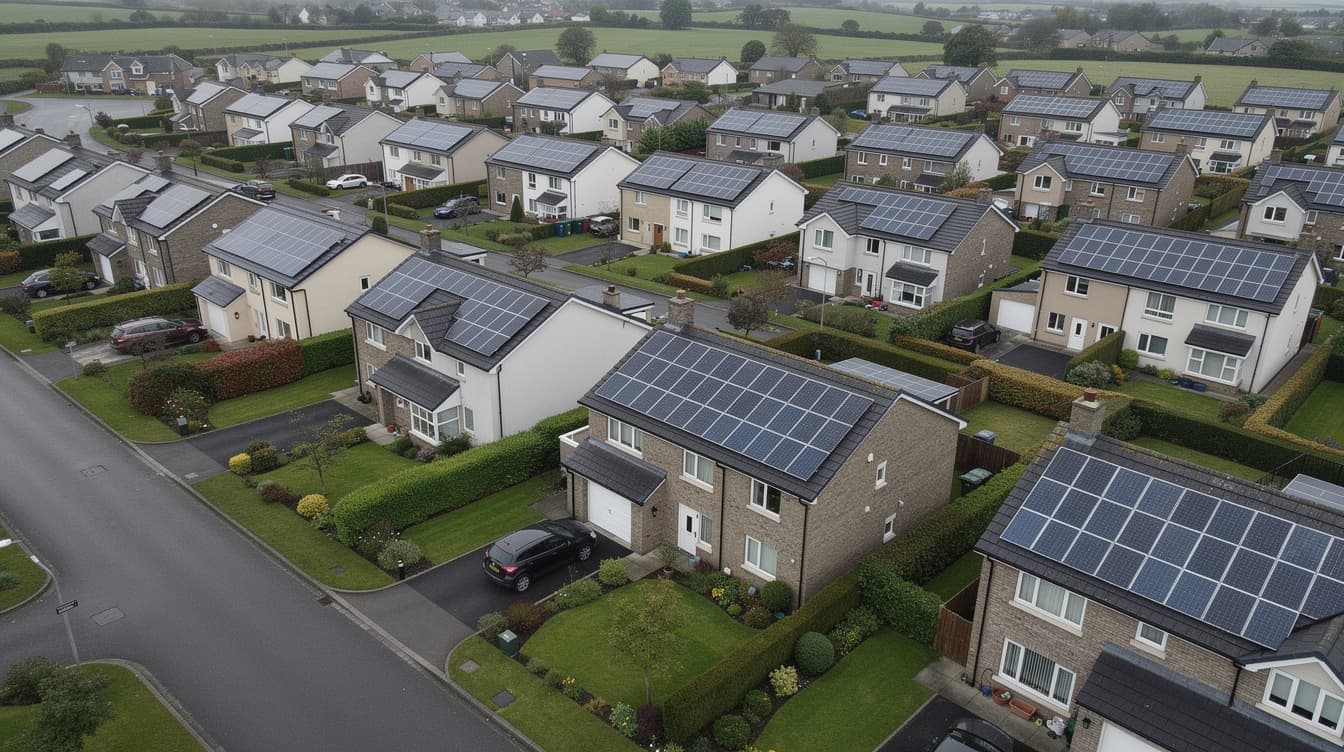
Solar Panel Demand in Ireland Has Surged 96% in 2026 — Here’s Why (And Why You Should Act Now)
SEAI grant applications for home energy upgrades are up 96% in the first quarter of 2026. Solar PV leads the charge with over 10,000 applications in just three months — a 65% jump on the same period last year. The Iran war has sent wholesale electricity prices up 19%, and Irish homeowners are responding by going solar in record numbers. Here’s what’s driving the surge, what it means for you, and how to act before wait times stretch even further.
Something has shifted in Ireland’s energy landscape. What was once a slow-burn transition to solar has become an urgent scramble. Installers are booked weeks ahead, the SEAI is processing applications at twice the rate of last year, and over 170,000 Irish rooftops now have solar panels. If you’ve been thinking about going solar, this article lays out exactly why 2026 is the year — and what happens if you wait.
The Numbers: Ireland’s Solar Boom in 2026
The data tells a dramatic story:
| Metric | 2025 | 2026 (Q1) | Change |
|---|---|---|---|
| SEAI energy upgrade applications (Q1) | ~14,800 | 29,000 | +96% |
| Solar PV grant applications (Q1) | ~6,000 | 10,000+ | +65% |
| Irish rooftops with solar | ~140,000 | 170,000+ | +21% |
| Total installed solar capacity | 2,345 MW | Growing | +1 GW added in 2025 alone |
| Individual upgrade applications (Q1) | Baseline | Up 186% | Nearly tripled |
Minister for Climate Darragh O’Brien confirmed that SEAI processed 29,000 applications in Q1 2026 alone. The government has allocated a record €640 million for home energy upgrades this year, targeting 73,000 upgrades across all categories.
What’s Driving the Surge?
Three forces are converging to create the biggest solar boom Ireland has ever seen:
1. The Iran War and Energy Prices
The escalation of conflict in the Middle East in early 2026 sent shockwaves through global energy markets. Irish wholesale electricity prices jumped 19% almost overnight. Peak electricity could reach €0.45/kWh — roughly 24% above baseline — while gas prices could spike 46% above expected levels.
For Irish households already paying 37–42 cent/kWh for electricity, the prospect of even higher bills has been a powerful motivator. Solar Ireland’s CEO reported that the number of customers buying on the day jumped 38%, with enquiry rates 54% higher year-on-year.
The lesson from 2022’s energy crisis (triggered by Russia’s invasion of Ukraine) was clear: those with solar panels weathered the price spikes far better. People aren’t waiting for a repeat.
2. Storm Éowyn and Energy Security
January 2025’s Storm Éowyn left 715,000 homes without power — some for over 8 days. It was a wake-up call for energy resilience. Homeowners with solar batteries and backup systems kept their lights on. Everyone else sat in the dark and started Googling “solar panels Ireland.”
The storm shifted the conversation from “Will solar save me money?” to “Can solar keep my home running when the grid fails?” That emotional urgency is driving faster purchasing decisions.
3. The Grant and Zero-VAT Window
Ireland’s solar incentive package in 2026 is the best it’s ever been:
- €1,800 SEAI grant for solar PV installation (confirmed in Budget 2026)
- 0% VAT on residential solar panel supply and installation (saving €700–€1,400 vs the old 13.5% rate)
- Clean Export Guarantee — sell surplus electricity back to the grid at 18–24 cent/kWh
- No planning permission required for most residential installations
There’s no guarantee these incentives will last forever. The 0% VAT rate was initially introduced as a temporary measure. Smart homeowners are locking in while the full package is available.
Don’t Wait for Prices to Rise Further
Lock in your free quote now while installers still have spring/summer availability.
What This Means for Homeowners Considering Solar
The demand surge has practical consequences you need to be aware of:
Installer Wait Times Are Growing
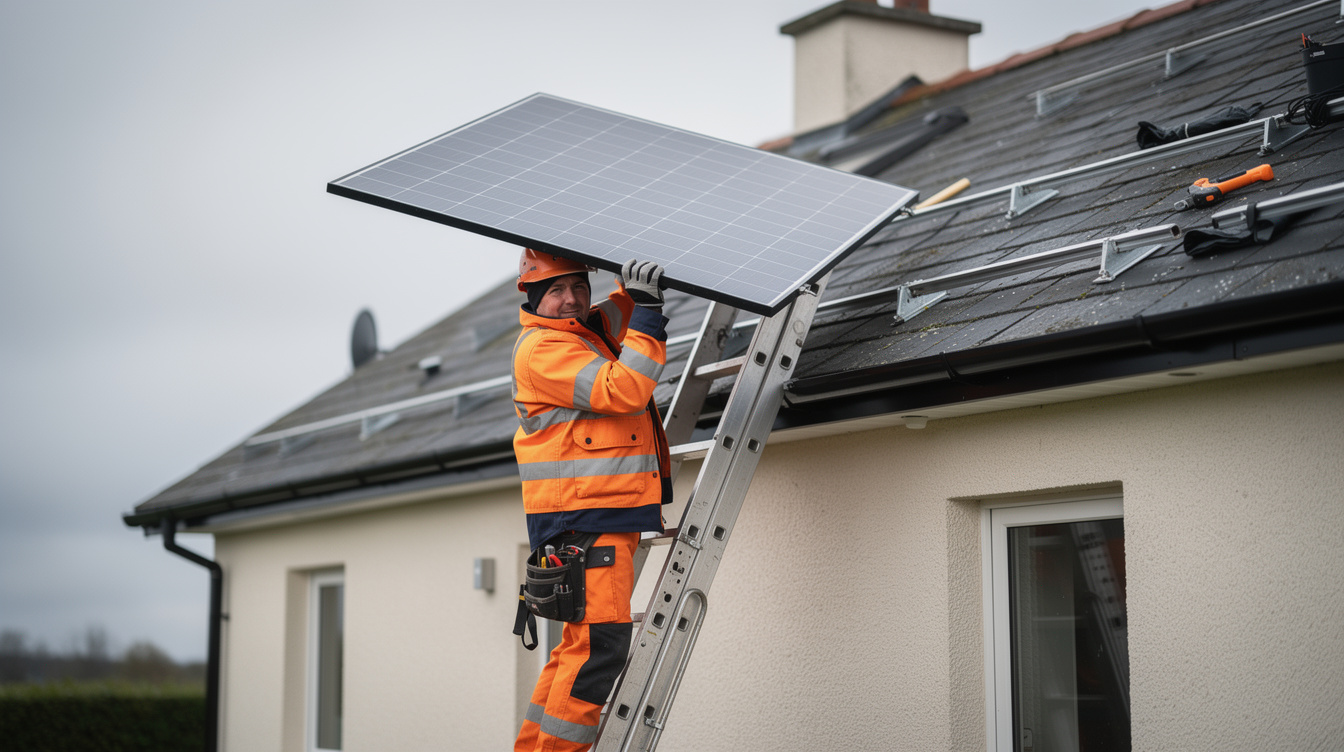
With applications up 96%, SEAI-registered installers are booking further ahead than usual. Where you might have waited 2–4 weeks for an installation in 2025, some installers are now quoting 4–8 weeks, particularly for battery systems. Getting quotes now means you’ll be installed before the summer solar peak.
Panel Prices Are Stable (For Now)
Despite the demand surge, solar panel prices have remained relatively stable in 2026. A typical 5 kW system costs €6,000–€9,000 before the SEAI grant, and €4,200–€7,200 after. But supply chain pressures from the geopolitical situation could push prices up later in the year. Locking in a quote now protects you from potential price increases.
The SEAI Grant Is Not Infinite
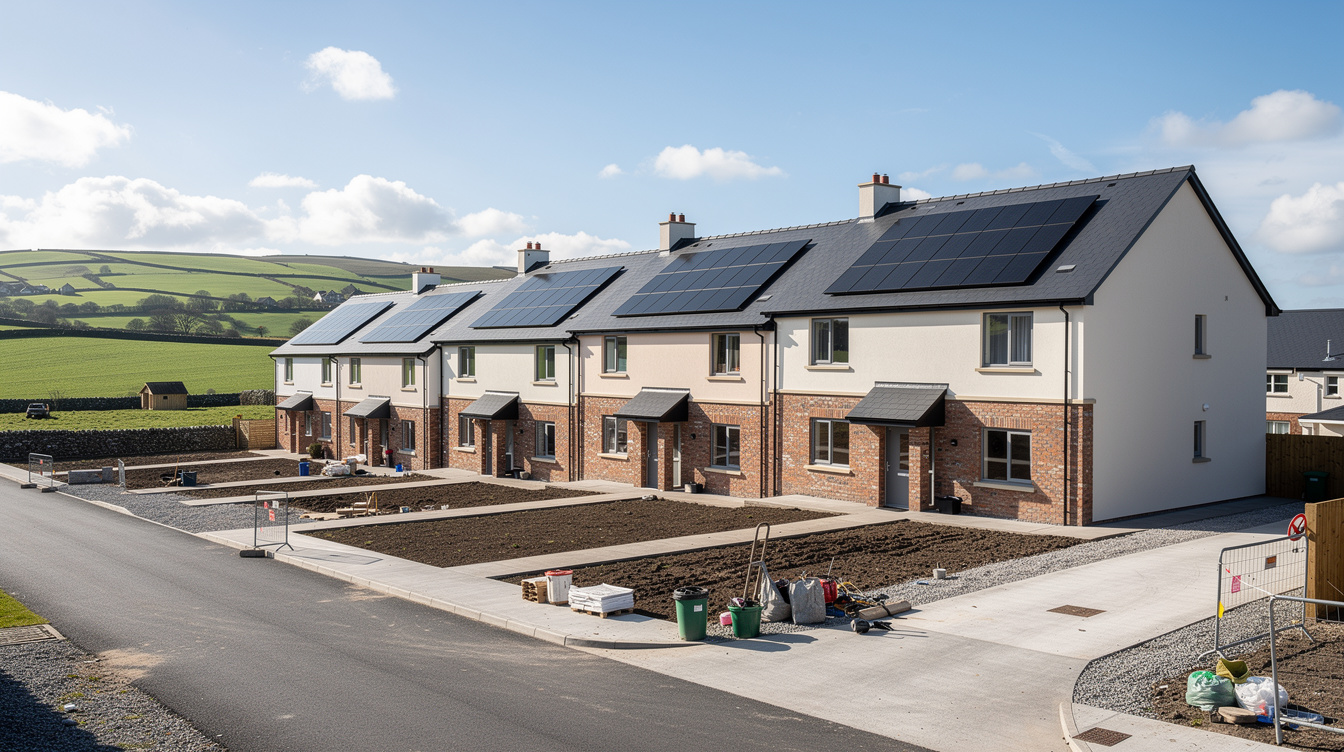
The €640 million budget allocation is generous but finite. With applications nearly doubling, the pot will drain faster. While there’s no indication the grant will be cut mid-year, the sheer volume of applications could slow processing times. Applying early ensures smoother approval.
How Much Can You Save With Solar in 2026?
With electricity prices elevated, solar savings are even more compelling than they were six months ago:
| System Size | Installed Cost (after grant) | Annual Savings | Payback Period |
|---|---|---|---|
| 3 kW (8 panels) | €2,700–€4,200 | €400–€600 | 5–8 years |
| 5 kW (12 panels) | €4,200–€7,200 | €700–€1,000 | 5–8 years |
| 5 kW + battery | €8,500–€13,000 | €1,000–€1,500 | 7–10 years |
| 10 kW (commercial) | €10,000–€16,000 | €1,500–€2,500 | 5–7 years |
If electricity prices spike further due to the Iran conflict, these payback periods shorten even more. Every 5 cent/kWh increase in electricity price adds roughly €150–€250 to your annual solar savings.
How to Get Ahead of the Queue
With demand at record levels, here’s how to move efficiently:
- Get 3 quotes now — Use our free quote tool to receive offers from SEAI-registered installers in your area. Comparing quotes typically saves 15–25% off the first price you’re quoted.
- Know your system size — Check our solar calculator to estimate the right system for your home. Most Irish homes benefit from a 4–6 kW system.
- Consider a battery from day one — Adding a battery at installation is cheaper than retrofitting. With energy prices volatile, storing your own solar electricity is increasingly valuable.
- Don’t wait for “better panels” — Today’s panels are highly efficient (20–22%). Waiting a year for marginal improvements means missing a year of savings. The best panels available now are excellent.
- Apply for the SEAI grant early — The grant is applied for by your installer after the work is done, but confirming your installer and scheduling installation sooner means grant processing is smoother. See our SEAI grant guide for the full process.
Ready to Go Solar?
Get your free personalised quote from SEAI-registered installers.
Ireland’s Solar Milestone: 170,000 Rooftops and Counting
To put the current surge in perspective, here’s how Ireland’s rooftop solar sector has grown:
| Year | Cumulative Rooftop Installations | Key Driver |
|---|---|---|
| 2021 | ~30,000 | Early adopters, BER improvements |
| 2022 | ~55,000 | Ukraine energy crisis, SEAI grant launch |
| 2023 | ~85,000 | Zero VAT, CEG introduced |
| 2024 | ~115,000 | Mainstream adoption, falling panel costs |
| 2025 | ~150,000 | Record 1 GW added, Storm Éowyn |
| 2026 (Apr) | 170,000+ | Iran crisis, 96% application surge |
Ireland’s total installed solar capacity has more than tripled since 2023, reaching 2,345 MW by December 2025. On March 21st 2026, grid-scale solar hit a new peak of 983.46 MW — contributing meaningfully to Ireland’s electricity supply.
The Commercial Sector Is Moving Too
It’s not just homeowners. Energy supplier Pinergy recently announced a target of 40 MWp of commercial solar projects over the next three years. Businesses are seeing even faster payback periods than residential installations because they use electricity during peak solar generation hours (9am–5pm) and face higher commercial rates.
If you run a business, the commercial solar guide covers the specific grants, tax relief (Accelerated Capital Allowances), and ROI calculations for business premises.
Will the Surge Last?
The short answer: yes, probably. The factors driving demand — energy price volatility, climate policy, falling technology costs, and energy security concerns — are structural, not temporary. Even if the Iran situation de-escalates, Irish electricity prices are unlikely to return to pre-crisis levels anytime soon.
What could slow things down:
- Installer capacity constraints (the industry is hiring, but training takes time)
- Supply chain disruptions affecting panel or battery availability
- Changes to SEAI grant levels (no indication of cuts, but always a risk)
The consensus from industry experts is that 2026 will be Ireland’s biggest year for rooftop solar by a significant margin. The only question is whether you’re part of it.
Join 170,000+ Irish Homes With Solar
Get a free, no-obligation quote from trusted SEAI-registered installers in your area.
The Bottom Line
Ireland is experiencing its biggest solar boom ever. SEAI applications are up 96%, electricity prices are rising, and the incentive package of grants, zero VAT, and export payments makes the economics better than they’ve ever been. The risk of waiting isn’t just higher electricity bills — it’s longer wait times and potentially reduced incentives down the road.
If you’ve been on the fence, the data is clear: the best time to install solar panels in Ireland was last year. The second best time is now.
For a detailed breakdown of system costs, see our Solar Panel Costs Ireland 2026 guide. To understand exactly how much solar saves per month, check our real-numbers analysis.
Related Articles
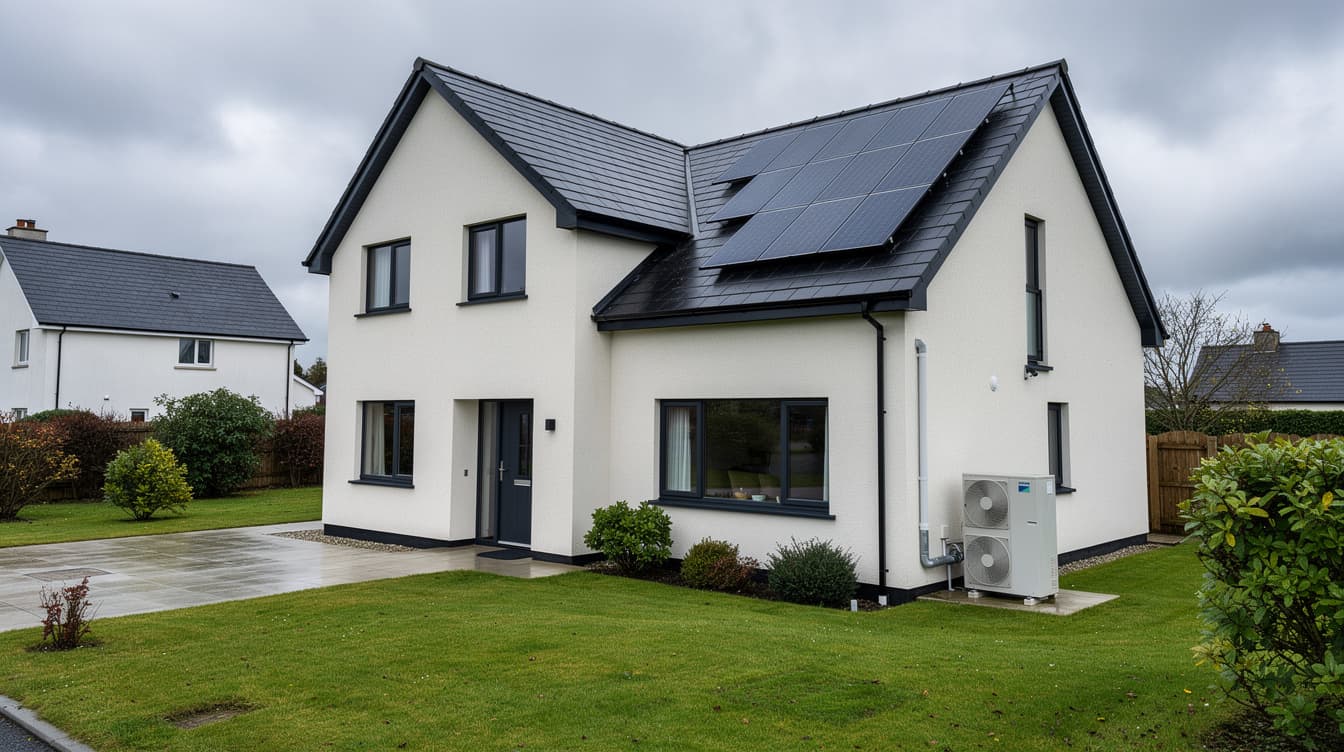
Solar Panels and Heat Pumps in Ireland 2026: The Smart Combo That Slashes Your Bills
Solar panels and heat pumps in Ireland 2026: real costs, SEAI grants up to €14,300, annual savings and the right installation order for Irish homes.
Free Solar Panels for Pensioners in Ireland 2026: Grants, Schemes & How to Apply
Free solar panels for pensioners in Ireland 2026. SEAI grants, Warmer Homes Scheme, community schemes and step-by-step application guides.

How Many Solar Panels Are Needed to Power a House in Ireland? (2026 Guide)
How many solar panels for an Irish house? Typically 10-16 panels (4.4-7 kWp). System sizing by house type, usage and roof space in 2026.