
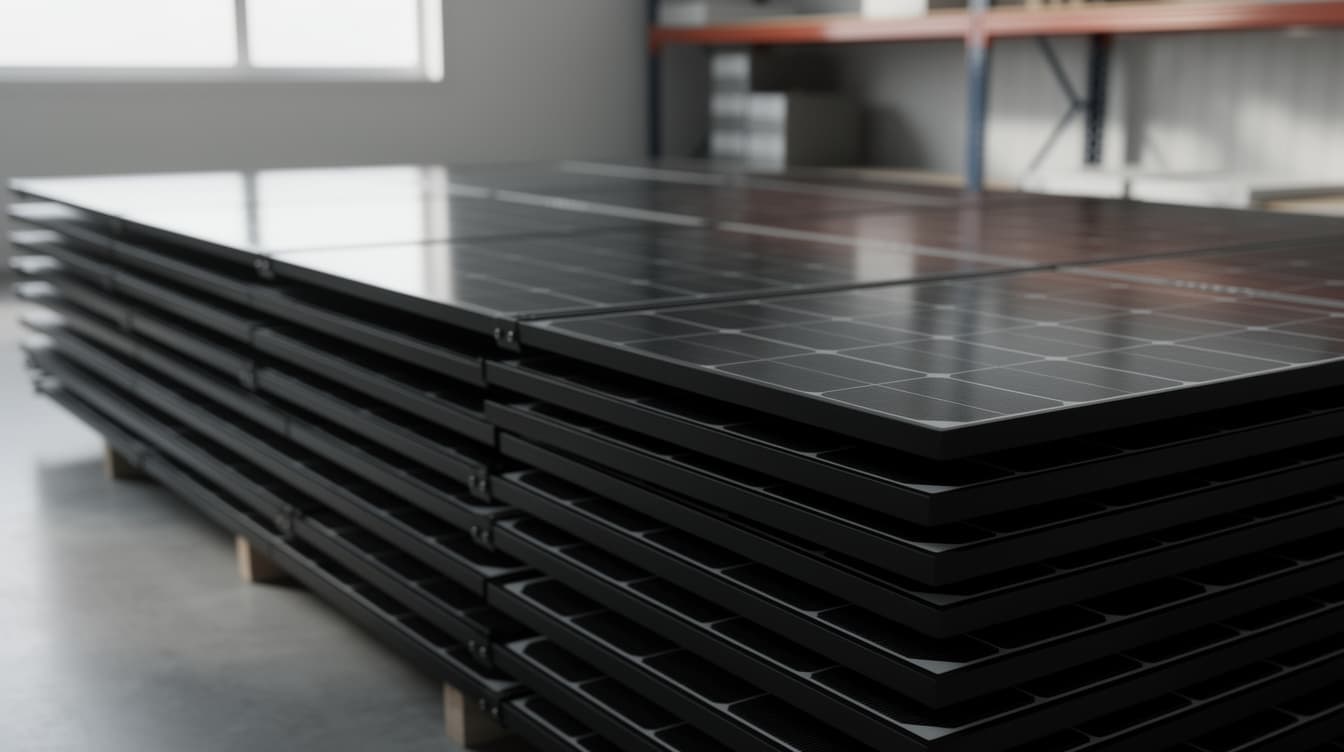
Best Solar PV Panels Ireland 2026: TOPCon vs HJT vs IBC Buyer's Guide
Ask "what's the best PV panel for Ireland in 2026?" and you'll get a different answer depending on who you ask. An installer pushing volume will tell you any Tier 1 panel from a Bloomberg-rated brand is fine. A premium installer will tell you the difference between TOPCon and HJT matters. A YouTube reviewer will tell you to chase efficiency numbers.
The honest answer is: "best" depends on what you're optimising for — price-per-watt, long-term degradation, low-light performance, warranty length, or aesthetics. Irish conditions (diffuse light, mild temperatures, frequent cloud cover) reward some panel types more than others, and the gap between a budget Tier 1 panel and a premium N-type module is wider than most quote sheets suggest.
This guide breaks down the actual PV panel technologies you'll be offered in Ireland in 2026, which ones suit Irish conditions, the brands that matter, and how to read a spec sheet without getting fleeced.
The Short Version: What to Buy in 2026
If you don't want to read the full guide, here's the cheat sheet:
| Budget | Best Panel Type | Example Brands | Why |
|---|---|---|---|
| Value (€6,500–8,500 for 4kWp) | N-type TOPCon mono | Jinko Tiger Neo, JA Solar DeepBlue 4.0, Longi Hi-MO 6 | Best efficiency-per-euro in 2026. Tier 1, 25 yr product warranty becoming standard. |
| Mid (€8,500–11,000) | Premium N-type TOPCon or entry HJT | REC Alpha Pure-R, Trina Vertex S+, Canadian Solar TOPHiKu | Better low-light performance, 30 yr warranties, lower long-term degradation. |
| Premium (€11,000+) | HJT or IBC | Meyer Burger White, Aiko Neostar, Maxeon 7 | Best efficiency, slowest degradation, full-black aesthetics, 30–40 yr warranties. |
For most Irish homes on a 4–6 kWp budget, an N-type TOPCon panel from a Tier 1 manufacturer hits the price/performance sweet spot. Paying double for HJT or IBC makes sense only if roof space is tight or you want top-tier longevity.
What "Best" Actually Means: The Five Things That Matter
- Efficiency — how much sunlight the panel converts to electricity. Higher efficiency = more watts from the same roof area. Matters most on small or constrained roofs.
- Temperature coefficient — how much output drops as the panel heats up. Less critical in Ireland than Spain, but still relevant on hot summer afternoons.
- Low-light performance — how the panel behaves under diffuse, cloudy conditions. This is the single most important spec for Ireland and is the one most quote sheets ignore.
- Degradation rate — how much output you lose per year. Premium N-type panels degrade 0.25–0.4%/yr; older PERC panels degrade 0.5–0.6%/yr. Over 25 years that compounds to roughly 5–7% extra lifetime output.
- Warranty — both the product warranty (defects) and performance warranty (output over time). 25 years is the new floor; 30–40 years signals confidence.
Note what's not on that list: brand name recognition, panel aesthetics (full black vs silver frame), or the "Made in Germany" sticker. None of these meaningfully affect your bill.
PV Panel Technology in 2026: The Real Choice
The Irish PV market is in the middle of a technology shift. The old workhorse — PERC (p-type monocrystalline) — is being phased out. Most Tier 1 manufacturers stopped expanding PERC capacity in 2024 and are converting lines to N-type TOPCon. By 2026, asking for a PERC panel is asking for last-generation tech at the same price as current-generation.
Here are the four technologies you'll actually be offered:
1. N-type TOPCon (Tunnel Oxide Passivated Contact)
The dominant technology in 2026. Roughly 22.0–23.5% module efficiency in commercial residential panels (440–470 W for a standard ~2 m² module). Better low-light performance than PERC, lower temperature coefficient, and lower first-year degradation (~1% vs 2% for PERC).
Who makes it well: Jinko Tiger Neo, JA Solar DeepBlue 4.0, Longi Hi-MO 6/X6/X10, Trina Vertex S+, Canadian Solar TOPHiKu, JinkoSolar Neo Star.
Why it matters for Ireland: Better bifaciality factor (even mounted flat on a roof) and improved performance at low irradiance — both of which suit our overcast climate. The price premium over PERC has effectively collapsed: a Tier 1 TOPCon panel is now roughly the same €/W as PERC was 18 months ago.
2. HJT (Heterojunction)
Premium technology pioneered by Sanyo/Panasonic and now made by Meyer Burger, REC, Risen, and others. Combines crystalline silicon with thin amorphous-silicon layers for very low temperature coefficient (around −0.24%/°C vs −0.30% for TOPCon) and excellent low-light response.
Module efficiencies of 22.5–23.5%, but the real advantage is degradation: many HJT modules guarantee 90%+ output at year 30, vs 85–87% for TOPCon. Bifacial gain is also higher.
Who makes it well: Meyer Burger (Swiss; the White and Black series), REC Alpha Pure-R (Norwegian heritage, now Reliance-owned), Risen Energy Hyper-ion, Huasun Himalaya.
The catch: HJT typically costs 15–30% more per watt than equivalent TOPCon. For a 6 kWp system that's roughly €800–1,500 extra. You'll earn it back over 25 years, but the IRR on the upgrade is modest unless roof space is the limiting factor.
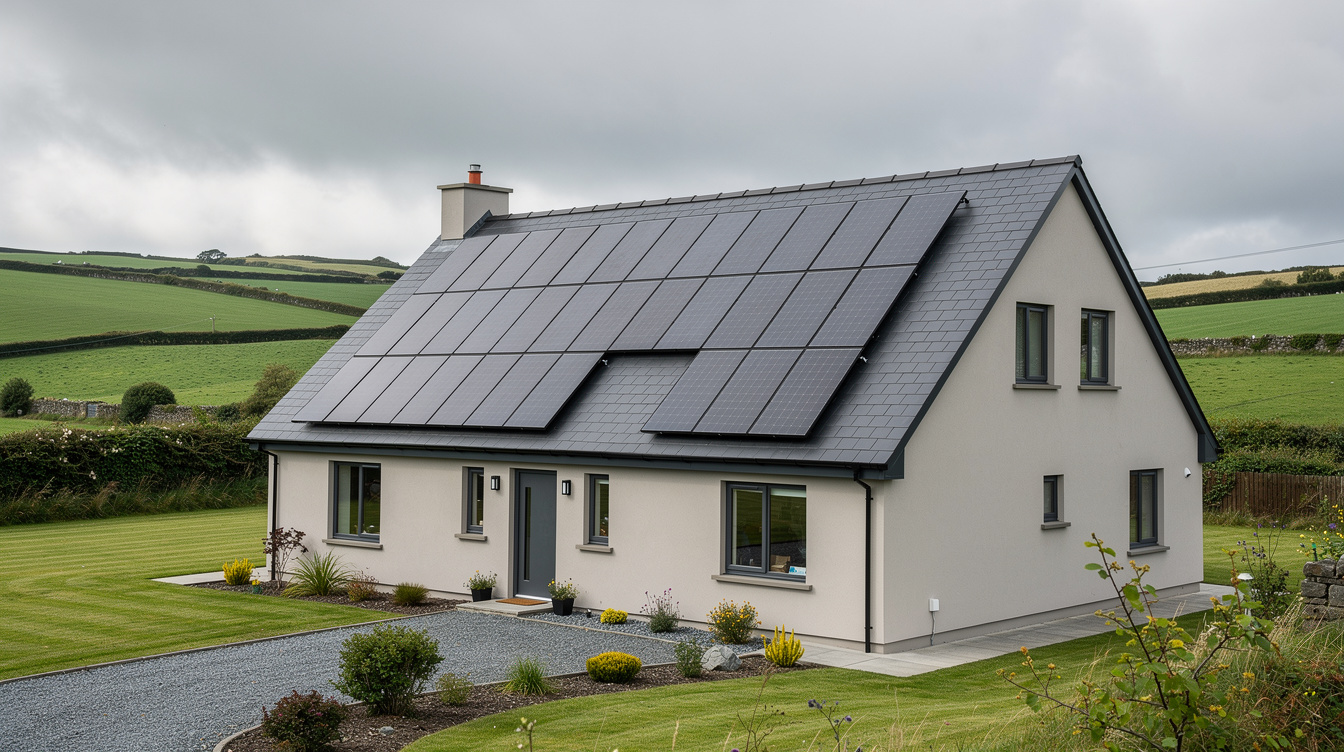
3. IBC (Interdigitated Back Contact)
The most efficient mass-market PV technology. All electrical contacts are on the back of the cell, so the front is a clean, uniformly black surface that absorbs more light. Modules hit 22.8–24.0% efficiency — the highest in residential.
Who makes it well: SunPower Maxeon (now spun off from SunPower; Maxeon 6 and Maxeon 7), Aiko Neostar (Chinese, rapidly growing), LG NeON R (discontinued but stock still circulates).
The catch: Most expensive option. The aesthetic is unmistakable (jet-black, no visible busbars), which appeals to anyone who hates the "industrial" look of standard panels. For tight roofs where every extra watt matters, IBC genuinely earns the premium.
4. PERC (Passivated Emitter Rear Contact) — Avoid in 2026
The previous-generation technology. Module efficiencies of 20.5–21.5%, degradation around 0.5–0.55%/yr, no meaningful bifacial gain. Still being sold off as cheap stock by some installers.
If you see a quote spec-ing PERC at a price comparable to TOPCon, push back. The wholesale price of PERC is now lower than TOPCon. You should either get a discount or upgrade. The only situation where PERC still makes sense is genuinely tight budgets where the per-panel saving is being passed on to you, and even then the longevity gap matters.
Ready to Go Solar?
Get your free personalised quote from SEAI-registered installers.
The 2026 Tier 1 Shortlist for Ireland
Bloomberg's Tier 1 list is a manufacturer-financial-health rating, not a quality score — but it filters out fly-by-night brands that might disappear before honouring a 25-year warranty. Here are the manufacturers actually distributed in Ireland in 2026, ranked by what they're best at:
| Brand | Tech | Typical Module | Product Warranty | Best For |
|---|---|---|---|---|
| Jinko Solar | N-type TOPCon | Tiger Neo 440–460 W | 25 yr | Best volume / value pick |
| JA Solar | N-type TOPCon | DeepBlue 4.0 440–455 W | 25 yr | Strong value alternative to Jinko |
| Longi | N-type TOPCon / HPBC | Hi-MO 6 / X6 Scientist 440–460 W | 25 yr | Tight roofs (HPBC efficiency) |
| Trina Solar | N-type TOPCon | Vertex S+ 440–450 W | 25 yr | Mid-premium, strong distribution |
| Canadian Solar | N-type TOPCon | TOPHiKu 440–460 W | 25 yr | Canadian-Chinese, strong reliability data |
| REC Solar | HJT | Alpha Pure-R 410–430 W | 25 yr (30 yr with REC Cert) | Premium pick with Irish brand recognition |
| Meyer Burger | HJT | White 395–410 W | 25 yr | Made in Europe, ESG-conscious buyers |
| Maxeon (SunPower) | IBC | Maxeon 7 440–460 W | 40 yr | Maximum efficiency, longest warranty |
| Aiko | ABC (IBC variant) | Neostar 445–470 W | 25–30 yr | High efficiency at lower price than Maxeon |
Note: most Irish installers carry 2–4 of these brands, not all of them. Don't switch installer over panel preference unless you have a specific reason — installer quality matters more than panel choice within the Tier 1 set.
Reading a PV Spec Sheet Without Getting Fleeced
When you get a quote, you should see a panel datasheet attached or referenced. Here's what to actually look at:
| Spec | 2026 Tier 1 Benchmark | What it Means |
|---|---|---|
| Module efficiency | 22.0%+ | Higher = more watts per m². Matters for tight roofs. |
| Temperature coefficient (Pmax) | −0.30%/°C or better | Less negative = less output loss on hot days. |
| First-year degradation | ≤1.0% | PERC was 2%; N-type is half that. |
| Annual degradation (year 2+) | ≤0.4%/yr | Compounds heavily over 25 years. |
| 25-yr performance guarantee | 87.4%+ of nameplate | Premium panels hit 88.85%+ at year 25. |
| Product (defect) warranty | 25 yr (Tier 1), 30–40 yr (premium) | Watch the fine print on labour cover. |
| Bifaciality factor | 70–85% (if bifacial) | Mostly irrelevant on a flush roof install; matters on ground-mount. |
Common Mistakes Irish Buyers Make
1. Choosing on watts-per-panel instead of total system kWp. A 460 W panel isn't better than a 440 W panel if your installer just fits fewer of them. What matters is total system kWp and how it fits your roof.
2. Believing "European-made" means better. Meyer Burger panels are excellent, but the gap between a Swiss-made HJT module and a Chinese Tier 1 TOPCon module is smaller than the price gap. Where the silicon was assembled barely affects the electrical performance.
3. Ignoring the installer to chase a panel brand. A bad install with premium panels will underperform a great install with mid-range panels. Bad mounting, wrong DC string design, inverter mismatching — these losses dwarf the panel-to-panel performance gap. Pick the installer first, then negotiate on panels.
4. Paying full price for last-gen tech. If you're offered Longi Hi-MO 5 (PERC) or Jinko Tiger Pro (PERC) in 2026 at full price, you're paying current prices for previous-gen modules. Either get a discount or ask for the current-generation TOPCon equivalent.
5. Letting the installer pick without your knowing. Some quote forms say "Tier 1 monocrystalline panels" without naming the brand. That's a red flag — insist on a specific make and model on the contract.
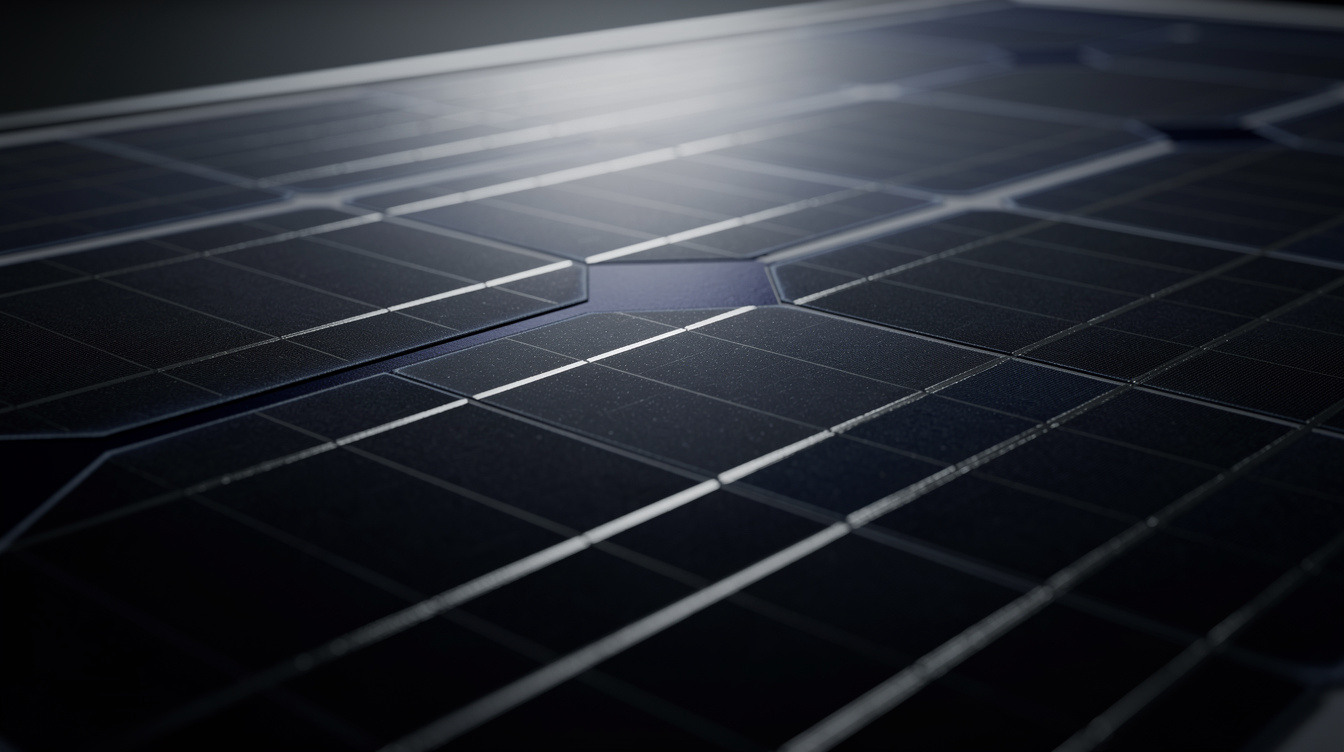
Specifically for Ireland: What Else Affects "Best"
Irish conditions reward specific panel characteristics:
- Low-light performance > peak efficiency. Our average annual irradiance is roughly 1,000–1,100 kWh/m²/yr — about 60% of Spain's. A panel that produces well in cloudy/diffuse conditions matters more than peak STC efficiency.
- Wind/snow loading. Coastal sites (Galway, Mayo, Donegal, Wexford) see strong gusts. All Tier 1 panels are certified to 2,400 Pa pressure / 5,400 Pa snow load minimum — fine for Ireland — but salt-mist certification matters if you're within 1 km of the coast.
- Mild temperature range. Irish summer roof temperatures rarely exceed 50 °C, so temperature coefficient matters less here than in Spain or southern France. Don't pay a premium just for a low temp-co spec.
- Hail. Negligible risk vs Central Europe. Most Tier 1 panels are certified to 25 mm hail @ 23 m/s, far in excess of any historical Irish hail event.
Best PV System (Not Just Panel) Setup for an Irish Home
If you're asking about the "best solar PV system" rather than just panels, the answer involves more than module choice. A great 2026 setup for a typical 3–4 bed Irish home:
- Panels: 12× Tier 1 N-type TOPCon @ 440 W = 5.28 kWp
- Inverter: Hybrid inverter (battery-ready) from SolarEdge, Fronius, Sungrow, or Huawei — 5 kW continuous, oversized DC input.
- Battery: 5–10 kWh of LFP chemistry storage from a Tier 1 cell manufacturer (BYD, CATL, EVE).
- Mounting: All-aluminium, anodised, MCS or equivalent certified hooks. Avoid steel for Irish coastal sites.
- Monitoring: Per-panel optimisers or microinverters if your roof has any shading; string inverter if shade-free.
That spec, professionally installed, lands between €11,000 and €14,000 before the SEAI grant, depending on battery size and panel brand. The SEAI grant brings it down to roughly €9,200–12,200 net. See our 2026 cost guide for full breakdowns.
FAQ
Are the most expensive PV panels actually better?
For a fixed roof area, premium HJT or IBC modules will produce 5–10% more energy over 25 years than entry-level Tier 1 TOPCon. That extra production rarely justifies the 20–40% panel price premium on its own. They make sense when (a) your roof is small and every watt matters, (b) you value the aesthetics, or (c) you're optimising for the longest possible asset life.
What's the most efficient solar panel in 2026?
Maxeon 7 IBC panels hit roughly 23.5–24.0% module efficiency — the highest in residential. Aiko's ABC and Meyer Burger's HJT modules are close behind at 22.5–23.5%.
Should I avoid Chinese panels?
No. The major Chinese Tier 1 brands (Jinko, JA Solar, Longi, Trina, Canadian Solar, Aiko) are the global market leaders and supply the same panels installed across Europe and the US. They have local European distribution, warranty backing, and decades of field data. "Made in Europe" is a values choice, not a quality requirement.
How long do PV panels actually last?
Most modern panels are warrantied to retain 85–90% of nameplate output at year 25. Real-world data from German installs from 2000 shows the typical residential panel still produces 80–85% of original after 25 years, with most lasting well into year 30 before retirement.
Do I need bifacial panels in Ireland?
Probably not. On a standard flush roof install, the rear of the panel sees almost no light, so bifacial gain is a few percent at best. On a ground-mount system with reflective surfaces underneath, bifacial gain can be 8–12% and is worth the small premium.
Does panel brand affect resale value of the house?
Marginal. Buyers care about BER improvement and visible system cleanliness more than the panel brand. A documented system with monitoring history and an installer-transferable warranty is worth more than a premium panel brand with no paperwork.
Ready to Go Solar?
Get your free personalised quote from SEAI-registered installers.
The Bottom Line
For most Irish homes in 2026, the "best PV panel" is a Tier 1 N-type TOPCon module (Jinko Tiger Neo, JA Solar DeepBlue 4.0, Longi Hi-MO 6, Trina Vertex S+, or Canadian Solar TOPHiKu) paired with a quality hybrid inverter and a competent installer. That gives you 22%+ efficiency, <0.4%/yr degradation, 25-year warranty, and excellent low-light performance — for a price-per-watt that's now genuinely affordable.
Step up to REC Alpha Pure-R or Meyer Burger HJT if you want premium longevity, European manufacturing, or 30-year coverage. Step up to Maxeon 7 IBC only if your roof is genuinely tight and you need maximum watts per square metre.
And remember: the panel is rarely the limiting factor in how well your system performs. Get the installer right first.
If you're ready to get specific quotes for your roof — with named panel brands and models on the contract — request a free comparison from SEAI-registered installers.
Related Articles
Solar Panel Types for Irish Homes: Which One Should You Choose? (2026 Guide)
Compare solar panel types for Irish homes in 2026. Monocrystalline dominates at 20%+ efficiency, but what about thin-film, bifacial, and solar tiles? Costs, pros, cons.
Best Solar Panels Ireland 2026: 8 Brands Ranked & Compared
Best PV panels Ireland 2026: Jinko, AIKO, LONGi, Trina, JA Solar, Canadian, SunPower & Hyundai ranked by efficiency, warranty, weather performance and installed price.
Solar Battery Brands Ireland 2026: Tesla Powerwall 3 vs BYD vs Pylontech vs Sigenergy vs Sunsynk Compared
Compare Tesla Powerwall 3, BYD, Pylontech Force H2, Sigenergy and Sunsynk for Irish homes in 2026: installed prices, warranties, cycle counts, backup and V2G.