
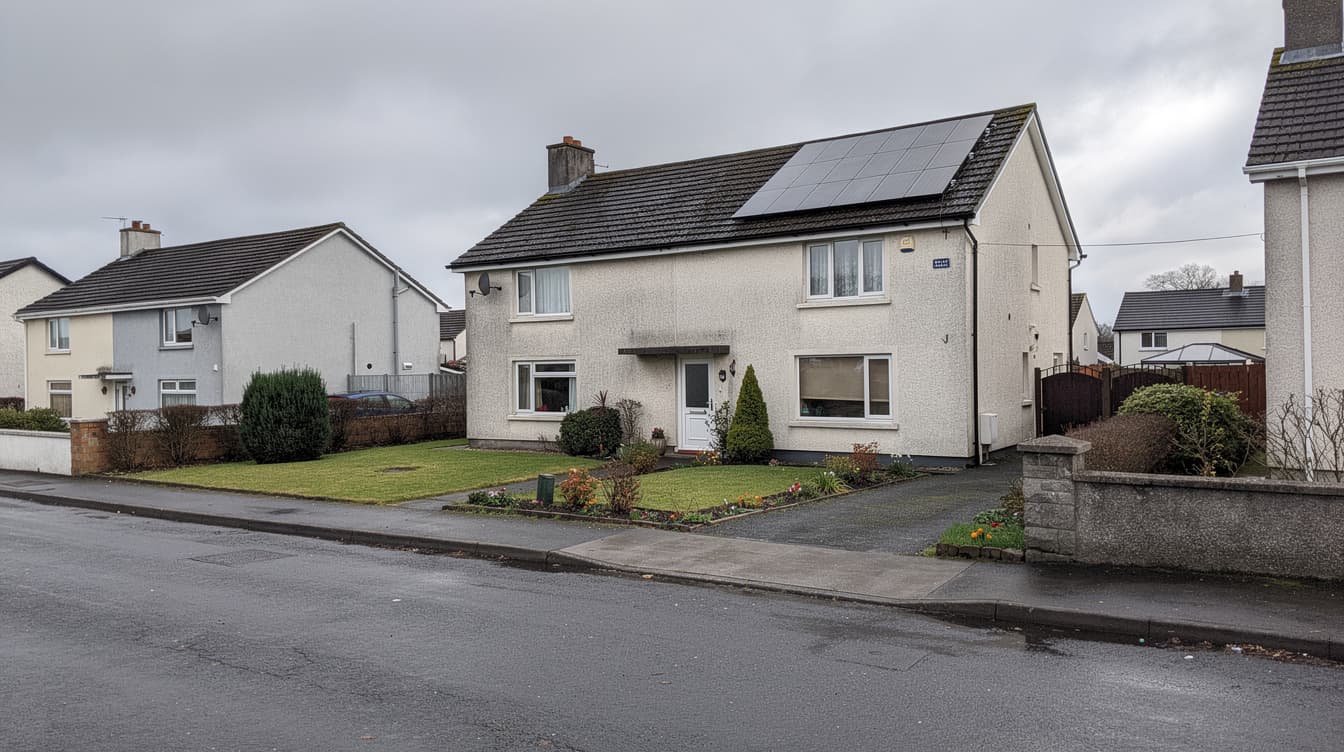
Cheapest Solar Panels Ireland 2026: Where to Save Without Ruining Your Payback
Search “cheapest solar panels Ireland” and you’ll get a spectrum: Lidl plug-in kits for €169, budget Chinese Tier 1 panels for €110 apiece, mid-market panels bundled at grant-included €5,900 for 3kWp, and full turnkey installs pushing well over €10,000. Cheap can mean anything from a proper system to a system that’ll cost you more in the long run.
This guide is about the smart-cheap end — where you save real money without wrecking payback, warranty, or grant eligibility. And it’s explicit about the routes that look cheap but end up costing more. Everything is 2026 Irish pricing gathered from active installers and retailers.
Want the Cheapest Legitimate Quote?
Get free competing quotes from SEAI-registered installers — competition is the fastest price reduction.
What is “cheap” in Irish solar right now?
Here’s the honest 2026 pricing landscape for a typical Irish 3-bed home. All figures are installed prices post-SEAI grant (€1,800) where eligible:
| Route | Typical 3kWp price (post-grant) | Typical 4kWp price | Watch out for |
|---|---|---|---|
| Budget SEAI-registered install | €4,000–€4,800 | €5,000–€5,800 | Wait time, poor after-sales |
| Mid-market SEAI install | €5,200–€6,400 | €6,200–€7,600 | The sensible default |
| Premium SEAI install | €7,000+ | €8,500+ | Diminishing returns |
| DIY panels + electrician for grid tie | €3,500–€4,200 (no grant) | €4,300–€5,200 | No SEAI, no NC7, no CEG |
| Plug-in Lidl / balcony kits | €169–€700 for 800W max | Not applicable | Not a substitute for roof solar |
The gap between “budget” and “premium” on the same system size is roughly €3,000. That’s not because premium is 50% better hardware — it’s brand, warranty coverage, aftercare, monitoring, and margins. Understanding what you’re paying for makes the price gap navigable.
Route 1: Budget SEAI-registered installer
This is where the real savings live. Same €1,800 grant, same NC7 grid-connection form, same 5-year workmanship warranty by law — but the installer chooses cheaper Tier 1 panels, a cheaper string inverter, keeps overheads low, and works on volume.
What you get
- Tier 1 panels: Trina Vertex S, Longi Hi-MO 6, JA Solar — all real Tier 1 with 25–30 year performance warranties. Cheaper than REC, LG, or SunPower but not lower quality by any measurable metric.
- String inverter, no optimisers: Solis, Growatt, or Sungrow. Perfectly fine for unshaded roofs. You lose fine-grained per-panel monitoring but you save €400–€800.
- Standard install: one visit, one day, standard scaffolding, no extras.
- SEAI grant paid: yes. All SEAI-registered installers must offer the same grant path.
- NC7 grid application: yes. Required for CEG payments.
What you don’t get
- Phone-app monitoring at the panel level (only inverter level).
- Same-week response for aftercare issues. Budget installers can take 4–6 weeks to send someone.
- Hand-holding through the CEG registration, snag list, or MPRN paperwork.
- Any bundled battery discount — budget quotes rarely include batteries.
How to find them
Get 3–4 competing quotes and specifically ask each installer for their “value” or “standard” option, not the premium package. Ask what panel and inverter brand they’re using. Then ask if there’s any way to hit a lower number if you accept a longer wait time (installers with a 3–4 month backlog will often shave €300–€500 to fill a summer slot). See our installer directory for options in your county.
Route 2: DIY panels + electrician (no SEAI grant)
Buying panels on your own, hiring an electrician to connect them, and skipping SEAI entirely. Legal in Ireland if the electrician is Safe Electric registered and files NC7 with ESB Networks.
The maths
- Panel cost: 8 × 435W bifacial panels at €110 each = €880. Sourced from Irish wholesalers (Solar Electric, PV Store, Solmate) or via UK/EU importers.
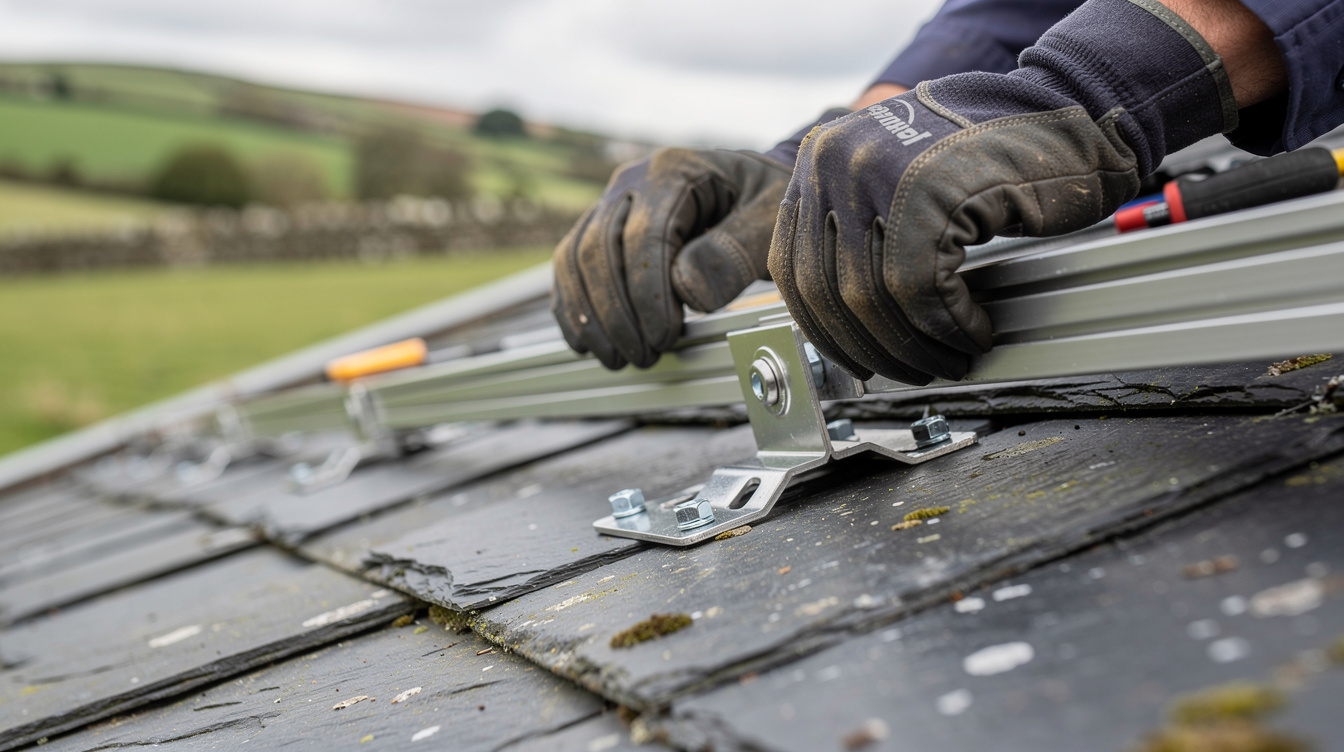
- Mounting rails and brackets: €350–€500 for a full 3.5kWp system.
- Hybrid inverter: €900–€1,600 for a 5kW Solis or Growatt.
- DC/AC isolators, cabling, junction box: €250.
- Electrician + NC7 filing: €900–€1,400.
- Scaffolding (rented): €350–€600.
Total: €3,600–€4,900 for a functional 3.5kWp grid-tied system.
What you give up
- The €1,800 SEAI grant: only paid on SEAI-registered installer jobs. Self-installs are not eligible even if you use a Safe Electric electrician.
- CEG payments: ambiguous. Suppliers require the NC7 approval, which the electrician can file. But some suppliers push back on DIY jobs. Verify with your supplier before you install.
- Workmanship warranty on the whole system: you get an electrician warranty on their work, panel manufacturer warranty on the panels, and inverter warranty on the inverter. No single point of accountability.
- Insurance coverage: your home insurer must be notified. Some will only cover self-installed solar with photos, invoices, and Safe Electric certs.
Net cost after losing the €1,800 grant: €3,600–€4,900 vs €4,000–€4,800 for a budget SEAI install. Almost always cheaper to go SEAI-registered. DIY makes sense only if you enjoy the project, need a custom setup a mainstream installer won’t touch (unusual roof, off-grid site, farm shed) or are outside the grant window.
Route 3: Lidl / Aldi plug-in solar kits
The Lidl plug-in solar panel kits (Parkside brand, 800W max) sell out fast at €169–€299. Aldi runs a similar Ambiano kit occasionally. They’re legitimate microinverter-based plug-in panels — balcony or garden mount, then plug into a normal Irish socket.
The reality
- 800W is the legal Irish limit for plug-in solar. You cannot legally add more without an NC7 grid-connection form.
- Annual output: roughly 700–850 kWh from a 2-panel Lidl kit, if unshaded and south-facing. That’s a €280–€340 saving per year at 40c/kWh grid rates.
- Payback: 3–5 years. Very good for the money.
- No grant, no CEG. But no MPRN filing, no NC7, no ESB Networks paperwork either. Fastest path to any solar at all.
This is not a substitute for a roof-mounted 3–4kWp system. It’s a starter that suits renters, apartments, and homes where you can’t justify a full install. See our Lidl plug-in guide for details.

Where the price actually comes from
To negotiate cheap smart, you need to know where the cost sits in a typical €7,000 pre-grant 4kWp job:
| Component | Wholesale cost | Where the savings can come from |
|---|---|---|
| Panels (10 × 435W) | €1,100–€1,400 | Trina/Longi/JA instead of REC/SunPower |
| Inverter (5kW hybrid) | €900–€1,700 | Solis/Growatt instead of Fronius/SolarEdge |
| Optimisers (per panel) | €350–€500 total | Skip if no shading. Saves €500+. |
| Mounting + BOS | €400–€600 | Standard is fine — no cheap swaps |
| Labour + scaffolding | €1,200–€1,800 | Off-peak install slot, single-storey roof |
| Installer overhead + margin | €1,500–€2,500 | Smaller installer, multiple quotes |
The biggest levers: panel and inverter brand (up to €800 saved), no optimisers on an unshaded roof (€500 saved), and installer selection (€1,000+ saved). Those three alone can push a €7,000 pre-grant job down to €4,900 pre-grant — a €3,100 post-grant install.
Cheap that isn’t actually cheap
Some “cheap” routes cost more once you look properly:
Second-hand or ex-farm panels
You’ll see used panels advertised on DoneDeal at €40–€70 each. Skip. They’re usually 10–15 years old, 250W (needing 60% more panel area for the same kWp), and any hairline crack invalidates them for grid tie. The mounting rails alone eat any savings, and no installer will grid-connect used panels — you’ll be doing the electrician route, self-insurance and all.
The “free solar” PPA offers
Some sales calls in Ireland promise “free solar” via a 20-year Power Purchase Agreement — the company owns the panels, you pay a fixed rate per kWh generated. Numbers usually work out to more than you’d pay for a self-owned system over 20 years, and they can complicate house sales. If you see one, get it costed against ownership by a mortgage-friendly accountant.
“All-in-one” hybrid battery inverter kits from Alibaba
Turn up on eBay/Amazon at €1,200–€1,800 for a 5kW inverter + 5kWh battery. They’re not CE-marked to Irish requirements, ESB Networks won’t approve them for grid tie, and no installer will touch them. Only makes sense off-grid.
“VAT-free” deals
Domestic solar has been VAT-free in Ireland since 1 May 2023 (extended through 2030 in the 2026 Budget). Any installer offering “VAT-free discount” is either duplicating what’s already legally applied or confusing you. See our 0% VAT guide for the mechanics.
Negotiating tactics that actually work
- Get at least three real quotes. Not a comparison site — three actual site surveys with itemised quotes. Installers know when they’re being compared.
- Ask for the panel and inverter part number in writing. Cheap quotes sometimes list “Tier 1 mono panel” without a brand. Get the model.
- Offer to book off-season. Irish solar is heavily peaked in April–August. October–February installs can shave 5–10% off the quote.
- Push on cash discount. Some installers give 2–3% for bank transfer paid on completion vs credit-card or finance.
- Bundle the battery decision. Buying panels now and battery later is €800–€1,200 more than bundling. If a battery is on the roadmap, do it once.
- Ask what happens if you drop the SolarEdge optimisers. Standard-string is cheaper by €400–€600 on a 10-panel roof and identical in output for an unshaded south face.
Get 3 Real Quotes This Week
The fastest way to a cheap-and-legitimate install is competition. Free quotes from SEAI-registered installers.
What “good cheap” looks like in numbers
For a Dublin 3-bed semi (average site, no shading, south-southwest roof, single storey scaffolding), a smart-cheap 2026 install lands here:
| Item | Spec | Cost |
|---|---|---|
| Panels | 10 × Trina Vertex S+ 435W (Tier 1) | Included |
| Inverter | Solis 5kW hybrid | Included |
| Optimisers | None (unshaded south roof) | — |
| Grid tie + monitoring | NC7 filed, inverter WiFi | Included |
| Pre-grant total | 4.35kWp system, installed | €6,800–€7,400 |
| SEAI grant | 4kWp+ → €1,800 | −€1,800 |
| Net to homeowner | Post-grant | €5,000–€5,600 |
At current Irish electricity prices (~40c/kWh import, 20–22c/kWh CEG export), payback lands 6–8 years and the panels are warrantied to 25–30 years. That’s the “cheap” you want.
FAQ — cheap solar in Ireland
What’s the absolute cheapest legitimate solar setup?
Lidl / Aldi 800W plug-in kit at €169–€299. No grant needed, no paperwork. Not a substitute for a full install but real electricity for real money.
Can I get a bigger 4kWp install for under €5,000 net?
Possible but hard. You need a small local installer without much overhead, off-season slot, no optimisers, and cheaper Tier 1 brands. Realistic best case is €4,700–€5,000 net for 4kWp+.
Is a cheaper installer riskier?
Aftercare is where you feel it. Panels rarely fail, but if your inverter throws a fault code in year two, a premium installer will send someone in 1–2 weeks; a budget one could take 6+ weeks. All SEAI-registered installers must offer 5-year workmanship warranties by law.
Should I finance to make it cheaper?
Green-mortgage top-ups at 3–3.5% APR (BOI, AIB, PTSB) or credit-union solar loans at 5–6% are the two cheap-finance options. See our solar financing guide. Installer-arranged 0% finance is usually a marketing framing on a higher list price — check the cash-vs-finance quote gap.
Do I need to add a battery?
No. Batteries add €3,500–€6,000 and only stack up if you have high evening consumption. Panels-only is the cheapest legitimate install. See our battery guide.
Does the SEAI grant change if I go cheap?
No. €1,800 is fixed for 2kWp+ systems (as long as the install is SEAI-registered and the property is pre-1 January 2021 build). Same paid to a €4,000 install as an €8,000 install.
What’s the cheapest per-panel brand a real installer will fit?
Trina Vertex S, Longi Hi-MO 6, JA Solar Deep Blue, Astronergy. All Tier 1, all under €120/panel wholesale, all with 25–30 year performance warranties. If your quote says a brand you’ve never heard of, verify it’s on the SEAI-approved panel list.
What about €500 “solar loan” credit-union rates?
Some credit unions (An Post, member CUs) offer 4.5–5.5% solar-specific loans. Cheaper than most bank options but not automatic — you apply. Worth checking against green-mortgage top-ups.
Final take
Cheap solar in Ireland means: use the SEAI grant, get three quotes, pick a mid-sized local installer, accept a Tier 1 non-premium panel brand, skip optimisers if unshaded, book off-season. That path lands 4kWp for €5,000–€5,600 post-grant. Anything cheaper compromises grant eligibility, warranty, or CEG income — and usually costs more in the long run.
The Lidl plug-in route is legitimate parallel to that, not a replacement. Use it for renters and apartments where a full install isn’t possible.
Ready to Get a Cheap-Smart Quote?
Free quotes from SEAI-registered installers who can price a value option.
Data sources: SEAI Solar PV Domestic scheme 2026, ESB Networks NC7 process, installer quotes gathered April–June 2026, Lidl/Aldi Ireland catalogue pricing. Last reviewed July 2026.
Related Articles
Solar Panels Longford 2026: Costs, Grants, Installers & Real Yields
Longford solar 2026: 4kWp costs €6,800–€8,200 pre-grant, 6–8 year payback, best installers, CEG rates and TAMS farm guide.
Solar Panels for Rental Properties Ireland 2026: The Landlord's Guide to Costs, Grants & BER Uplift
2026 landlord's guide to solar PV on Irish rentals: SEAI grant, Case V tax deductions, BER minimum standards, tenant notice, portfolio pricing and payback.
Green Mortgages Ireland 2026: How Solar Panels Unlock Cheaper Rates from AIB, BOI, PTSB, Haven & Avant
How Irish green mortgages work in 2026, what BER you need, and where a solar install pays back inside the mortgage itself. AIB, BOI, PTSB, Haven, Avant.