
Solar Panels & Three-Phase Electricity Ireland 2026: NC6 Rules, Inverters & Payback
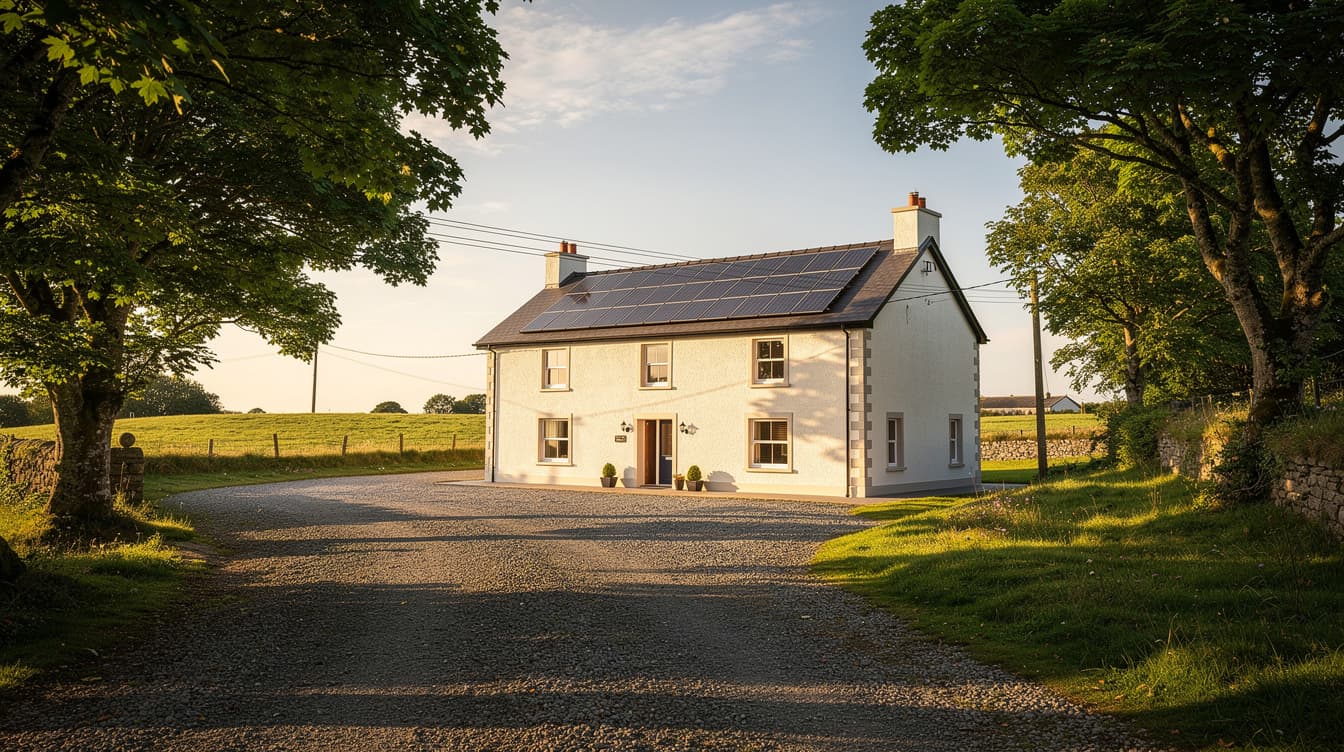
If you live in a detached rural Irish home, a farmhouse, or a property with a workshop or annex on the same MPRN, there is a fair chance your supply is three–phase rather than the standard single–phase 230V most semis and terraces run on. And if it is, that single fact reshapes almost every solar decision you will make in 2026: what size array makes sense, what your ESB Networks (ESBN) export ceiling is, which inverters you can specify, what your heat pump and EV charger can pull simultaneously, and how much grid–tie-related ‘voltage rise’ you will (or will not) put up with.
The trouble is that most Irish solar articles assume everyone has the same single–phase supply — so three–phase homeowners get generic advice that under–specifies their system. This guide fixes that. It covers how to tell what supply you have, the 2026 NC6 microgeneration rules for three–phase domestic, real installed prices for three–phase hybrid inverters, when a single–phase upgrade to three–phase is worth it (and when it absolutely is not), and worked payback scenarios for the most common three–phase Irish setups.
July 2026 update — three-phase homeowners
ESB Networks confirmed in June 2026 that the domestic NC6 microgeneration export ceiling remains 6 kVA per phase for three-phase properties (so 18 kVA total exportable), no reduction from prior guidance. Some installers have been quoting lower per-phase limits — ask them to show the current NC6 form section they're relying on.
Three-phase hybrid inverter supply lead times are back to 3–5 weeks in mid-2026 (was 8–12 during 2024). If your installer quotes a 10+ week wait, it's a scheduling issue, not a component one.
Who actually has three–phase electricity in Ireland?
Most Irish homes are single–phase: one live, one neutral, an 80A main fuse, and a 12 kVA practical ceiling. Three–phase changes that picture — three live conductors 120° out of phase, the same neutral, and a per–phase fuse (commonly 63A, 80A, or 100A). That gives a domestic three–phase property anywhere from 35 kVA to 60 kVA of available capacity before any reinforcement.
The Irish properties that tend to have it are:
- Working farms — almost universal because of milking parlours, bulk tank chilling, grain dryers, and slatted–shed fans.
- Detached rural homes with workshops, garages, or annexes — particularly if a previous owner ran a business from the property.
- Large detached homes built mid–1990s to mid–2010s in country areas where the original ESBN supply was specified generously.
- Renovated period properties where a coach house or out–building has been integrated under one MPRN.
- Some new–build estates in certain ESBN areas where the development–wide load planning specified three–phase for each plot.
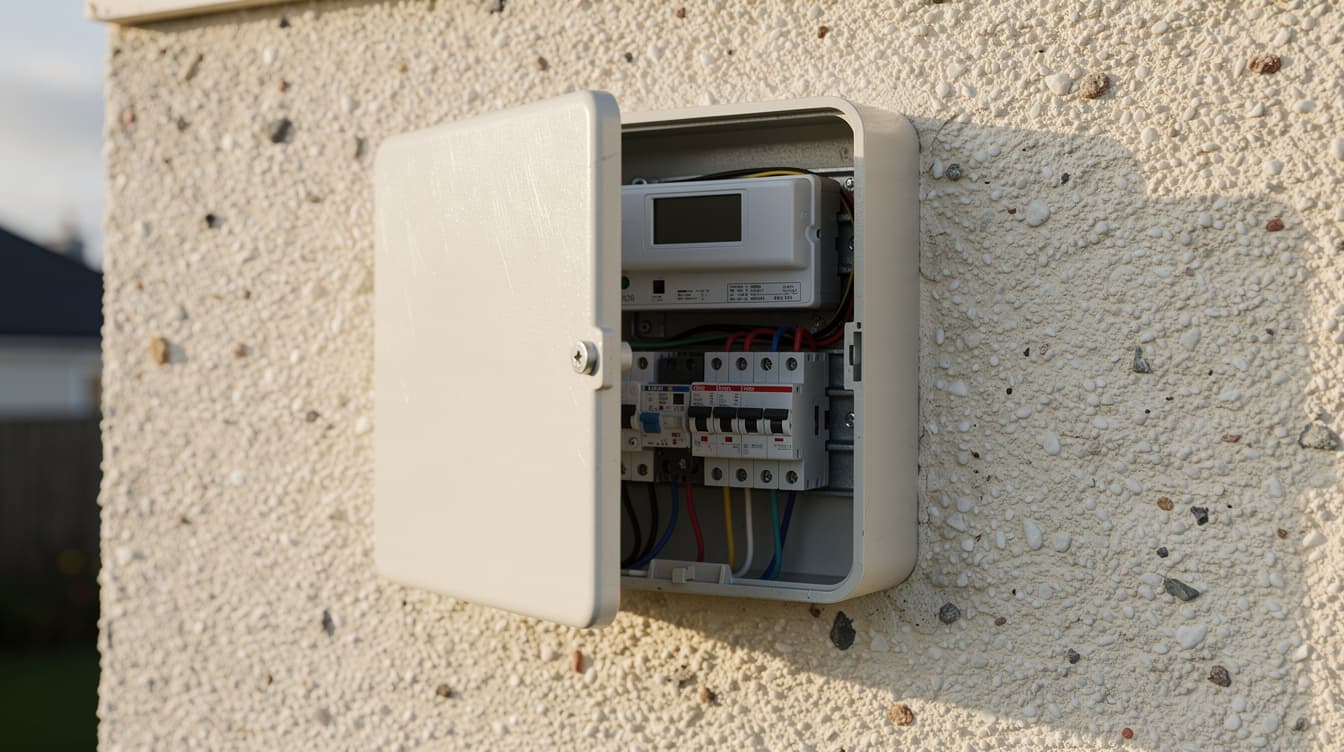
Most semis, terraces, and apartment blocks built since the 1970s are single–phase. If you are in any doubt, look at your meter cabinet: a single–phase meter has one fat live tail (usually brown) plus a blue neutral; a three–phase meter has three lives (commonly two brown plus one black, or three different colours under newer schemes) plus a single neutral. The Eircode–keyed copy of your Connection Agreement from ESBN will also state ‘single phase’ or ‘three phase’ explicitly under Phase Configuration.
Why three–phase matters for solar
Four reasons, in order of importance.
1. The NC6 export ceiling is roughly double. Under the 2026 ESBN NC6 microgeneration connection process (the ‘notify, do not negotiate’ route most homeowners use), single–phase domestic supplies are capped at 6 kW AC export, while three–phase domestic supplies can export up to 11 kW AC without crossing into the much heavier NC7 engineering process. That means a 9 kWp array on a three–phase supply is straightforward; the same array on single–phase needs export curtailment to 6 kW (you generate it but cannot push it past the meter).
2. Balanced load. A three–phase inverter exports across all three phases simultaneously. That spreads the ‘voltage rise’ that solar pushes onto the local LV network across three conductors instead of one, which materially reduces the chance of nuisance over–voltage trips on summer afternoons — especially in rural areas where the LV feeder can be long and high–impedance.
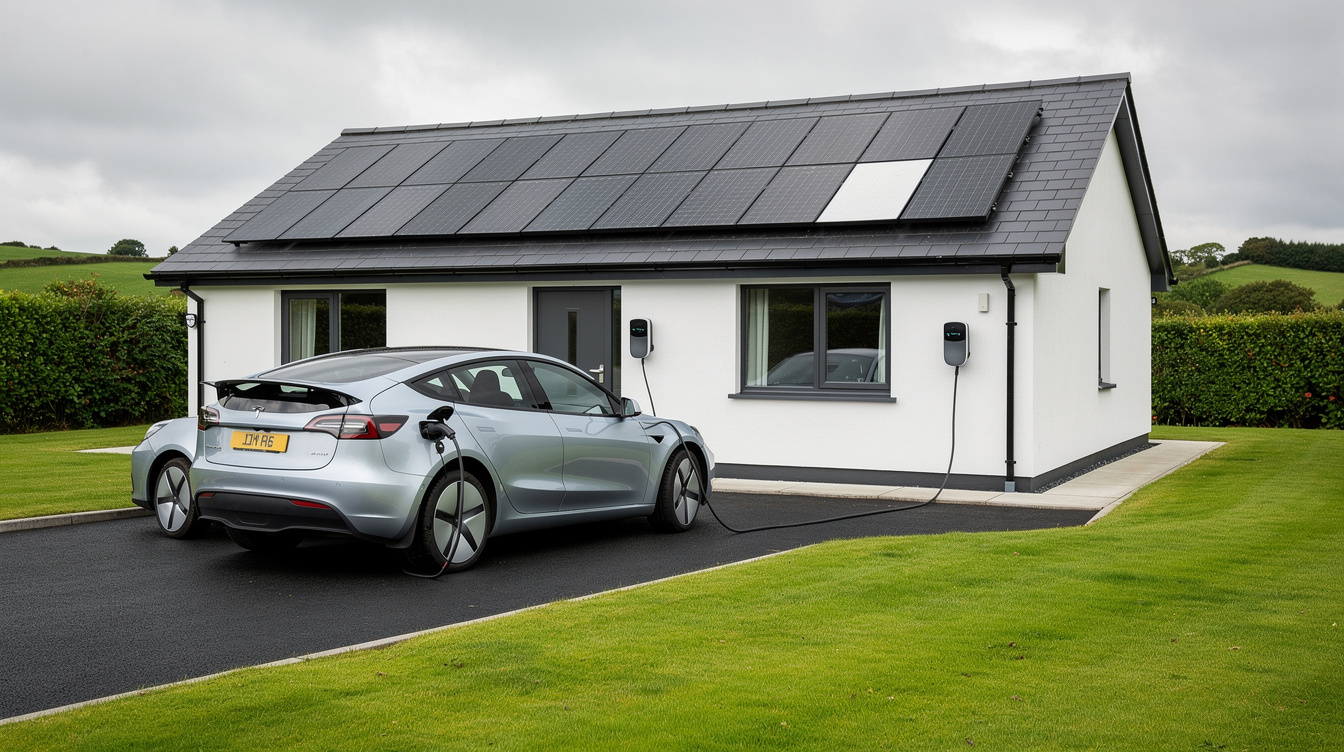
3. Heat pump + EV + solar coexistence. An air–to–water heat pump on a cold January morning can pull 4–6 kW. A 7 kW EV charger pulls 7 kW. On single–phase, running both at once already eats more than the 12 kVA practical ceiling, and that is before you factor in induction hobs, electric ovens, immersions, or a tumble dryer. On three–phase, the same loads sit comfortably under capacity.
4. Bigger inverters and more headroom. Three–phase hybrid inverters scale up to 15–25 kW; single–phase tops out around 10 kW practically and is uncommon above 6 kW for residential. If your roof can fit 12–15 kWp, three–phase is the only way to use it fully.
How to tell if you have three–phase (without paying anyone)
Five free checks, any of which is conclusive.
- Meter cabinet. Open the external cabinet. Three live tails plus a neutral = three–phase. One live plus one neutral = single–phase.
- Main switch in the consumer unit. A four–pole main switch (three lives + neutral, four breakers in a row at the incomer) is three–phase. A two–pole main switch is single–phase.
- ESBN MPRN web portal. Log in at the ESB Networks customer portal with your MPRN and PIN and the connection details page lists Phase Configuration explicitly.
- Recent ESB bill. The connection details section near the bottom often states the MIC and phase type.
- Eircode lookup. ESBN’s online connection enquiry form returns the connection type for any address.
If the meter cabinet shows three lives but the consumer unit has only a two–pole main switch, you have an ‘under–used’ three–phase supply — the ESBN supply is three–phase but the house wiring was done as single–phase off one of the three. Converting the house wiring to use all three phases is a separate (and cheaper) job than getting ESBN to upgrade a single–phase supply.
The 2026 NC6 rules for three–phase homes
ESB Networks runs three relevant microgeneration connection paths in 2026. The numbers below are the current published thresholds; double–check on esbnetworks.ie before you commission a system, as the regulator (CRU) updates them periodically.
| Process | Single–phase domestic | Three–phase domestic | Typical lead time |
|---|---|---|---|
| NC6 (notify only, no fee) | Up to 6 kW AC | Up to 11 kW AC | 2–4 weeks post–commission |
| NC7 (engineering connection) | 6–25 kW AC | 11–50 kW AC | 12–20 weeks |
| Mini–gen / commercial | Generally N/A | 50–200 kW AC | 16–36 weeks |
For most three–phase domestic homeowners that means you can install a 9, 10, or 11 kW AC system on a same–day NC6 notification and not have to involve ESBN engineering, the network connection fee, or a connection agreement. That is the sweet spot — and it is exactly the size range that most three–phase Irish homes actually want.
Have a Three–Phase Home?
Get a free three–phase–capable installer quote — sized for your actual MIC and load profile.
Three–phase inverter options for Irish homes in 2026
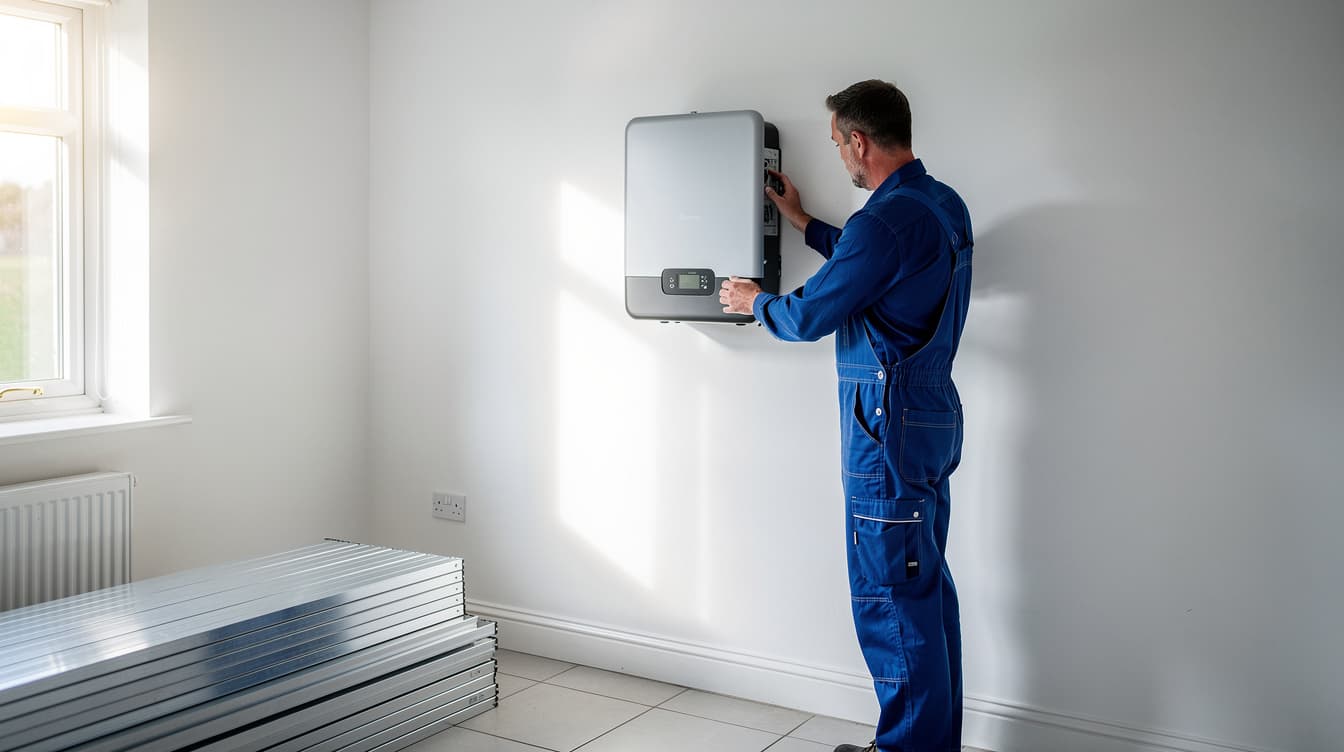
Not every brand sells three–phase residential hybrids in Ireland, and inventory varies between distributors. As of mid–2026 the units Irish installers most commonly fit on three–phase domestic jobs are:
| Inverter | AC output | Battery–ready | Typical fitted price |
|---|---|---|---|
| Sungrow SH10RT (single–phase 10 kW) | 10 kW | Yes — SBR/SBH | €2,100–€2,400 |
| Sungrow SH15T / SH20T (3–phase) | 15–20 kW | Yes | €2,900–€3,800 |
| SolarEdge SE10K–SE15K (3–phase) | 10–15 kW | Yes via DC–coupled BAT | €3,100–€4,200 (+ optimisers) |
| Huawei SUN2000–M5 (3–phase) | 8–12 kW | Yes — LUNA2000 | €2,600–€3,400 |
| Fronius Symo GEN24 (3–phase) | 6–10 kW | Yes — via BYD HVS/HVM | €2,800–€3,600 |
| GoodWe GW10K–ET / GW15K–ET | 10–15 kW | Yes — Lynx Home F | €2,400–€3,200 |
The price premium over an equivalent single–phase hybrid is typically €700–€1,400. That is real money — but you also avoid the cost of single–phase MIC curtailment and the lifelong cap on your export revenue.
One subtlety: many three–phase hybrids have an MPPT count that limits how you string the array. SolarEdge with optimisers gives you per–panel MPPT and is the best fit on Irish roofs with mixed shading or two different facets. Sungrow and Huawei work best on a clean single–facet south–facing roof. If your roof has a north–light dormer or a chimney throwing afternoon shadow, ask the installer to model PVsyst or PV*SOL output for each option.
What it costs to upgrade single–phase to three–phase
If you have single–phase today and want three–phase, two things happen and both cost money.
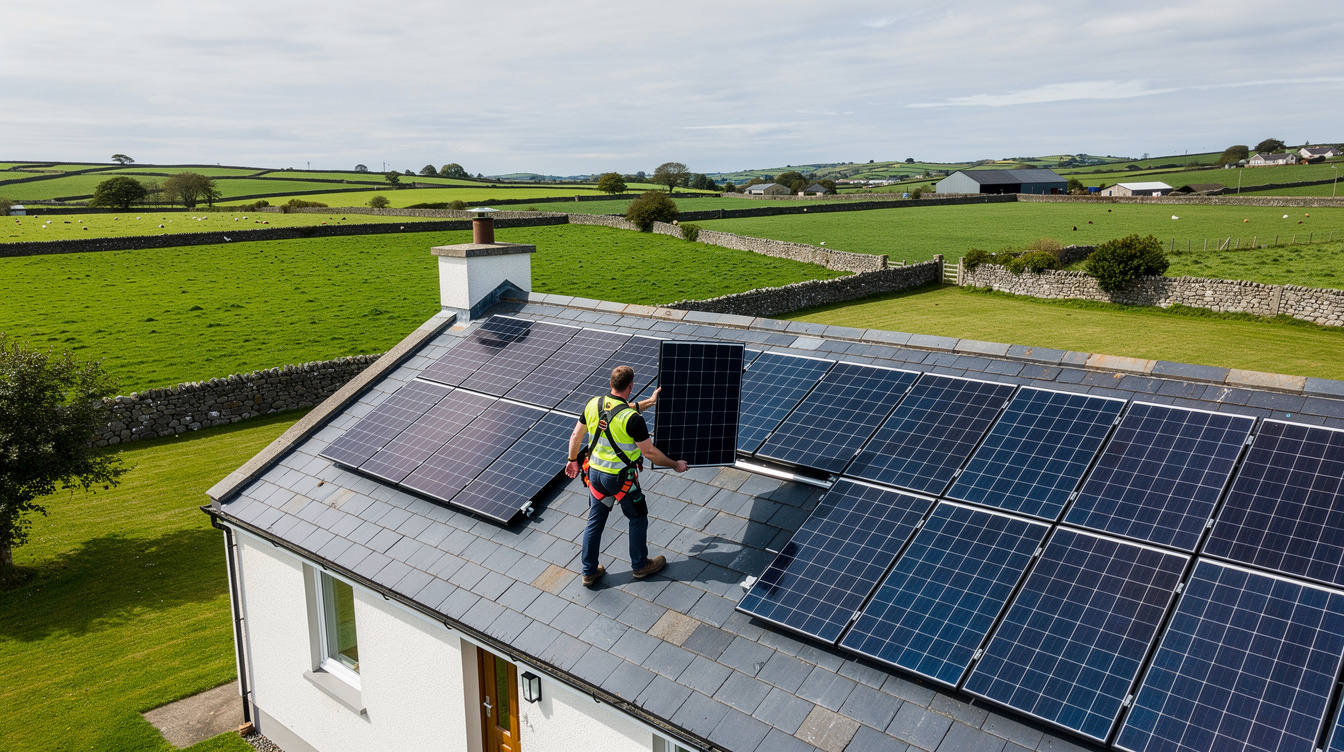
Step 1: ESBN supply upgrade. You apply on the ESB Networks portal for a connection alteration. ESBN does a network capacity check on the local low–voltage feeder. The fee in 2026 is typically €1,800–€3,500 for a straightforward swap where the existing three–phase tap–off exists nearby. If the local LV pole needs a new transformer tap or a span of cable replaced, the bill can reach €5,000–€9,000. Lead time is usually 8–14 weeks but can stretch to 6 months in capacity–constrained rural areas.
Step 2: House–side rewire. A registered electrical contractor (RECI–Safe Electric) swaps the consumer unit for a four–pole three–phase board, redistributes ring circuits across the three phases to balance load, and re–commissions the installation. Typical cost €1,400–€2,800 for a 3–bed; €2,500–€4,500 for a large 5–bed with detached annex.
That is €3,000–€13,000 of capital outlay before you even buy a solar panel. The honest answer is that you should almost never upgrade single–phase to three–phase purely for solar. The economics don’t work — the extra 5 kW of export ceiling you unlock at the CEG export rate of 19.5–24c/kWh in 2026 will take 20+ years to recoup the upgrade cost on its own.
The upgrade only makes sense when you are also adding: a heat pump that maxes out single–phase, a 22 kW (three–phase) EV charger for fleet use, or a home workshop with serious motor loads. In those bundled cases, three–phase is the right move for total household electrification, and solar is the icing.
Worked payback scenarios for three–phase Irish homes
Each scenario assumes 0% VAT on residential PV until 31 December 2026, the €1,800 SEAI grant on systems up to 4 kWp (no battery grant from 2025 onwards), CEG export at a blended rate of 21c/kWh, and Met Éireann average annual yield by county.
Scenario 1: Tipperary 4–bed with three–phase, no heat pump
Family of four, gas central heating, two cars (one EV, charged off–peak), annual electricity 6,800 kWh.
- System: 8 kWp array (20 x 400W panels) on south–facing main roof, Sungrow SH15T three–phase hybrid, no battery initially.
- Gross fitted price: €12,400
- Grant: €1,800
- Net: €10,600
- Annual generation: ~7,300 kWh (Tipperary yield ~915 kWh/kWp)
- Self–consumption: 38% (no battery, family out daytime)
- Bill saving: €948/yr | CEG export: €951/yr | Total benefit: €1,899/yr
- Simple payback: 5.6 years
Scenario 2: Cavan farmhouse, 3–phase, full electrification
Heat pump (10 kW), induction hob, 22 kW EV charger for farm pickup, annual electricity 14,500 kWh.
- System: 11 kWp array, Sungrow SH20T three–phase, 13.5 kWh SBH battery
- Gross fitted price: €22,800
- Grant: €1,800
- Net: €21,000
- Annual generation: ~9,900 kWh
- Self–consumption: 72% (heat pump + battery soaks daytime solar)
- Bill saving: €2,496/yr | CEG export: €582/yr | Total benefit: €3,078/yr
- Simple payback: 6.8 years
Scenario 3: Limerick rural detached, 3–phase, large roof
Retired couple with adult–child returning home (heavy daytime occupancy), oil heating staying, annual electricity 5,400 kWh.
- System: 6 kWp array, Fronius Symo GEN24 three–phase 8 kW, no battery
- Gross fitted price: €9,800
- Grant: €1,800
- Net: €8,000
- Annual generation: ~5,400 kWh
- Self–consumption: 52% (high daytime occupancy)
- Bill saving: €980/yr | CEG export: €545/yr | Total benefit: €1,525/yr
- Simple payback: 5.2 years
Scenario 4: Wicklow upgraded single–phase → three–phase bundled job
Family doing a deep retrofit: air–to–water heat pump, 11 kW EV charger, induction hob, solar, all funded together. They were single–phase 80A.
- 3–phase upgrade (ESBN + house): €5,800
- Solar system: 10 kWp + 10 kWh battery, €19,400 gross
- SEAI grant: €1,800 | Net solar: €17,600
- Annual generation: ~8,650 kWh (Wicklow yield ~865 kWh/kWp)
- Self–consumption: 68%
- Total benefit (all loads): €2,710/yr
- Simple payback on combined €23,400 outlay: 8.6 years — but the heat pump and EV would have needed the upgrade anyway, so the marginal solar payback in isolation is still 5.8 years
Voltage rise and why three–phase helps
One Irish–specific gotcha. Many rural LV feeders run 600m or more from the local transformer to the customer. When solar exports kW into a long, high–impedance feeder on a sunny Saturday in May, the voltage at the inverter terminals rises above the 230V nominal. EN 50438 / EN 50549 inverters trip at roughly 253V (10% over nominal) sustained for 100 seconds — or instantly above 264V. ESBN are seeing rising complaints of nuisance over–voltage trips on long single–phase rural feeders in summer.
Three–phase materially reduces this risk because the same export power is spread across three conductors, so the voltage rise on each is roughly one–third. If you live in deep rural Ireland and you are choosing between single–phase 6 kW and three–phase 11 kW, the network–hygiene argument alone often tips the answer toward three–phase. Talk to ESBN about your feeder impedance before commissioning if you are uncertain — they will not always volunteer it but will tell you on request.
Three–phase installer checklist
Not all SEAI–registered installers carry three–phase stock or commissioning experience. Before you sign:
- Ask for three–phase commissioning references. A capable installer will name three–phase jobs they have done in the last six months in your county.
- Get the inverter spec in writing. ‘Three–phase hybrid’ isn’t a model. The brand, model number, AC output, MPPT count, and battery compatibility all matter.
- Confirm NC6 paperwork. ESBN three–phase NC6 notification is the installer’s job; you should see the receipt.
- Check the existing MIC. If you have an old three–phase supply at 35 kVA, you have plenty of headroom; if MIC was set conservatively at 12 kVA per phase, you may need a quick MIC uplift application (free, 4–6 weeks).
- Workmanship warranty ≥ 10 years. Three–phase commissioning errors are subtle — phase rotation, neutral integrity, anti–islanding settings. You want the installer on the hook for fault–tracing if things misbehave six months in.
Ready to Go Solar?
Get your free personalised quote from SEAI–registered installers with three–phase experience.
Frequently asked questions
Can I install a single–phase inverter on a three–phase house? Yes, but you would be locking yourself at the 6 kW NC6 ceiling and concentrating all your export onto one of the three phases, which can drive that phase’s voltage above 253V and cause nuisance trips. Allowed; not recommended.
Will three–phase solar make my electricity bill go to zero? No. The CEG only pays you for exported kWh, and exported electricity is worth ~22c on average versus the ~30c you save by self–consuming. A battery moves the dial more than three–phase does on the bill side, but three–phase lets you go bigger to begin with.
Do I still need a smart meter on three–phase? Yes — the smart meter is what allows CEG export payments. ESBN are rolling three–phase smart meters as standard in 2026; if your meter is a legacy electromechanical or basic AMR unit, you need a smart meter swap before you can claim CEG.
Can I have a battery on three–phase? Yes. Most modern three–phase hybrid inverters take a single DC–coupled or HV battery stack (BYD HVS, Sungrow SBH, Huawei LUNA2000, BYD HVM) sized 10–30 kWh. The battery does not need to be three–phase itself — the inverter handles phase distribution on discharge.
Does three–phase qualify for the same €1,800 SEAI grant? Yes — the SEAI Solar Electricity grant is system–size based (up to €1,800 for systems ≥ 4 kWp), not phase–type based. Your installer claims the grant on your behalf and deducts it from the invoice as usual.
Can a heat pump and solar share the same inverter on three–phase? They share the same supply, not the same inverter. The heat pump runs off the AC three–phase consumer unit; the solar exports into it. Larger inverter brands let you prioritise diverting surplus solar to specific loads (heat pump, immersion, EV) via CT clamps and load–management firmware — useful but optional.
Next steps
- Confirm your phase type via the ESB Networks portal before getting quotes.
- Run the maths for your specific roof and consumption with our solar panel calculator Ireland.
- Read our 2026 inverter brand comparison for brand–by–brand detail.
- If you might add a heat pump or EV, see our heat pump vs solar order–of–installation guide.
- Browse SEAI–registered installers near you — ask up–front about three–phase track record.
- See if you qualify for the €1,800 grant in 60 seconds.
Related Articles
3-Phase Voltage Ireland Explained: 400V, 230V & Home Solar 2026
Ireland’s 3-phase mains is 400V line-to-line and 230V line-to-neutral. Full explainer on tolerance bands, voltage rise, inverter over-voltage trips & how to check your supply.
MPRN Ireland 2026: What Your Meter Point Reference Number Is & Why Every Solar Installer Asks for It
Every Irish solar quote asks for your MPRN. What the 11-digit number means, where to find it, and the SEAI grant mistake it prevents.
ESB Networks NC6 Form Ireland 2026: The Solar Homeowner's Walkthrough
Every Irish solar homeowner needs an NC6 filed with ESB Networks. Timeline, common installer mistakes, and how to spot a stalled application.