
Do Solar Panels Increase Home Value in Ireland? The 2026 Data
Do solar panels increase your home’s value in Ireland? Yes — and the data backs it up. ESRI research shows that each one-letter improvement in your BER rating adds 1–2% to your sale price, and a typical solar PV installation can boost your BER by one to two grades. For a €400,000 Irish home, that’s €4,000–€16,000 in added value — on top of the €800–€1,200 you save on electricity every year. With over 34,000 Irish homes adding solar panels in 2025 alone, buyers are increasingly expecting them. Here’s exactly how solar panels affect your property value, your BER rating, and your chances of a faster sale.
The Irish property market has shifted. Energy costs, climate anxiety, and tightening building regulations mean buyers now scrutinise BER ratings the way they once scrutinised square footage. A home with solar panels signals lower running costs, modern upgrades, and future-proofing — three things that directly translate into higher offers and faster sales.
This guide breaks down the numbers, explains the BER connection, and shows you how to maximise the value solar panels add to your Irish home.
The Hard Numbers: How Much Value Do Solar Panels Add?
There’s no single magic number — but we can piece together a clear picture from Irish research:
| BER Improvement | Sale Price Premium (ESRI Data) | On a €400,000 Home |
|---|---|---|
| D → C (one grade up) | 1.7% premium | €6,800 |
| D → B (two grades up) | 5.2% premium | €20,800 |
| D → A (three grades up) | 9.3% premium | €37,200 |
| Each single grade improvement | ~1–2% | €4,000–€8,000 |
The key study here is from the Economic and Social Research Institute (ESRI), Ireland’s most authoritative economic research body. Their analysis of over 20,000 property transactions found that BER ratings have a statistically significant and consistent effect on sale prices. The effect is even stronger in weaker market conditions — buyers become pickier about running costs when the economy is uncertain.
Solar panels alone won’t take you from D to A (you’d also need insulation, heat pump, etc.), but a typical 4–6 kWp solar PV system will improve your BER by one to two grades. That means if you’re currently a C3 and install solar, you could move to a B3 or B2 — entering the premium territory that buyers and green mortgage lenders actively seek.
How Solar Panels Improve Your BER Rating
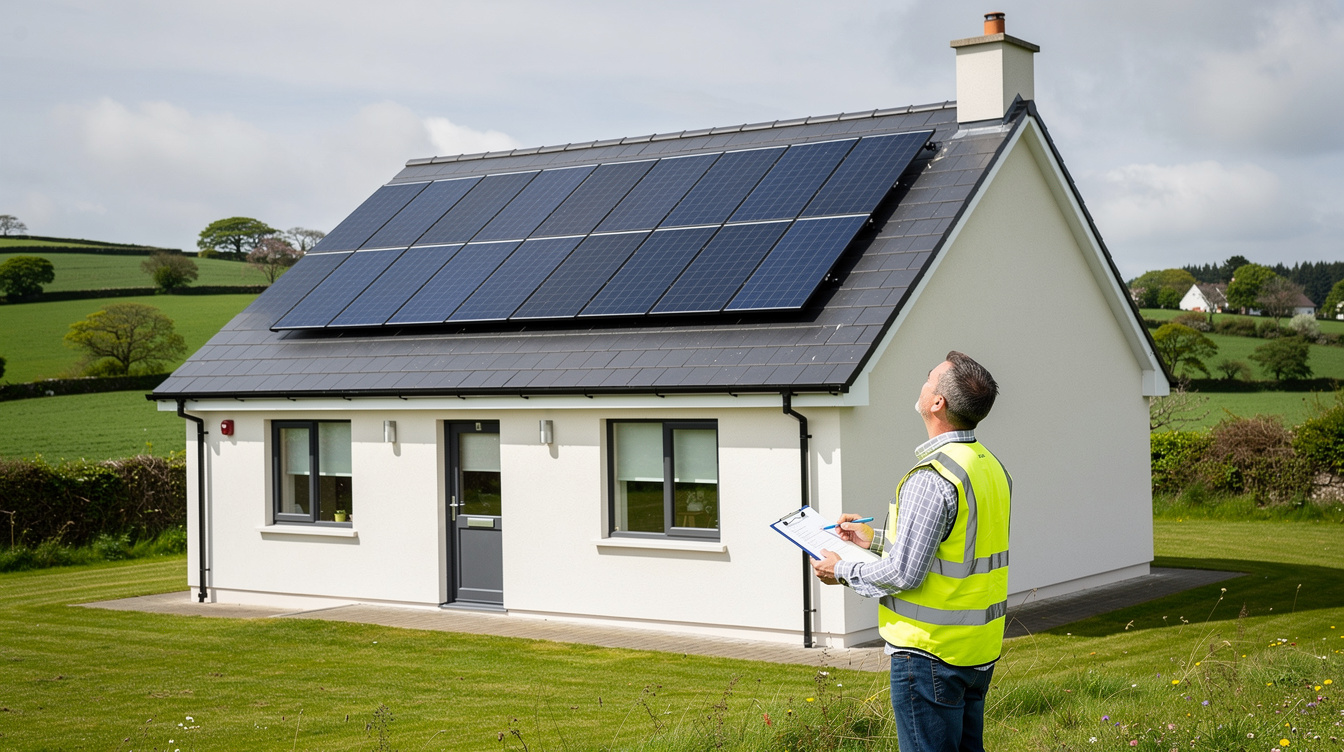
Your BER (Building Energy Rating) measures how much energy your home uses per square metre per year. It runs from A1 (most efficient) to G (least efficient). Solar panels reduce your home’s calculated energy consumption by generating electricity on-site, which directly improves your BER score.
Here’s how different system sizes typically affect BER ratings:
| System Size | Typical BER Improvement | Best for Home Type |
|---|---|---|
| 2–3 kWp (6–8 panels) | 0.5–1 grade | Apartments, small terraced homes |
| 4–5 kWp (10–13 panels) | 1–1.5 grades | Semi-detached, average 3-bed |
| 6–8 kWp (16–20 panels) | 1.5–2 grades | Detached homes, 4+ beds |
Important: The BER improvement depends on your starting point. A home that’s already well-insulated (C1–C3) will see a bigger BER jump from solar than a poorly insulated home (E–G), because insulation accounts for more of the rating in draughty homes. If your home is E or below, insulation should come first — then solar will push you up further.
After installing solar panels, you’ll need to get a new BER assessment (costs around €150–€200) to update your certificate. This is essential if you plan to sell — buyers and their solicitors will look at the official BER cert, not your word for it.
The Green Mortgage Advantage
Here’s where solar panels create a second, less obvious boost to your home’s value: green mortgages.
All major Irish lenders now offer discounted mortgage rates for energy-efficient homes. If your BER is B3 or above, buyers can access rates that are 0.15–0.30% lower than standard mortgages. That might sound small, but on a 30-year €300,000 mortgage, a 0.25% rate reduction saves the buyer over €13,000 in interest.
| Lender | Green Mortgage Rate (2026) | BER Requirement | Saving vs Standard Rate |
|---|---|---|---|
| AIB | From 3.00% (3-yr fixed) | A1–B3 | Up to 0.25% off |
| Bank of Ireland | Up to 0.30% discount | A–B rated | Up to 0.30% off |
| EBS (part of AIB) | From 3.15% (2-yr fixed) | A1–B3 | ~0.20% off |
This matters for your sale price because buyers can afford to pay more when their monthly repayments are lower. A €400,000 property at 3.0% costs less per month than a €385,000 property at 3.3%. The green mortgage effectively extends the buyer’s budget — and that extra budget ends up in your pocket as a higher sale price.
Want to Boost Your BER Rating and Home Value?
Get a free personalised quote from SEAI-registered solar installers near you.
Solar Panels Help You Sell Faster
Value isn’t just about the price tag — it’s also about time on market. Homes with better BER ratings sell faster in Ireland. According to property data from Daft.ie and myhome.ie, B-rated homes typically spend 2–4 weeks less on the market than D-rated equivalents in the same area.
Why? Three reasons:
- BER filter on property websites — Buyers increasingly use BER filters on Daft.ie and myhome.ie. If your home is B-rated, it shows up in more searches. If it’s D-rated, many buyers never see it.
- Energy cost anxiety — After the 2022–2023 energy crisis, Irish buyers are acutely aware of heating and electricity costs. Solar panels visibly signal “low running costs” in a way few other upgrades do.
- Green mortgage qualification — Buyers who need a mortgage will prioritise homes that qualify for green rates. Your solar-equipped home enters a larger buyer pool.
The Full ROI Picture: Investment vs Return
Let’s put the complete financial picture together for a typical Irish homeowner installing a 5 kWp system in 2026:
| Item | Amount |
|---|---|
| System cost (5 kWp, installed) | €9,000–€11,000 |
| SEAI grant | −€1,800 |
| Net cost to you | €7,200–€9,200 |
| Annual electricity savings | €800–€1,200/year |
| Clean Export Guarantee income | €100–€250/year |
| Estimated property value increase (1–2 BER grades) | €4,000–€16,000 |
| Total value recovered in first 5 years | €8,500–€23,250 |
Even at the conservative end, solar panels pay for themselves within 5–7 years through energy savings alone — and you get the property value boost on top. If you sell the home within 10 years of installing, you’re likely to recover 100–200% of your net investment through the combination of energy savings, export income, and higher sale price.
Think of it this way: Solar panels are one of the only home improvements where you get paid back every month (through lower bills) AND get a lump sum back when you sell. A new kitchen might add €10,000 to your home’s value, but it doesn’t save you €1,000 a year in running costs.
What Buyers Actually Look For
Not all solar installations are equal in the eyes of a buyer. Here’s what adds the most perceived value:
- Updated BER certificate — This is non-negotiable. Get a new BER assessment after installation. A B2 on paper is worth far more than “we have solar panels” without proof.
- Battery storage — A solar-plus-battery system signals self-sufficiency and resilience. It shows the home can store energy for evenings and cloudy days. Read our guide to the best solar batteries in Ireland for options.
- Clean, well-maintained panels — Dirty, bird-dropping-covered panels suggest neglect. Consider bird proofing and regular cleaning to keep them looking sharp for viewings.
- Documentation — Keep your installation certificate, SEAI grant confirmation, panel warranty documents, and inverter manual. Hand these to the buyer at sale. It builds confidence.
- Monitoring data — If you can show 12 months of actual generation data from your inverter app, it proves the system works. Numbers sell.
- Clean Export Guarantee contract — Show that the home is already earning money by selling electricity back to the grid. Passive income is attractive.
Do Solar Panels Ever Hurt Your Home’s Value?
In rare cases, solar panels can be a negative factor. Here’s when:
- Leased panels — This is mainly a UK/US issue. If you don’t own the panels (lease or PPA agreement), the buyer inherits the contract, which can complicate the sale. In Ireland, nearly all residential installations are owner-purchased, so this is rarely a concern.
- Poor installation quality — Panels installed with visible roof damage, messy wiring, or non-standard mounting can put buyers off. Always use SEAI-registered installers.
- Listed or protected buildings — On architecturally significant homes, panels may be seen as visually intrusive. Planning restrictions may also apply. Check with your local authority first.
- Excessive system size — A 20-panel system on a 2-bed apartment roof looks disproportionate. Size the system to the home.
For the vast majority of Irish homes, solar panels are a clear positive for resale value.
Ready to Increase Your Home’s Value with Solar?
Get your free personalised quote from SEAI-registered installers.
New-Build vs Existing Homes: Different Dynamics
The value equation differs depending on whether you’re selling a new-build or an older home:
New-builds (2021 onwards): Since the 2021 update to Part L of the Building Regulations, most new Irish homes already come with solar panels. For these properties, solar doesn’t add value — it’s the baseline. A new-build without solar would actually raise red flags.
Older homes (pre-2021): This is where solar panels add the most value. An older home that’s been retrofitted with solar signals a proactive owner who has invested in the property’s future. Combined with other upgrades (insulation, double/triple glazing), it tells buyers the home has been modernised.
1960s–1980s builds: These era homes often have the worst BER ratings (D–F) due to poor insulation and single glazing. Solar panels alone won’t fix a bad BER here — but as part of a broader retrofit (insulation first, then solar), they help push the rating into C or B territory where the property value premiums kick in.
How to Maximise the Value Solar Adds to Your Home
If you’re installing solar panels with a future sale in mind, here are the moves that maximise ROI:
- Right-size the system — Use our solar panel calculator to match the system to your home’s energy usage and roof space. Bigger isn’t always better for resale; a well-sized system is more attractive than an oversized one.
- Add a battery — The jump from “solar only” to “solar + battery” adds disproportionate buyer appeal. It’s the difference between “saves money when the sun is out” and “saves money all the time.”
- Get the BER updated immediately — Don’t wait until you’re selling. The sooner you have the certificate, the sooner you can advertise the rating.
- Sign up for the Clean Export Guarantee — Being registered to sell electricity back to the grid is a tangible benefit buyers can see in writing.
- Keep records — Warranty certificates, SEAI grant letters, installation photos, monitoring app data. Create a “solar folder” for the buyer.
- Maintain the panels — Annual cleaning, bird proofing if needed, inverter checks. A well-maintained system looks and performs better at viewings.
Frequently Asked Questions
How much do solar panels add to a home’s value in Ireland?
Based on ESRI research, the BER improvement from solar panels adds approximately 1–5% to your sale price, depending on how many BER grades you gain. For a €400,000 home moving from D to B, that’s around €20,000.
Do I need planning permission for solar panels?
Most residential solar panel installations in Ireland are exempt from planning permission under 2022 regulations. Exemptions cover up to 50 sq metres (about 25 panels) on your roof. Restrictions apply to listed buildings and some apartments.
Should I install solar before selling my house?
If your BER is currently C or below and you have 6+ months before listing, yes. The BER improvement and green mortgage eligibility will likely return more than the installation cost. If you’re selling within weeks, you won’t have time to get the BER reassessed.
Does a battery add more value than panels alone?
Yes, but the added cost is significant (€3,000–€6,000 for a home battery). If your BER is already B3+ with solar alone, the battery adds buyer appeal but may not push you up another BER grade. If you need the extra grade to reach B-rated territory, the battery investment is worth it.
What if I’m not planning to sell?
The property value boost is a bonus, not the main reason to go solar. The primary return is €800–€1,200 in annual electricity savings plus €100–€250 in export income. You benefit every year regardless of whether you sell.
Ready to Go Solar?
Get your free personalised quote from SEAI-registered installers.
The Bottom Line
Solar panels are one of the smartest investments you can make in an Irish home. They save you money every month, they earn you income through the Clean Export Guarantee, they improve your BER rating, they qualify buyers for cheaper mortgages, and they add measurable value to your property. ESRI data shows B-rated homes selling for 5.2% more than D-rated equivalents — and solar panels are the fastest, most cost-effective way to climb the BER ladder.
Whether you’re planning to sell next year or live in your home for decades, solar panels pay you back — and they make your home worth more the entire time. In 2026, with grants still available and electricity prices remaining high, the question isn’t whether solar panels add value to your home. It’s why you haven’t installed them yet.
Related Articles
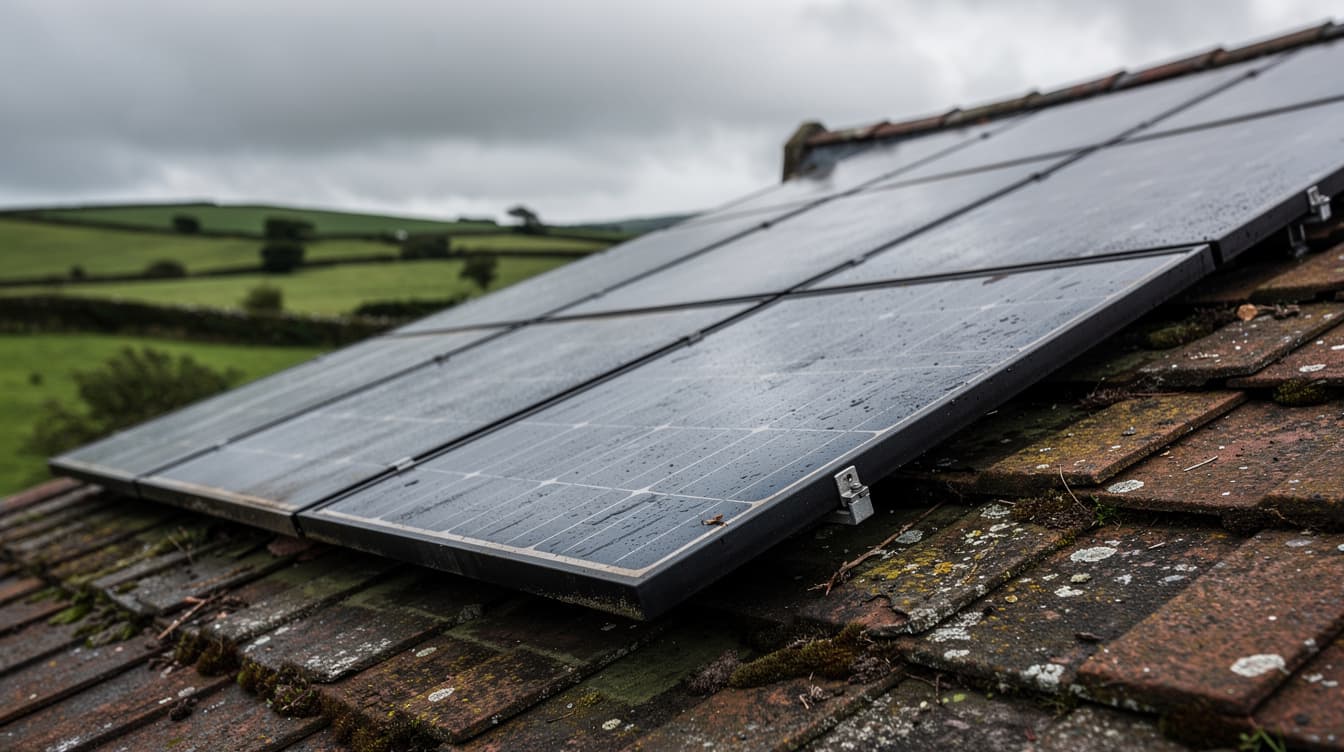
How Long Do Solar Panels Last in Ireland? Lifespan, Warranties & What Actually Wears Out
Solar panels last 25-35 years in Ireland. Learn about degradation rates, inverter replacement, battery lifespan, warranties, and 30-year cost of ownership.
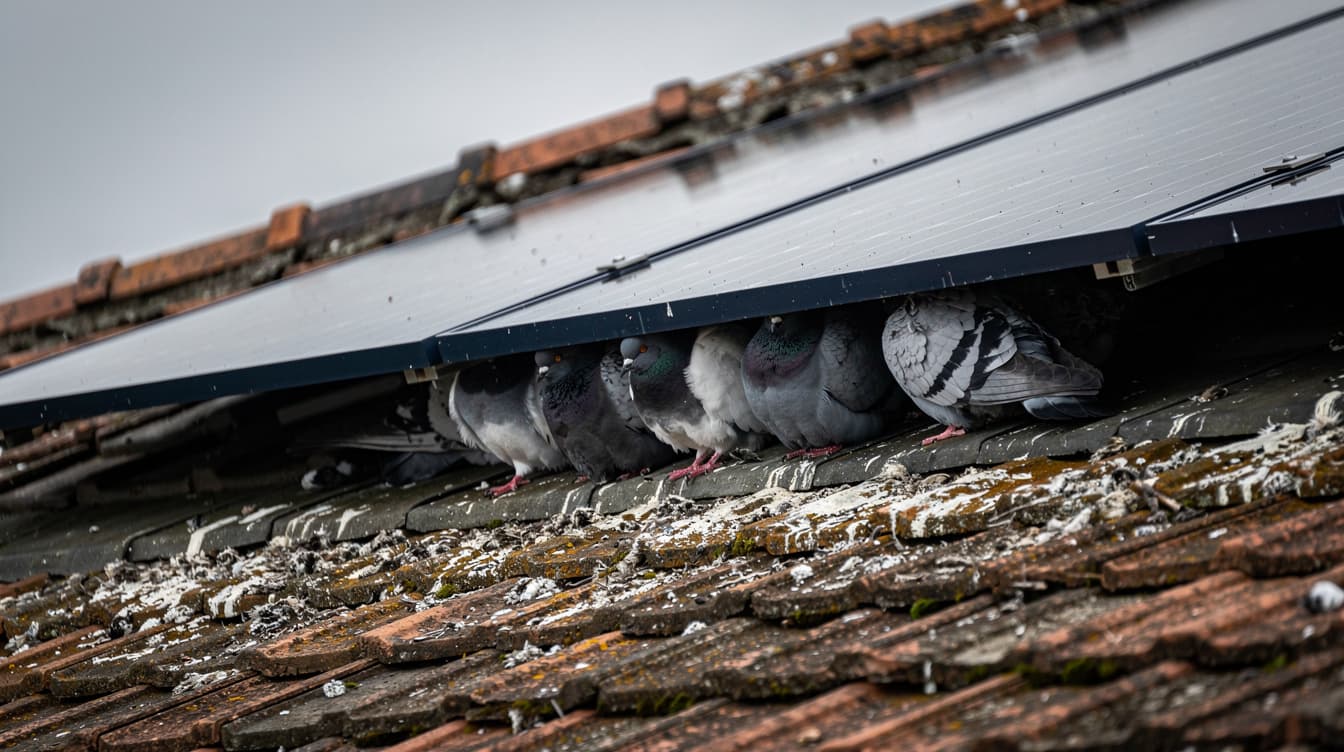
Solar Panel Bird Proofing Ireland: How to Stop Pigeons Nesting Under Your Panels
How to bird proof solar panels in Ireland. Costs, methods, DIY vs professional, and legal rules. Wire mesh from €300 solves pigeon problems permanently.
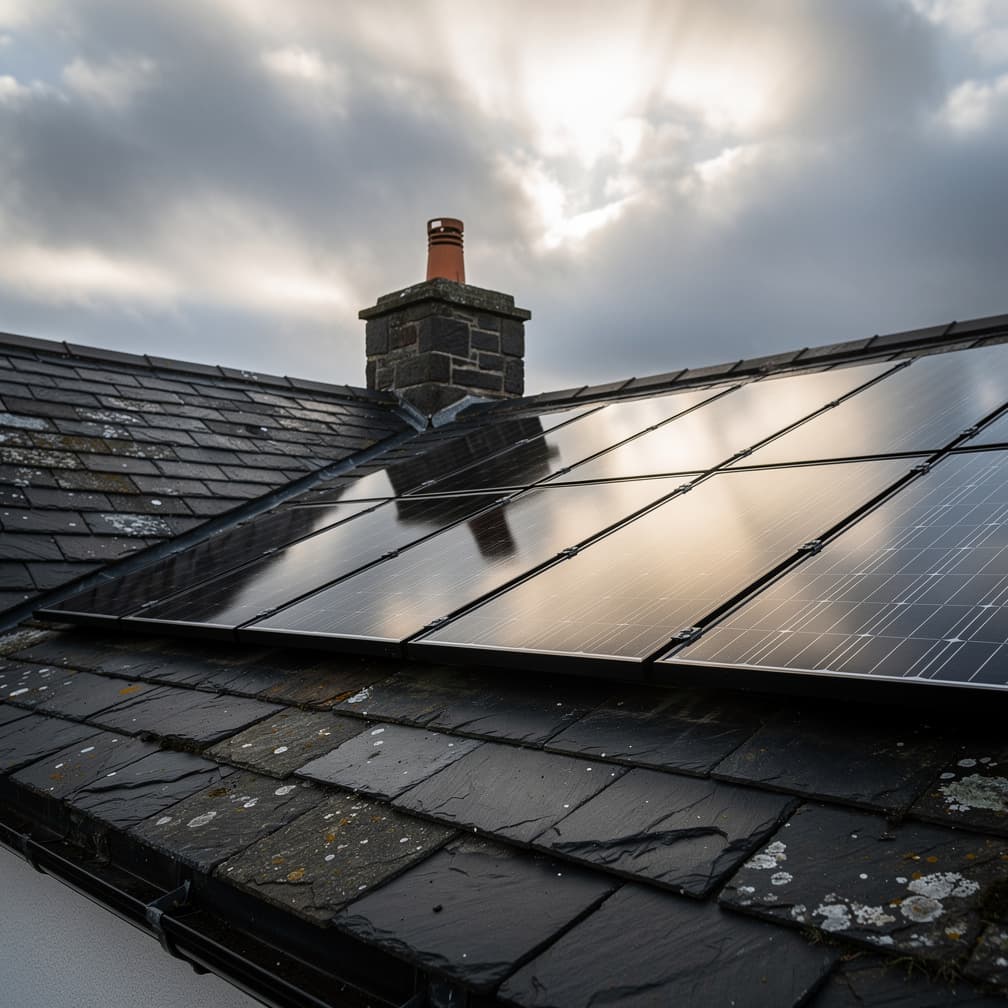
Solar Panel Costs Ireland 2026: Complete Price Breakdown by System Size
Solar panel costs in Ireland 2026: €3,100–€11,700 after SEAI grants. Full breakdown, brand comparison & ROI calculator. Get an accurate quote today.