
Solar Thermal Panels Ireland 2026: Cost, Best Brands & Where to Buy
Refreshed 5 August 2026. Three market updates since June: (1) the SEAI Better Energy Homes solar thermal grant remains €1,200 (unchanged), and the scheme now covers 68% of SEAI-registered installers offering thermal (up from 60% in 2024) as heat-pump-plus-thermal-hybrid installs pick up; (2) evacuated-tube kit prices from Kingspan Thermomax and Viessmann Vitosol softened another 4-6% through summer 2026, putting a typical 4-panel flat-plate install at €3,900-€4,800 gross (€2,700-€3,600 net after grant); (3) the €1,800 solar PV grant continues to pull most Irish homeowners toward PV + immersion diverter as the cheaper hot-water route — if your priority is domestic hot water only and you already have a solid gas or oil boiler, thermal still wins on winter yield and is worth quoting alongside PV.
If you've Googled "buy solar thermal panels" or "buy solar water heater" in Ireland in 2026, you've probably noticed two things: nobody seems to have prices on their website, and almost every result is about solar PV (electricity panels) instead of solar thermal (hot water panels). They are two completely different products, sold by different installers, with different costs, grants and payback periods.
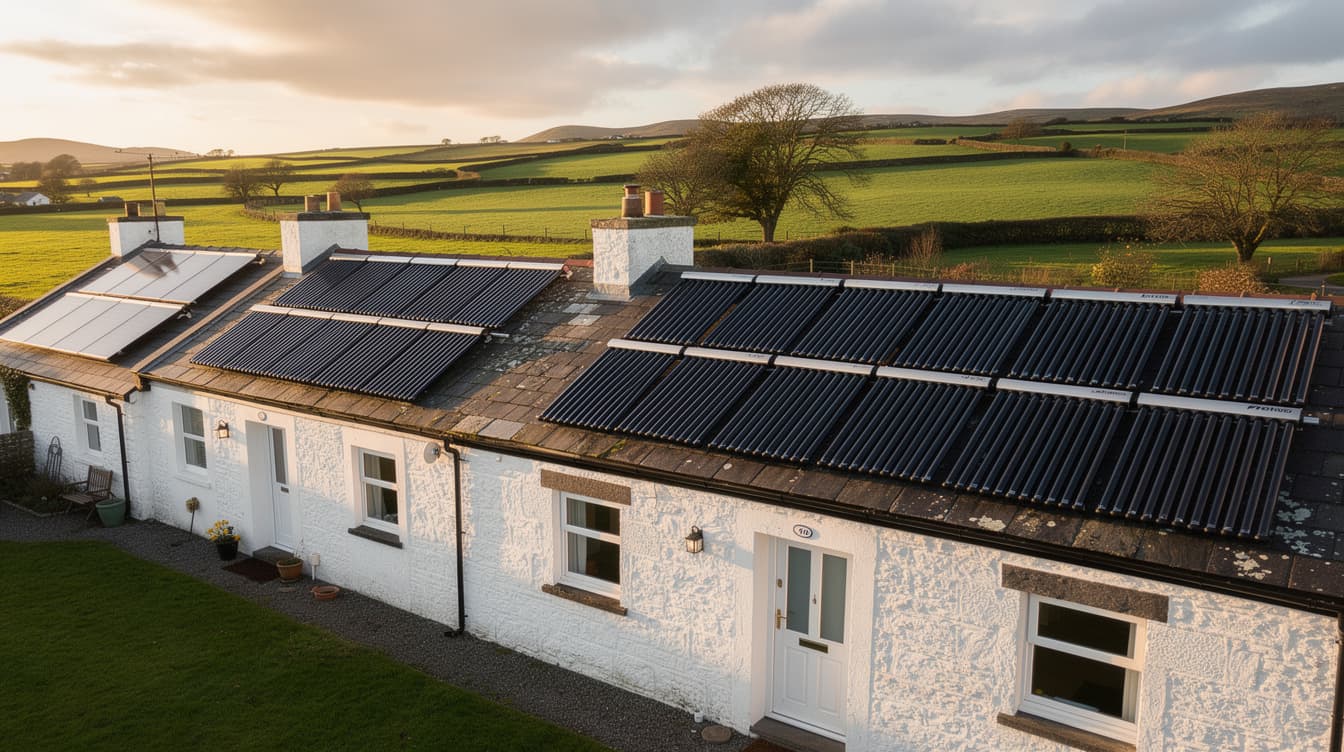
This guide is specifically about solar thermal panels — rooftop collectors that heat your hot water cylinder directly using the sun. Not PV. Not heat pumps. Just hot water from the roof. We’ll cover real 2026 Ireland prices, the two collector types you’ll be quoted on (flat-plate vs evacuated tube), where to buy in Ireland, and whether thermal is still the right call in 2026 now that PV-plus-immersion has caught up.
Quick Answer: How much do solar thermal panels cost in Ireland in 2026?
A typical 4-person household solar thermal installation costs €4,500 to €7,500 fully fitted, including a new 250–300L twin-coil hot water cylinder, controls and labour. Flat-plate systems sit at the lower end, evacuated tube at the upper end. The SEAI no longer pays a dedicated solar thermal grant (the €1,200 grant was withdrawn in 2022), so this is the out-of-pocket price.
Solar thermal vs solar PV — which one do you actually want?
Before you spend money, make sure you’re shopping for the right product. The two technologies are constantly confused, especially because both are panels on a roof. Here’s the practical difference:
| Solar thermal | Solar PV + immersion | |
|---|---|---|
| Output | Heat (hot water only) | Electricity (anything in the house) |
| Typical price fitted | €4,500–€7,500 | €9,500–€14,000 (6 kW) |
| SEAI grant 2026 | None (withdrawn 2022) | Up to €1,800 |
| % of hot water covered | 50–65% annually | 40–60% (depends on diverter use) |
| Lifespan | 20–25 years | 25–30 years (panels) |
| Payback | 8–14 years | 5–8 years |
| Roof space (4-person home) | 3–5 m² | 20–30 m² |
For most Irish homes in 2026, solar PV with a power diverter feeding the immersion is a better investment than dedicated solar thermal. Why? Because PV gets the €1,800 SEAI grant, you also get an export tariff on surplus electricity, and a diverter sends “leftover” PV to your immersion heater — effectively giving you free hot water as a by-product of the electricity system. We cover this in detail in Solar Panels & Immersion Heaters Ireland 2026.
That said, solar thermal still makes sense if any of these apply:
- Tiny roof. If you only have 3–5 m² of unshaded south-facing roof, you can’t fit a meaningful PV array but you can fit a thermal collector.
- High hot water demand. Big families, B&Bs, or homes with a power shower used multiple times daily benefit more from dedicated solar thermal capacity.
- You already have PV. A small thermal collector layered on top of existing PV can push your hot water self-sufficiency past 80% in summer.
- Listed or conservation property. Thermal collectors are smaller and often less visually intrusive than a full PV array, which can matter for planning sign-off.
The two collector types you’ll be quoted on
Every solar thermal quote in Ireland will land on one of two technologies. They look different on the roof, perform differently in low light, and price differently. Here’s what you need to know before you sign anything.
Flat-plate collectors
A flat-plate collector is a glazed insulated box with a black absorber plate inside. Cold water-glycol mix circulates through copper pipes bonded to the absorber, picks up heat, and carries it down to your cylinder’s lower coil. They look like a slightly thicker, slightly darker version of a PV panel.
- Price installed (4-person home): €4,500–€5,800
- Annual output: 350–450 kWh per m²
- Best for: Sunny southern aspects, mild climates, budget-conscious buyers
- Weakness: Performance drops noticeably in cold overcast Irish winters
- Strength: Cheaper, simpler, more robust against hail and frost
Evacuated tube collectors
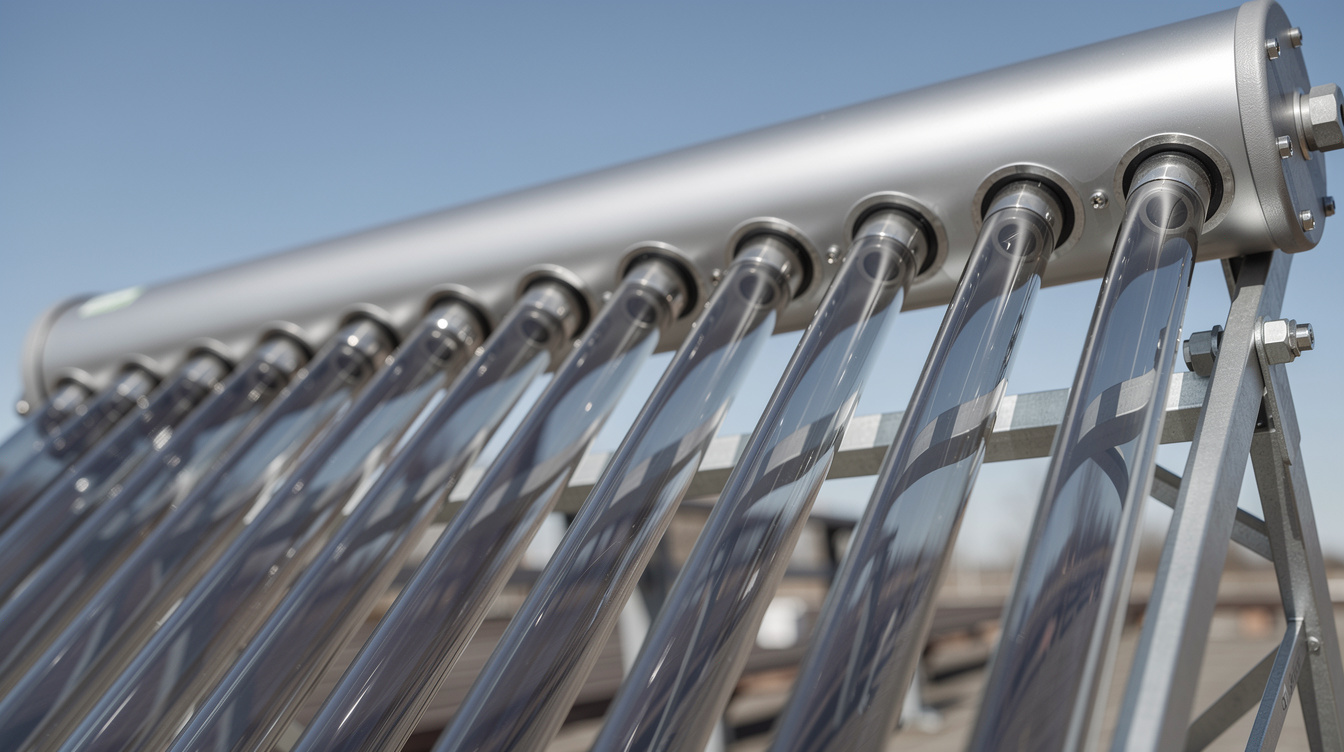
Evacuated tubes are rows of double-walled glass tubes with a vacuum between the walls (like a thermos flask). Inside each tube is a copper heat pipe that vaporises and condenses to move heat into the manifold header at the top of the array. The vacuum dramatically reduces heat loss to the cold Irish air around the collector.
- Price installed (4-person home): €5,500–€7,500
- Annual output: 450–600 kWh per m²
- Best for: Cold cloudy climates — ie, all of Ireland from October to March
- Weakness: Tubes can break if hit hard (rare, but replacement is straightforward)
- Strength: 20–30% more annual output than flat-plate for the same roof area in Irish conditions
Which one is better for Ireland?
For Irish weather, evacuated tubes generally outperform flat-plate by 20–30% annually because they hold heat better in cold cloudy conditions. The extra cost (€1,000–€2,000) typically pays itself back within 4–6 years on hot water savings alone. If your installer is only quoting flat-plate, ask for an evacuated-tube comparison.
Real 2026 Ireland prices — what you should be paying
Solar thermal installers are notoriously bad at publishing prices online. Here’s the real spread you should expect from quotes in 2026, broken down by household size and collector type:
| Household | Collector area | Cylinder | Flat-plate fitted | Evacuated tube fitted |
|---|---|---|---|---|
| 1–2 people | 2–3 m² | 200L twin-coil | €3,800–€4,800 | €4,500–€5,800 |
| 3–4 people | 4–5 m² | 250–300L twin-coil | €4,500–€5,800 | €5,500–€7,500 |
| 5–6 people | 6–8 m² | 300–400L twin-coil | €5,800–€7,200 | €7,000–€9,500 |
Those prices assume a fairly straightforward installation: existing pitched roof, accessible loft for pipework, single-storey or two-storey home, hot water cylinder being replaced as part of the work. Add €400–€1,200 for any of the following: drain-back system, three-storey scaffolding, cylinder in an awkward location, integration with existing solid-fuel back boiler, smart controls upgrade.
What’s actually included in a good quote
A complete solar thermal installation in Ireland should include all of the following. If any are missing from your quote, you’re comparing an apples-to-oranges price. Push back.
- Roof-mounted collector (flat-plate or evacuated tube) with frame and flashing
- New twin-coil hot water cylinder (your existing single-coil cylinder cannot accept solar input)
- Solar pump station with controller, expansion vessel and safety valves
- Pre-insulated stainless-steel solar pipework (flow + return)
- Glycol heat-transfer fluid pre-charged to system
- Two sensor temperature probes (cylinder bottom + collector outlet)
- Wiring, commissioning, system flush and pressure-test certificate
- Decommissioning and disposal of your old cylinder
- Scaffolding (insist this is in the quote, not "as required")
- Workmanship warranty (5 years minimum) and product warranties registered in your name
Where to buy solar thermal panels in Ireland in 2026
You can’t walk into a hardware shop in Ireland and buy a complete solar thermal system off the shelf the way you can with a plug-in PV starter kit. There are essentially three buying routes, each with very different cost profiles and risk profiles.
1. Through a registered renewable energy installer (recommended for almost everyone)
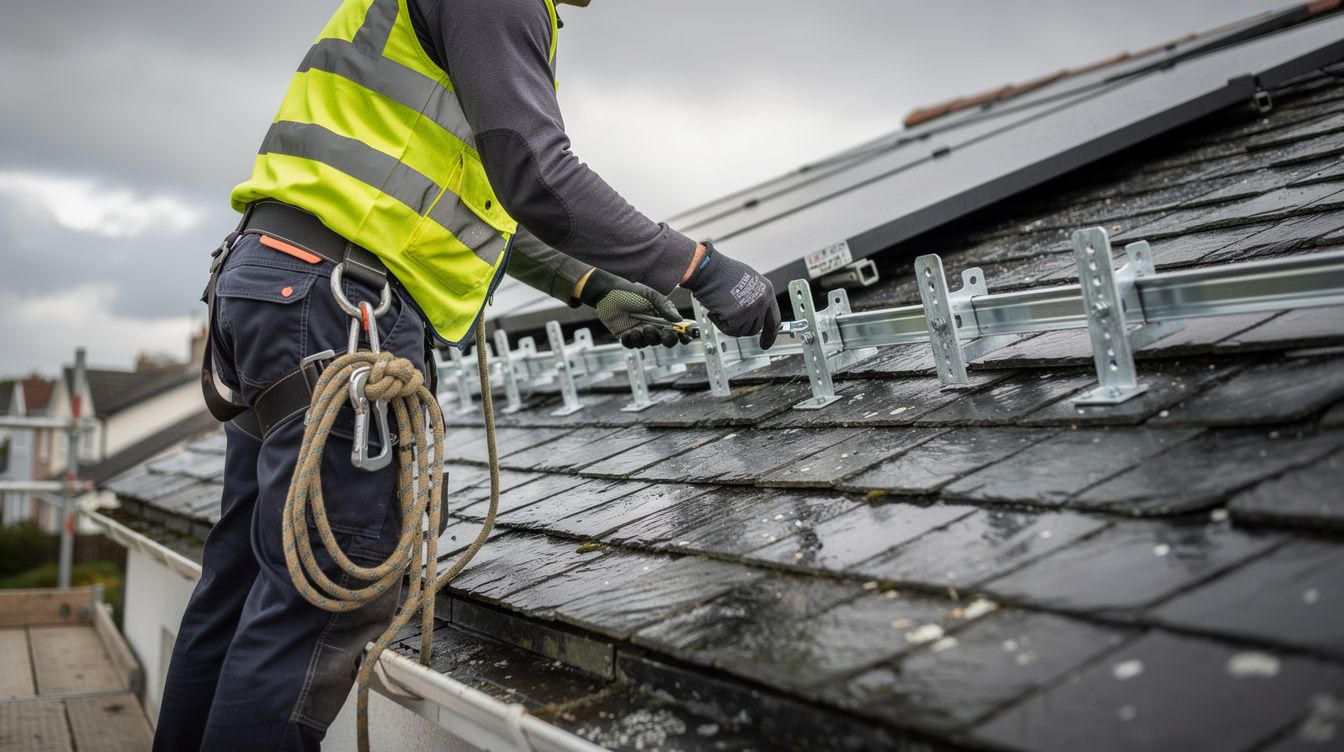
This is the standard route: you get quotes from 2–3 installers who supply, install, commission and warrant the full system. The price you pay includes the panels themselves, plus all the bits and pieces above, plus labour. Installers in Ireland typically source from European wholesalers (Apricus, Kingspan Solar, Viessmann, Vaillant, Sonnenkraft) rather than buying directly from Chinese manufacturers.
Pros: Single point of accountability, RGI/Plumbing Ireland registered tradespeople, full system warranty, proper commissioning so the glycol fluid is at the correct concentration and the controller is set up for Irish weather.
Cons: You pay an integrator margin on the hardware (typically 25–40% over wholesale).
For a list of installers operating across Ireland, see our SEAI-registered installer directory. Most PV-focused installers will also fit thermal, but a smaller subset specialise in solar thermal specifically — ask upfront whether thermal is something they do every week or once a year.
2. Specialist solar thermal distributors (DIY-friendly)
A handful of Irish and UK distributors will sell you the hardware components and have a friendly RGI plumber install them. This route only makes sense if you (or someone you know) is an experienced plumber willing to take on the install. Names you’ll come across in 2026: Plumb Center Ireland, Heatmerchants, Hevac, BSS Ireland.
Indicative wholesale hardware costs (4-person system, before labour):
- Flat-plate collector (4 m²): €1,400–€2,000
- Evacuated tube collector (30-tube): €1,700–€2,400
- Twin-coil 250L unvented cylinder: €900–€1,400
- Pump station + controller + expansion vessel: €500–€800
- Solar pipework + insulation + brackets: €250–€450
- Glycol fluid (40L): €150–€220
Total hardware: roughly €3,200–€5,300. Add an RGI plumber for 2–3 days at €600–€900 per day, plus electrical second-fix, and your DIY-route total comes to €5,000–€7,500 — not always cheaper than a turnkey installer once you factor in the time, scaffolding hire and risk.
3. Buying from outside Ireland (caution)
You will find evacuated-tube kits from Chinese suppliers on Alibaba and similar for €500–€1,500 delivered. Don’t. Most of these kits are designed for warm climates, use direct-flow water rather than glycol (will freeze and split in an Irish winter), come with no CE marking or warranty enforceable in Ireland, and use a thermosyphon design that doesn’t suit Irish roof pitches. The labour to retrofit one into an Irish plumbing system safely will cost more than the saving, and any future warranty claim is essentially impossible.
Avoid: Kits marketed as "pressurised" but shipped with direct-water (not glycol) circuits. These freeze in Irish winters and split the manifold, even if the tubes themselves survive. Always check the spec sheet says "indirect glycol circuit, freeze-protected to -25°C".
Top solar thermal brands sold in Ireland
You will almost certainly be quoted on one of these brands. Here’s a quick orientation so you know what you’re looking at:
| Brand | Type | Origin | Warranty | Notes |
|---|---|---|---|---|
| Kingspan Solar | Evacuated tube | Ireland (Cavan) | 10 years | Irish-made HP 400 heat-pipe collectors; widely stocked |
| Apricus | Evacuated tube | Australia (mfd China) | 10 years | Modular — 20/22/30 tube options; popular with IE installers |
| Viessmann Vitosol | Flat & tube | Germany | 10 years | Premium German-engineered; integrates with Vitocell cylinders |
| Sonnenkraft | Flat-plate | Austria | 10 years | Excellent flat-plate efficiency; complete kit packages |
| Vaillant auroTHERM | Flat-plate | Germany | 10 years | Strong boiler-integration story for hybrid systems |
| Joule | Both | Ireland (Cork) | 10 years | Irish-designed; cylinder & collector matched system |
Brand matters less than the installer’s familiarity with the brand. A Kingspan system installed badly will underperform a no-name kit installed well. Ask your installer how many systems of this exact brand they’ve fitted in the last 12 months. If the answer is "this would be my first," walk.
What about the SEAI grant for solar thermal?
This trips people up constantly, so let’s be clear: SEAI no longer offers a dedicated solar thermal grant. The €1,200 Solar Thermal grant under the Better Energy Homes scheme was withdrawn in February 2022 when SEAI shifted its focus to Solar PV under the Microgeneration Support Scheme. It has not returned in 2026.
What you can still claim, if relevant:
- SEAI Solar PV grant of up to €1,800 — for solar PV (electricity) systems, not thermal. Check eligibility here.
- One Stop Shop grants if your solar thermal is part of a deep retrofit including insulation and other measures. Solar thermal can count as a "supplementary measure" in a One Stop Shop project.
- Home Energy Upgrade Loan — low-interest finance (3.5–5%) for retrofit including solar thermal as part of a broader works package.
The withdrawal of the dedicated grant is the main reason solar thermal installations dropped roughly 80% in Ireland between 2021 and 2024. It’s also why most installers steer customers towards PV — that’s where the grant money still sits.
Not Sure Whether Thermal or PV Is Right for You?
Get a free quote from SEAI-registered installers who can price both options side by side.
What savings can I actually expect?
A correctly-sized 4 m² system should cover 50–65% of a 4-person home’s annual hot water demand in Ireland. Translating that into euros depends on what you currently heat water with:
| Current heating | Annual hot water spend | Solar thermal savings | Payback (on €6,000 install) |
|---|---|---|---|
| Oil boiler | €700–€900 | €420–€540/yr | 11–14 years |
| Gas boiler | €500–€700 | €300–€420/yr | 14–20 years |
| Electric immersion only | €900–€1,300 | €540–€780/yr | 8–11 years |
| LPG / solid fuel | €800–€1,100 | €480–€660/yr | 10–12 years |
The payback for solar thermal is meaningfully worse than for solar PV plus immersion diverter (5–8 years), which is why we keep nudging households towards PV first. But if your roof can’t fit PV, or you already have PV and want to push self-sufficiency further, the numbers above are realistic.
Installation timeline — from quote to hot water
Solar thermal is faster to install than PV — less electrical work, fewer parts. Realistic timeline from signing a contract:
- Site survey: 1–2 weeks after deposit. Installer measures the roof, checks pitch and orientation, inspects loft space and existing cylinder location.
- Lead time on equipment: 2–4 weeks for stock items, 6–10 weeks for special-order Viessmann / Vaillant kits.
- Scaffold erection: 1 day, usually the day before fit.
- Installation: 1–2 days for a standard install. Day one: collector and frame on roof, drop pipework through loft. Day two: cylinder swap, pump station, commission.
- Commissioning: Final day. System filled with glycol mix, pressure-tested, controller programmed, you’re shown how to read it. Sign-off paperwork.
- Scaffold removal: 1–3 days after sign-off.
Total from deposit to hot water: 4–12 weeks depending on equipment lead time.
Common pitfalls in 2026 quotes
Things to push back on when you’re comparing solar thermal quotes:
- "Single-coil cylinder will work fine." No, it won’t. You need a twin-coil cylinder so solar can heat the bottom coil and the boiler heats the top. If the quote keeps your existing single-coil cylinder, the system is half-baked.
- "Scaffolding is your responsibility." Solar thermal collectors are heavy and need proper scaffolding for safe install. Insist scaffolding is itemised in the quote, not added later as an extra.
- "You don’t need a glycol top-up service." Glycol degrades over 5–8 years and needs to be tested and replaced. Ask if the installer offers a service contract for €100–€180 every 5 years.
- "This will reduce your gas bill by 70%." No. Solar thermal covers 50–65% of hot water demand in Ireland. Anyone quoting higher is mis-selling.
- Mismatched cylinder and collector sizing. A 4 m² collector needs at least a 250L cylinder. If your installer pairs a big collector with a small cylinder, you’ll “boil over” on sunny days — the system will keep dumping heat through its overheat valve.
Frequently asked questions
Do solar thermal panels work in Irish winters?
Yes — but with reduced output. A typical 4 m² evacuated-tube system in Ireland produces roughly 60% of its annual output between April and September, and the remaining 40% across the rest of the year. November, December and January contribute maybe 5–8% combined. Your boiler still does most of the heavy lifting in deep winter; the panels carry summer almost entirely.
Will solar thermal panels freeze?
No, if the system is filled with glycol antifreeze (which all properly-installed Irish systems are). The glycol-water mix is rated to roughly -25°C, which is well below any Irish winter low. Direct-water kits (sometimes imported from China) will freeze and split. Don’t buy those.
How much roof space do I need?
For a 4-person household: roughly 4–5 m² of unshaded south-facing roof at a pitch between 30° and 60°. South-east or south-west aspects cost you about 10–15% annual output; pure east or pure west costs 20–25%. Anything north-facing is a non-starter for thermal.
Can I add solar thermal to my existing PV system?
Yes — they don’t conflict because they operate on different physics (heat vs electricity). The catch is roof space. Most Irish homes that already have a 4–6 kW PV array don’t have a contiguous 4 m² south-facing strip left. Check your existing layout before getting a thermal quote.
How long does a solar thermal system last?
The collector itself: 20–25 years for evacuated tubes (tubes can be replaced individually if one breaks), 25–30 years for flat-plate. The pump and controller: 10–15 years. The cylinder: 15–25 years. Glycol needs replacing every 5–8 years (€120–€180 service call). Total system life: 20+ years with one mid-life pump replacement.
Do I need planning permission?
No, for almost all residential installations. The 2022 amendments to the Planning & Development Regulations exempted rooftop solar (thermal and PV) from planning for almost all houses, including ones not previously exempt. There are still restrictions for protected structures and Architectural Conservation Areas — check with your local authority if either applies. For everyone else, planning is no longer a barrier.
Ready to Get Started?
Compare solar thermal (or PV) quotes from SEAI-registered installers in your county. Free, no commitment.
The bottom line
Solar thermal panels in Ireland in 2026 are a niche but valid choice: best for tight-roof households heating hot water with expensive fuel (electric immersion or oil), or as a layer on top of an existing PV system. Expect to pay €4,500–€7,500 fully fitted, with evacuated-tube collectors giving the best output in Irish conditions. There’s no SEAI grant for thermal alone, so the maths is harder than it was pre-2022.
For most homeowners, solar PV plus an immersion diverter is the better-economy choice in 2026 — you get the €1,800 grant, export tariff on surplus, and free hot water as a side effect. But if your roof, budget or use-case fits, thermal is still a 20-year asset that quietly cuts your hot water bill in half.
Either way, the answer starts with three quotes from registered Irish installers. Get yours here.
Related Articles
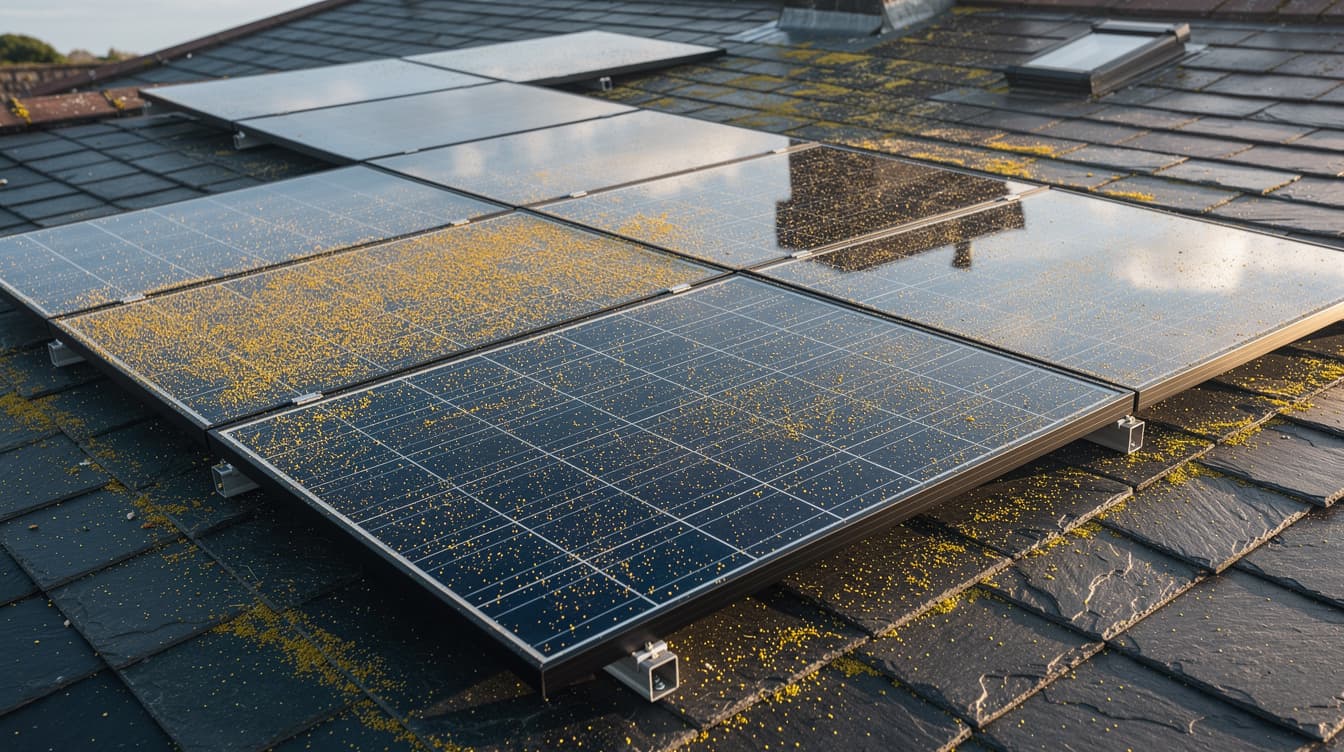
Solar Panel Maintenance Cost Ireland 2026: 25-Year Ownership Budget
Real 2026 prices for cleaning, inverter replacement, battery degradation, insurance and repairs. The honest 25-year ownership cost of solar panels in Ireland.
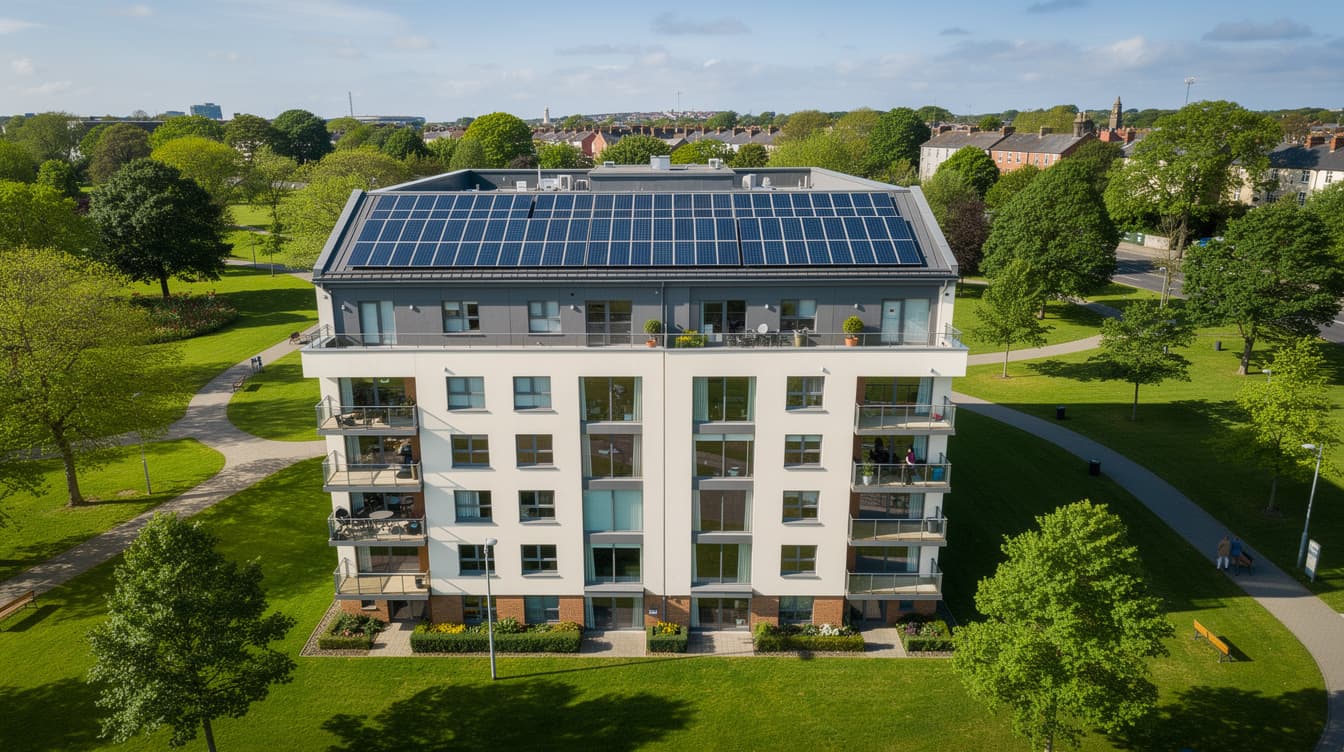
Solar Panels for Apartments Ireland 2026: OMC Rooftop, Balcony Plug-In & Portable Routes
Three legal routes for apartment solar in Ireland: OMC-led shared rooftop (grant-eligible), balcony plug-in via Safe Electric, and off-grid portable battery stations.
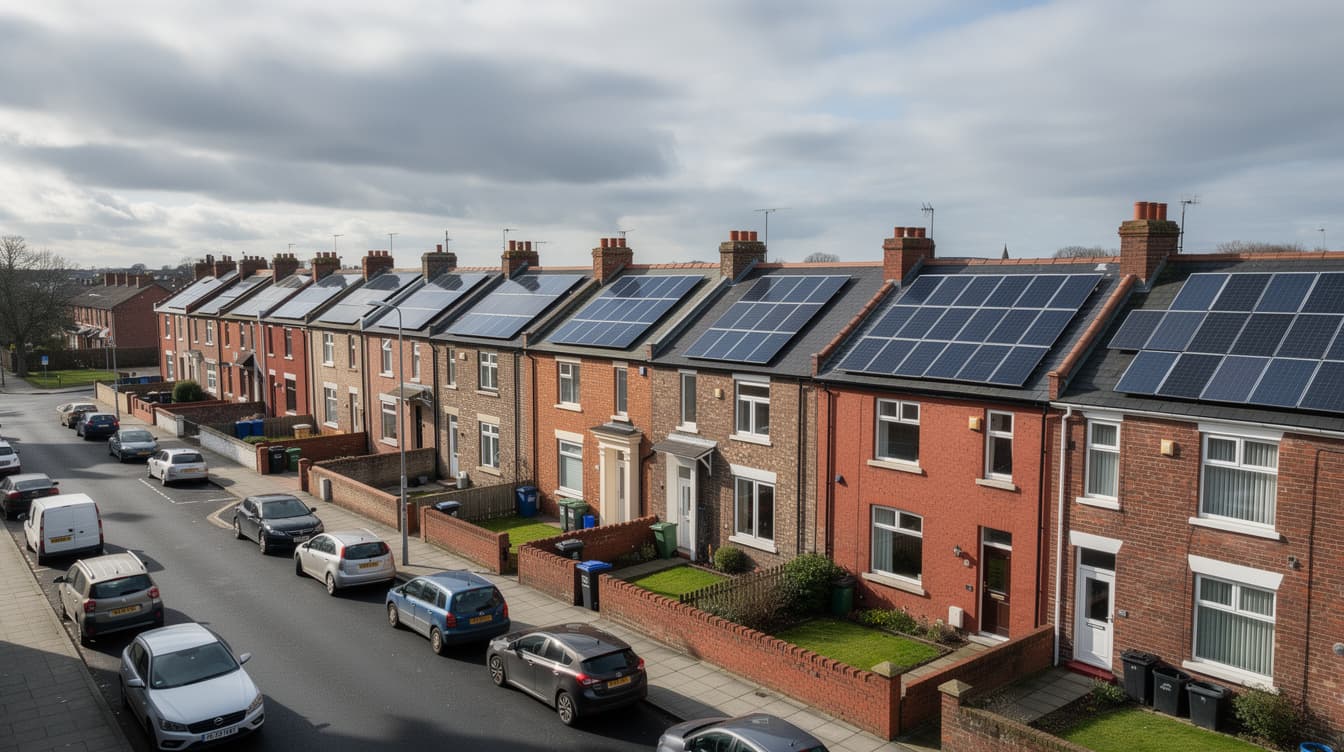
Solar Panels for Landlords Ireland 2026: BER Compliance, RPZ Reset & Tax Treatment
Full 2026 landlord guide: BER D2/C1/B2 timeline, RPZ market-rent reset rules, retrofit tax deduction up to €10,000, capital allowances, real install costs.