
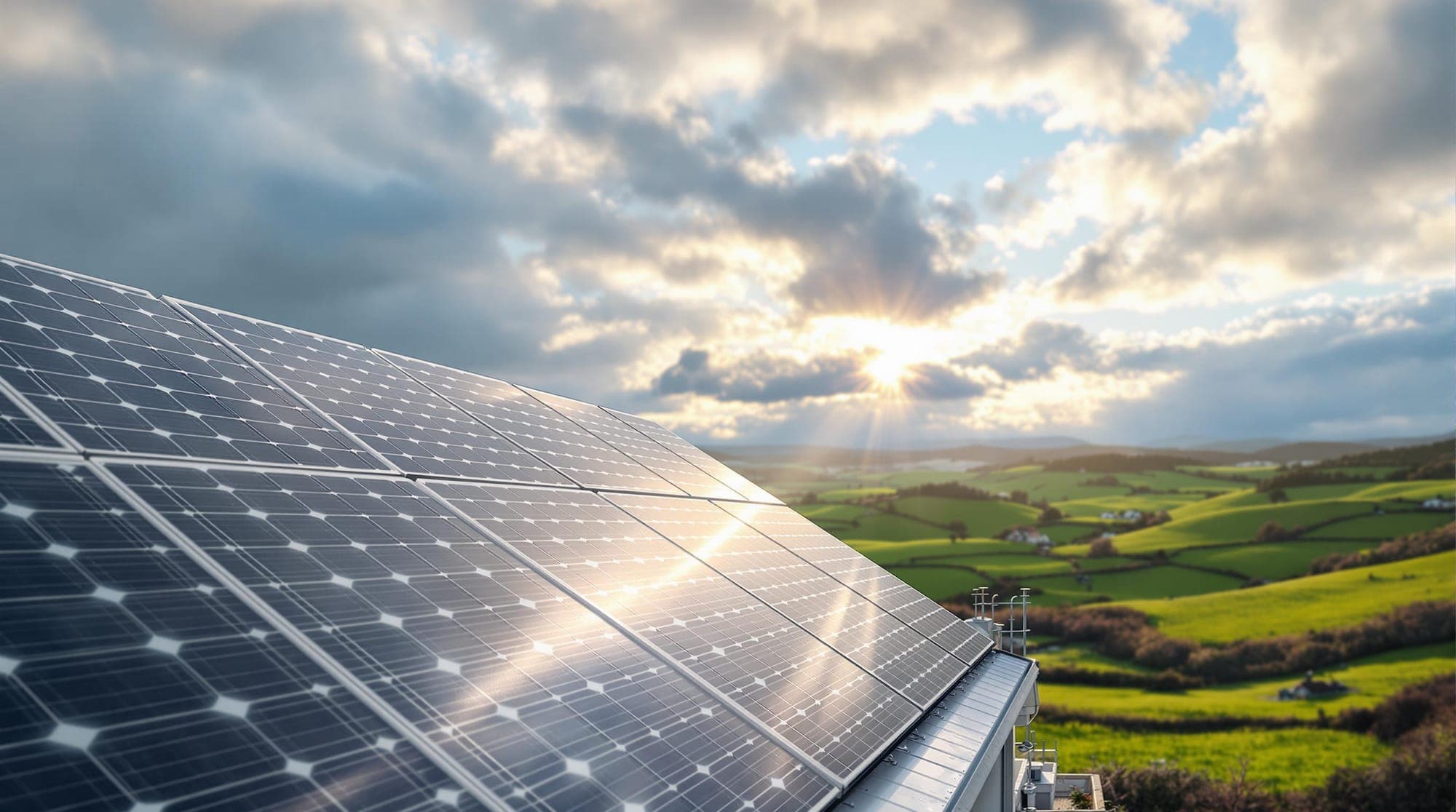
Study: Solar Metrics for Irish Winters
Did you know? Solar panels in Ireland still perform well during winter, producing 2-3 kWh per day per kWp installed, even with shorter daylight hours and cloudy skies. This accounts for 25% of annual energy output.
Key Winter Solar Insights:
- Daily Output in December: ~0.8 kWh/kWp
- Efficiency in Low-Light: 80-100% due to cooler temperatures
- Diffuse Light Capture: Modern panels generate 20-30% of their output on overcast days
- Annual Average Production: 850 kWh/kWp
- Winter Efficiency: 40-50% of peak seasonal performance
Technologies That Boost Winter Performance:
- Monocrystalline PERC Cells: 19-22% efficiency in low-light
- Bifacial Panels: Add 15-20% extra energy by using reflected light
- Smart Inverters: Improve output by 10-15% in shaded areas
Setup Tips for Winter:
- Panel Tilt: 35-45° south-facing; a slight 10° westward shift helps extend afternoon output
- Snow Management: Steeper angles (35-40°) prevent snow buildup
With these configurations, Irish solar systems can cover 40-50% of winter energy needs, offering savings of over €120 per season for optimized setups.
Solar Panels in Ireland - Everything you Need to Know
Winter Solar Output in Ireland
Modern solar systems in Ireland continue to produce energy during the winter months, even with the country's often cloudy and damp climate. These seasonal production patterns play a key role in shaping recommendations for winter-specific setups.
Winter Production Numbers
From October to February, Irish solar systems typically generate 2-3 kWh per day for every kilowatt-peak (kWp) installed. This accounts for roughly 25% of the system's yearly output, compared to summer months, which see daily production levels of 5-6 kWh per kWp. On average, a well-optimized home solar installation in Ireland produces 850 kWh per kWp annually.
Interestingly, urban solar setups often outperform rural ones during winter. This is largely due to reduced shading from trees in urban environments.
Winter Performance Factors
Several advancements in solar technology contribute to the better-than-expected performance of solar panels during Irish winters. Panels designed with specific features for low-light and cold conditions are especially effective:
| Technology Feature | How It Helps |
|---|---|
| Anti-reflective Coatings | Improves energy capture during dawn and dusk |
| Bifacial Panels | Adds 15-20% extra output by utilizing reflected light |
Occasionally, snow can boost energy production by reflecting sunlight onto the panels. However, snow rarely lingers on Irish panels, as most are installed at a 35-40° angle, which naturally allows snow to slide off.
Thanks to these technologies and natural conditions, Irish solar systems maintain 40-50% of their peak seasonal efficiency during the winter months.
Setting Up Solar Panels for Winter
Getting the most out of solar panels during Irish winters means focusing on the right positioning and technology. These winter-specific adjustments take advantage of Ireland's climate and the cold-optimized panel efficiency mentioned earlier.
Panel Angle and Direction Setup
Studies show that a 44° south-facing tilt is ideal for maximizing energy production throughout the year. For winter, adding a slight 10° westward shift can help extend energy output during the afternoon. This setup supports the observed daily winter output of 0.8 kWh per kWp.
| Orientation Factor | Impact on Winter Performance |
|---|---|
| Fixed Tilt (Year-Round) | 44° tilt provides optimal results |
| Winter Tilt Adjustment | Between 35° and 45° works best |
| Directional Offset | 10° west of south boosts output |
Best Solar Technology for Irish Winters
Certain technologies excel in Ireland's winter conditions, ensuring better performance even in low-light and damp weather:
- Monocrystalline PERC Cells: These cells deliver 19-22% efficiency in low-light, outperforming older polycrystalline panels, which only reach 15-17%.
- Smart Inverter Systems: Micro-inverters can improve energy production by 10-15% in shaded areas. Pairing smart inverters with Tesla Powerwall systems ensures that 80% of household energy needs are met, even when temperatures drop to 0°C.
- Enhanced Panel Surfaces: Panels with water-repellent coatings prevent ice buildup, which is especially useful in Ireland's damp winter conditions.
While these upgrades may add €800-1,200 to the initial cost, they help speed up the return on investment by about five years. Plus, the consistent winter output contributes to the CO2 reduction benefits discussed later.
Cost and Energy Savings in Winter
CO2 Reduction Results
Irish solar systems, tailored for winter performance, deliver measurable environmental benefits. For example, a standard 4kWp system can reduce CO2 emissions by 340kg during winter months. This translates to a 15-20% drop in household electricity-related emissions for the season.
The level of CO2 reduction depends on the system's configuration:
| System Setup | Winter CO2 Reduction |
|---|---|
| Standard 4kWp Installation | 340kg CO2 per winter |
| With Micro-inverters | Up to 25% more reduction |
Energy Bill Savings
These environmental benefits go hand-in-hand with financial savings. A typical 4kWp system, producing around 212kWh during winter, demonstrates strong performance across Ireland. For instance, a Cork household with a 6kWp system and battery storage saw a 42% drop in December electricity bills. Similarly, a Dublin retrofit project reported €78 in monthly savings during winter.
The financial perks come from several sources:
- Direct consumption savings: €63-75
- Export earnings: €35-50 through SEG payments (Ireland's solar energy buyback program)
- Winter export tariffs: Up to €0.29/kWh
"Winter exports combined with direct consumption can exceed €120 savings in optimized systems", according to industry analysis.
Get Solar Panels: Irish Solar Installation Guide
Get Solar Panels specializes in solar installations across Ireland, tailored to handle the challenges of Irish winters. Their certified technicians use configurations designed to keep systems running efficiently, even during the darker months.
Here's how they optimize solar systems for winter:
| System Component | Winter Performance Features |
|---|---|
| Snow-Shedding Frames | 35° tilt helps prevent snow from piling up |
| Tesla Powerwall Integration | Stores energy to extend usage during short daylight hours |
These features are based on cold-weather technologies discussed earlier. Installation is carefully planned to maximize sunlight capture, with panels positioned to maintain a 0.5-meter ground clearance for effective snow shedding.
Real-world examples highlight their success. A farm in Kildare achieved a daily output of 1.14kWh per kW with a steep 66° winter tilt. Meanwhile, a home in Macroom reached 2.21kWh per kW using bifacial panels.
To further support winter performance, Get Solar Panels offers:
- Remote monitoring systems to track efficiency
- Post-storm debris removal to keep panels clear
- Performance guarantees, ensuring systems maintain at least 85% efficiency during winter
Their frost-resistant panel spacing and durable cold-weather adhesives ensure reliable performance, even in harsh Irish winters.
Summary: Winter Solar Panel Success in Ireland
Irish solar installations perform surprisingly well during the winter months, thanks to the country's unique climate. These conditions, combined with advancements in solar technology, make solar energy a practical option even in the colder season.
A standard 4kW solar system can cover 40-50% of winter energy needs, offering notable savings, especially during peak pricing periods when rates can be up to 25% higher. This underscores the financial benefits of solar, even during the less sunny months.
To get the best winter performance, south-facing panels installed at a 35-45° tilt are recommended. This setup ensures a good balance for energy production throughout the year while keeping winter output strong.
Companies like Get Solar Panels use these proven configurations to achieve up to 85% efficiency during winter. This efficiency translates into savings of over €120 during the season for well-optimized systems.
Ready to Go Solar?
Get your free personalised quote from SEAI-registered installers.
Related Blog Posts
Related Articles
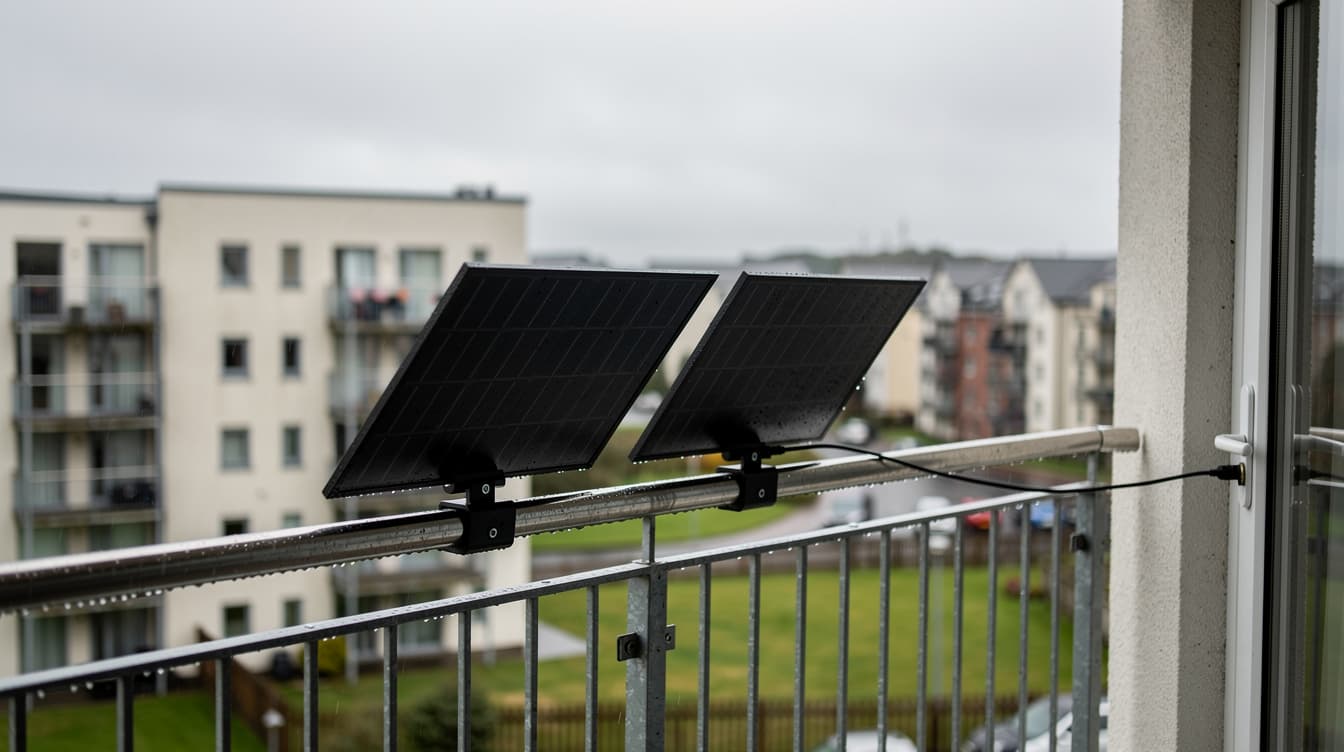
Best Plug-In Solar Panel Kits Ireland 2026: 5 Kits Compared (EcoFlow, Anker, Hoymiles & More)
Compare the 5 best plug-in solar kits for Ireland in 2026. EcoFlow, Anker, Zendure, Hoymiles & Robinsun — prices from €300, legal requirements, real savings.
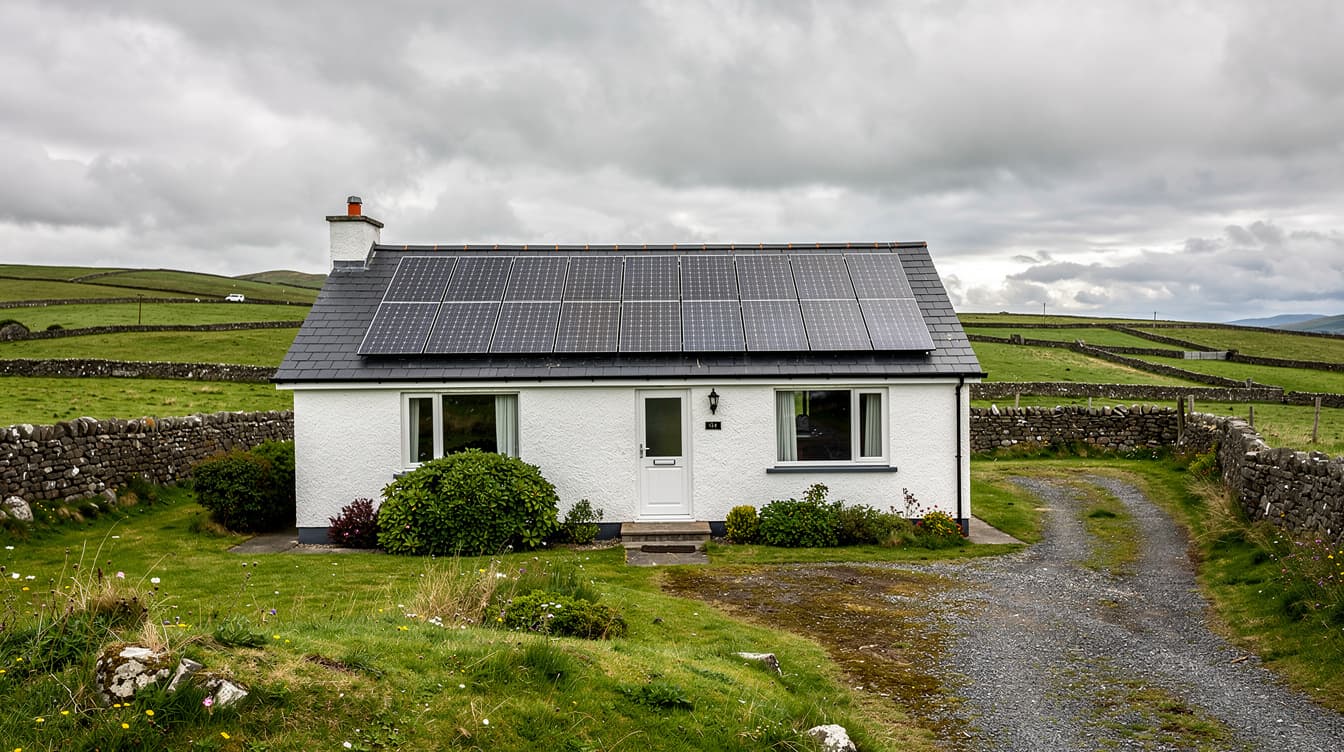
Solar Panels for a Bungalow in Ireland 2026: Costs, Roof Space & Why Bungalows Are Ideal
Irish bungalows are ideal for solar. A 4 kWp system costs €4,000–5,000 after SEAI grant, saves €730–1,360/yr. Full cost breakdown for 2–4 bed bungalows.
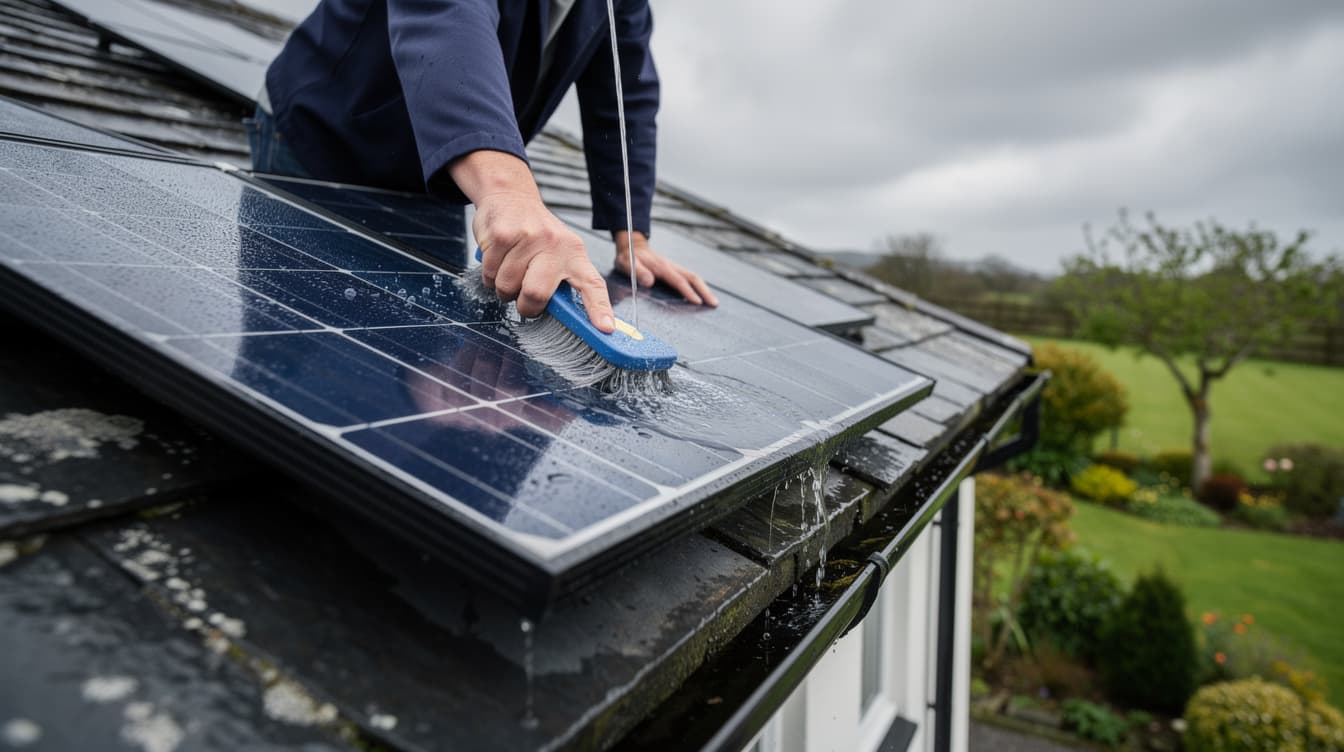
Solar Panel Maintenance & Cleaning Ireland 2026: The Complete Annual Guide
How to maintain solar panels in Ireland: annual cleaning schedule, DIY vs professional service costs, common problems and when to call your installer.