
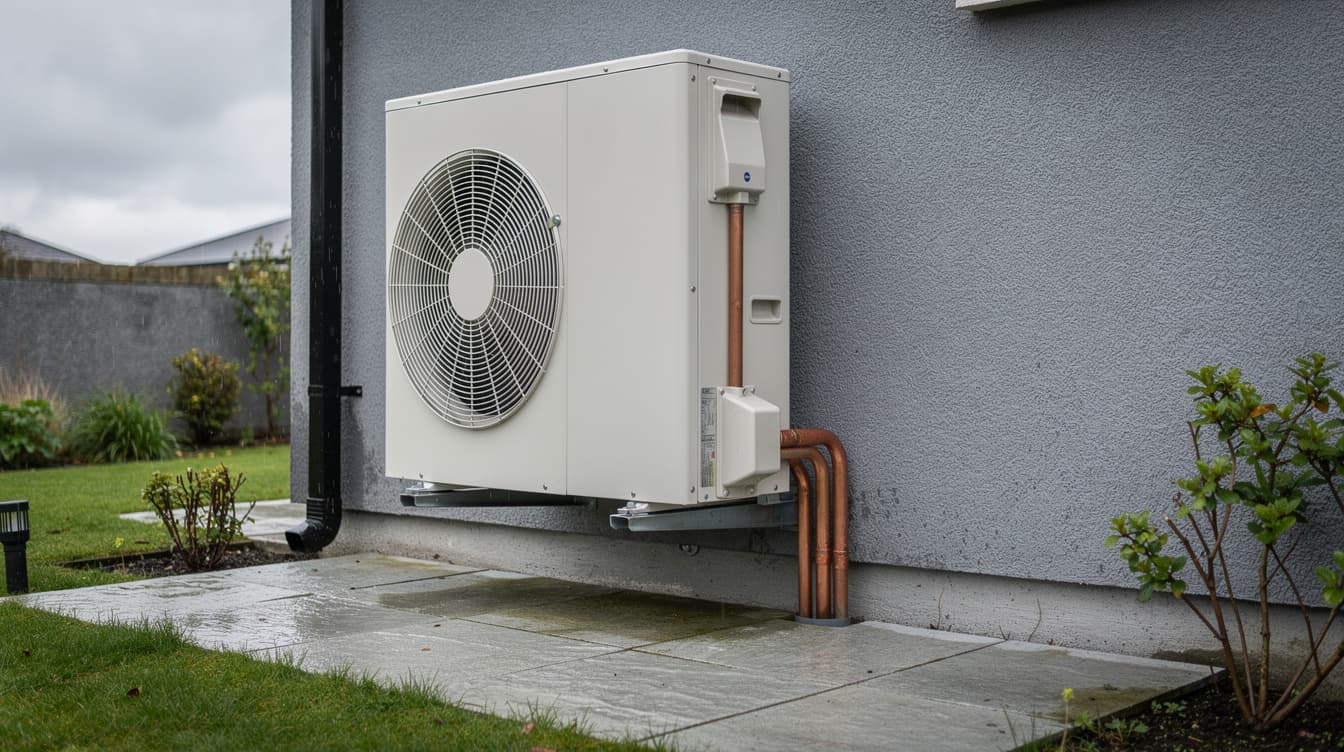
Air to Water Heat Pump Cost Ireland 2026: Real Installer Prices & Running Costs
"How much does an air to water heat pump actually cost in Ireland?" is the question installers dance around. You'll see €6,000 on a Reddit thread, €12,000 on a price-comparison site, and €25,000 in a quote sitting on your kitchen counter. All three numbers can be correct — they just describe completely different situations.
This guide is the honest answer: real 2026 installer pricing in Ireland, what's actually included at each price band, what the hidden extras look like, and what an air-to-water heat pump costs to run once it's in. If you want a broader overview of how the technology works and which brands lead, read our Air to Water Heat Pumps Ireland 2026 guide first. This article is for the moment when you're trying to decide whether the quote on your table is fair.
Updated June 2026 — What’s Changed Mid-Year
SEAI grant unchanged at €6,500 (plus €200 toward the technical assessment). The grant is still cash-on-completion via your installer, not a tax credit.
Reduced 9% VAT on heat pump equipment is confirmed for all of 2026 — baked into the gross prices in this guide.
Standard electricity rates have eased to ~28–32c/kWh for most Irish suppliers (down from ~34c/kWh in late 2024). Night-rate tariffs (Electric Ireland Smart Night, Bord Gáis Smart Drive, Pinergy) now run at 12–15c/kWh for 4–6 hour overnight windows — meaningful for heat pumps with buffer cylinders and time-shifted DHW.
Average heat pump retrofit lead times are 6–9 weeks in mid-2026 (down from 10–14 weeks in early 2025) as the SEAI-registered installer base has expanded. Most reputable installers can survey within 2 weeks and install within 8.
Mid-2026 Snapshot: Is Now a Good Time to Buy?
Short answer: yes, especially if you’re currently on oil. The combination of stable €6,500 grants, 9% VAT on equipment, easing electricity prices, and shorter installer queues makes mid-2026 a more buyer-friendly window than at any point in the last three years. A few specifics worth knowing right now:
- Oil-to-heat-pump switching is at peak economic favour. Heating oil sits at ~€1.05–€1.18/litre in June 2026. A 3-bed home using 2,500 L/yr is paying €2,600–€2,950 in oil alone. The equivalent heat pump on a smart-night tariff runs €620–€980/yr — a €1,600–€2,300 annual saving before solar PV.
- Gas-to-heat-pump is more marginal. Gas is currently ~7–8c/kWh net of standing charges, which gives a heat pump on standard electricity tariffs roughly the same operating cost. The argument for switching is BER uplift, carbon, and future-proofing — not immediate cashflow.
- Heat pumps stacked with solar PV are the dominant 2026 build pattern. ~38% of SEAI heat pump grant recipients in Q1 2026 also held an SEAI solar PV grant within the previous 18 months — up from ~22% two years earlier. The combined install pulls running costs to €400–€700/yr on most homes.
- Watch for the “cash deal” trap. A small number of operators are offering “cash discount” pricing below the SEAI grant amount — effectively asking you to forfeit the €6,500 grant in exchange for a €3,000–€4,000 cheaper install price. Always less favourable than the grant route. SEAI registration is the litmus test.
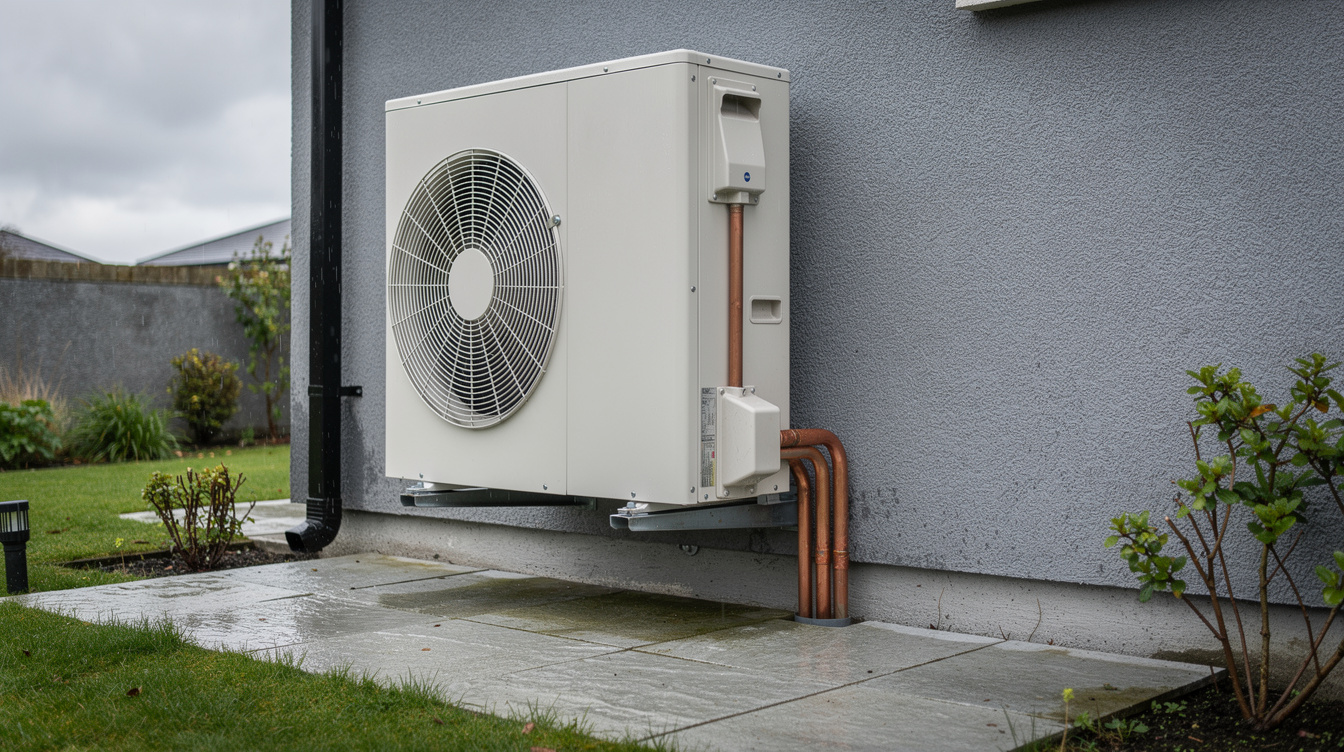
The Real Numbers: 2026 Installer Prices in Ireland
Here's what installers across Ireland are actually charging for fully installed, SEAI-grant-eligible air-to-water heat pump systems in 2026:
| System Type | Typical Home | Heat Pump Size | Gross Cost (Installed) | After SEAI Grant |
|---|---|---|---|---|
| Basic replacement | 2–3 bed semi, well insulated | 5–7 kW | €13,000–16,000 | €6,500–9,500 |
| Standard retrofit | 3–4 bed detached, moderate insulation | 8–12 kW | €16,000–22,000 | €9,500–15,500 |
| Premium retrofit | 4–5 bed, with new radiators & cylinder | 10–16 kW | €22,000–28,000 | €15,500–21,500 |
| Deep retrofit (incl. UFH) | Older home, full system overhaul | 10–14 kW | €28,000–40,000+ | €21,500–33,500 |
| New build (BER A2+) | Spec'd in from day one | 5–8 kW | €11,000–15,000 | n/a (no SEAI HP grant on new builds) |
The SEAI heat pump grant is €6,500 in 2026, with an additional €200 for the technical assessment. You only get it if (a) you're not in a new build, (b) your home's heat-loss assessment shows the heat pump can heat it properly, and (c) the installer is SEAI-registered.
The numbers above are everything included — equipment, install, commissioning, BER-compliant insulation work that's sometimes required to qualify, plus VAT. They are not the €6,000 "heat pump only" prices you'll see on supplier websites. Those don't include installation, pipework, electrical work, cylinder, or any of the other things you actually need.
What's Actually In the Price: A Real Breakdown
An installer quoting €18,000 for a "standard heat pump" is selling you eight or nine different things bundled into one number. Here's what each line item costs roughly in 2026:
| Item | Typical Cost | What it Is |
|---|---|---|
| Outdoor heat pump unit (5–12 kW) | €4,500–8,500 | The compressor and fan unit. Mitsubishi, Daikin, Samsung, Panasonic, Grant, Nibe range here. |
| Indoor hydraulic unit / controls | €800–2,000 | The wall-mounted control box that interfaces with the cylinder and circulation pump. |
| Hot water cylinder (200–300 L, heat-pump rated) | €1,200–2,500 | Larger and better insulated than a gas-boiler cylinder. Usually required. |
| Installation labour (2–4 days) | €2,500–4,500 | Two-person team for pipework, electrical, commissioning. Higher in Dublin/Wicklow. |
| Electrical upgrade work | €500–1,500 | Dedicated circuit from consumer unit, RCBO, potentially upgraded supply. |
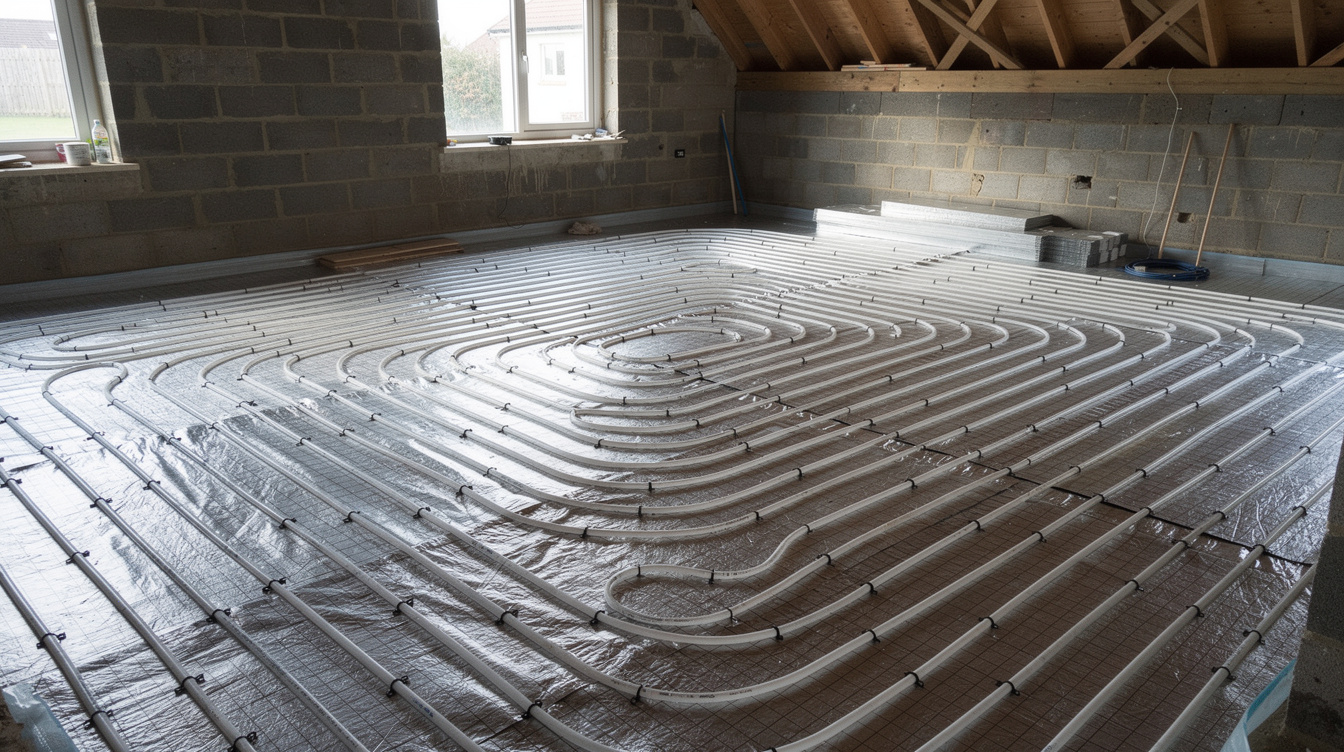
| Radiator upgrades (if needed) | €1,500–5,000 | Heat pumps run lower-temperature water (35–50 °C). Existing rads may need upsizing. |
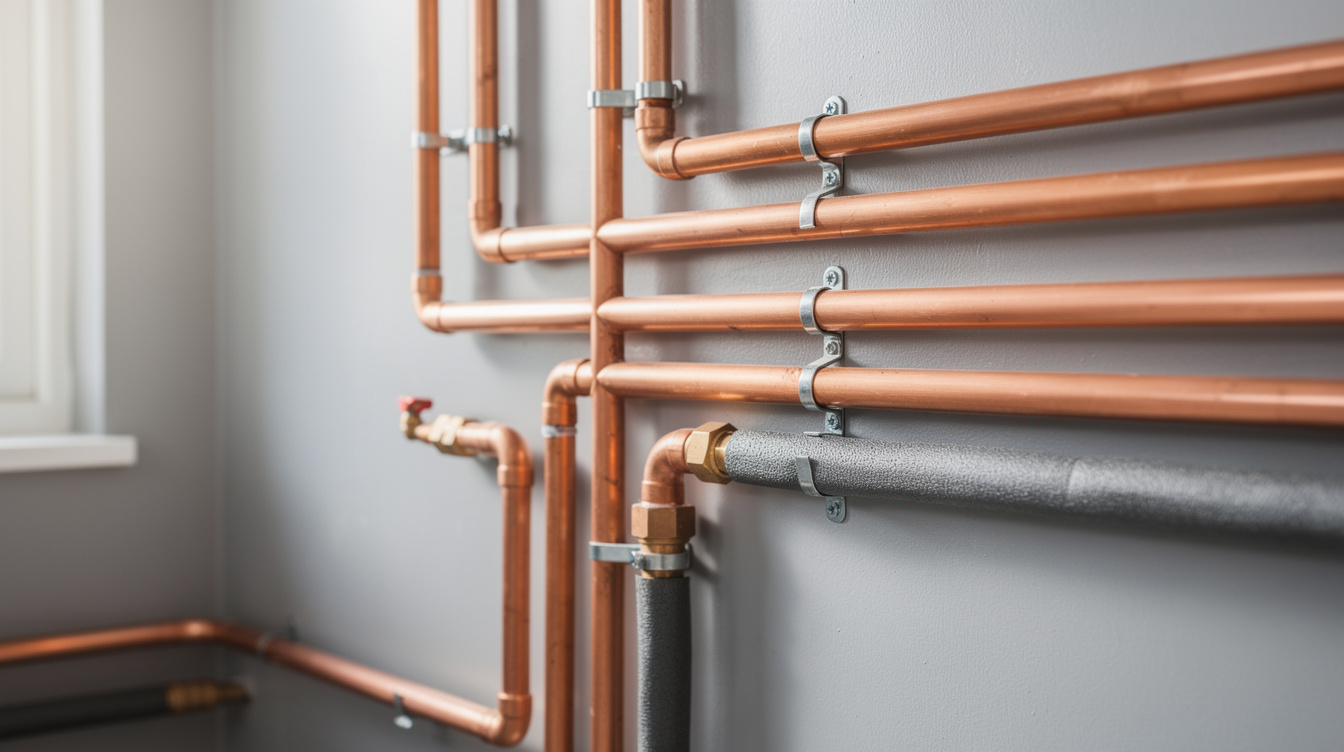
| Pipework, fittings, insulation | €800–1,800 | Copper, brass fittings, lagged pipework runs between units. |
| SEAI technical assessment | €400–600 | Mandatory heat-loss survey (HLI). €200 grant reduces net cost. |
| VAT | 13.5% on labour, 9% on heat pump itself (2026) | Heat pump VAT was reduced to 9% in 2024 to encourage adoption. |
Add it up and you'll land between roughly €13,500 and €22,000 for a standard install — matching the table above. Anything materially below €12,000 either omits one of these line items, uses lower-quality equipment, or is a misquoted job that the installer will later "find" extras on.
The Five Hidden Costs Quotes Routinely Miss
These are the items that turn a €15,000 quote into a €19,000 final bill. Ask about every one of them before you sign.
- BER-compliant insulation top-ups. SEAI requires a minimum heat-loss indicator (HLI) before granting. If your attic insulation, wall cavity, or windows fail the threshold, you'll need to address them first — sometimes €3,000–8,000 of extra work. The HLI survey will tell you. Some installers don't mention this until after the deposit.
- Radiator resizing. A heat pump operates best when the radiators are sized for low-temperature water (35–50 °C output, not the 70 °C a gas boiler uses). If your existing rads were sized for high-temperature, expect to replace at least the ones in the biggest rooms. Budget €200–400 per replaced radiator.
- Cylinder replacement. If you have an immersion-only cylinder or a small gas-fired one, you'll need a larger heat-pump-rated cylinder (typically 200–300 L) with proper insulation and a heat-pump-compatible coil. Sometimes bundled, sometimes not.
- Plinth / mounting / outdoor unit siting. The outdoor unit needs a level concrete plinth or wall bracket, ideally with vibration isolation. If your installer assumes you have a perfect spot ready, you may get a separate €300–800 builder's-work invoice.
- Electrical supply upgrade. Older Irish homes (pre-1990) often have 12 kVA or smaller supplies. A heat pump plus EV charging plus solar feed-in can push you toward an ESB upgrade. ESB upgrades range from free (if it's just a meter swap) to €1,500+ (if it's a service-cable upgrade). Confirm before installing.
What It Costs to Run: 2026 Electricity-Price Reality
Capital cost is half the question. Running cost is the other half — and it's where heat pumps either pay off or disappoint, depending heavily on your home's insulation and your electricity tariff.
A modern air-to-water heat pump in Ireland delivers a real-world Seasonal Coefficient of Performance (SCOP) of 3.0 to 4.0. That means for every 1 kWh of electricity it consumes, it delivers 3.0–4.0 kWh of heat. Older models or badly-sized ones can drop to 2.5; very well-installed ones in well-insulated homes reach 4.2–4.5.
To run the numbers for a typical 3-bed Irish home:
| Metric | Value | Note |
|---|---|---|
| Annual heat demand (space + DHW) | 12,000–18,000 kWh | Depends heavily on BER. C/D rated home = top of range. |
| Heat pump SCOP | 3.5 | Reasonable real-world figure for a well-installed unit. |
| Electricity consumed | 3,400–5,100 kWh/yr | 12,000÷3.5 to 18,000÷3.5 |
| Standard tariff (~€0.30/kWh) | €1,020–1,530/yr | If you run on standard rates only. |
| Smart night-rate (~€0.18/kWh blended) | €610–920/yr | If you load-shift DHW + buffer to night hours. |
| With solar PV self-supply | €400–700/yr | PV covers a meaningful share of shoulder-season demand. |
For comparison, a 3-bed home heated by oil typically costs €1,800–2,600/yr to heat at 2026 oil prices; a gas-boiler home around €1,400–2,000/yr. So a heat pump on a smart tariff genuinely costs less to run — but only if the home is insulated well enough that the heat demand is in the right range and the SCOP holds up.
Where it goes wrong: poorly-insulated home + cheapest installer + standard tariff. Then you can see €1,800–2,200/yr running costs, which is no better than the gas boiler you replaced.
Considering Solar + Heat Pump?
Combining the two cuts running costs further. Get quotes from installers who do both.
Total Cost of Ownership: 15-Year Maths
Headline install price is misleading on its own — what matters is total cost of ownership over the asset's life. Air-to-water heat pumps typically last 15–20 years before major component replacement.
Take a standard retrofit at €18,000 gross / €11,500 net of grant, vs an oil boiler replacement at €5,000 fitted:
| Cost Component | Heat Pump | Oil Boiler |
|---|---|---|
| Install (net of grants) | €11,500 | €5,000 |
| Annual running cost (smart tariff) | €780 | €2,200 |
| 15-year running cost (no inflation) | €11,700 | €33,000 |
| Annual maintenance/service | €180×15 = €2,700 | €130×15 = €1,950 |
| 15-year total | €25,900 | €39,950 |
That's a roughly €14,000 saving over 15 years, which translates to break-even at year 8–9 in this scenario. With energy-price inflation built in (oil up faster than electricity), the break-even moves to year 6–7.
The maths only works if (a) your home is insulated well enough that the SCOP holds, (b) you switch to a smart tariff, and (c) you size the unit properly. Get any one of those wrong and the 15-year cost can go up rather than down.
What Drives the €6,000 Gap Between Cheapest and Dearest Quote
If you get three quotes for the same job, expect a spread of €4,000–7,000. Here's what's actually different between a €14,000 quote and a €20,000 quote:
- Heat pump brand and inverter type. A Mitsubishi Ecodan or Daikin Altherma R32 inverter unit will be €1,500–2,500 more than an entry-level Chinese or budget European unit. Quieter, longer-warrantied, better low-temperature performance.
- Cylinder grade. A premium stainless cylinder with double coils is €800–1,500 more than a basic enamel one. Lasts 20+ years vs 10–15.
- Radiator upgrades included. The cheaper quote often excludes radiator sizing work, leaving you to deal with cold rooms later.
- Quality of pipework / fittings. Press fittings vs soldered; full insulation lagging vs minimum compliance.
- Two-person vs solo install. Cheaper installers send one person, taking 4 days instead of 2. Means more downtime for you and more chance of details missed.
- Aftercare. Premium installers include 12–24 months of free service visits, monitoring, and tuning. Cheap installers commission and leave.
The right answer is rarely the cheapest quote and rarely the dearest. Look at the middle quote, then ask the cheap and dear ones to explain the gap. The honest installer will be able to show you the line items.
FAQ
How much does an air to water heat pump cost in Ireland in 2026?
Fully installed, between €13,000 and €28,000 depending on home size and condition. After the €6,500 SEAI grant, that's typically €6,500–21,500 net. The most common 3–4 bed retrofit lands around €17,000 gross / €10,500 net.
What's the cheapest air to water heat pump I should consider?
Budget brands (Mitsubishi MR Slim, Samsung EHS Mono, Panasonic Aquarea T-Cap base models, Grant Aerona3) deliver 7–10 kW units in the €4,500–6,000 supply-only band. Anything cheaper than that for a brand-name unit suggests a clearance model or a parallel-import warranty risk.
Does the SEAI grant cover the full cost?
No. The €6,500 heat pump grant + €200 technical assessment grant covers roughly 30–45% of a standard install. The rest is on you. Some One-Stop-Shop deep-retrofit packages combine multiple grants and can reach 50%+ coverage.
How long until a heat pump pays for itself?
Compared to oil heating: typically 6–9 years on a smart tariff. Compared to gas: 10–14 years. Compared to a brand-new gas boiler in a well-insulated home: it may never pay back purely on running cost — the case becomes about carbon, future fuel security, and BER value.
Is the heat pump VAT really 9%?
Yes — the standalone heat pump unit attracts 9% VAT (reduced rate, in place since 2024). Installation labour and pipework remain at 13.5%. The blended VAT on a typical install averages around 11%.
Can I get a heat pump if my home is BER D or worse?
You can install one, but SEAI grant eligibility depends on passing the heat-loss indicator (HLI) threshold — usually achievable only at BER C2 or better. Insulation upgrades are often required first, and SEAI offers stacked grants for both. Expect to spend €5,000–15,000 on insulation work before the heat pump if you're starting from a D rating.
What's the cost difference if I get heat pump and solar PV together?
Roughly €9,000–13,000 extra for solar + battery on top of the heat pump install. Combined system gross cost lands around €26,000–36,000; net (after grants) around €18,000–28,000. The combination genuinely cuts running costs to €400–700/yr in well-set-up homes — see our guide on heat pumps and solar panels together.
Get Real Heat Pump Quotes
Compare SEAI-registered installers and see real prices for your home.
The Bottom Line
An air-to-water heat pump in Ireland in 2026 costs roughly €17,000 gross / €10,500 net of grant for a typical 3–4 bed retrofit, and roughly €780/yr to run on a smart tariff in a properly-insulated home. The numbers move fast outside those bands — cheaper for new builds and small well-insulated semis, dearer if radiators and insulation need upgrading.
The trap to avoid is treating the headline price as the answer. The cheapest quote often excludes the things that make the difference between a heat pump that saves you €1,400/yr and one that saves you €200/yr. Insulation, radiator sizing, cylinder quality, and a reputable installer matter more than shaving €1,500 off the up-front cost.
Get three quotes, ask each one to itemise the eight components above, and the right answer usually emerges from the middle of the pack.
Related Articles
Vacant Property Refurbishment Grant + Solar Ireland 2026: How to Stack €50k VPRG With €1,800 SEAI
Stack the €50,000 Vacant Property Refurbishment Grant with the €1,800 SEAI Solar PV grant in Ireland 2026 — real refurb numbers, timing, traps.

Solar Panels on Slate Roofs Ireland 2026: Real Costs, Fixings, Broken Slates & Which Roofs Say No
Solar on slate in Ireland 2026: real €6,560 net 4kW quote, under-slate hook vs hanger bolts, broken slate rules and which roofs get a no.
4kW Solar System Cost Ireland 2026: Real Prices, Output & Payback
Real 2026 Irish 4kW quotes (€7,210 gross, €5,410 net after €1,800 SEAI grant), 3,600–4,200 kWh/yr output, 4.8yr payback and when 4kW beats 3kW or 5kW.