Can You Install Solar Panels Yourself in Ireland? (2026 DIY Reality Check)
Type "can I install solar panels myself" into Google and you'll find a thousand confident YouTube videos showing someone bolt panels to a roof in an afternoon. What those videos almost never tell you is that doing the same thing in Ireland in 2026 is, for almost every homeowner, illegal, uninsurable, and financially worse than just paying an installer.
This guide explains exactly what the law says, where the grey areas are, what you genuinely can do yourself, and what the maths actually look like if you tried.
The short answer
Can I install grid-connected solar PV on my own roof in Ireland?
No — not legally, not for the grant, and not without putting your home insurance at risk. A grid-tied install requires a Safe Electric–certified electrician, an ESB Networks NC6 approval, and an SEAI-registered installer if you want the €1,800 grant. There's no homeowner DIY path for a standard rooftop system.
That sounds blunt, but it's actually the simple truth. The longer answer is more interesting, because there are real DIY options — just not the ones most people think of.
Skip the DIY headache
Get fixed quotes from SEAI-registered installers across Ireland — with the €1,800 grant netted off.
The three legal walls between you and a DIY install
Three separate regulatory regimes block DIY for a standard rooftop solar PV system in Ireland. You need to clear all three, not just one.
1. SEAI grant eligibility (the €1,800)
The Solar Electricity Grant (worth up to €1,800 in 2026) is only paid where the installation is performed by a company on the SEAI registered installer list. The grant application has to be submitted and approved before any works start. There is no DIY route. Even if you are a qualified electrician installing on your own home, you can't register yourself for one job and claim the grant against your own labour.
Lose the grant and a typical 4 kWp install just got €1,800 more expensive than you thought.
2. ESB Networks connection (NC6 form)
Any solar system that connects to your home wiring — and therefore potentially exports power to the grid — needs ESB Networks approval via the NC6 form. ESB Networks won't process an NC6 submitted by the homeowner for a fixed rooftop install; it needs to be signed off by the installing electrician and accompanied by certification of the work.
Without an NC6, you cannot legally feed any electricity into your home's wiring from a solar source larger than the micro-generation exemption (which is set very low — see plug-in section below).
3. National Wiring Rules (I.S. 10101)
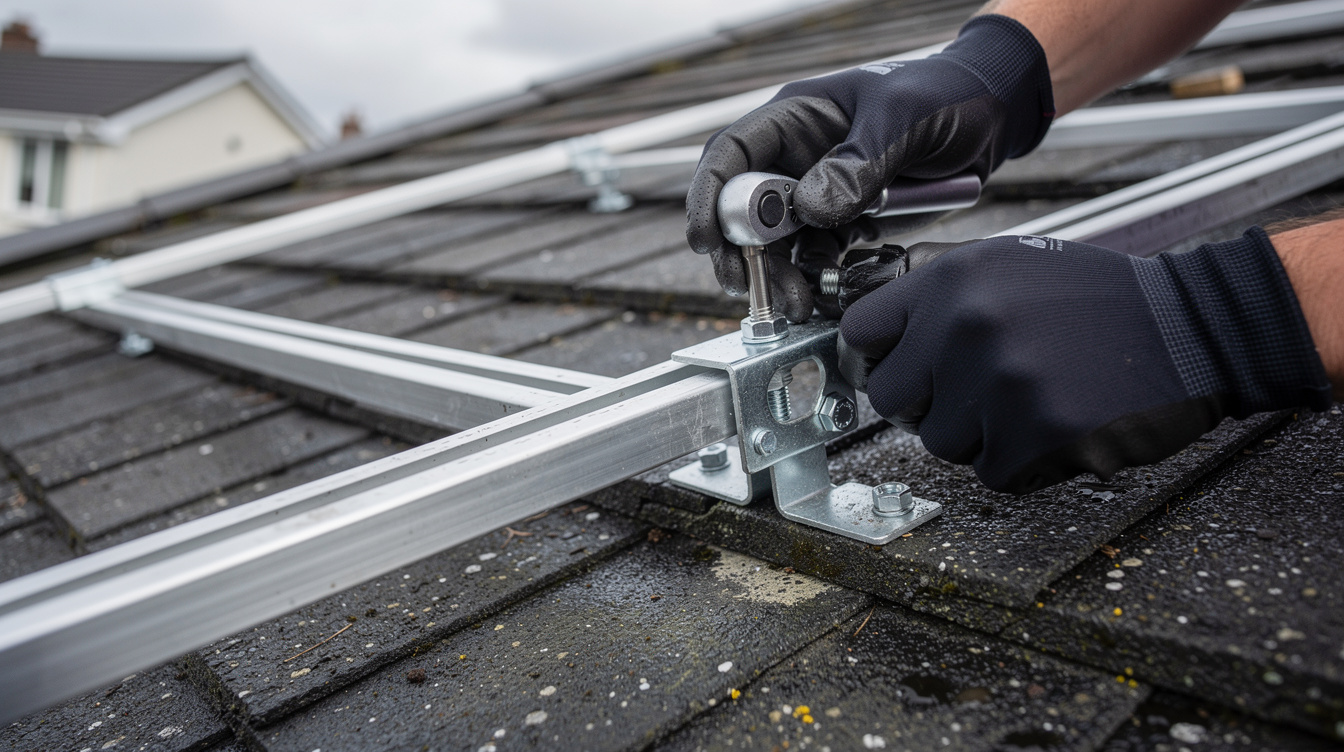
Electrical work in Irish homes is governed by I.S. 10101 (National Rules for Electrical Installations). Solar PV installations have specific requirements: DC isolation, AC isolation, RCBO/AFDD protection, surge protection device (SPD), labelling, and proper earthing — with a final certification that only a Safe Electric–registered electrician can issue.
Without that certification, three things happen:
- You cannot get an NC6 approval (point 2 above).
- Your home insurance is voided — most policies require certified electrical work to honour any fire-related claim.
- If you ever sell the house, a buyer's solicitor or surveyor will ask for the Safe Electric cert and you won't have one.
So what about "I'll just do the panels and let an electrician do the wiring"?
This is the most common DIY plan and it sounds reasonable. You bolt the panels to the roof, run the DC cable through the eaves, then pay a Safe Electric sparks to do the inverter, AC side, isolators, and the NC6. In theory this saves the €1,500–€2,500 of labour an installer charges for mounting.
In practice it almost never works because:
- No installer will certify someone else's mounting work. They'd be putting their own insurance and registration on the line for a roof penetration they didn't do. Most will require you to remove your panels and let them re-mount before they'll touch the electrical side.
- SEAI-registered companies won't do partial jobs. The grant is paid on a complete install by their team. They're also liable for the BER assessor uplift, which can't be split across two parties.
- Your roof warranty becomes a mess. If you mounted the panels and a slate cracks two years later, the roofer says "you did the mounting", the panel-only electrician says "not my work", and you're paying for the repair yourself.
- The DC side is more dangerous than the AC side. A 4 kWp string can sit at 400–600V DC in full sun. DC arcs don't self-extinguish like AC. This is the part of a solar install where things actually catch fire if done wrong — and it's the part DIYers most often underestimate.
The DIY-vs-pro maths (it's worse than people think)
Even setting aside the legal issues, the financial case for DIY collapses once you put real numbers next to a professional install with the SEAI grant:
| Cost line | DIY 4 kWp | SEAI installer 4 kWp |
|---|---|---|
| 10 x 400W panels (Tier 1) | €1,600 | Included |
| Hybrid inverter | €1,500 | Included |
| Mounting rails, clamps, flashings | €500 | Included |
| DC/AC cables, isolators, SPD | €400 | Included |
| Scaffolding hire (2 days) | €350 | Included |
| Electrician for final connection (if you can find one willing) | €800–€1,200 | Included |
| Subtotal materials + electrician | ~€5,200–€5,600 | €7,500–€9,000 |
| SEAI grant | €0 (DIY ineligible) | −€1,800 |
| Net cost to you | €5,200–€5,600 | €5,700–€7,200 |
The DIY route is barely cheaper than a fully-installed system with the grant — and that's before you count:
- Your own time (probably 3–4 weekends of work)
- The risk of mounting damage to the roof you have to fix
- The risk of the electrician refusing the job after you've bought everything
- No insurance cover on the install
- No 5–10 year workmanship warranty
- Reduced resale value at sale time without proper paperwork
That €500–€1,000 saving disappears the first time something goes wrong.
What you CAN legally install yourself in Ireland
There are three legitimate DIY routes. None of them replace a full rooftop system, but each has a real use case.
Route 1: Plug-in / balcony solar (NC6 micro-generation exemption)
Since ESB Networks introduced the micro-generation guidelines, small plug-in systems — up to roughly 800W AC output — can be connected to a normal socket provided you submit an NC6 form notifying ESB Networks of the connection (no approval needed, just a notification) and the equipment has a built-in compliant micro-inverter with anti-islanding protection (G98/G99 compliant).
This is what makes the Lidl plug-in panels practical: kit fits inside the regulatory exemption. See our Lidl plug-in solar panels Ireland guide for the detail on which kits qualify and which don't.
What you can DIY here: mounting on a balcony rail, shed roof, garden wall, or south-facing fence. Plugging into a socket. Submitting the NC6 notification yourself.
What you can't: chain multiple kits to exceed the exemption limit. Wire one into a fixed circuit. Claim the SEAI grant.
Route 2: Off-grid systems (no grid connection at all)
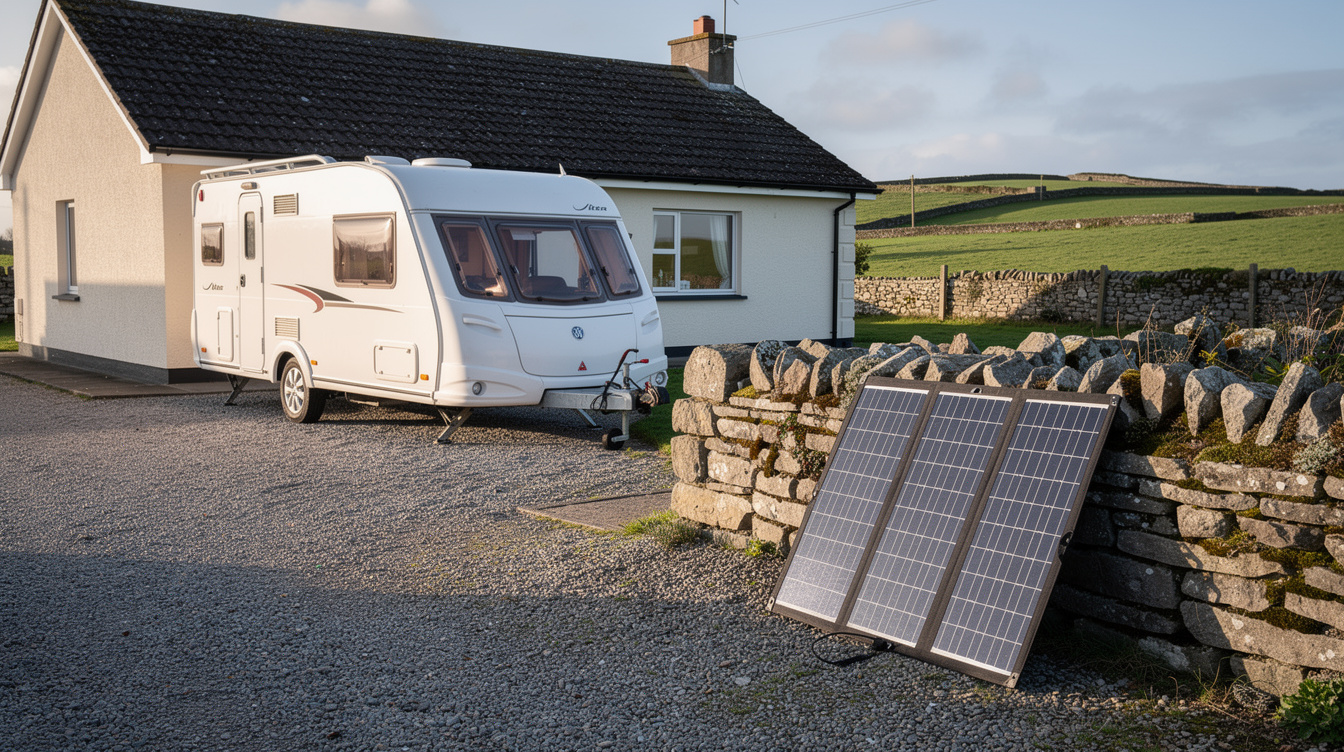
Any solar setup that never touches your home's grid-connected wiring is essentially DIY-free. Sheds, caravans, motorhomes, allotments, barns, polytunnels, boats, gates with electric openers, security cameras, off-grid cabins — all fair game.
You buy panels, a charge controller, a battery, and an inverter (if you want 230V AC out). You wire it all yourself. You do not need an electrician, you do not need ESB Networks approval, and you do not need planning permission for a panel on a shed roof.
The catch: off-grid systems can't feed your house. You can't use the energy from your shed roof to offset your kitchen kettle. They're for powering whatever is on the off-grid wiring — the shed lights, the caravan fridge, the camera CCTV — only.
Route 3: Portable panels (zero install required)
The lowest-friction DIY option of all. Folding camping panels and rigid 100–200W panels with battery boxes are sold by Lidl, Aldi, Halfords, Argos, and dozens of online retailers. Lean them against a wall, plug a 12V appliance into the controller, done.
Not a serious household electricity solution, but useful for camping, fishing, garden lighting, and emergency backup if you have a power bank with a high-capacity battery. No regulation applies because nothing's wired in.
Want the grant and a fully insured install?
Compare quotes from SEAI-registered installers near you — free, no pressure.
Can I install a battery myself?
Same answer as the panels: not for a grid-tied home battery. Modern hybrid batteries connect to your inverter and to your house wiring; they fall under the same I.S. 10101 and NC6 rules. A Safe Electric–registered electrician has to do the install and certify it.
The only DIY battery route is a portable power station — the EcoFlow, Bluetti, Jackery type devices — which are factory-sealed appliances you plug your stuff into. They're not grid-connected and don't require certification.
What about commercial / agricultural installs?
If anything, commercial and farm installs are stricter than domestic. The non-domestic micro-generation thresholds are different, the grant pathways (SEAI Non-Domestic Microgen Scheme) require accredited installers, and three-phase grid connections require ESB Networks engineering review. DIY is not realistic at commercial scale. See our commercial solar guide for the proper route.
If you're a qualified electrician installing on your own home
You're still subject to the SEAI registered installer rule for the grant. You can do the install legally and certify it yourself, but you can't claim the grant. You'll also need to submit your own NC6 and put the system on your Safe Electric cert renewal.
If you're ok forgoing the €1,800 grant and you genuinely have the time, this is the only homeowner case where full DIY makes sense — and even then, getting your own employer or a partner company to do it under their SEAI registration is usually cheaper net.
FAQ
Can I install solar panels myself in Ireland?
Not legally for a grid-connected rooftop system. You need a Safe Electric–registered electrician, ESB Networks NC6 approval, and an SEAI-registered installer (for the grant). DIY is only viable for plug-in micro systems (~800W), off-grid setups, and portable panels.
What if I just don't apply for the grant — can I DIY then?
The grant is one of three blockers, not the only one. You still need the NC6 approval and Safe Electric certification for any grid-connected install. Skipping those isn't a legal choice — it's an insurance and resale-time disaster.
Is it illegal to wire my own house electrics in Ireland generally?
For minor repairs (changing a socket faceplate, replacing a light bulb) you can do it yourself, but the install of any new circuit, distribution board, generator/PV source, or anything affecting the consumer unit must be by a Safe Electric–registered electrician and certified. Solar PV always falls in the latter category.
I'm a qualified electrician but not SEAI-registered. Can I do my own?
You can install and self-certify your work for Safe Electric purposes, and submit your own NC6. But you cannot claim the SEAI €1,800 grant without being on the SEAI registered installer list, which requires accreditation, insurance, and audit history beyond standard electrical registration.
What's the smallest system I can fit under the "no NC6 needed" threshold?
For a plug-in micro-inverter system rated at or below the ESB Networks micro-generation exemption (currently ~800W AC, single-phase, with G98/G99 anti-islanding), you only need to notify ESB Networks (NC6) — you don't need approval before connecting. See the plug-in solar guide for kits that qualify.
What if I install it myself and just don't tell anyone?
Two scenarios. (1) You sell the house in 5 years — the buyer's solicitor asks for the Safe Electric cert for the solar install, you can't produce it, the sale stalls. (2) There's an electrical fire and the insurer investigates — uncertified DC equipment in a fire claim is a near-guaranteed refusal. The downside is much larger than the perceived saving.
Can I install solar panels on a shed roof without an installer?
If the shed wiring is not connected to your house electrics — i.e. fully off-grid, only powering the shed itself — then yes, you can DIY the whole thing. If the shed shares a circuit with the house consumer unit, you're back in NC6/Safe Electric territory.
The honest recommendation
For a normal household rooftop system in Ireland in 2026, DIY is not a sensible plan. The legal walls are real, the grant gap closes most of the financial case on its own, and the resale-and-insurance downside is asymmetric.
If you want hands-on solar, do it where the rules let you: a Lidl-style plug-in kit on a south-facing wall, a properly sized off-grid setup on the shed, or a portable folding panel for the caravan. Save the €1,800 grant for the real roof.
Get the €1,800 grant and a proper install
Free quotes from SEAI-registered installers in your county. No pressure, no obligation.
Related Articles
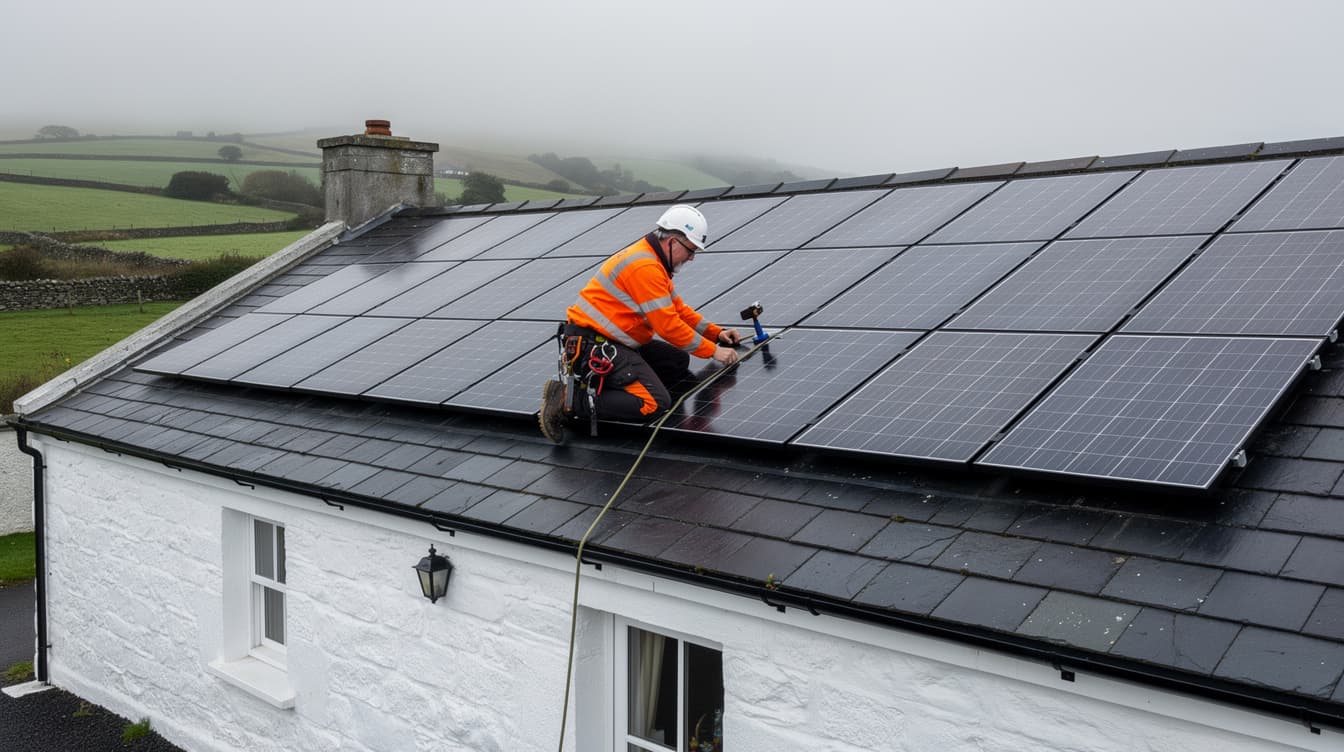
Can I Install Solar Panels Myself in Ireland 2026? The Honest DIY Guide
Can you legally install solar panels yourself in Ireland? Safe Electric, NC6, SEAI grant, insurance, and the 4 DIY routes that actually work in 2026.
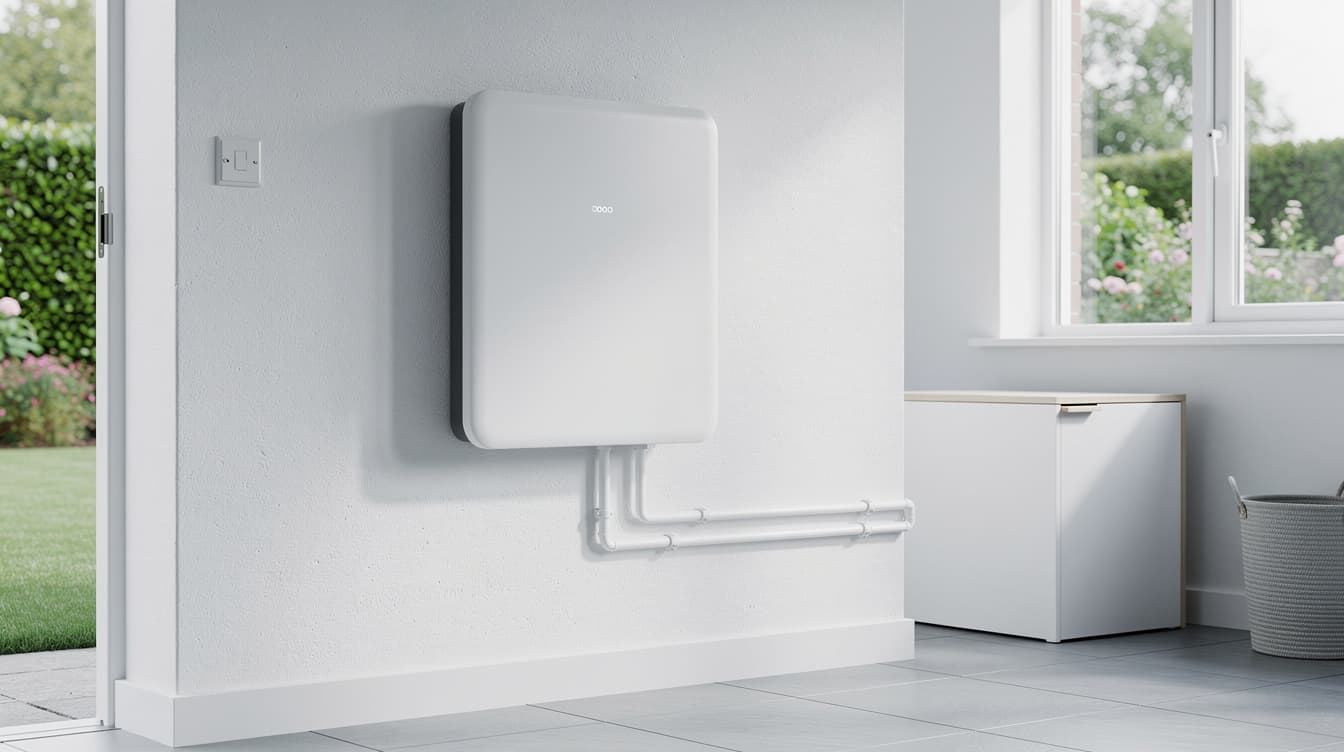
Solar Battery Brands Ireland 2026: Tesla Powerwall 3 vs BYD vs Pylontech vs Sigenergy vs Sunsynk Compared
Compare Tesla Powerwall 3, BYD, Pylontech Force H2, Sigenergy and Sunsynk for Irish homes in 2026: installed prices, warranties, cycle counts, backup and V2G.
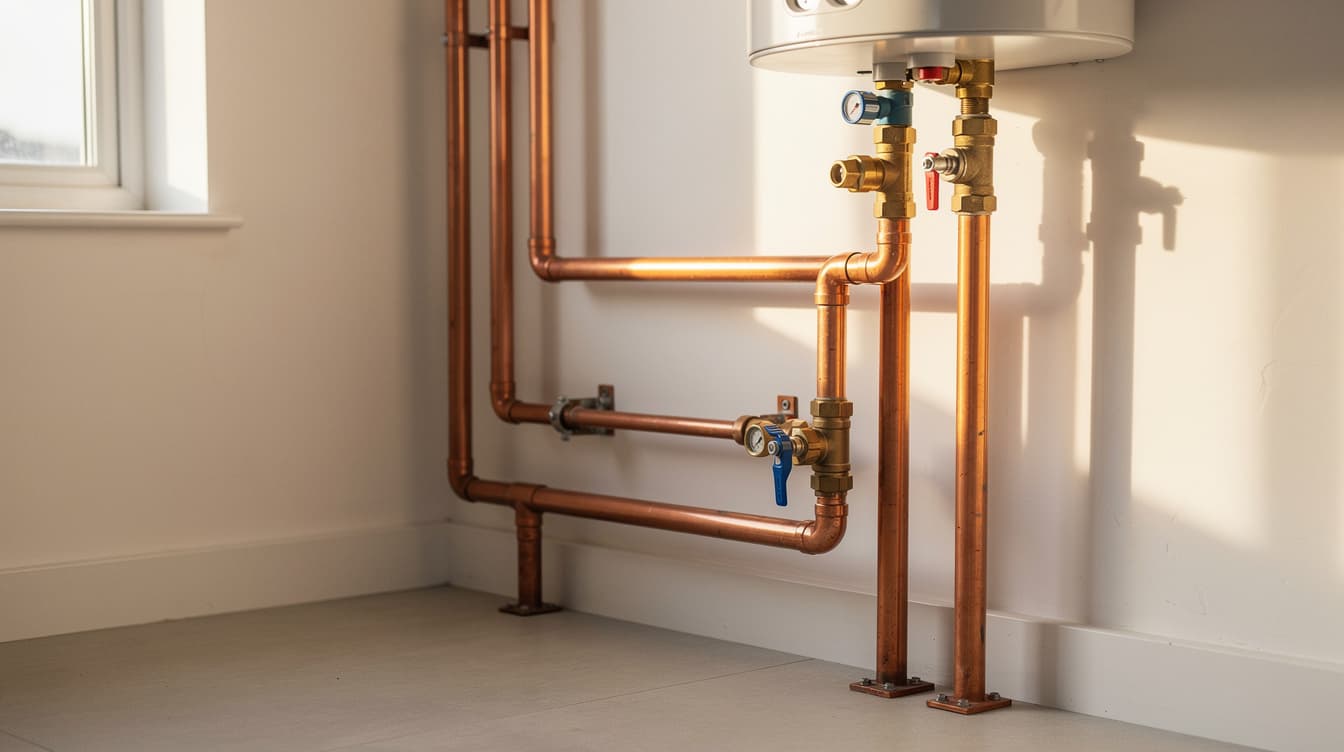
PV Solar Diverter Ireland 2026: Eddi vs iBoost vs PowerDiverter Compared
Compare Eddi, Solar iBoost+ and PowerDiverter for Irish solar homes in 2026: real prices, install costs, VAT savings, and honest payback vs the CEG.