
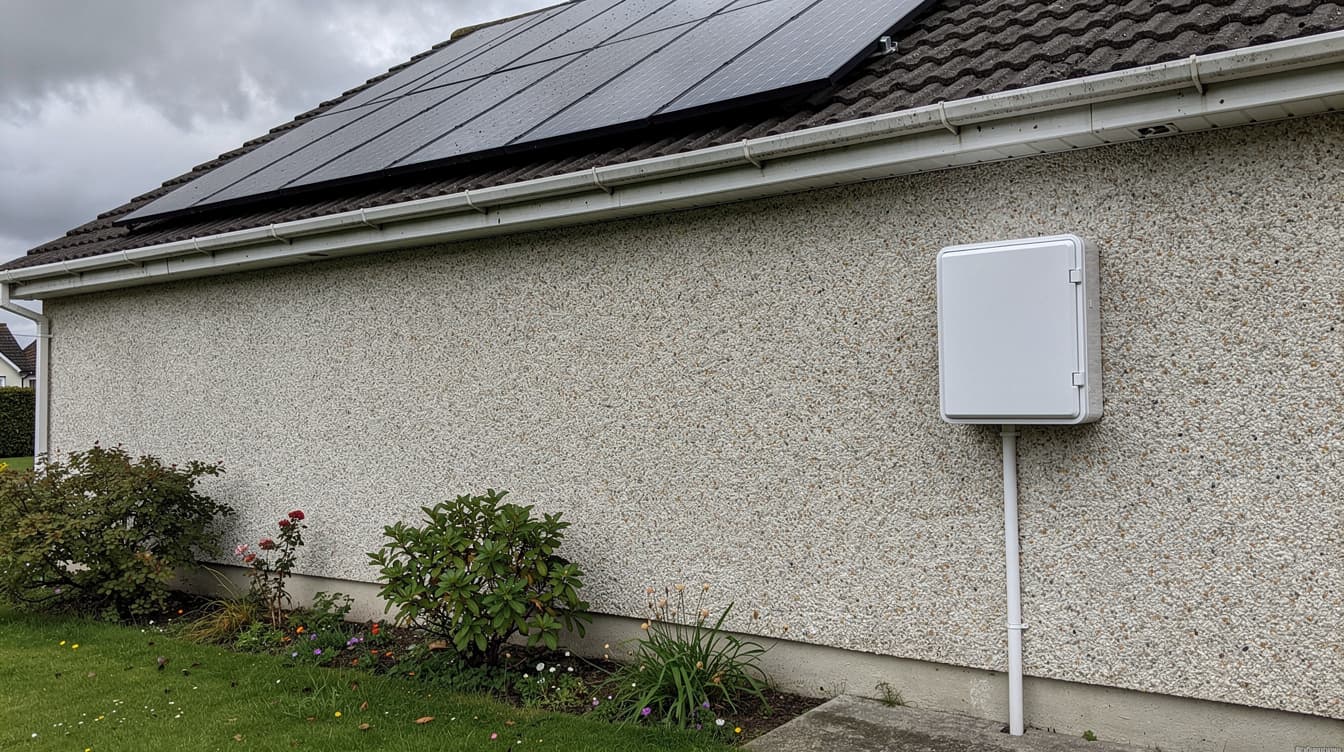
Solar Panels and Smart Meters in Ireland: How They Work Together (2026)
Over 2 million Irish homes now have smart meters. From June 2026, dynamic tariffs let solar owners buy electricity at wholesale prices. Here is how to make the most of it.
If you have solar panels — or are thinking about getting them — your smart meter is quietly doing something very valuable: it is measuring exactly how much electricity you export to the grid, which is how you get paid under the Clean Export Guarantee.
But that is just the start. With over 2 million smart meters now installed across Ireland and dynamic tariffs launching from June 2026, the combination of solar panels and a smart meter is about to get a lot more powerful. The right tariff can slash your electricity costs by 20–40% on top of what solar already saves you.
This guide explains how smart meters work with solar, which tariff to choose, how export payments work, and the new dynamic pricing that could change everything for solar homeowners.
What Does a Smart Meter Actually Do?
A smart meter replaces your old analogue or digital meter. Instead of being read manually once every two months, it records your electricity usage every 30 minutes and sends the data automatically to ESB Networks.
For solar panel owners, the critical difference is that a smart meter measures electricity flowing in both directions:
- Import: Electricity you draw from the grid (what you pay for)
- Export: Electricity your solar panels send to the grid (what you get paid for)
Without a smart meter, your old meter could not distinguish between import and export. That meant you could not be paid for your surplus solar energy. With a smart meter, every unit you export is accurately recorded and credited to your account.
How to Get a Smart Meter for Solar
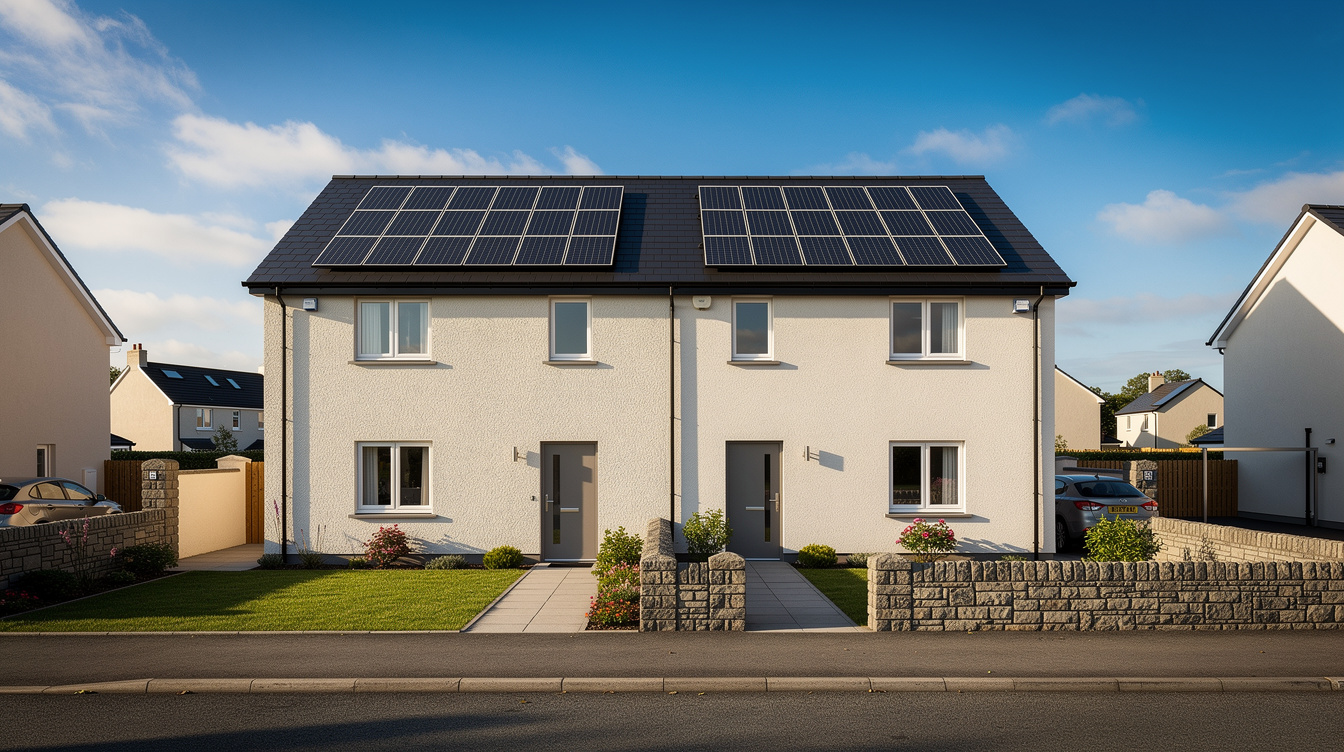
If you already have a smart meter (check your meter for a digital display — if it has one, it is almost certainly a smart meter), you are already set. If not, here is how to get one:
Option 1: It comes with your solar installation (most common)
When your solar installer connects your system to the grid, they submit an NC6 notification form to ESB Networks. This is a mandatory notification that a microgeneration system has been connected. As part of this process, ESB Networks will schedule a smart meter installation at your property if you do not already have one. This is free of charge.
Option 2: Request one from ESB Networks
Even without solar panels, you can request a smart meter from ESB Networks. The rollout has covered over 80% of Irish homes, and remaining installations are being completed through 2026. If your area has not been covered yet, you can request an early installation through the ESB Networks website.
Option 3: Wait for the scheduled rollout
ESB Networks is systematically replacing all old meters nationwide. If you have not been contacted yet, your area is likely scheduled for the near future.
Ready to Go Solar?
Get your free personalised quote from SEAI-registered installers.
Smart Meter Tariffs: Which Is Best for Solar?
Having a smart meter unlocks time-of-use tariffs where electricity costs different amounts depending on when you use it. For solar panel owners, this creates opportunities to save more — but only if you choose the right tariff.
Here are the main tariff types available in Ireland in 2026:
| Tariff Type | How It Works | Best For | Solar Benefit |
|---|---|---|---|
| Flat rate | Same price 24/7 (~35c/kWh) | Simple, no effort | Low — no incentive to shift usage |
| Day/Night | Higher day rate, lower night rate (~16c/kWh 11pm–8am) | EV owners, night-shifters | Medium — solar covers expensive day rate |
| Smart (time-of-use) | 3 bands: Night (~16c), Day (~30c), Peak (~45c, 5–7pm) | Solar + battery homes | High — solar avoids peak, battery covers evening |
| Dynamic (NEW June 2026) | Price changes every 30 mins based on wholesale market | Tech-savvy solar + battery owners | Very high — buy at 5c, avoid 80c+ spikes |
Our recommendation for most solar homes
Solar panels without battery: A standard Day/Night tariff is usually the best fit. Your solar panels eliminate most of your daytime electricity imports (the expensive rate), and you can shift heavy loads like dishwashers, washing machines, and immersion heaters to the cheap night rate. Simple and effective.
Solar panels with battery: A smart time-of-use tariff or the new dynamic tariff becomes very attractive. Your battery can charge from cheap overnight electricity (or even negative-price wholesale periods on a dynamic tariff), and discharge during the expensive 5–7pm peak window. Combined with solar covering the daytime, you can cut your grid import costs dramatically.
Dynamic Tariffs: The Game-Changer for Solar Homes
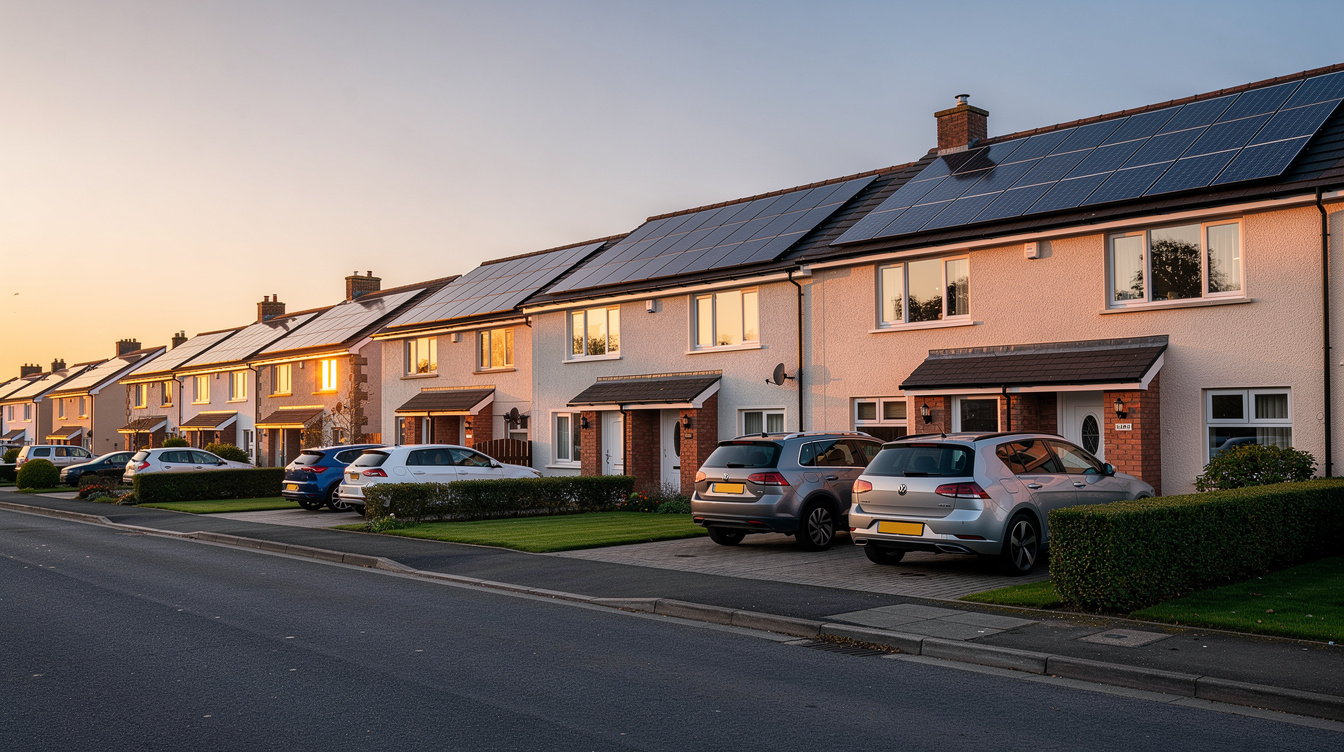
From 1 June 2026, all five major Irish electricity suppliers must offer at least one dynamic tariff. This is a significant development for solar panel owners.
On a dynamic tariff, your electricity price changes every 30 minutes based on the wholesale market price. This means:
- Cheap periods: Overnight and during windy/sunny conditions, wholesale prices can drop to 5–10c/kWh or even go negative (you get paid to use electricity)
- Expensive periods: During evening peaks or calm, cloudy winter days, prices can spike to 50–80c/kWh or higher
- Average: Over a year, wholesale prices average around 10–15c/kWh — much less than flat retail rates
For solar homes, the maths is compelling:
- Your panels generate during the day, avoiding daytime wholesale prices (typically 15–30c/kWh)
- You export surplus solar at your CEG export rate (18–32c/kWh depending on supplier)
- Your battery charges from cheap overnight wholesale prices (5–10c/kWh)
- Your battery discharges during the expensive evening peak (avoiding 50–80c/kWh imports)
The catch: Dynamic tariffs require active management. You need to monitor prices and programme your battery to charge/discharge at the right times. Most modern battery systems (Tesla Powerwall, Huawei LUNA, GivEnergy) support this through their apps, and some can automate it entirely.
Important note: Once you switch to a smart tariff in Ireland, you generally cannot revert to a legacy non-smart tariff. Make sure you compare options carefully before switching.
How Export Payments Work with Your Smart Meter
Your smart meter is what enables the Clean Export Guarantee (CEG) payments for surplus solar energy. Here is exactly how it works:
- Your solar panels generate electricity throughout the day
- Your home uses what it needs — this is “self-consumption”
- Surplus energy flows to the grid — your smart meter records every unit exported
- Your supplier credits your bill — typically shown as a “CEG Credit” or “Microgen Export” line item
Export rates vary by supplier. Here are the current rates as of May 2026:
| Supplier | Export Rate (c/kWh) | Annual Earning (typical 4kWp) |
|---|---|---|
| Electric Ireland | 21c | €250–€350 |
| Bord Gáis Energy | 24c | €290–€400 |
| SSE Airtricity | 22c | €260–€370 |
| Energia | 18–24c | €215–€400 |
| Pinergy | 15–21c | €180–€350 |
A typical 4 kWp solar system in Ireland exports around 1,200–1,700 kWh per year. The first €400 of export income is tax-free under a relief that runs until at least 2028.
Tip: Check the best electricity tariff for solar panels comparison for up-to-date rates. Export rates change frequently, and switching supplier for a better export rate can be worth €50–€100 per year.
See How Much You Could Earn from Solar
Use our calculator to estimate your solar generation and export income.
Reading Your Smart Meter with Solar Panels
Your smart meter displays several readings that are useful for solar panel owners:
- Import reading (R1): Total electricity drawn from the grid. This is what you pay for.
- Export reading (R2): Total electricity sent to the grid. This is what you earn from.
- Day/Night readings: If you are on a time-of-use tariff, separate readings for each period.
You can access your detailed 30-minute usage data through your electricity supplier’s app or website. This data is invaluable for understanding your solar performance:
- High export + low import during the day = your solar is working well but you are not using enough of it at home. Consider running appliances during the day or adding a battery.
- High import during peak (5–7pm) = you are drawing expensive grid power in the evening. A battery or timer-controlled cooking could help.
- High import overnight = normal if you are on a day/night tariff and running appliances on the cheap rate. This is smart behaviour.
Maximising Self-Consumption with a Smart Meter
Your smart meter data tells you exactly when you are importing, exporting, and how much. Use this to maximise the percentage of solar you use yourself (self-consumption), which is always more valuable than exporting:
| Strategy | How It Works | Saving |
|---|---|---|
| Run appliances during solar hours | Dishwasher, washing machine, dryer on timers for 10am–3pm | €80–€150/year |
| Solar diverter for immersion | Diverts surplus solar to heat water instead of exporting | €150–€250/year |
| Home battery storage | Stores solar for evening use instead of exporting | €300–€500/year |
| EV charging from solar | Smart charger diverts surplus solar to your car | €400–€800/year |
The key insight from your smart meter data: every kWh you use yourself saves you 30–45c (the avoided import cost), while every kWh you export earns you only 18–24c. Self-consumption is always worth more than exporting.
Common Questions About Smart Meters and Solar
Do I need a smart meter before I can get solar panels?
No. You can install solar panels with any meter type. However, you will need a smart meter to receive export payments. Your solar installer will arrange the smart meter installation as part of the NC6 process if you do not already have one.
Will my smart meter slow down or run backwards with solar?
No. Unlike old analogue meters, smart meters record import and export separately. The meter will never run backwards. Each direction is measured independently and shown on your bill as separate line items.
How long does it take to get export payments after installing solar?
After your installer submits the NC6 form and ESB Networks processes it (typically 4–8 weeks), your smart meter will start recording exports. Credits appear on your next bill cycle. Some homeowners report the full process taking 2–3 months from installation to first credit.
Can I switch electricity supplier and keep my export payments?
Yes. All major Irish suppliers now offer CEG export tariffs. When you switch, your new supplier will automatically start crediting your exports. Compare export rates — they vary significantly between suppliers.
Do I need to pay for the smart meter?
No. Smart meter installation is free. ESB Networks covers the cost as part of the National Smart Metering Programme. There is no charge for the meter itself, the installation, or the ongoing data transmission.
Ready to Go Solar?
Get your free personalised quote from SEAI-registered installers.
Related Articles

Time-of-Use Tariffs & Solar Panels Ireland 2026: Smart Plans, Dynamic Rates & Battery Arbitrage
Ireland's new dynamic tariffs launched June 2026. Which smart plan matches your solar+battery setup, real savings by household, EV nightsaver tricks & mistakes to avoid.

Time of Use Tariffs & Solar Panels Ireland 2026: Smart Meter Strategy
Which Irish smart meter tariff pairs best with solar? 2026 supplier comparison, load-shifting rules, worked payback example and CEG rate gotchas.
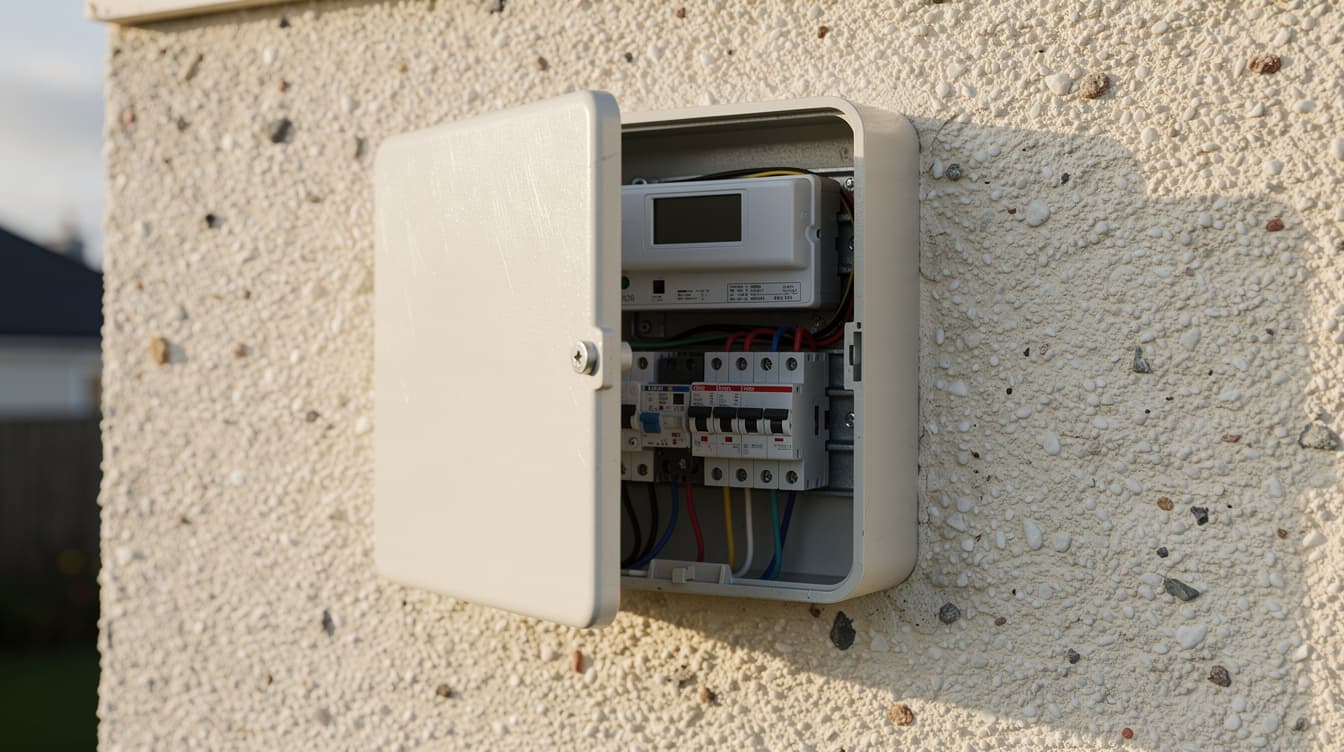
MPRN Ireland 2026: What Your Meter Point Reference Number Is & Why Every Solar Installer Asks for It
Every Irish solar quote asks for your MPRN. What the 11-digit number means, where to find it, and the SEAI grant mistake it prevents.