

Time-of-Use Tariffs & Solar Panels Ireland 2026: Smart Plans, Dynamic Rates & Battery Arbitrage
Something quietly seismic happened to Irish home energy on 1 June 2026: the CRU forced every major electricity supplier — Electric Ireland, SSE Airtricity, Energia, Bord Gáis and Flogas — to publish at least one dynamic tariff. Your import rate now changes every 30 minutes, based on the wholesale market, and tomorrow's prices are published the night before.
For someone with just solar panels, this is mildly interesting. For someone with solar plus a battery, it is a game-changer — the same 5 kWh battery you bought to soak up daytime generation can now be flipped into a grid-arbitrage machine that earns you an extra €300–€700 a year on top of the solar savings.
The catch: most Irish homeowners are still on flat 24-hour plans they signed years ago. If you've installed solar since 2023 and never switched tariff, you're almost certainly leaving money on the table.
This is the plain-English 2026 guide to time-of-use, day/night, smart and dynamic tariffs — who they suit, what the numbers actually are, and how to combine them with a solar+battery system.
Thinking about a battery to unlock TOU savings?
Get free quotes from SEAI-registered installers for solar + battery packages priced for 2026 tariffs.
The four tariff types in Ireland 2026
Suppliers now offer up to four different structures. Understanding which one you're on is step one.
| Tariff type | How it works | Meter needed | Best for |
|---|---|---|---|
| 24-hour flat | Same unit rate all day | Any | Constant daytime users, no battery |
| Day/night (Nightsaver) | Cheaper 11pm–8am, dearer 8am–11pm | Legacy DN meter or smart | Storage heaters, night immersion, older setups |
| Smart plan (3-band ToU) | Day / Night / Peak (17–19:00) bands, fixed for the year | Smart meter | Solar owners, EV drivers, battery-ready homes |
| Dynamic (half-hourly) | Rate changes every 30 min against wholesale price | Smart meter, D+1 read | Home battery, automation, EV smart charger |
If you have a smart meter installed (the national programme has now hit over 80% coverage) but you never switched plan, you are effectively still on a flat tariff paying the maximum possible price. Log in to your ESB Networks portal to confirm your meter type before you go further.
Where the money actually is in July 2026
Rates below are indicative 2026 unit prices (excl VAT and standing charge) across the major suppliers. Individual plans move constantly — use them as a guide, not a quote.
| Band | Smart plan (typical) | Dynamic plan (typical range) |
|---|---|---|
| Peak 17:00–19:00 | 42–46 c/kWh | 40–90 c/kWh |
| Day 08:00–17:00, 19:00–23:00 | 32–36 c/kWh | 18–35 c/kWh |
| Night 23:00–08:00 | 20–26 c/kWh | 6–18 c/kWh |
| EV super-night window (02:00–05:00) | 8–12 c/kWh (Bord Gáis EV Smart) | Often the daily low |
The two useful patterns to notice:
- The peak-to-night ratio on smart plans is roughly 2:1. Every unit of grid electricity you can time-shift from 5pm to 3am saves you ~20 cents.
- Dynamic tariffs have a higher ceiling and a lower floor. On a still December evening they can spike above 90 c/kWh; on a windy autumn night they routinely hit 6–10 c/kWh. Batteries and smart appliances swing that spread.

Why time-of-use matters more for solar owners
Solar changes the shape of your grid demand. Your panels flatten daytime import to near zero on sunny days, so most of your remaining bill is coming from three windows a solar array cannot cover:
- The morning shower / kettle spike (7–9am, before your array wakes up in winter)
- The dinner peak (5–7pm, exactly when the ToU peak band lives)
- The evening TV/EV window (7–11pm, after generation stops)
On a flat 24-hour tariff, all three cost you the same. On a smart or dynamic tariff, the 5–7pm dinner peak is your single most expensive hour of the week — and it happens 365 days a year. Even a modest battery (5 kWh usable) can wipe it out.
Meanwhile, your export earnings sit on a separate meter register and roll on regardless of import tariff. The current Clean Export Guarantee rates from the big five suppliers sit between 17 and 24 c/kWh, VAT-free up to €400 a year. That has not changed with the dynamic-tariff rollout.
Does switching pay? Four honest scenarios
The right tariff depends on how much you can shift and whether you own storage. Rough numbers based on a 4 kWp array in the Irish midlands, 4,500 kWh annual demand:
| Household | Best fit | Annual saving vs 24hr |
|---|---|---|
| Solar only, WFH, no battery | 24-hour flat (still) | €0 — day usage kills you on ToU |
| Solar + gas heat, out during day, no battery | Smart plan (3-band) | €80–€150 |
| Solar + 5 kWh battery | Smart plan or dynamic | €250–€450 |
| Solar + battery + EV + heat pump | Dynamic tariff, automated | €500–€900 |
The rule of thumb: if less than 30% of your annual consumption can be pushed into the night band, dynamic pricing will hurt you. If more than 50% can be shifted, dynamic is almost always the winner.
The solar + battery + ToU playbook
Battery-owning solar households in Ireland typically settle on one of three configurations. Your hybrid inverter app is where you set this — every 2026 GoodWe, Sungrow, GivEnergy, Solis and SolarEdge home hub supports all three modes.
1. Self-consumption only (what most installers set by default)
Battery charges from solar during the day, discharges to cover household load in the evening. No grid arbitrage. Simple, safe, but leaves the ToU savings on the table.
2. Self-consumption + peak avoidance
Same as above, but you tell the battery to hold a reserve for the 17:00–19:00 peak band. If the sun didn't fill the battery, it top-ups from the grid at the night rate. Typical extra saving: €120–€200 a year.
3. Full time-of-use arbitrage (dynamic-ready)
Battery pulls in cheap grid units overnight when solar didn't fill it, and again during any daytime negative-price window (yes, they happen in Ireland now, mostly on windy Saturday afternoons). It discharges into every peak and against any >40 c/kWh half-hour. This is where the €500+ numbers come from. It needs either a dynamic tariff feed or a smart plan + a timing schedule.
Not sure how big a battery you'd need?
Our solar calculator sizes your system against your actual bill — and installers on our panel can spec the battery to match your tariff.
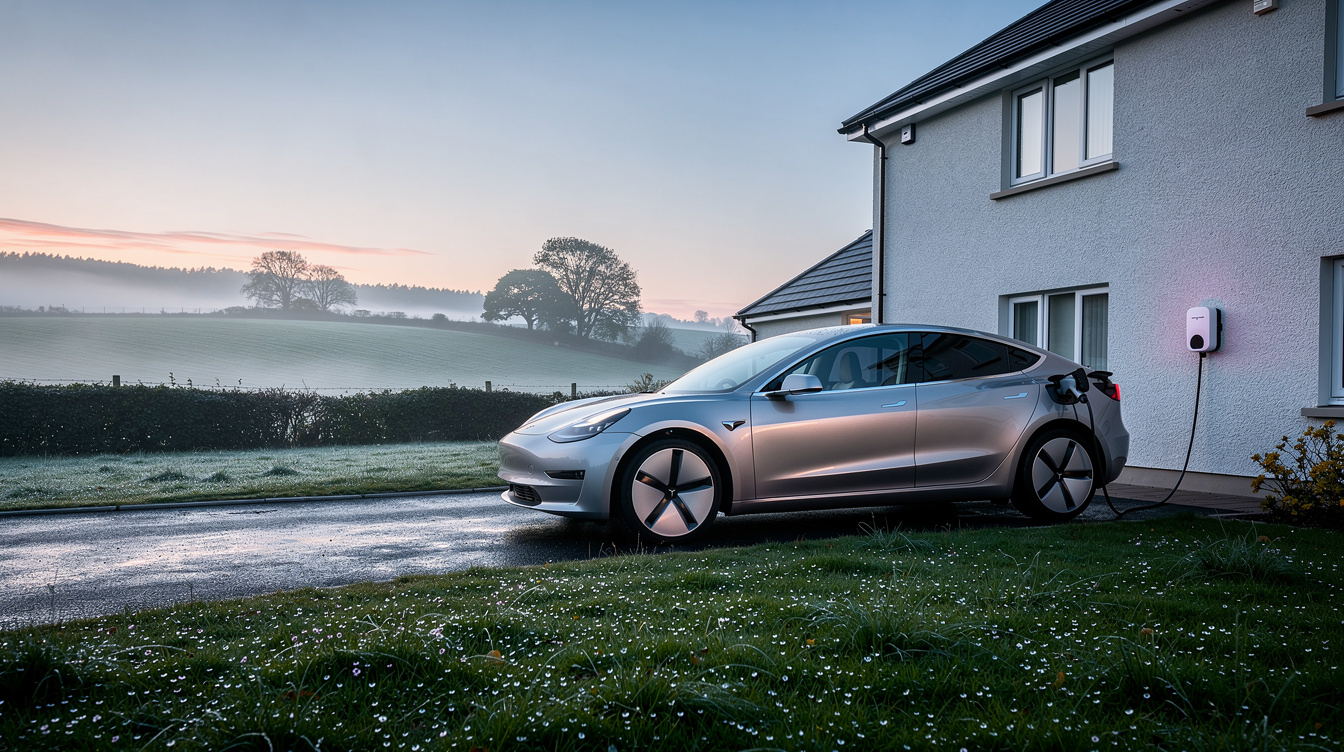
EV nightsaver windows — the free money most solar owners are missing
Every major supplier now runs an EV super-night window with unit rates in the 6–12 c/kWh range for three hours somewhere between midnight and 5am. Bord Gáis EV Smart tops the value list (8.45 c/kWh, 02:00–05:00) but Electric Ireland's Home Electric+ EV plan and SSE's EV Solar Reward run close.
For a 40 kWh Model 3 charging twice a week from 30% to 90%, that's ~2,500 kWh a year at ~10 c/kWh instead of ~34 c/kWh — a saving of roughly €600 per year on driving cost alone. This is separate to any solar savings.
Two things trip solar+EV households up:
- The zappi / MyEnergi trap: a granny-cable schedule that starts charging at 23:00 fills the car at the ~24 c/kWh night rate, not the ~10 c/kWh super-night rate. Set your schedule to the exact 3-hour window your plan specifies.
- Solar-priority mode fights your tariff: if your charger is set to "eco+" or "solar only", it won't touch the grid during the super-night. In an Irish winter that means the car doesn't charge for weeks. Split winter (grid) and summer (solar) schedules on the app.
Common mistakes we see on tariff switches
- Switching before you have a smart meter. Your dynamic plan needs 30-minute half-hour reads. If your meter is still a legacy day/night, you'll be estimated back onto the fallback rate.
- Ignoring the standing charge. Dynamic plans usually carry a higher fixed daily charge. If you use less than ~2,800 kWh a year, a 24-hour plan can still beat them.
- Not letting the battery see the schedule. Most hybrid inverter apps default to self-consumption. You must tick "grid charge during off-peak" and set the specific windows manually. Otherwise the battery watches cheap electricity flow past.
- Reading the wrong price cap. The CRU price cap on dynamic tariffs is a supplier-level cap, not a per-half-hour cap. It won't stop a single 90 c/kWh evening; it stops repeated week-long spikes.
- Not switching supplier at CEG renewal. Your import supplier and your Clean Export Guarantee are on the same account. Some smart plans quietly lower the export rate when you move — check the 2026 CEG table before signing.
Which supplier plan wins in 2026?
There is no universal answer — the right plan depends on the shape of your consumption. But here is how the market currently stacks up for the three most common solar-battery-EV profiles:
| Profile | Best current smart plan | Best current dynamic plan |
|---|---|---|
| Solar + 5 kWh battery, no EV | Electric Ireland Home Electric+ Smart | Energia Dynamic |
| Solar + battery + EV | Bord Gáis EV Smart Solar | Bord Gáis Dynamic EV |
| Solar + battery + heat pump + EV | SSE Airtricity Smart Heat | Energia Dynamic |
Cross-check with the CRU dynamic tariff page every 3 months — new plans are launching frequently through 2026.
Frequently asked
Do I need a battery to benefit from a smart tariff?
Not always. If you can push things like the dishwasher, tumble dryer, immersion and EV charging into the night band manually, a smart plan can save €80–€150 with solar and no battery. But the big €300+ numbers only appear once you have storage that can absorb the price spread automatically.
Will a dynamic tariff hurt me on a still winter evening?
It can. Prices on a still, dark Tuesday in January have hit 92 c/kWh in the peak half-hour. If you cook, run a heat pump and charge an EV in the same 5–7pm window, that hour alone can cost you €15. This is why dynamic is only recommended if you have both a battery and enough automation to hide from those spikes.
Do I lose my Clean Export Guarantee if I switch tariff?
No. CEG is a separate register on your meter and rolls independently. But be careful: some smart plans bundle a lower CEG rate when you move. Confirm the export rate in writing before switching, and revisit our export tariff comparison before signing.
Is a legacy day/night meter still worth it?
Rarely, in 2026. Legacy DN plans don't have a peak band, but their night rate is now higher than most smart-plan night rates. If you have storage heaters and no smart meter yet, DN can still make sense. In any other case, request a smart meter upgrade from ESB Networks — it's free and takes 3–6 weeks.
How often can I switch tariff?
Every 30 days between suppliers. Between tariffs at the same supplier, most allow one switch per contract year. So don't lock into a 12-month fixed dynamic plan without doing a full winter test first.
The 5-minute action plan
- Log in to the ESB Networks portal and confirm your meter type. If it says "Smart", you're eligible for anything.
- Pull the last 12 months of half-hourly data from your ESB CDD (available in your account) and drop it into any of the free ToU calculators.
- Compare unit-rate impact on your existing profile across the top 3 smart plans and top 2 dynamic plans (unit rate + standing charge + CEG combined).
- If you have a battery, set the grid-charge windows in your hybrid inverter app before switching — not after.
- Switch. Watch one full winter month. Adjust or move again if the numbers don't hit.
Get a solar + battery quote sized for smart tariffs
Our SEAI-registered installer network specs battery capacity around the 2026 tariff you're on, not a generic 5 kWh default. Free quotes, no obligation.
Related Articles

Time of Use Tariffs & Solar Panels Ireland 2026: Smart Meter Strategy
Which Irish smart meter tariff pairs best with solar? 2026 supplier comparison, load-shifting rules, worked payback example and CEG rate gotchas.
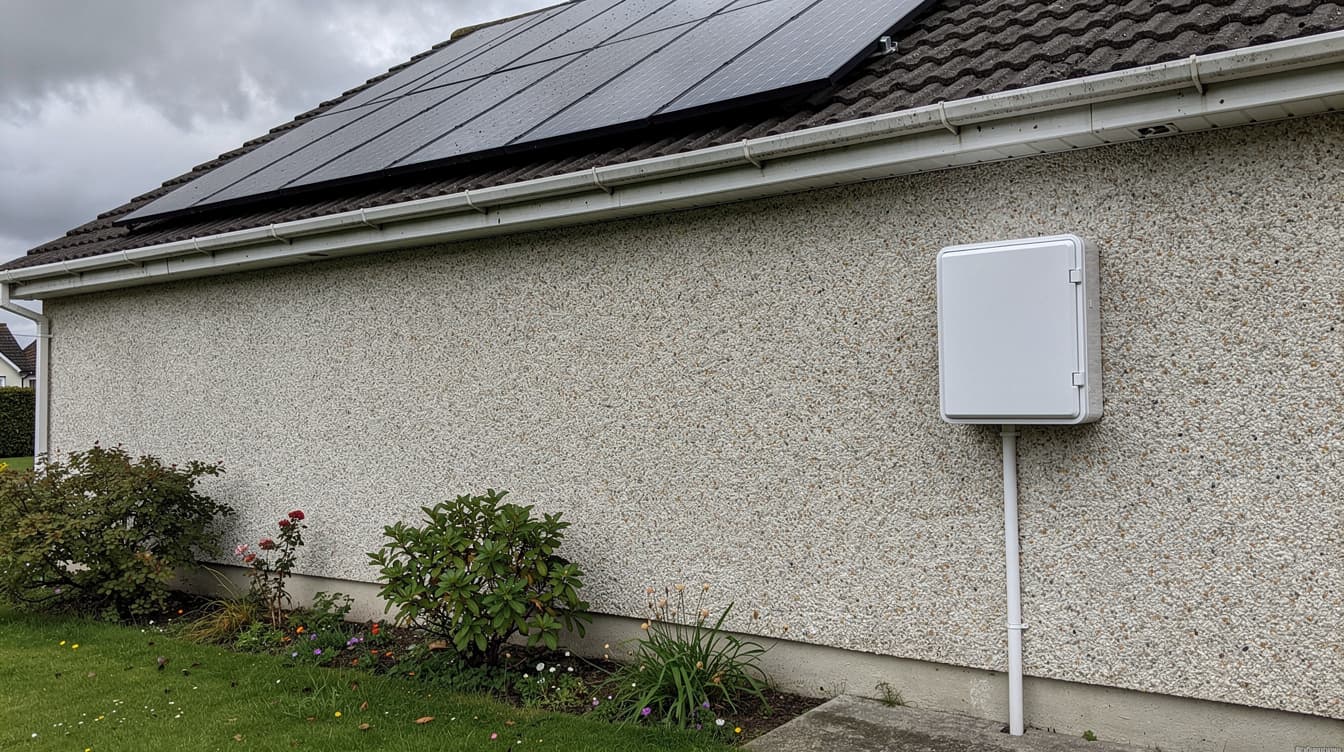
Solar Panels and Smart Meters in Ireland: How They Work Together (2026)
How smart meters work with solar panels in Ireland. Export payments, best tariffs, dynamic pricing from June 2026 and how to maximise your solar savings.
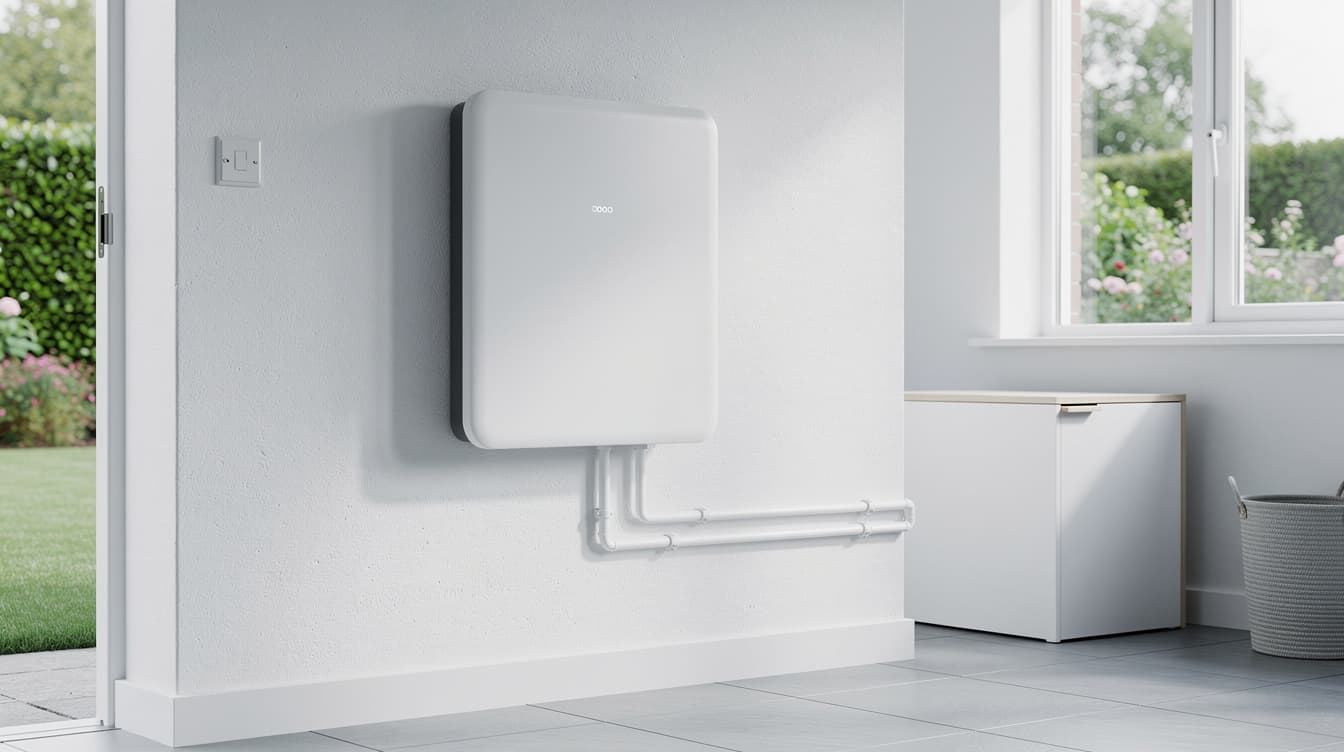
Solar Battery Brands Ireland 2026: Tesla Powerwall 3 vs BYD vs Pylontech vs Sigenergy vs Sunsynk Compared
Compare Tesla Powerwall 3, BYD, Pylontech Force H2, Sigenergy and Sunsynk for Irish homes in 2026: installed prices, warranties, cycle counts, backup and V2G.