
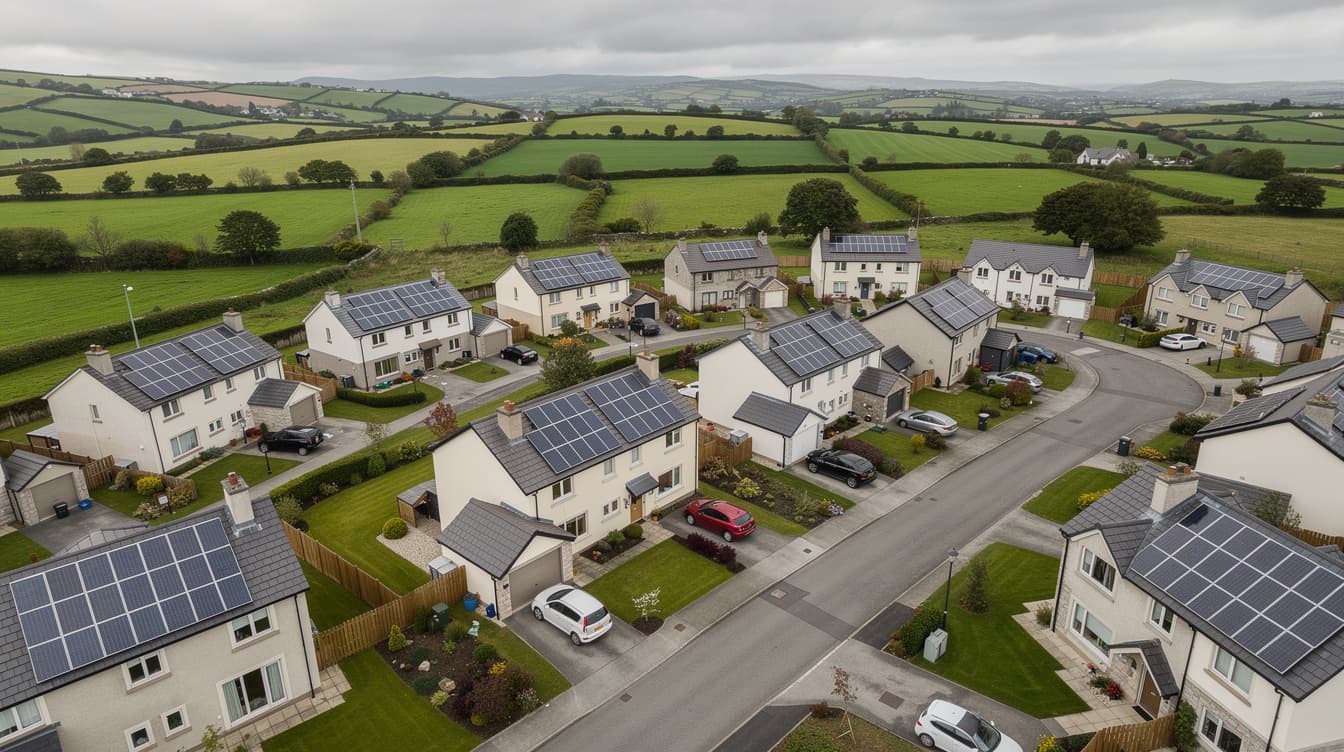
Dynamic Electricity Pricing and Solar Panels Ireland 2026: How to Profit From 30-Minute Rates
On 1 June 2026, Ireland’s electricity market changes forever. Every major supplier must offer dynamic pricing — tariffs where the rate you pay changes every 30 minutes based on wholesale electricity costs. For homeowners without solar panels, this could mean bill shock. For homeowners with solar panels and a battery, it could mean slashing their effective electricity cost to €0.10–€0.15 per kWh.
If you already have solar panels, dynamic pricing is the biggest opportunity to boost your savings since the Clean Export Guarantee launched. If you are thinking about getting panels, this is the strongest financial argument yet. Here is everything you need to know — and exactly how to set yourself up to benefit.
Ready to Go Solar?
Get your free personalised quote from SEAI-registered installers.
What Is Dynamic Electricity Pricing?
Right now, most Irish households pay a flat unit rate for electricity — around €0.27–€0.36 per kWh regardless of when they use it. With dynamic pricing, that single rate is replaced by a price that shifts every 30 minutes based on the wholesale cost of electricity on the Single Electricity Market (SEM).
Your bill under a dynamic tariff has four components:
- Standing charge — a flat daily fee (typically €0.60–€0.80 per day)
- Base unit rate — a fixed per-kWh charge that covers supplier margin and network costs
- Dynamic unit rate — the wholesale price component, changing every 30 minutes
- Taxes and levies — VAT (9%) and PSO levy
Prices for the following day are published each evening, so you can plan ahead. On a windy night in March, the dynamic rate might be €0.02/kWh. On a calm winter evening at 6pm, it could hit €0.50–€0.70/kWh.
Which Suppliers Must Offer Dynamic Tariffs?
The Commission for Regulation of Utilities (CRU) has mandated that five major suppliers offer at least one dynamic tariff by 30 June 2026:
| Supplier | Dynamic Tariff Status | Requirements |
|---|---|---|
| Electric Ireland | Must offer by 30 June 2026 | Smart meter + Three coverage |
| SSE Airtricity | Must offer by 30 June 2026 | Smart meter + Three coverage |
| Bord Gáis Energy | Must offer by 30 June 2026 | Smart meter + Three coverage |
| Energia | Must offer by 30 June 2026 | Smart meter + Three coverage |
| PrePay Power / Yuno | Must offer by 30 June 2026 | Smart meter + Three coverage |
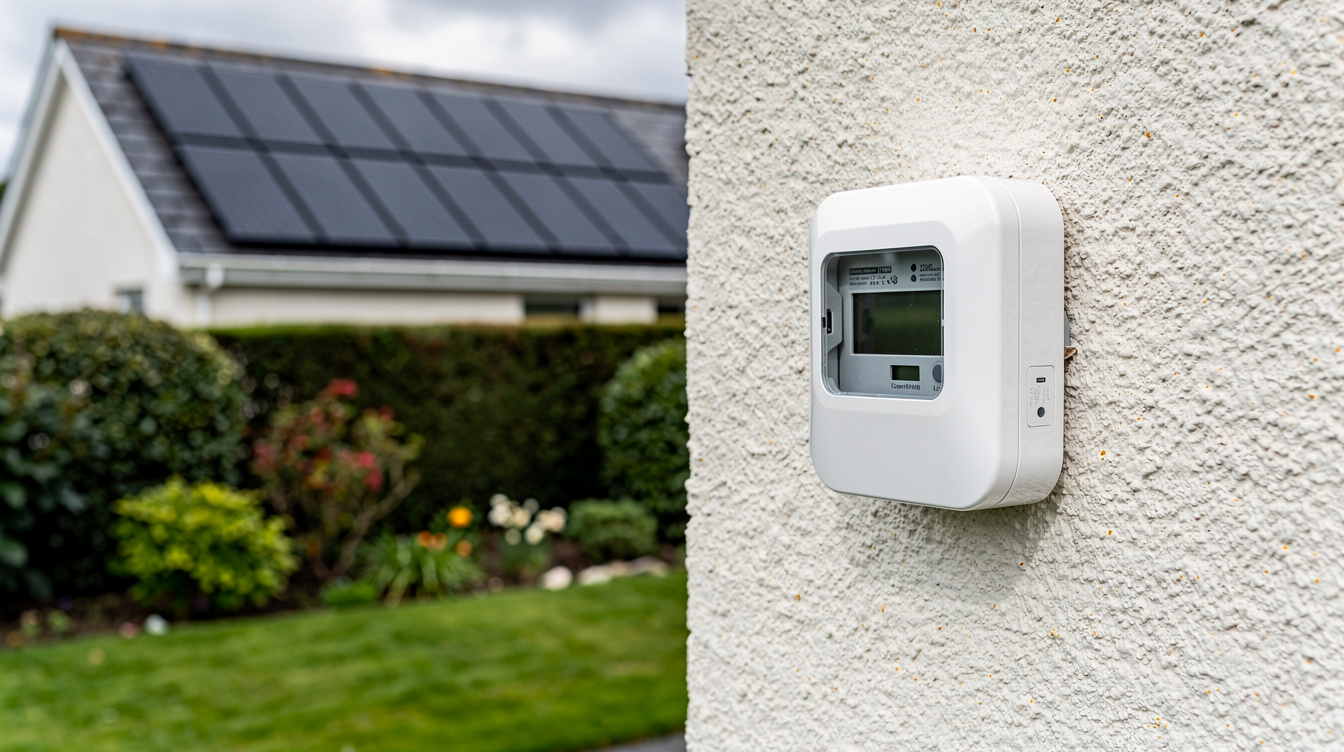
To sign up for a dynamic tariff, you need two things: a smart meter installed by ESB Networks, and adequate Three mobile network coverage at your property (the smart meter communicates via Three’s network). Most urban and suburban homes qualify. Rural areas with poor Three coverage may need to wait for network upgrades.
What Will Electricity Actually Cost Under Dynamic Pricing?
Here is what the research and early European data suggest for Irish dynamic tariff ranges:
| Time Period | Typical Conditions | Expected Dynamic Rate | Current Flat Rate |
|---|---|---|---|
| Off-peak (2am–6am) | Windy nights, low demand | €0.02–€0.08/kWh | €0.27–€0.36/kWh |
| Daytime (10am–4pm) | Moderate demand, some solar | €0.15–€0.30/kWh | €0.27–€0.36/kWh |
| Evening peak (5pm–9pm) | High demand, calm weather | €0.40–€0.70/kWh | €0.27–€0.36/kWh |
| Weekend daytime | Lower commercial demand | €0.10–€0.20/kWh | €0.27–€0.36/kWh |
The key takeaway: without any load shifting, your average cost will be roughly the same as a flat tariff. The savings come entirely from moving consumption to cheap periods — and that is where solar panels and batteries give you a massive advantage.
Why Solar Panel Owners Have a Huge Advantage
Dynamic pricing rewards flexibility. Solar panels give you exactly that. Here is why solar homeowners will benefit more than anyone else:
1. You Already Avoid the Most Expensive Hours
Your panels generate electricity during daytime when you would otherwise be buying from the grid. Under dynamic pricing, daytime rates will often be €0.15–€0.30/kWh — every kWh your panels produce during these hours is one you do not buy at that price. But the real win is the evening peak. If your panels have charged a battery during the day, you can discharge it from 5pm–9pm when rates hit €0.40–€0.70/kWh, avoiding the most expensive electricity entirely.
2. Battery Arbitrage Becomes a Money Machine
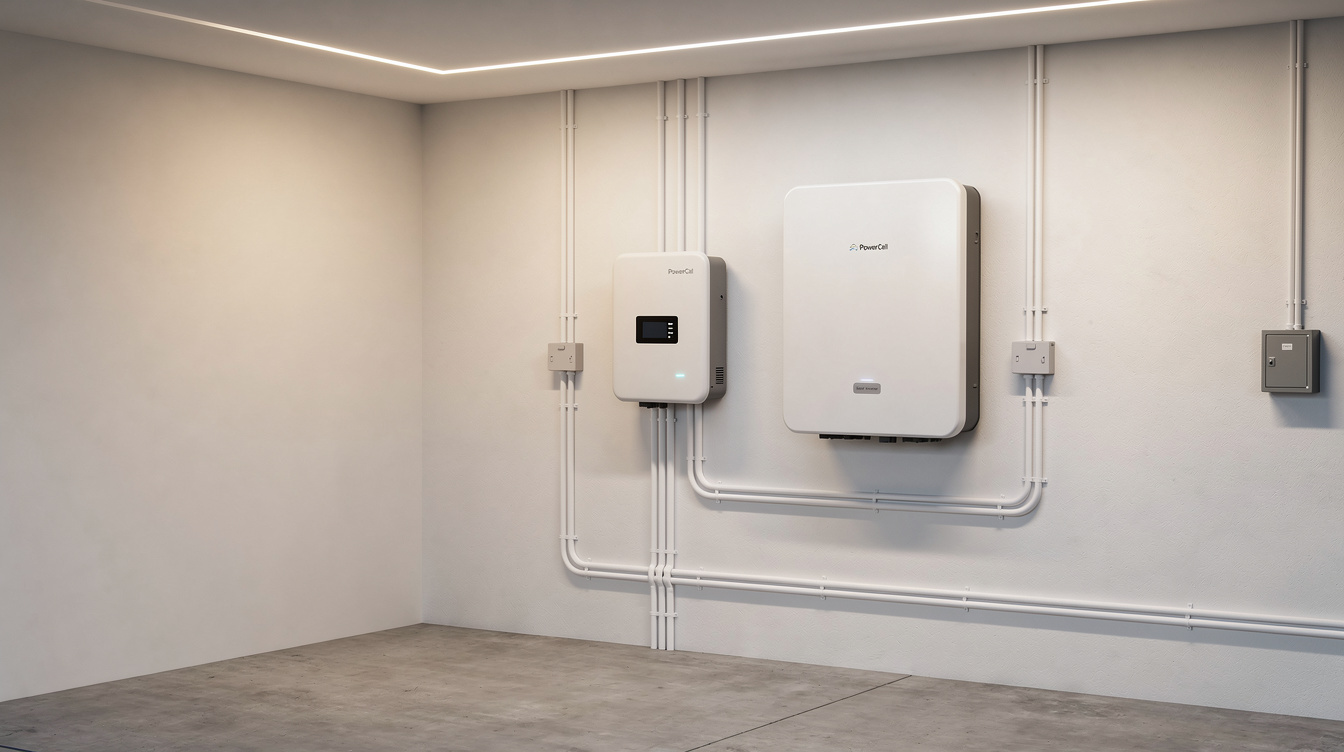
This is the game-changer. With a home battery, you can:
- Charge from the grid at 2am when rates are €0.02–€0.08/kWh
- Top up from solar during the day for free
- Discharge at 5pm–9pm when rates hit €0.50+/kWh
On a 5 kWh battery, one cycle of cheap-charge/peak-discharge saves roughly €2.00–€3.50 per day. Over a year, that is €730–€1,275 in avoided peak-rate costs — on top of your existing solar savings. The battery payback period under dynamic pricing drops from 8–10 years to potentially 4–6 years.
3. Your Export Earnings Could Increase
Under the Clean Export Guarantee, you currently earn a fixed 18.5–25c per kWh for exported electricity. Some suppliers may introduce dynamic export rates that pay more during peak periods. If you can time your exports (via battery discharge to grid) for expensive 30-minute windows, you could earn significantly more than the flat CEG rate.
Solar + Battery = Maximum Dynamic Pricing Savings
Find out how much a solar and battery system would cost for your home.
Real Savings Scenarios: With and Without Solar
Let’s model three households under dynamic pricing to show the difference solar makes. All scenarios assume annual consumption of 4,200 kWh (the Irish average).
| Scenario | Setup | Est. Annual Bill | Savings vs Flat Rate |
|---|---|---|---|
| No solar, no load shifting | Standard usage patterns | €1,400–€1,600 | Could pay MORE |
| 4 kW solar, no battery | Self-consume daytime, export surplus | €700–€900 | €200–€400 |
| 4 kW solar + 5 kWh battery | Arbitrage + peak avoidance | €350–€550 | €700–€1,000+ |
The household with solar panels and a battery could pay less than a third of what a non-solar household pays — potentially saving over €1,000 per year compared to a flat-rate tariff without solar.
How to Prepare: A Step-by-Step Checklist
Dynamic pricing launches on 1 June 2026. Here is what to do now to be ready:
Step 1: Check Your Smart Meter Status
You need a smart meter with a CTF (Communications Technically Feasible) score of 4 — meaning it can communicate via Three’s network. Contact ESB Networks or check your meter. If you do not have a smart meter yet, request one at esbnetworks.ie — installations are free and typically take 2–4 weeks.
Step 2: Get Solar Panels (If You Haven’t Already)
A 4–6 kW solar system is the sweet spot for most Irish homes. With the SEAI grant of €1,800 still available in 2026, the net cost for a 4 kW system is typically €4,200–€5,200. Under dynamic pricing, payback drops to 4–5 years.
Step 3: Add a Battery
If you already have panels, adding a battery (5–10 kWh) is the single best investment you can make before dynamic pricing launches. Costs range from €3,500–€7,000 depending on capacity. Under dynamic pricing arbitrage, the battery alone could save €700–€1,200 per year.
Step 4: Set Up Smart Energy Management
Modern battery systems from GivEnergy, Huawei, and Tesla include AI-powered energy management that automatically:
- Charges the battery from the grid during the cheapest 30-minute windows
- Stores daytime solar production for evening discharge
- Times your hot water immersion, EV charging, and washing machine for off-peak rates
- Decides whether to export or store based on real-time pricing
Step 5: Compare Dynamic Tariff Offers
Once suppliers publish their dynamic tariffs (expected May–June 2026), compare carefully. Look at the base unit rate and standing charge — not just the dynamic component. Use our guide to the best electricity tariff for solar panel owners for comparison methodology.
The Risks: Who Should NOT Switch to Dynamic Pricing?
Dynamic pricing is not for everyone. You should think carefully if:
- You cannot shift consumption — If your household uses most electricity between 5pm and 9pm (cooking, heating, TV) and you have no battery to buffer, dynamic pricing could cost you more
- You have no smart meter — Without one, you simply cannot access dynamic tariffs
- You are in a poor Three coverage area — Your smart meter needs Three network to transmit half-hourly readings
- You prefer predictable bills — Dynamic pricing means your bill varies month to month. A stormy, windy month might be cheap; a calm, cold month could be expensive
For solar panel owners with batteries, the risks are minimal. You are already generating your own daytime electricity and can buffer against peak pricing. The question is not “will you save?” but “how much will you save?”
Common Questions
Do I need to actively monitor prices all day?
No. Modern battery systems and smart home energy managers do this automatically. They download the next day’s prices each evening and optimise your charging and discharging schedule. You set it up once and let the AI handle it.
Will my export rate change to dynamic pricing too?
Possibly. The Clean Export Guarantee currently mandates a minimum fixed export rate. Some suppliers may offer dynamic export rates as an alternative. If they do, solar+battery owners could earn significantly more by exporting during peak periods rather than at a flat rate.
Can I switch back to a flat tariff if I do not like dynamic pricing?
Yes. Switching between tariffs and suppliers remains free in Ireland. You are not locked in. Try dynamic pricing for a month — if it does not suit your usage pattern, switch back.
What about EV owners with solar panels?
This is where the savings stack up even more. Programme your EV charger to charge during off-peak dynamic windows (typically 2am–6am at €0.02–€0.08/kWh). A full charge could cost as little as €1–€3 instead of €10–€15 on a flat rate. During summer, charge from your solar panels for free during the day.
Get Ready for Dynamic Pricing
Get quotes for solar panels and battery storage before June 2026.
The Bottom Line
Dynamic electricity pricing is the most significant change to the Irish electricity market in decades. It will reward flexibility and punish passive consumption. Solar panel owners — especially those with batteries — are perfectly positioned to benefit.
The households that will save the most under dynamic pricing are those that:
- Generate their own electricity with solar panels
- Store it in a home battery
- Use smart energy management to charge cheap and discharge dear
- Time heavy loads (EV charging, immersion, dishwasher) for off-peak windows
If you have been on the fence about solar panels, dynamic pricing tips the scales decisively. The combination of €1,800 SEAI grant, zero VAT, export payments, and now dynamic pricing arbitrage means a typical system could pay for itself in 3–5 years — and keep saving you €1,000+ per year after that.
Related Articles
Solar Panels and Smart Meters Ireland 2026: How to Maximise Export Payments and Savings
How smart meters unlock solar export payments in Ireland. Supplier rates compared, time-of-use tariff strategies, and step-by-step setup for 2026.
Solar Panels and Home Insurance in Ireland 2026: What's Covered, What's Not & What to Tell Your Insurer
Do solar panels affect your home insurance in Ireland? What's covered, premium impact, and how to notify your insurer. 2026 guide.
Solar Panel Demand in Ireland Has Surged 96% in 2026 — Here’s Why (And Why You Should Act Now)
SEAI solar applications up 96%, Iran war pushing electricity prices higher. Why Irish homeowners are going solar in record numbers and how to act now.