
Solar Panels and Home Insurance in Ireland 2026: What's Covered, What's Not & What to Tell Your Insurer
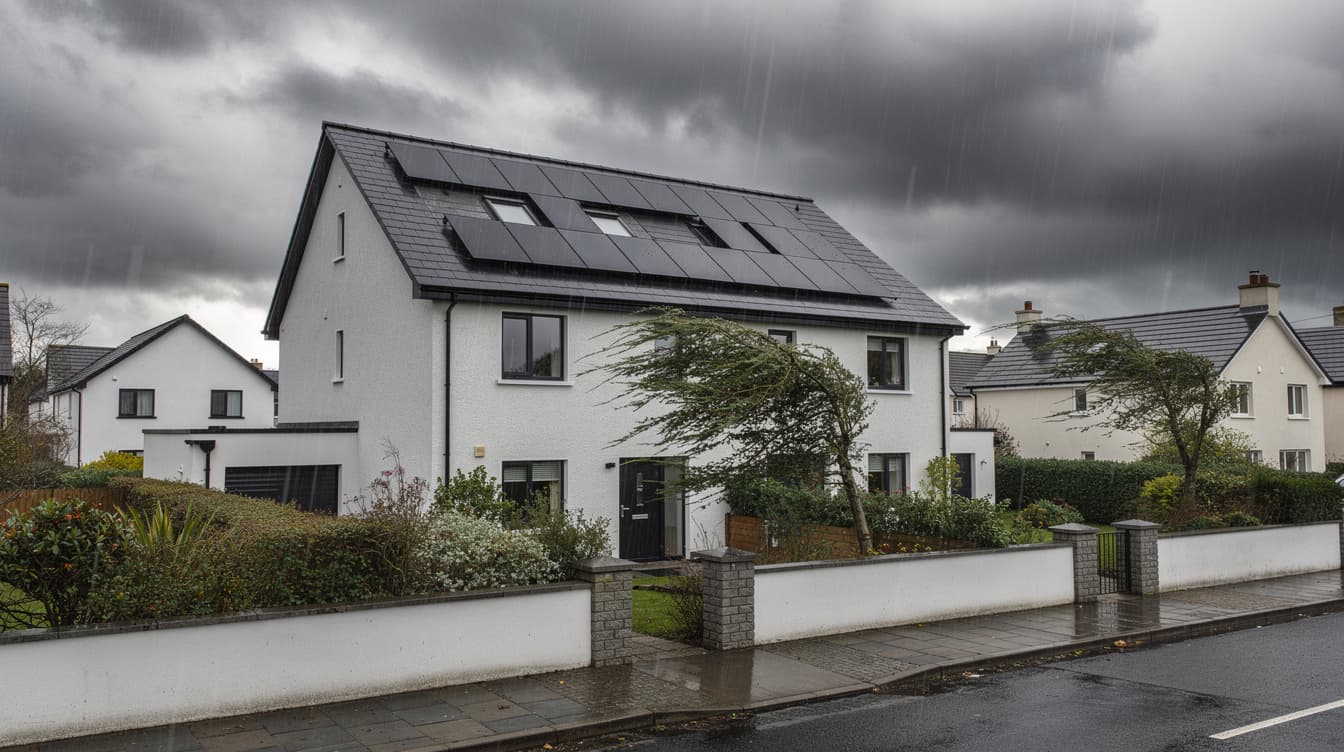
You have spent €5,000–€10,000 on a solar panel system. Storm Éowyn rattles your roof. A panel cracks, a bracket lifts, water gets in. Are you covered? The answer depends entirely on whether you told your insurer — and most homeowners do not realise this until it is too late.
In 2026, with over 100,000 Irish homes now fitted with solar panels, insurance questions are coming up more than ever. This guide covers everything: what your policy covers, what it does not, how to notify your insurer, whether your premium will rise, and exactly what to do if you need to make a claim.
Ready to Go Solar?
Get your free personalised quote from SEAI-registered installers.
The One Thing You Must Do: Notify Your Insurer
This is the single most important point in this entire article. You must tell your home insurance provider before or immediately after installing solar panels. If you do not, and you later make a claim — for anything, not just the panels — your insurer could reject it or void your entire policy.
Why? Installing solar panels is a “material change” to your property. It alters the structure of your roof, changes the rebuild cost, and introduces new components that could be damaged or cause damage. Irish insurance law requires you to disclose material changes. Failing to do so is treated as non-disclosure, which can invalidate your cover.
When to notify:
- Ideally, 30 days before installation begins
- At minimum, within 14 days of installation completing
- Provide your insurer with the system size (kW), number of panels, and the total installed cost
- Ask them to update your “sum insured” (rebuild cost) to include the panel system value
What Your Home Insurance Typically Covers
Once your insurer knows about your panels, they are treated as part of the building’s structure — just like your windows, doors, or roof tiles. Your buildings insurance should then cover the panels against:
| Covered Event | Example | Typical Coverage |
|---|---|---|
| Storm damage | High winds dislodge a panel or crack glass | Full repair/replacement minus excess |
| Fire | Electrical fire damages panels or inverter | Full repair/replacement minus excess |
| Lightning strike | Surge damages inverter or wiring | Full repair/replacement minus excess |
| Falling objects | Tree branch falls on panels | Full repair/replacement minus excess |
| Theft | Panels stolen from roof (rare but possible) | Replacement cost minus excess |
| Vandalism | Deliberate damage to panels | Repair/replacement minus excess |
| Flood damage | Floodwater damages ground-level inverter | Depends on flood cover status |
What Your Insurance Does NOT Cover
This is where homeowners get caught out. Standard home insurance typically excludes:
- Wear and tear — Gradual degradation of panels over 25–30 years is expected and not insurable. Your panel warranty covers performance degradation instead
- Mechanical or electrical breakdown — If your inverter fails due to a manufacturing defect, that is a warranty claim, not an insurance claim
- Accidental damage — Not always included as standard. If you accidentally drop a tool on a panel during gutter cleaning, check whether your policy includes accidental damage cover. Many do not
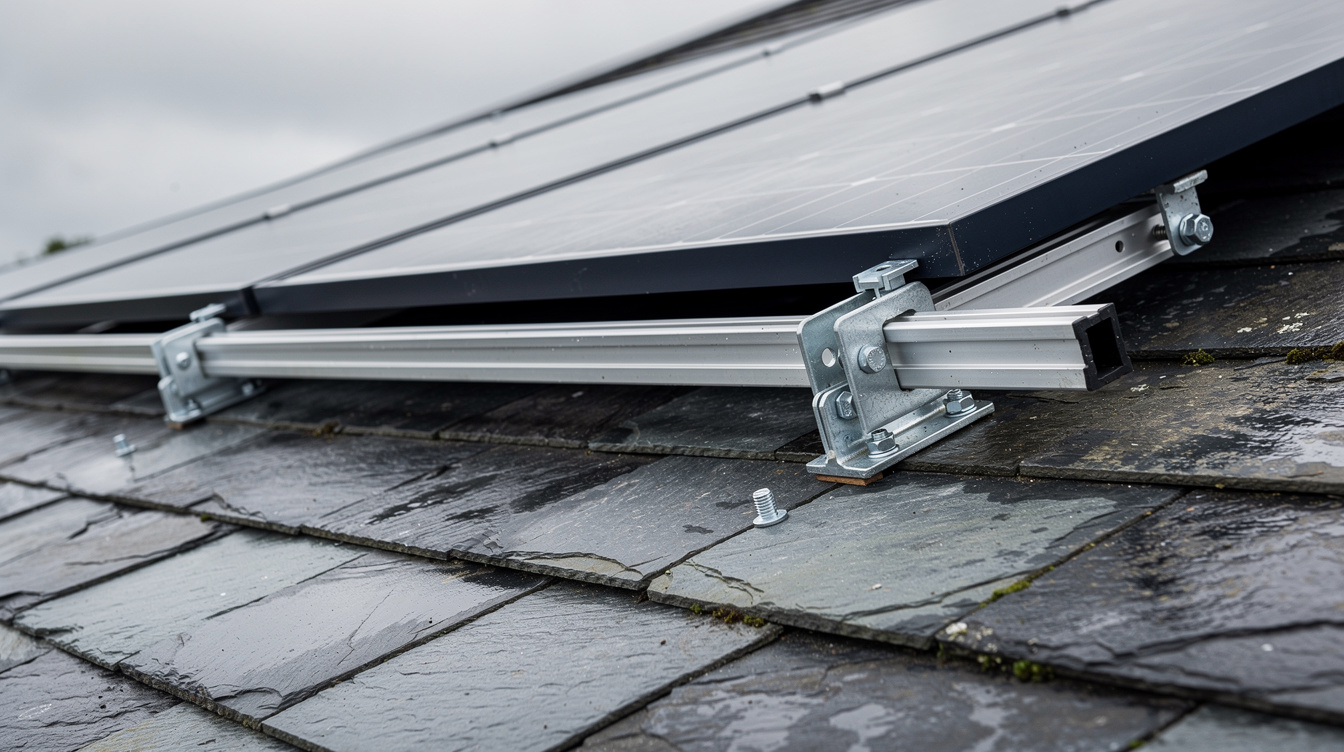
- Poor installation — If panels were incorrectly mounted and later fail, your insurer may refuse the claim. Always use an SEAI-registered installer for this reason
- Loss of income from reduced generation — If panels are damaged and you lose export income or savings while waiting for repairs, this is almost never covered
- Battery failures — Battery storage systems may need separate confirmation of coverage. Check with your insurer
Will Your Premium Go Up?
The honest answer: it depends on your insurer, but most homeowners see little or no increase. Here is what the major Irish insurers typically do:
| Insurer Approach | Premium Impact | Notes |
|---|---|---|
| Cover as standard, no change | None | Some insurers include panels automatically once notified |
| Increase sum insured | €20–€60/year | Most common. Rebuild cost goes up by €5k–€10k |
| Eco-home discount | Net reduction possible | Some insurers offer green home discounts that offset the increase |
A typical 4 kW solar panel system adds €5,000–€7,000 to your rebuild cost. At standard insurance rates, this translates to roughly €20–€50 per year in additional premium. Compared to annual electricity savings of €600–€1,200, this is negligible.
What to Tell Your Insurer: The Checklist
When you ring your insurer (or update your policy online), have these details ready:
- System size — e.g., 4 kW (number of panels × wattage)
- Total installed cost — the full invoice amount before the SEAI grant
- Battery storage — if you have a battery, include its value separately
- Installer details — name of SEAI-registered installer and their insurance
- Installation date — when the system was commissioned
- Mounting type — roof-mounted (most common) or flat roof/ground-mounted
Ask your insurer to confirm in writing:
- That the panels are covered under buildings insurance
- The updated sum insured figure
- Whether accidental damage is included
- Whether battery storage is covered
- Any specific exclusions
Planning to Install Solar Panels?
Get quotes from SEAI-registered installers who handle all paperwork.
How to Make an Insurance Claim for Solar Panel Damage
If your panels are damaged, follow these steps:
1. Document the Damage Immediately
Take photos from multiple angles before touching anything. Note the date, time, and weather conditions. If it was storm damage, check Met Éireann for official storm warnings — your insurer may ask for this.
2. Contact Your Insurer Within 48 Hours
Most policies require prompt notification. Do not start repairs before your insurer has assessed or approved the claim, unless there is an immediate safety risk (e.g., exposed wiring).
3. Get a Professional Assessment
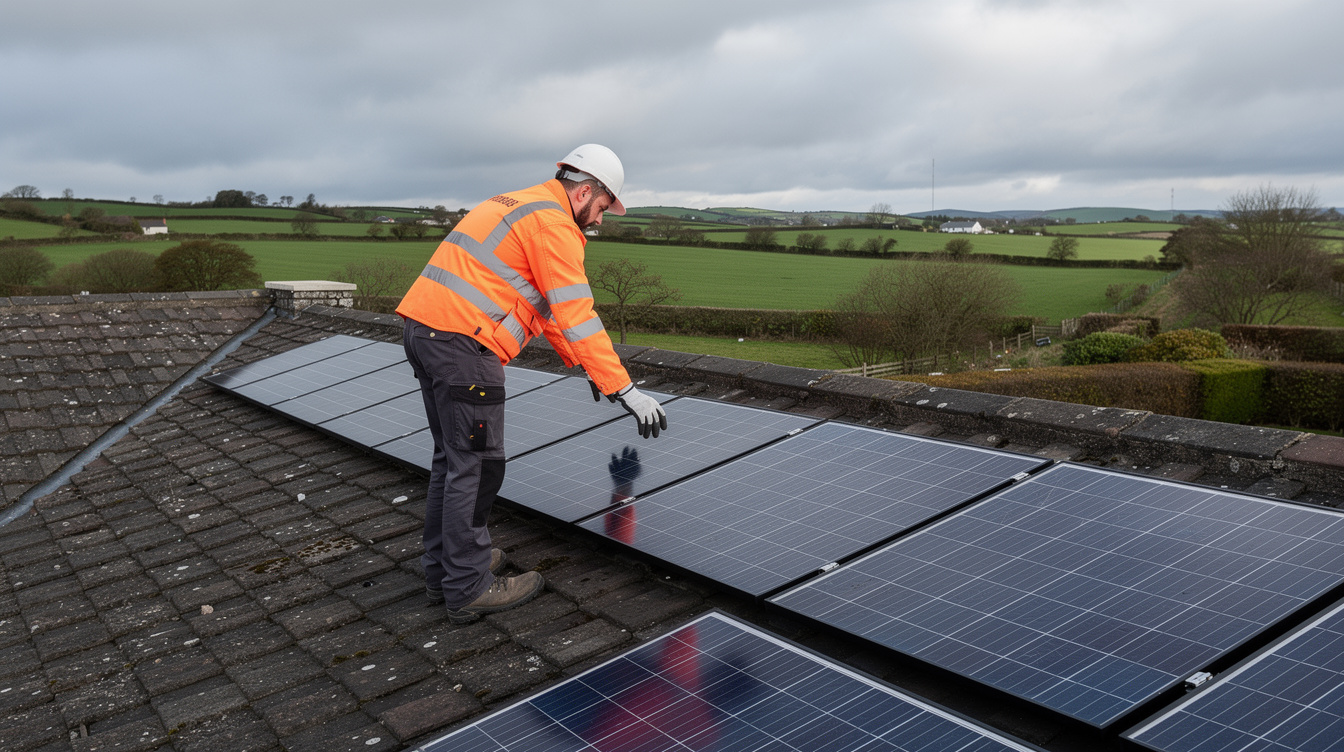
Contact your solar installer or an SEAI-registered technician to assess the damage and provide a repair quote. Your insurer may also send their own assessor.
4. Keep All Documentation
Retain your original installation invoice, warranty documents, and any maintenance records. These prove the system was professionally installed and properly maintained — both important for a successful claim.
5. Understand Your Excess
Most home insurance policies have an excess of €200–€500. If the panel damage costs €400 to repair and your excess is €300, you will only receive €100. For minor damage, it may not be worth claiming at all, as it could affect your no-claims bonus.
5 Ways to Reduce Your Insurance Risk
- Use an SEAI-registered installer — Professional installation to IS EN 62446 standards means your insurer cannot claim poor workmanship
- Get annual inspections — A yearly check of mountings, wiring, and panel condition shows due diligence. Keep the inspection report
- Install bird proofing — Bird mesh prevents pigeons nesting under panels, which can cause wiring damage and fire risk
- Trim overhanging trees — Falling branches are one of the most common causes of panel damage claims. Keep trees trimmed back from your roof
- Monitor your system — Use your inverter’s monitoring app to spot output drops early. Catching damage quickly prevents secondary damage (e.g., water ingress through a cracked panel)
What If You Lease or Finance Your Solar Panels?
If you are using a solar panel finance plan or lease, the situation is slightly different:
- Financed panels (you own them) — Same rules as above. Notify your insurer and add them to your buildings cover
- Leased panels (provider owns them) — The leasing company typically carries their own insurance on the panels, but you should still notify your home insurer as the panels are physically attached to your roof. Confirm in writing who covers what
- PPA (Power Purchase Agreement) — Similar to leased. The provider owns and insures the panels, but your buildings policy may still need updating
The Bottom Line
Solar panels are one of the safest additions you can make to your home. They have no moving parts, are designed to withstand decades of Irish weather, and the risk of damage is low. But the insurance step matters — not because the risk is high, but because failing to notify your insurer could jeopardise your entire home insurance policy.
The key actions are simple:
- Tell your insurer before or immediately after installation
- Update your sum insured to include the system value
- Confirm coverage in writing
- Keep your installation documents and annual inspection records
Do this, and you can enjoy your solar savings with complete peace of mind.
Ready to Go Solar?
Get your free personalised quote from SEAI-registered installers.
Related Articles
Dynamic Electricity Pricing and Solar Panels Ireland 2026: How to Profit From 30-Minute Rates
Ireland launches 30-minute dynamic pricing in June 2026. Solar + battery owners could save over €1,000/year. How it works and how to prepare.
Solar Panels and Smart Meters Ireland 2026: How to Maximise Export Payments and Savings
How smart meters unlock solar export payments in Ireland. Supplier rates compared, time-of-use tariff strategies, and step-by-step setup for 2026.
Solar Panel Demand in Ireland Has Surged 96% in 2026 — Here’s Why (And Why You Should Act Now)
SEAI solar applications up 96%, Iran war pushing electricity prices higher. Why Irish homeowners are going solar in record numbers and how to act now.