
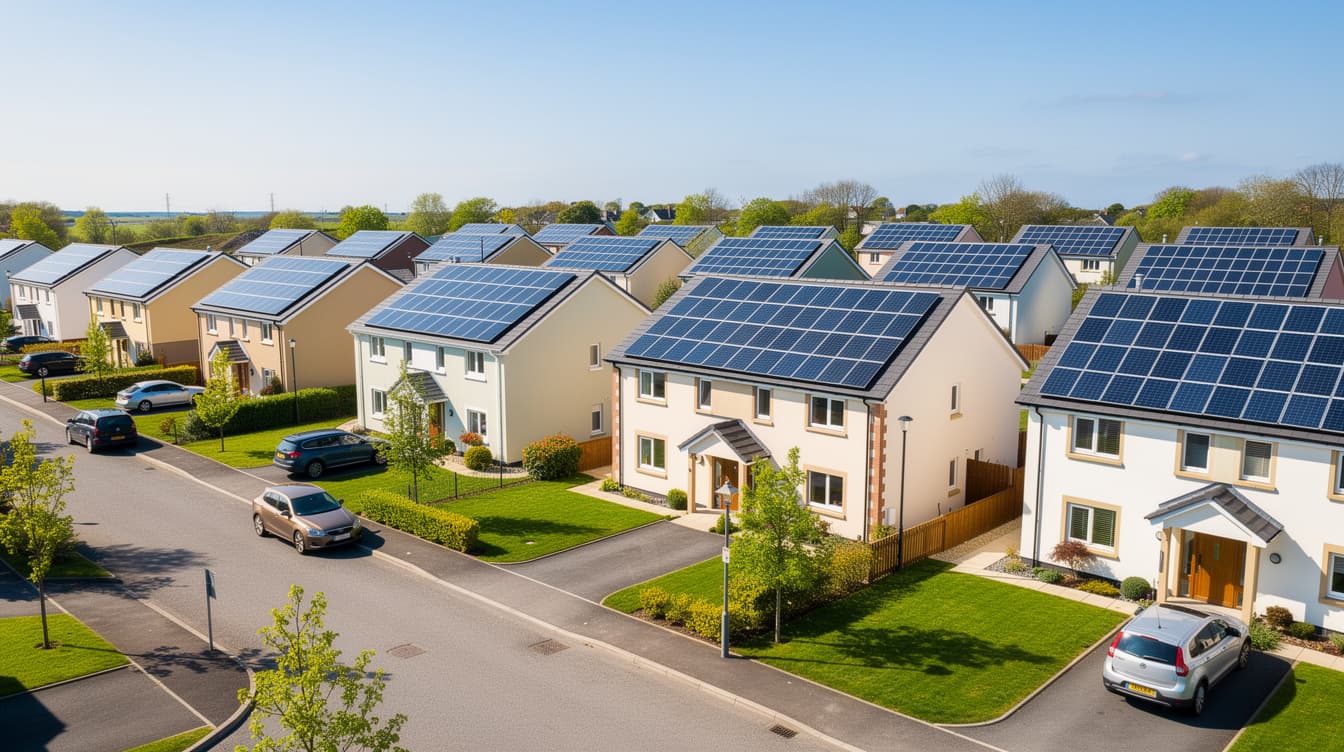
Solar Panel Waiting Times Ireland 2026: How Long From Quote to Installation (And How to Beat the Queue)
Ireland is in the middle of a solar boom. SEAI solar PV applications surged 65% in Q1 2026, with over 10,000 homeowners applying for grants in just three months. The Iran energy crisis has turbo-charged demand further, with Solar Ireland reporting a 38% jump in same-day purchases since March. The result? Installer calendars are packed and waiting times are stretching. If you are thinking about going solar, this guide tells you exactly how long each step takes right now — and how to jump the queue.
Don’t Wait Months for a Quote
Get matched with SEAI-registered installers who have availability now.
Why Are Solar Waiting Times So Long in 2026?
Three things have collided at once to create the longest solar waiting times Ireland has ever seen:
- The Iran energy crisis. Since the conflict escalated in March 2026, electricity prices have spiked. The average unit rate hit 35–36 cent per kWh, pushing annual bills above €1,400 for many households. Homeowners are scrambling for energy independence.
- The SEAI grant stayed at €1,800. The government had planned to cut the grant by €300 in 2026, but reversed course. The full €1,800 remains available, and people are rushing to lock it in before any future reduction.
- Dynamic tariffs launch 1 June 2026. The five largest electricity suppliers must offer dynamic pricing from 30 June, where rates change every 30 minutes based on wholesale prices. Homeowners with solar and battery can charge at €0.02/kWh overnight and avoid peak rates of up to €0.50/kWh. Everyone wants their system installed before dynamic tariffs arrive.
The bottom line: demand is at record levels, but the number of qualified SEAI-registered installers has not grown at the same pace. That gap creates the queue.
Current Waiting Times: Step by Step
The wait is not one long queue — it is actually several separate stages, each with its own timeline. Here is what each step looks like in April 2026:
| Stage | Current Wait Time | Pre-Surge (2025) |
|---|---|---|
| Get quotes from installers | 1–3 weeks | 3–7 days |
| Site survey & system design | 1–2 weeks | 3–5 days |
| SEAI grant approval | 4–8 weeks | 1–2 weeks |
| Installer scheduling (the big bottleneck) | 6–16 weeks | 2–4 weeks |
| Physical installation | 1–2 days | 1–2 days |
| ESB Networks NC6 / smart meter | 4–16 weeks | 4–8 weeks |
| SEAI grant payment | 4–6 weeks | 4–6 weeks |
| Total: quote to fully operational | 3–6 months | 6–10 weeks |
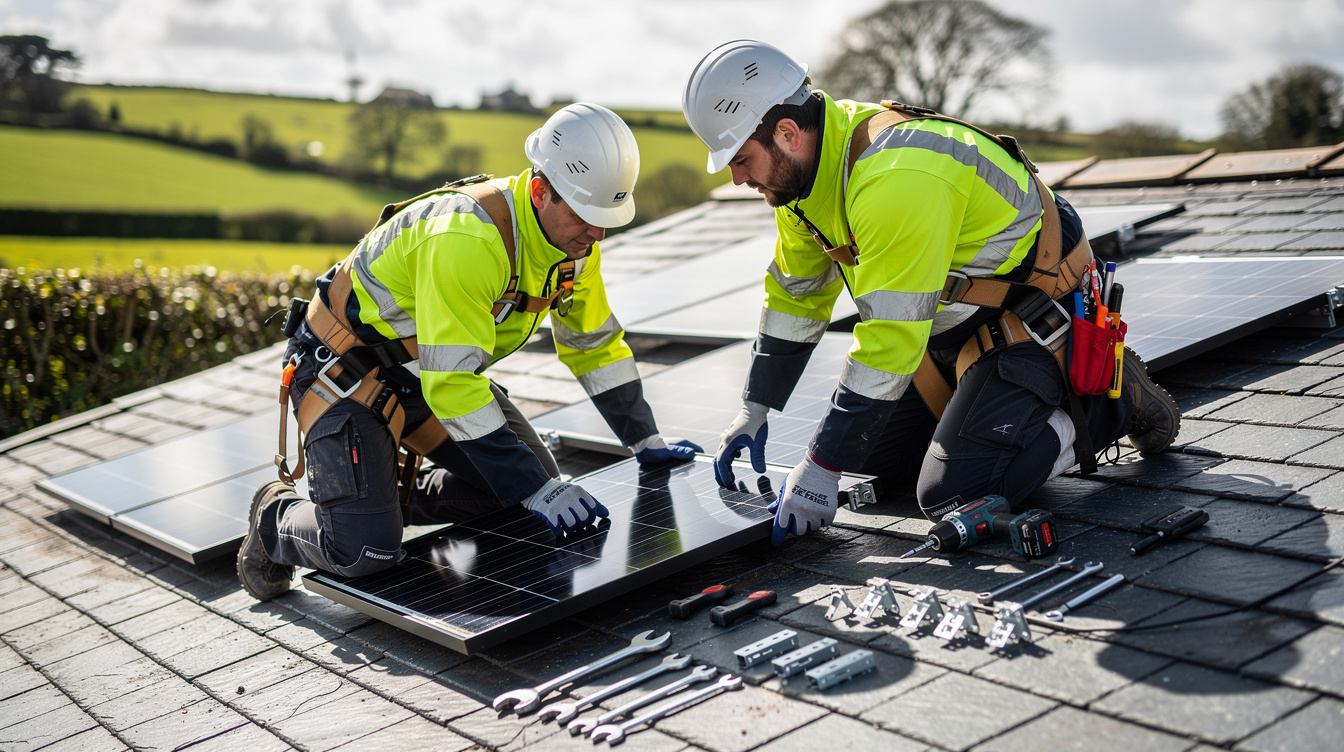
Two things jump out. First, the actual roof installation has not changed — a qualified crew still puts up a typical 10-panel system in a single day. Second, the bottleneck has shifted from paperwork to installer availability. In 2025, most homeowners waited longest for the SEAI grant to come through. In 2026, it is the queue for an installation slot that dominates the timeline.
The SEAI Grant: What Is Actually Happening Behind the Scenes
The SEAI solar PV grant process has two stages, and understanding both helps set expectations:
Stage 1: Application Approval (Before Installation)
You or your installer submit a grant application to the SEAI before any work begins. In normal times, this takes 1–2 weeks. With 10,000+ applications in Q1 2026 alone, approval is now taking 4–8 weeks. If your documentation is incomplete or your installer is not SEAI-registered, expect longer.
Stage 2: Grant Payment (After Installation)
After your panels are installed, your installer submits completion paperwork to SEAI. The grant is then paid directly to your bank account, typically within 4–6 weeks. This part has not slowed down much — SEAI has added processing capacity for completions.
Important: You Do Not Have to Wait for Grant Approval to Get Quotes
Many homeowners waste weeks waiting for SEAI approval before even contacting installers. You can — and should — start getting quotes immediately. Most installers handle the SEAI application on your behalf, and the grant approval can run in parallel with installer scheduling.
ESB Networks: The Hidden Delay Nobody Warns You About
Once your panels are on the roof, your installer submits an NC6 Microgeneration Notification form to ESB Networks. This registers your system for grid connection and triggers a smart meter upgrade (if you do not already have one). Here is where the wait can surprise you:
- NC6 processing: ESB Networks processes the form, which takes a minimum of 20 working days.
- Smart meter installation: If you need a new smart meter, ESB Networks aims to install it within 4 months of the NC6 being processed — but that timeline depends on their rollout schedule in your area.
- Export payments start only after the smart meter: You cannot earn Clean Export Guarantee payments until your smart meter is in and you have signed up with a supplier for export.
The critical point: your panels start saving you money from day one by reducing what you draw from the grid. You just will not get paid for exports until ESB Networks catches up. Many homeowners report their self-consumption savings dwarf their export income anyway.
7 Ways to Beat the Queue
You cannot magically make more installers appear, but you can shave weeks off your timeline by being prepared and strategic:
1. Get Multiple Quotes Immediately
Do not research for months before contacting installers. Request quotes today and compare while you learn. The clock starts when you pick up the phone, not when you finish reading articles.
2. Be Flexible on Dates
Installers often have cancellation slots and weekday openings that fill slower than Saturdays. If you work from home or can take a day off, tell your installer you are flexible. Some companies report that flexible customers get installed 3–4 weeks sooner.
3. Have Your Paperwork Ready
Before the site survey, have the following ready:
- Your most recent electricity bill (shows your MPRN)
- Your BER certificate (if you have one)
- Photos of your roof, attic space, and fuse board
- Confirmation your house was built before 2021 (SEAI requirement)
4. Ask About the NC6 Timeline
Ask your installer if they submit the NC6 form on the day of installation or afterwards. Same-day submission saves weeks. Some installers also have better relationships with ESB Networks and can flag issues faster.
5. Consider Smaller or Regional Installers
The big national companies are booked furthest out. Regional installers with 2–3 crews often have shorter wait times. Check SEAI’s registered installer list at seai.ie and call companies in your county directly.
6. Lock In Your Slot with a Deposit
Once you have chosen an installer, pay the deposit promptly. Installation slots are held on a first-come-first-served basis, and delays in confirming can push you back weeks.
7. Do Not Wait for “Better” Prices
Solar panel costs in Ireland have already dropped significantly. A typical 5 kW system costs €6,000–€8,000 before the grant. Waiting six months for a small price drop means six months of electricity bills you could have been saving on — and the queue will only be longer.
Skip the Queue
We match you with SEAI-registered installers who have current availability in your area.
The Dynamic Tariffs Deadline: Why June 2026 Matters
From 1 June 2026, Ireland’s five largest electricity suppliers must offer dynamic tariffs — pricing that changes every 30 minutes based on wholesale electricity markets. This is a game-changer for solar-plus-battery households:
| Scenario | Typical Rate | What It Means |
|---|---|---|
| Overnight charging (1am–5am) | €0.02–€0.05/kWh | Fill your battery for almost nothing |
| Midday solar peak | €0.08–€0.15/kWh | Use your own solar, export the rest |
| Evening peak (5pm–8pm) | €0.35–€0.50/kWh | Discharge your battery instead of buying |
If you have solar panels installed before dynamic tariffs go live, you can start capturing these savings immediately. If you are still in the queue, you will be paying peak rates while your neighbours are not. This urgency is a big reason waiting times have stretched so far — everyone wants to beat the June deadline.
Even if you cannot get installed by June, remember that dynamic tariffs are not going away. Getting installed by August or September still means years of savings. Do not let the perfect be the enemy of the good.
What to Do While You Wait
Your time in the queue does not have to be wasted. Here are productive steps you can take before installation day:
- Optimise your electricity usage. Identify your biggest energy drains and shift usage to off-peak hours now. This habit pays off even more once you have solar.
- Get your attic insulated. SEAI grants cover attic insulation too, and the combination with solar improves your BER rating significantly.
- Research your electricity tariff options. When your panels arrive, you will want to be on the best export tariff from day one.
- Check if you need planning permission. Most residential installations are exempt from planning, but there are exceptions for listed buildings and apartments.
- Consider adding a battery. If you have not included a battery in your quote, now is the time to add it — especially with dynamic tariffs coming.
Will Waiting Times Improve?
Probably not soon. The government has set a target of 73,000 home energy upgrades for 2026 and allocated €640 million to the scheme. Solar PV is by far the most popular upgrade. SEAI is adding processing capacity, but the real constraint is skilled installers — and training takes time.
Solar Ireland has been calling for faster certification pathways for new installers, and QQI Level 6 solar PV courses are running at full capacity across the country. But even with accelerated training, it will take 12–18 months for supply to catch up with demand.
The message is clear: the queue will get longer before it gets shorter. If you are considering solar, the best time to start is today.
Ready to Go Solar?
Get your free personalised quote from SEAI-registered installers.
Frequently Asked Questions
How long does the actual installation take?
The physical installation of a typical residential solar panel system (8–14 panels) takes just one to two days. Larger commercial systems may take three to five days.
Can I speed up the SEAI grant approval?
The main way to avoid delays is to ensure your application is complete and accurate the first time. Use an SEAI-registered installer who handles the paperwork regularly — they know exactly what SEAI wants and submit clean applications that get processed faster.
Do I need to be home during installation?
Yes, someone should be home. The installers will need access to your attic, fuse board, and possibly internal walls for cable routing. Most installations are completed in a single day, so you only need to take one day off.
What if I cannot wait 3–6 months?
Consider a plug-in solar panel as a stopgap. While not yet fully legal for grid connection in Ireland, a small 400–800W plug-in system can reduce your bills while you wait for a full installation. Just be aware of the current legal position.
Will the SEAI grant still be available if I wait until 2027?
The €1,800 grant is confirmed for 2026. The government originally planned to reduce it by €300 per year, with the scheme ending in 2029. There is no guarantee the full €1,800 will be available in 2027 — the current rate was only confirmed after a last-minute reversal.
Related Articles
How to Choose a Solar Panel Installer in Ireland 2026: 10 Questions, 7 Red Flags & What Good Looks Like
10 questions to ask every solar installer, 7 red flags to avoid, and how to compare quotes. A practical guide for Irish homeowners in 2026.
Solar Panel Demand in Ireland Has Surged 96% in 2026 — Here’s Why (And Why You Should Act Now)
SEAI solar applications up 96%, Iran war pushing electricity prices higher. Why Irish homeowners are going solar in record numbers and how to act now.
How Long Does It Take to Install Solar Panels in Ireland? The Full 2026 Timeline
Solar panel installation in Ireland takes 1-2 days on the roof, but 4-8 weeks end-to-end. Here's every step from quotes to SEAI grant, with exact timelines.