
Solar Panels Cork 2026: Costs, Installers, Output & Why Cork Is Ireland's Solar Sweet Spot
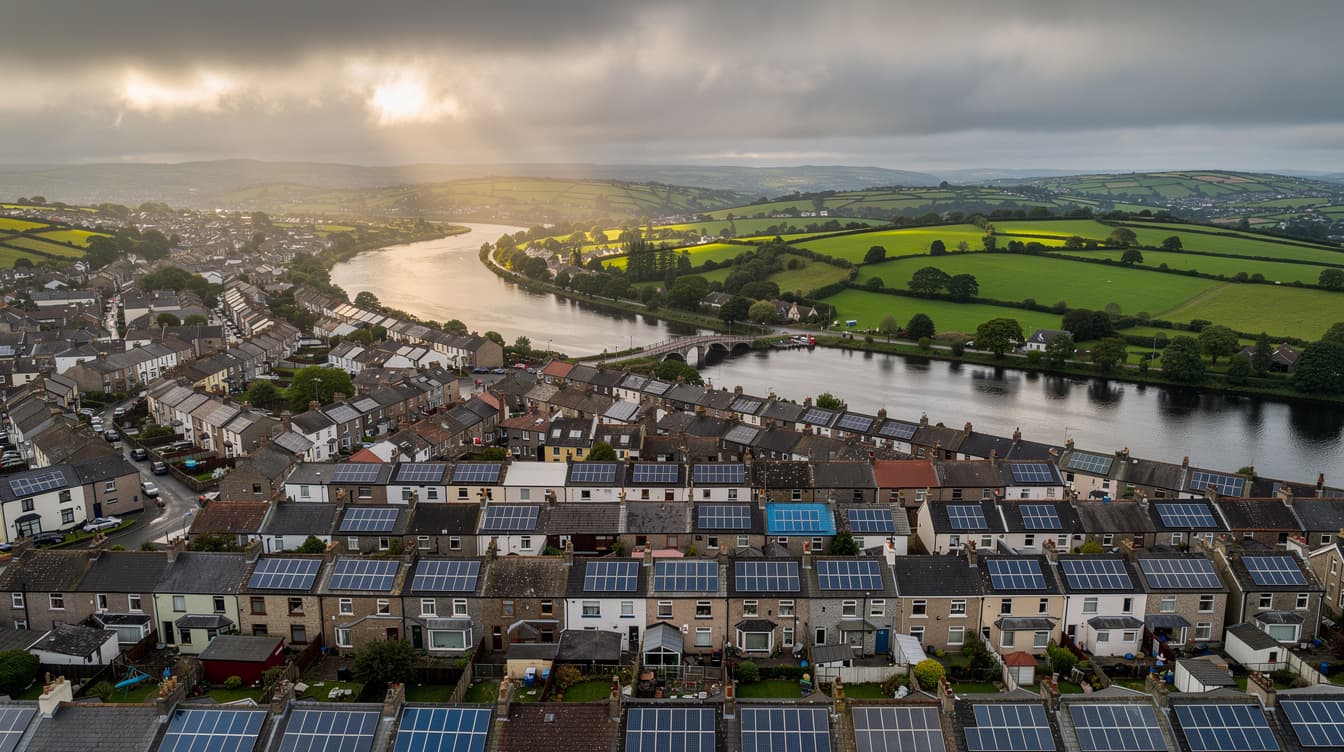
Cork has a quiet advantage over every other county in Ireland when it comes to solar panels. It gets more sunshine than Dublin, has milder winters than Galway, enjoys lower installer pricing than the capital, and — as Ireland's largest county by area — offers the roof diversity to suit everything from Victorian terraces in the city centre to sprawling farmhouses in West Cork. Yet most Cork homeowners still overpay by €1,500–€3,000 because they don't get enough quotes or don't know what a fair price looks like for their house type.
This guide gives you everything you need: real 2026 prices broken down by house type, Cork-specific solar output figures, how to navigate planning in conservation areas like Shandon or Cobh, the SEAI grant process, and how to choose between 300+ registered installers competing for your business in Munster.
Get Cork Solar Quotes in 24 Hours
Compare prices from SEAI-registered Cork installers — free, no obligation.
Why Cork Is Ideal for Solar Panels
Before we talk costs, it's worth understanding why Cork consistently outperforms the national average for solar PV output:
- 1,417 sunshine hours per year — that's roughly 10% more than Dublin (1,280 hours) and 20% more than counties on the northwest coast.
- Solar irradiance of 1,020–1,080 kWh/m²/year — among the highest in Ireland, on par with Wexford and Waterford.
- Milder winters — Cork's Gulf Stream influence means fewer hard frosts and less snow cover, so panels keep generating even in December and January.
- 2.8–3.0 peak sun hours per day (annual average), rising to 4.5–5.0 PSH in May–July.
In practical terms, a 4.1 kWp system (10 panels) in Cork will generate roughly 3,700–4,100 kWh per year — enough to cover 60–75% of a typical 3-bed semi's electricity demand.
What Solar Panels Cost in Cork in 2026
Cork pricing sits roughly in the middle of the national range. You won't pay the Dublin premium, but you also won't get the ultra-competitive pricing that sometimes appears in Leinster where installer density is highest. Here's what Cork homeowners actually pay in May 2026, after the €1,800 SEAI grant:
| House Type | Typical System | Before Grant | After €1,800 Grant | Annual Output |
|---|---|---|---|---|
| 2-bed terrace (city) | 6–8 panels / 2.5–3.3 kWp | €4,800–€6,200 | €3,000–€4,400 | 2,300–3,000 kWh |
| 3-bed semi-detached | 10–12 panels / 4.1–5.0 kWp | €6,200–€8,000 | €4,400–€6,200 | 3,700–4,500 kWh |
| 4-bed detached | 14–18 panels / 5.7–7.4 kWp | €8,500–€11,000 | €6,700–€9,200 | 5,100–6,700 kWh |
| Bungalow (rural Cork) | 12–16 panels / 5.0–6.6 kWp | €7,000–€9,500 | €5,200–€7,700 | 4,500–6,000 kWh |
| Farmhouse + battery | 16–20 panels / 6.6–8.2 kWp + 5–10 kWh | €13,000–€18,000 | €11,200–€16,200 | 6,000–7,400 kWh |
Battery add-on costs: A 5 kWh battery (e.g. Huawei LUNA) adds €3,500–€4,500. A 10 kWh unit (GivEnergy All-in-One or Tesla Powerwall 3) adds €5,500–€7,500. Batteries make most sense in Cork for homes with high evening consumption or those wanting to maximise Clean Export Guarantee earnings.
Cork vs Dublin vs Donegal: How Does Solar Compare?
If you're wondering whether Cork really does outperform other counties, here's a side-by-side:
| Factor | Cork | Dublin | Donegal |
|---|---|---|---|
| Sunshine hours/year | 1,417 | 1,280 | 1,100–1,200 |
| Solar irradiance (kWh/m²/yr) | 1,020–1,080 | 950–1,000 | 880–950 |
| 4 kWp system output | 3,700–4,100 kWh | 3,400–3,800 kWh | 3,000–3,500 kWh |
| Avg install cost (after grant) | €4,400–€6,200 | €4,800–€6,800 | €4,600–€6,500 |
| Typical payback period | 4–6 years | 5–7 years | 5.5–7.5 years |
Cork's combination of higher output and slightly lower costs means the average payback is 4–6 years — a full year faster than Dublin in most cases.
The SEAI Solar Grant for Cork Homeowners
The SEAI solar PV grant is worth up to €1,800 in 2026. Here's what you need to know:
- Your home must be built before 2021 and connected to the electricity grid.
- You must use an SEAI-registered installer — no exceptions.
- The grant covers systems up to 4 kWp. You can install more, but the grant caps at €1,800.
- Solar panels in Ireland carry 0% VAT since 2023, saving you another €800–€1,500 depending on system size.
- Processing time is currently 4–8 weeks after your installer submits the completion paperwork.
Tip for Cork homeowners: Apply for your BER assessment early. Cork's BER assessors are busy, and you'll need the post-installation BER to close out the grant. Book your assessor the same week you sign with your installer.
How to Choose a Solar Installer in Cork
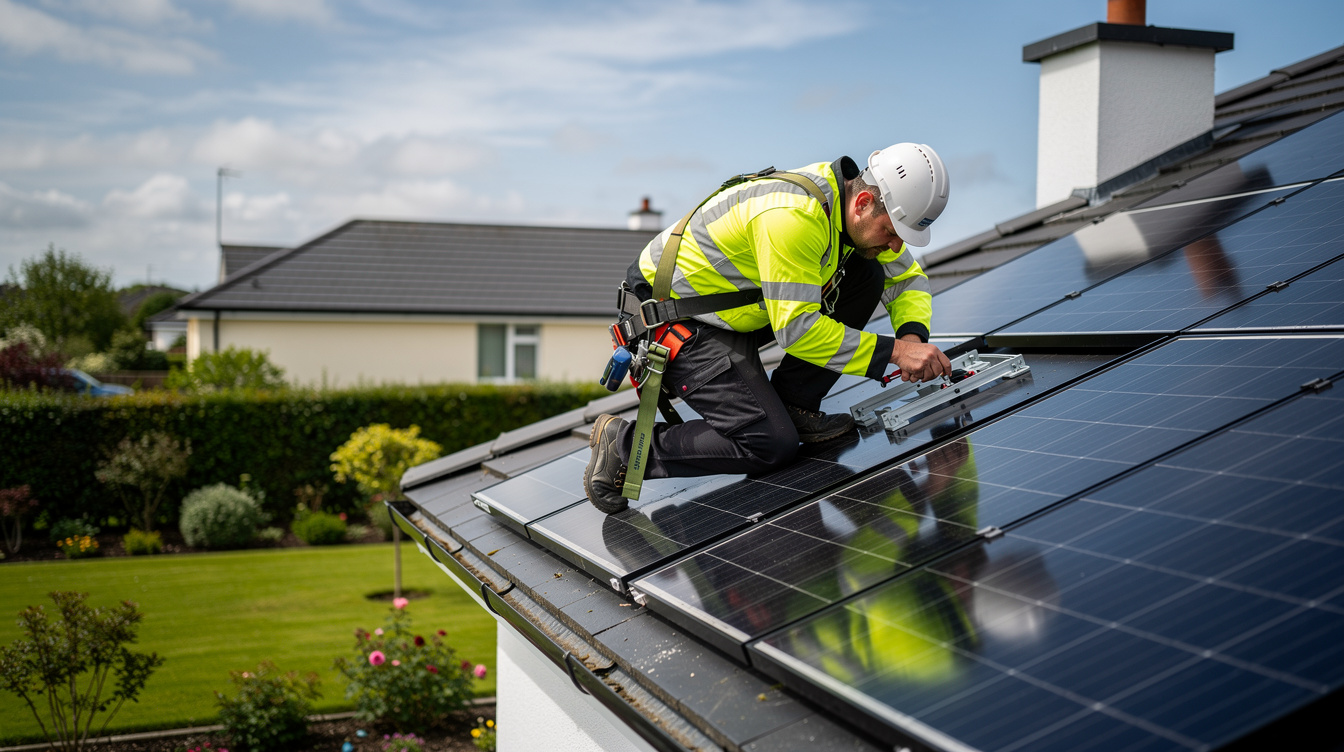
Cork has over 300 SEAI-registered solar companies, which is great for competition but overwhelming for homeowners. Here's how to narrow the field:
1. Get at least 3 quotes
Pricing in Cork varies dramatically. We regularly see quotes for identical 10-panel systems ranging from €5,800 to €9,200 from different SEAI-registered installers. Three quotes is the minimum; five is better.
2. Check what's actually included
A low headline price means nothing if it excludes scaffolding (€400–€800), the electrical certificate, or the SEAI grant application paperwork. Ask every installer: “Is this price all-in, including scaffolding, DNO notification, and grant paperwork?”
3. Ask about panel and inverter brands
The best-value setups in Cork right now use Trina Vertex S+ or JA Solar DeepBlue 4.0 panels (435–445W, 22%+ efficiency) with a Huawei SUN2000 or SolarEdge inverter. If an installer is quoting generic or unbranded panels, ask why.
4. Verify their SEAI registration
Go to SEAI's Solar PV Company Register and search by company name. If they're not listed, your grant application will be rejected. For a deeper checklist, see our guide on how to choose a solar installer in Ireland.
5. Look at local track record
An installer based in Cork who's done 200 installs in Munster will know local roof types, council quirks, and ESB Networks processes better than a nationwide company sending a crew from Kildare.
Compare Cork Installer Prices
Get quotes from vetted, SEAI-registered solar installers serving Cork city and county.
Planning Permission: What Cork Homeowners Need to Know
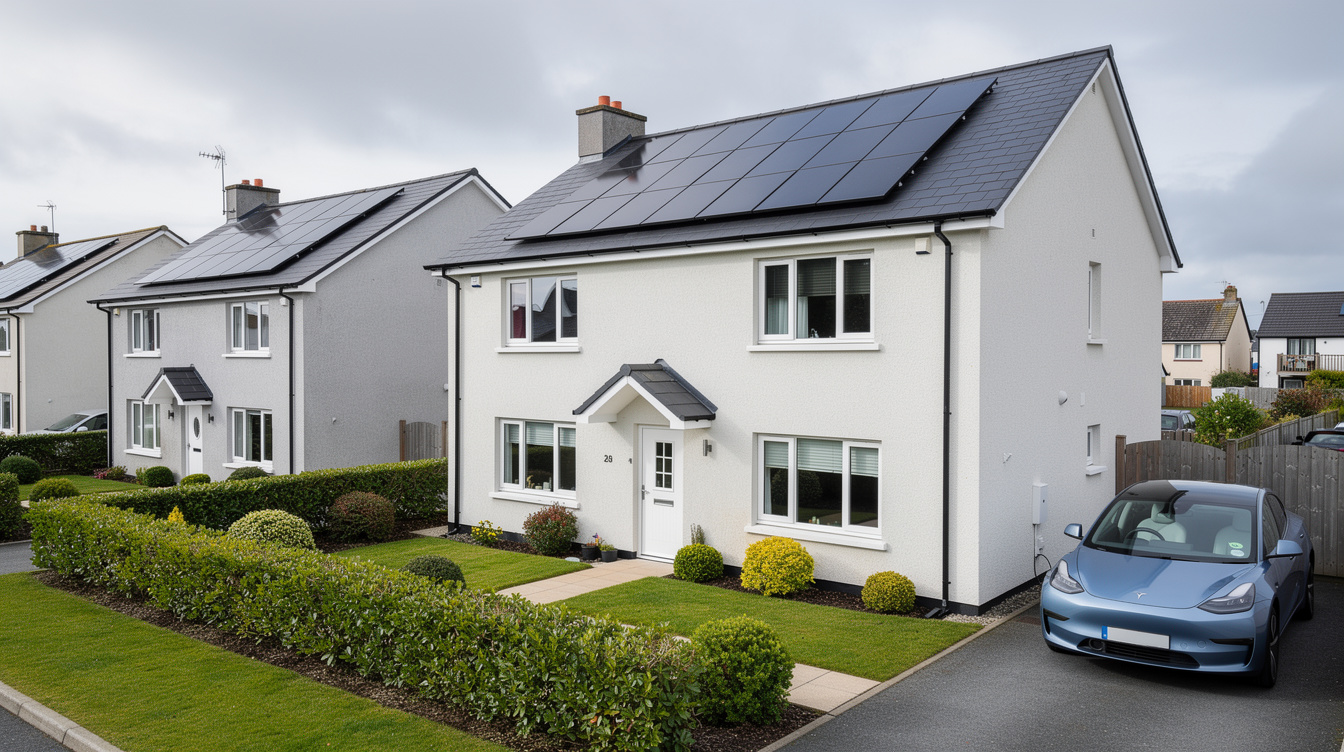
Most residential solar panel installations in Cork are exempt development — meaning you don't need planning permission. The exemption applies if:
- The panels are mounted on the roof of a house (not a protected structure).
- Total panel area doesn't exceed 12 m² (roughly 6–7 panels) or 50% of the roof area, whichever is less. Note: an updated exemption from late 2024 increased this limit to 25 m² for most homes.
- Panels don't project more than 15 cm above the roof surface.
- No panel is higher than the roof ridge.
Cork-specific planning considerations
Architectural Conservation Areas (ACAs): Cork has several ACAs, including parts of Shandon, Cobh, Kinsale, and Youghal. If your property is within an ACA or is a protected structure, you'll likely need planning permission. Contact Cork City Council or Cork County Council's planning department before signing any installation contract.
Terraced houses in the city centre: Victorian and Georgian terraces in areas like Sunday's Well, Montenotte, or Douglas may have front-facing south roofs. Panels facing the street are not automatically exempt in ACAs — check your property's status on the council's planning portal.
For the full national rules, see our planning exemption guide.
Solar Output by Season in Cork
Cork's southern location and maritime climate create a distinctive generation profile:
| Month | Sunshine Hours | Output (4 kWp system) | % of Annual Total |
|---|---|---|---|
| January | 52 | 95–120 kWh | 2.7% |
| February | 72 | 140–175 kWh | 4.0% |
| March | 107 | 250–300 kWh | 7.0% |
| April | 159 | 380–430 kWh | 10.3% |
| May | 188 | 460–520 kWh | 12.5% |
| June | 178 | 450–510 kWh | 12.2% |
| July | 168 | 420–480 kWh | 11.5% |
| August | 157 | 370–430 kWh | 10.2% |
| September | 127 | 270–320 kWh | 7.5% |
| October | 93 | 180–220 kWh | 5.1% |
| November | 62 | 100–130 kWh | 2.9% |
| December | 47 | 70–95 kWh | 2.1% |
Key insight: Cork generates roughly 75% of its annual solar output between March and September. But unlike inland counties, Cork's mild oceanic climate means December and January output is slightly better than average — panels actually perform better in cool, bright conditions than in hot weather.
Real Savings for Cork Homes
What can a Cork homeowner actually expect to save? Here's a realistic breakdown for a 3-bed semi with a 4.1 kWp system (10 panels) and no battery:
| Income/Saving | Annual Value | Notes |
|---|---|---|
| Electricity bill reduction | €700–€950 | Based on 45–55% self-consumption, 24c/kWh unit rate |
| Export payments (CEG) | €180–€300 | Surplus sold at 18–24c/kWh depending on supplier |
| Total annual benefit | €880–€1,250 | Higher if you shift loads to daytime |
With a net cost of €4,400–€6,200 (after grant), that's a payback period of 4–6 years. After payback, you're generating €880–€1,250 per year in value for the next 20–25 years — that's €17,600–€31,250 over the panel lifetime.
Want to see exactly how much you'd save? Try our solar panel calculator with your own usage data.
Cork-Specific Tips to Maximise Your Return
Shift your heavy loads to daytime
Run your washing machine, dishwasher, and immersion heater during daylight hours. In Cork, your panels generate from roughly 7:30am to 8:30pm in summer. Every kWh you use directly saves 24c; every kWh you export earns only 18–24c.
Consider a battery if you're on a smart tariff
With SSE Airtricity, Energia, or Electric Ireland now offering time-of-use rates, a battery lets you store daytime solar and avoid peak evening rates (often 35–40c/kWh). In Cork's climate, a 5 kWh battery typically pays for itself in 6–8 years on top of the solar payback.
Pair with a heat pump
Cork's mild winters make it ideal heat pump territory. Running your heat pump during solar generation hours can push self-consumption above 70%, slashing your heating bills alongside electricity.
Don't ignore export tariffs
Under the Clean Export Guarantee, Cork homes with a smart meter can sell surplus electricity at 18–24c/kWh. With Cork's higher-than-average output, a 4 kWp system can export 1,500–2,000 kWh per year — worth €270–€480 annually at the best rates.
Solar Panels and Cork's Property Market
Cork's property market is the second-strongest in Ireland, and solar panels add measurable value. A 2025 ESRI study found that homes with solar PV in Munster sell for 2–4% more than comparable properties without — and they sell faster. For a €350,000 Cork semi, that's €7,000–€14,000 in added value, often exceeding the net cost of the system itself.
BER improvements also matter: a solar PV system can lift a typical Cork house from B3 to A3, which affects both resale value and rental attractiveness under the BER regulations.
Ready to Go Solar in Cork?
Get your free personalised quote from SEAI-registered installers serving Cork city and county.
Frequently Asked Questions
How long does installation take in Cork?
A standard residential install takes 1–2 days once scaffolding is up. The full process from signing to switch-on is typically 4–8 weeks in Cork, depending on installer availability and ESB Networks connection timelines.
Do I need a smart meter for export payments?
Yes. ESB Networks is rolling out smart meters across Cork, but if you don't have one yet, you can request one through your electricity supplier. Without a smart meter, you can still benefit from solar (reduced bills), but you won't receive export payments.
Is it worth getting solar in Bandon, Mallow, or West Cork?
Absolutely. Solar irradiance is consistent across the county. Rural Cork homes often have larger, unshaded south-facing roofs — ideal for bigger systems. The only consideration is installer travel charges: some Cork city-based installers add €200–€400 for locations beyond 50 km.
Can I install solar on a listed building in Cork?
Protected structures and properties in Architectural Conservation Areas require planning permission. Contact Cork City Council (for city properties) or Cork County Council (for county properties) planning department before proceeding. Panels on non-visible roof slopes are sometimes approved.
What panels work best in Cork's climate?
High-efficiency monocrystalline panels (420W+) from Trina, JA Solar, or Longi perform best in Ireland's diffuse light conditions. See our best solar panels Ireland 2026 rankings for detailed comparisons.
Related Articles
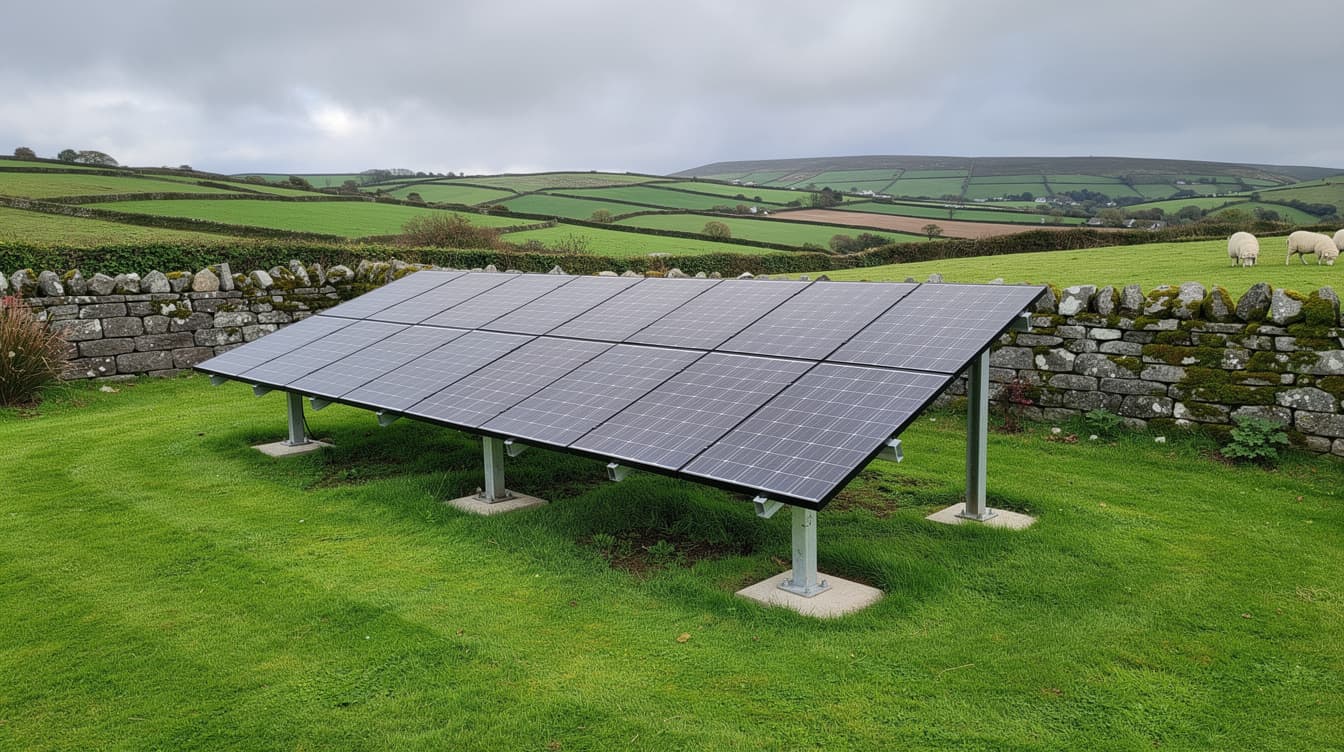
Ground-Mounted Solar Panels Ireland 2026: Costs, Planning Rules, Pros & Cons vs Rooftop
Ground-mounted solar panels in Ireland 2026: costs from €6,500, planning rules (25m² exemption), pros vs rooftop, foundations and SEAI grant eligibility.
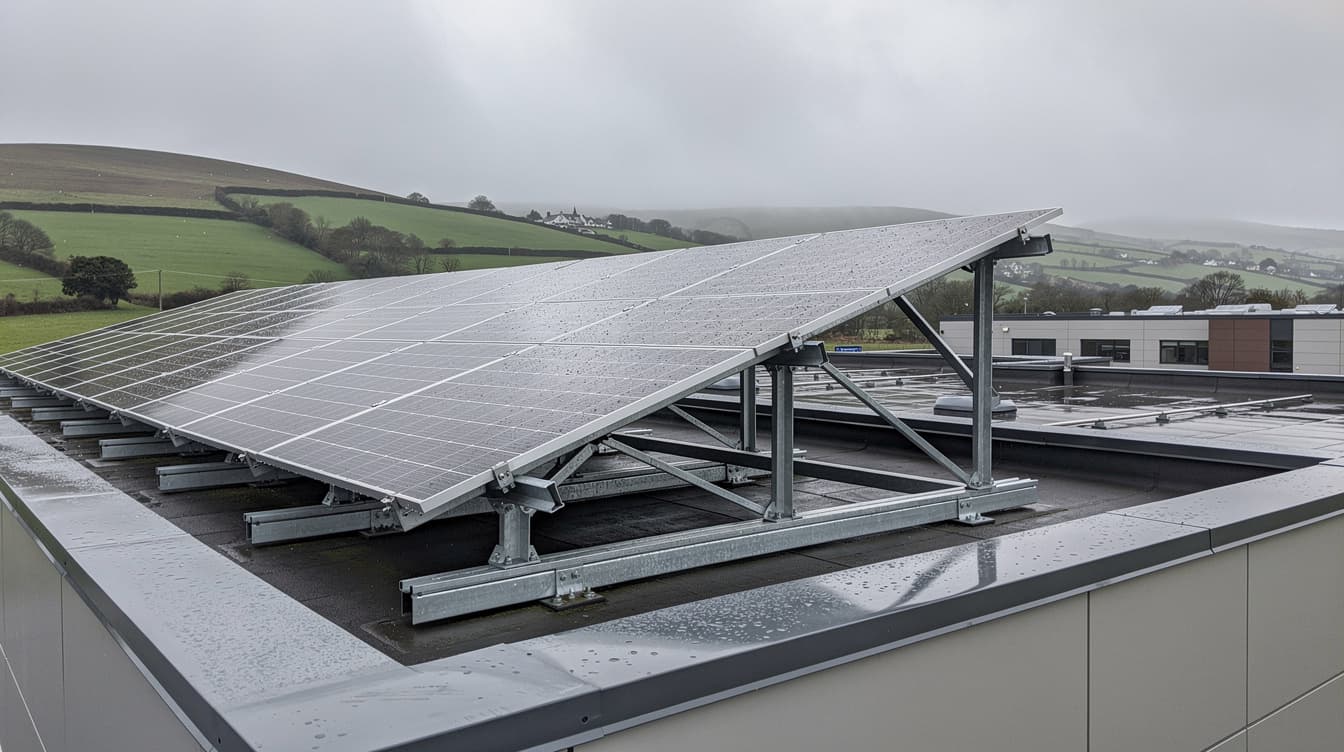
Solar Panels on a Flat Roof in Ireland 2026: Mounting, Costs & Planning Rules
Flat roof solar costs €500-€1,000 extra for tilt frames. Ballasted systems need no drilling. Full guide to mounting, planning permission and structural checks.
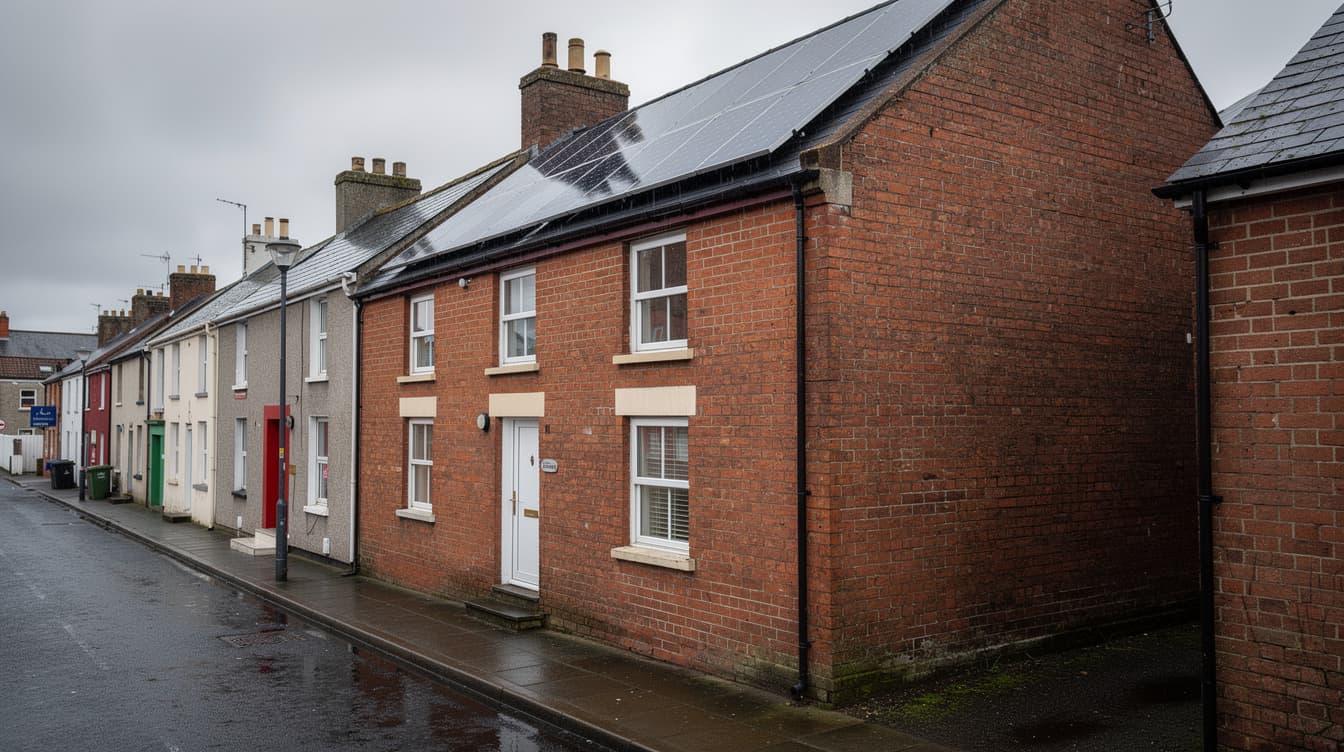
Solar Panels for a 2-Bed House in Ireland 2026: Costs, System Sizes & Why Small Homes Are Ideal
How much do solar panels cost for a 2-bed house in Ireland? From €2,400 after SEAI grant. System sizes, real savings, and why smaller homes get faster payback.