
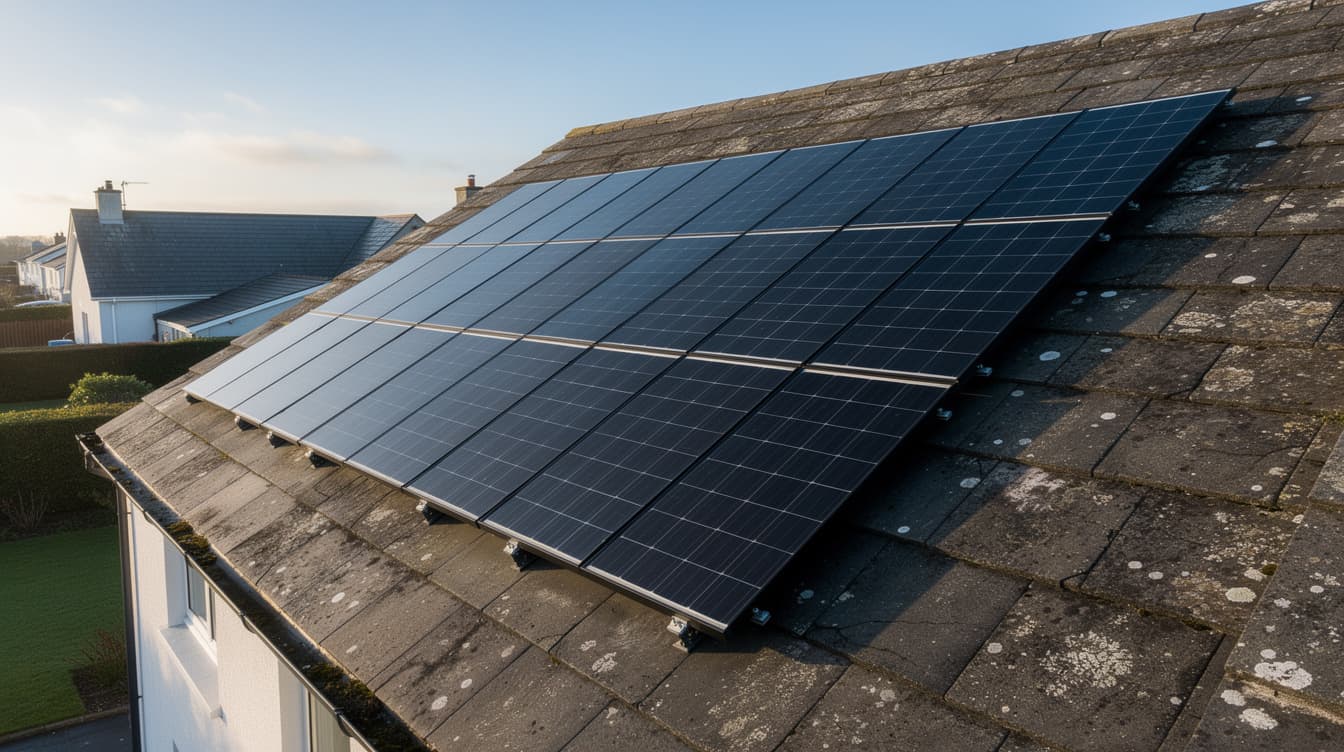
How Many Solar Panels Do You Need Ireland 2026: Panel Count vs kW Explained
Type “20 solar panel system cost” into Google and you’ll find almost nothing. Type “6kW solar system Ireland” and you’ll get a hundred quotes. That’s because Irish installers price everything in kilowatts – but most homeowners looking at their roof count panels. This is the missing translation table.
The short answer: how many panels do you need?
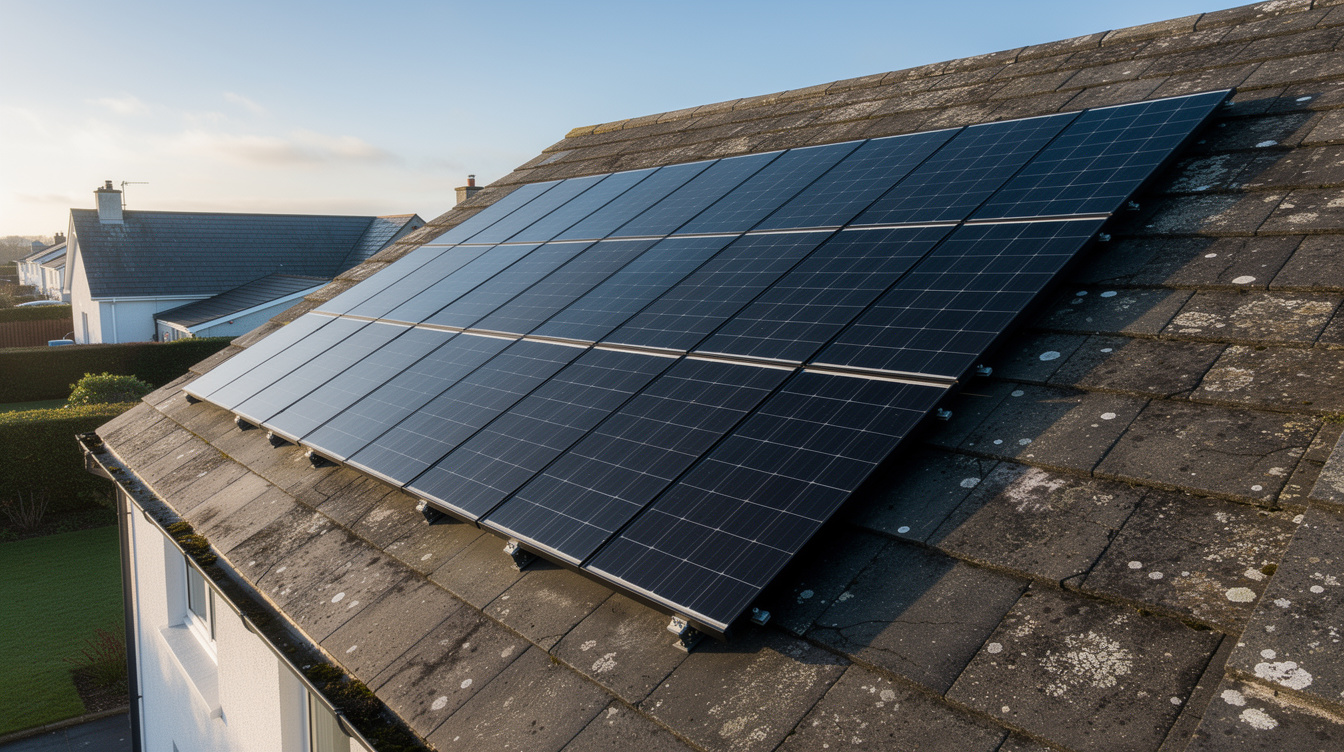
In 2026, a standard residential solar panel installed in Ireland is between 430W and 470W. That means every full-size “system size” you’ll see quoted lines up with a specific panel count:
| System size | Typical panel count (450W panels) | Roof area needed | Typical Irish home |
|---|---|---|---|
| 2 kWp | 4 – 5 panels | ~10 m² | Small apartment, retirement bungalow, low usage |
| 3 kWp | 6 – 7 panels | ~14 m² | 2-bed terrace, 1–2 adults, no EV |
| 4 kWp | 9 panels | ~18 m² | 3-bed semi-D, gas boiler, 2 adults + 1 child |
| 5 kWp | 11 – 12 panels | ~24 m² | 3–4 bed semi-D, family of 4, moderate usage |
| 6 kWp | 13 – 14 panels | ~28 m² | 4-bed detached, family of 4, EV or heat pump |
| 7 kWp | 15 – 16 panels | ~32 m² | Large family home, EV + heat pump |
| 8 kWp | 17 – 18 panels | ~36 m² | 5-bed detached, 2 EVs, high usage |
| 10 kWp | 22 – 23 panels | ~45 m² | Farmhouse, home business, max NC6 for single-phase |
| 12 kWp | 26 – 27 panels | ~54 m² | Three-phase properties only (NC7 required over 11 kW) |
The math is deliberately simple: panel wattage × number of panels = system size in kW. 12 × 450W = 5.4 kWp. If your quote says “12-panel solar system”, that’s a 5–5.5 kWp system with today’s panels. Ten years ago it would have been a 3 kWp system, because panels were 250–300W. The panel count in an old brochure is not comparable with a new one.
Why do panel wattages keep going up?
Panel efficiency has climbed from around 15% in 2015 to just over 22% in 2026. Same physical panel size (roughly 1.75m × 1.13m), more usable output. The two dominant residential panel formats in Ireland right now:
- 108-cell “half-cut” monocrystalline panel, ~430–445W – the current default for most retrofit installs. Fits a residential roof pitch cleanly, easy to work around dormers and chimneys.
- 132-cell full-size panel, ~460–480W – slightly larger physical footprint, fewer panels needed for the same output. Increasingly common on 6 kWp+ systems where roof area is not the bottleneck.
How Irish households actually size their systems
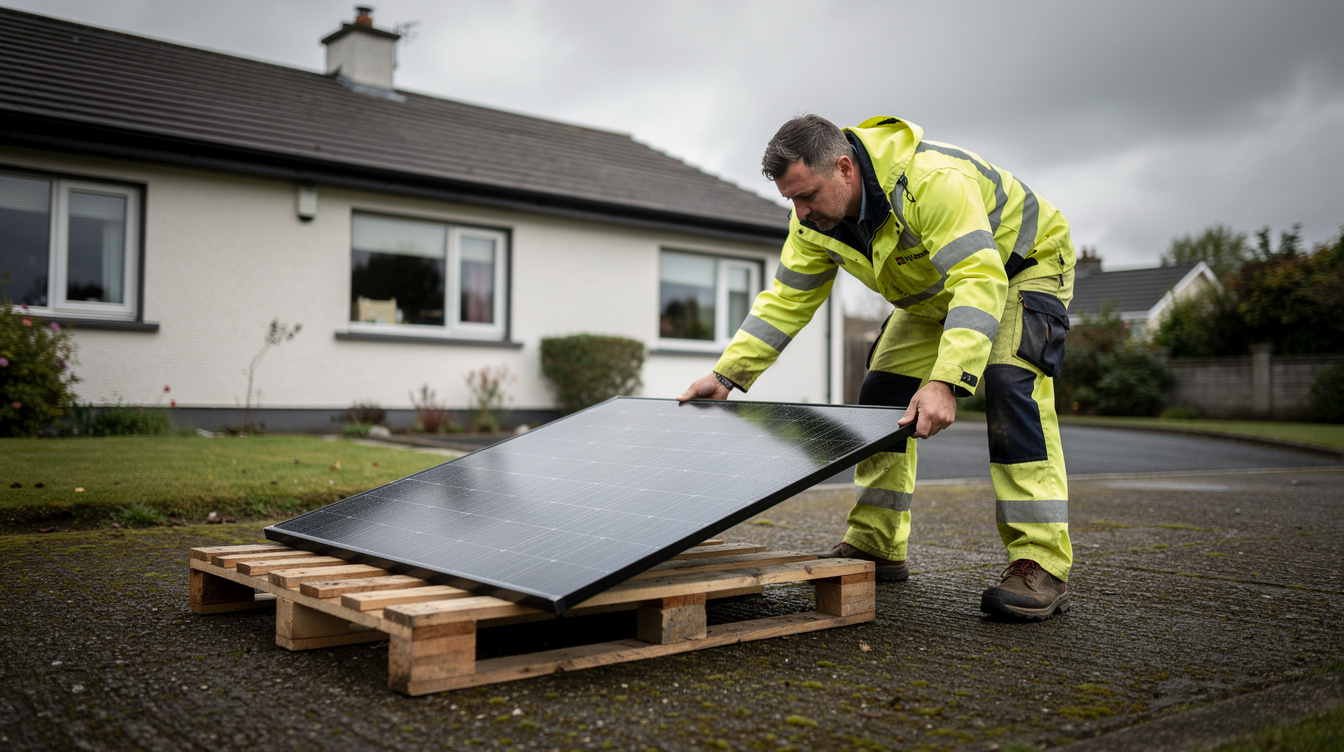
The single biggest sizing mistake is treating your ESB bill as gospel. The daytime portion – when solar is actually generating – is usually only 30–40% of your annual usage. Sizing off your total kWh will over-size the system and leave you exporting cheap and buying back expensive.
A better rule of thumb used by SEAI-registered installers:
| Household profile | Annual usage | Recommended system | Panels |
|---|---|---|---|
| Retired couple, gas heating, no EV | 2,500 – 3,500 kWh | 3 kWp + 5 kWh battery | 6 – 7 |
| Family of 3, gas heating, no EV | 4,000 – 5,000 kWh | 4 kWp + 5 kWh battery | 9 |
| Family of 4, gas heating, no EV | 5,000 – 6,500 kWh | 5 kWp + 5–10 kWh battery | 11 – 12 |
| Family of 4, gas heating + EV | 7,500 – 9,000 kWh | 6 kWp + 10 kWh battery | 13 – 14 |
| Family + heat pump, no EV | 7,000 – 9,500 kWh | 6 kWp + 10 kWh battery | 13 – 14 |
| Family + heat pump + EV | 10,000 – 14,000 kWh | 8–10 kWp + 10–15 kWh battery | 17 – 22 |
Larger is not automatically better. In Ireland the NC6 microgeneration form caps single-phase homes at 6 kVA export, and above 11 kW total inverter capacity you need three-phase supply. So there’s a hard ceiling around 10 kWp / 22 panels for most Irish suburban homes without a supply upgrade.
Not sure how many panels your home needs?
Get a free quote from an SEAI-registered installer – they’ll size to your actual roof and usage.
What each panel-count tier actually costs in Ireland 2026
Prices below are the typical range from SEAI-registered installers for a straightforward two-storey roof, mid-2026 pricing. All include the €1,800 SEAI Solar PV grant deduction.
| Panels | System kWp | Panels only (net of grant) | Panels + 5–10 kWh battery | Annual output (Ireland avg) |
|---|---|---|---|---|
| 6 panels | 2.7 kWp | €4,800 – €5,900 | €7,900 – €9,500 | ~2,400 kWh |
| 9 panels | 4.0 kWp | €5,900 – €7,200 | €8,900 – €11,500 | ~3,600 kWh |
| 12 panels | 5.4 kWp | €6,800 – €8,400 | €10,200 – €13,500 | ~4,800 kWh |
| 14 panels | 6.3 kWp | €7,500 – €9,200 | €11,000 – €14,800 | ~5,600 kWh |
| 16 panels | 7.2 kWp | €8,200 – €10,300 | €11,900 – €16,000 | ~6,400 kWh |
| 20 panels | 9.0 kWp | €9,500 – €12,200 | €13,500 – €18,500 | ~8,100 kWh |
| 22 – 24 panels | 10 kWp | €10,500 – €13,500 | €14,800 – €20,000 | ~9,000 kWh |
The per-panel cost drops sharply as you scale up. A 6-panel system runs around €900 per panel installed; a 20-panel system is closer to €550 per panel. Almost all of the fixed cost – scaffolding, inverter, NC6 paperwork, one-day labour – is the same whether you install 6 panels or 20.
How much roof do you actually need?
A modern 450W panel measures roughly 1.75m tall × 1.13m wide, giving each panel a footprint of about 2 m². Practical rule for Irish roofs:
- Landscape layout (most common on Irish semi-Ds): panels sit horizontally in 1–2 rows. You need roughly 2.1 m² per panel including gaps and edge margins.
- Portrait layout: panels stand vertically, often used on narrower Georgian-style pitches. Same 2 m² footprint but different rail spacing.
- Edge margins: a competent Irish installer leaves 300mm from the eaves, verges and ridge for wind loading. You never quite get the full pitch area.
So a 9-panel (4 kWp) install needs about 18–20 m² of usable south, east or west-facing roof. Most three-bed Irish semi-Ds have that on either the front or back pitch.
Does more panels always mean more savings?
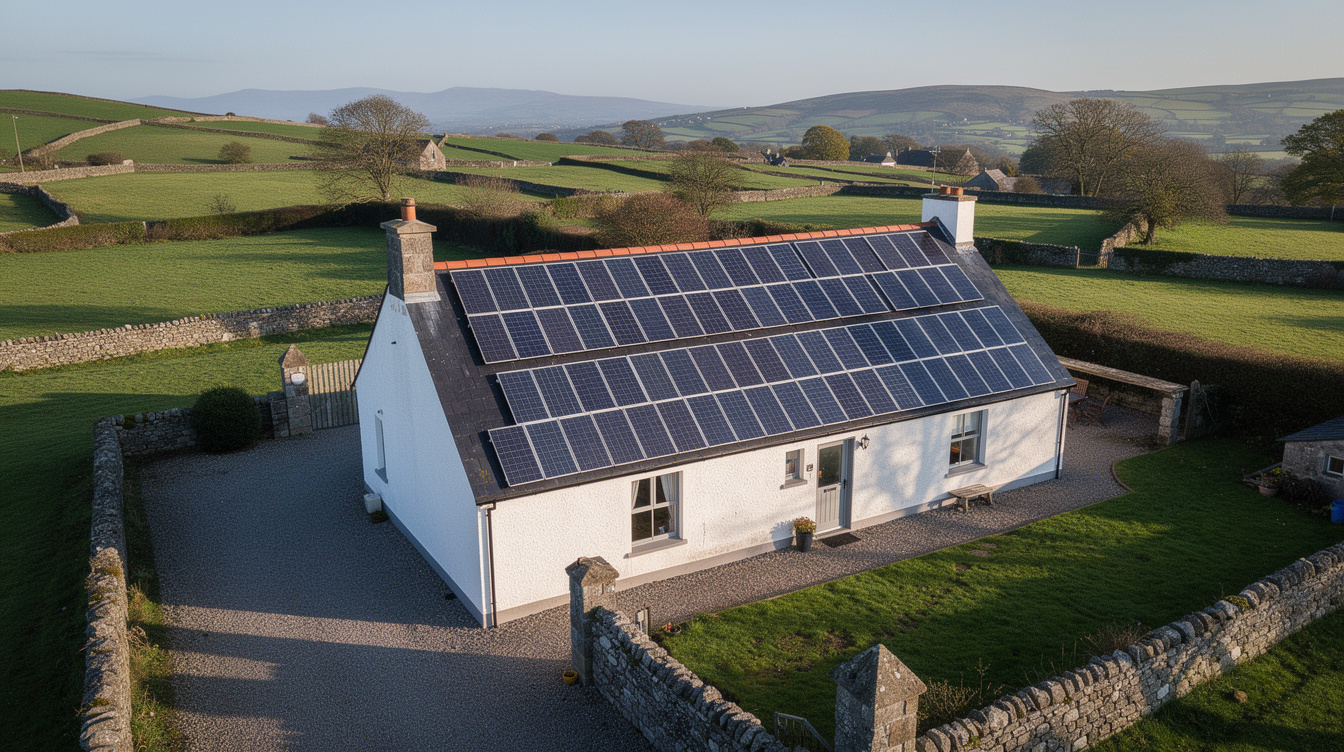
No – and this trips up nearly every first-time buyer. Once your panels cover about 100% of your daytime household usage, every extra panel is exporting to the grid at the CEG tariff, which averaged around 20 c/kWh in July 2026 (see current CEG rates). You’re still buying grid electricity at 33–38 c/kWh in the evening. The gap between import and export prices is where your savings actually come from – and it’s wider on smaller, better-utilised systems.
The rule most SEAI installers use: size for self-consumption, then add a battery to shift the export back to evening use. For a typical family this lands at 4–6 kWp (9–14 panels) + 5–10 kWh battery. Beyond that, add capacity only if you have an EV, a heat pump, or genuine daytime baseload.
Panel-count questions people search for
How many solar panels for a 3-bed semi in Ireland?
Nine to twelve. A 3-bed semi with two adults and 1–2 children, gas heating and no EV, typically lands on a 4–5 kWp system – 9 to 12 modern 450W panels. Add 2–4 more panels if you have or plan an EV.
What can a 10-panel solar system power?
Ten 450W panels = 4.5 kWp, producing around 3,800–4,200 kWh a year in Ireland. That’s enough to cover 100% of a small household’s total annual electricity, or roughly 50–60% of a family home’s. Without a battery you’ll self-consume around 30–40% and export the rest.
How many solar panels for a 4kW system?
Nine panels at 450W (9 × 450 = 4,050W = 4.05 kWp). Eight panels at 500W would also land at 4 kWp but is less common in residential installs in 2026.
How many solar panels for a 5kW system?
Eleven to twelve. Twelve 430W panels give 5.16 kWp; eleven 460W panels give 5.06 kWp. Either is a valid 5 kWp system for the CEG paperwork.
How many solar panels for a 6kW system?
Thirteen to fourteen. Fourteen 430W panels = 6.02 kWp; thirteen 460W panels = 5.98 kWp. 6 kWp is a very common Irish residential size – it comfortably covers a family home with an EV or heat pump.
How many solar panels for a 10kW system?
Twenty-two to twenty-three. Twenty-two 460W panels = 10.12 kWp. Ten kW is the practical single-phase ceiling in Ireland – anything larger typically needs a three-phase supply upgrade.
What size battery for 12 solar panels?
A 12-panel (5–5.5 kWp) system pairs cleanly with a 5–10 kWh battery for most Irish homes. Five kWh covers evening cooking and lighting from the day’s excess; 10 kWh gets you through most of a summer night without importing. See our full battery sizing guide.
Can I add more panels later?
Yes, but check your inverter first. If your original installer sized the inverter close to the panel wattage (e.g. 4 kW inverter for a 4 kWp array), adding more panels means also upgrading the inverter. It’s much cheaper to spec a hybrid inverter with 20–25% headroom on day one if you know you’ll add battery or panels later. You’ll also need a fresh NC6 form to ESB Networks for the upgraded capacity.
Get 3 quotes for your exact panel count
Free comparison from SEAI-registered installers – scope your roof, size the system and get a firm price in 48 hours.
Related reading
- 4kW Solar System Cost Ireland 2026: Real Prices, Output & Payback
- 5kW Solar System Cost Ireland 2026: Real Prices, Output & 25-Year ROI
- 6kW Solar System Cost Ireland 2026: Real Prices, Output & Payback
- 10kW Solar System Cost Ireland 2026: Price, Output & When It’s Worth It
- Solar Panels & Three-Phase Electricity Ireland 2026
- Solar Battery Sizing Ireland 2026: 5kWh vs 10kWh vs 15kWh
Related Articles
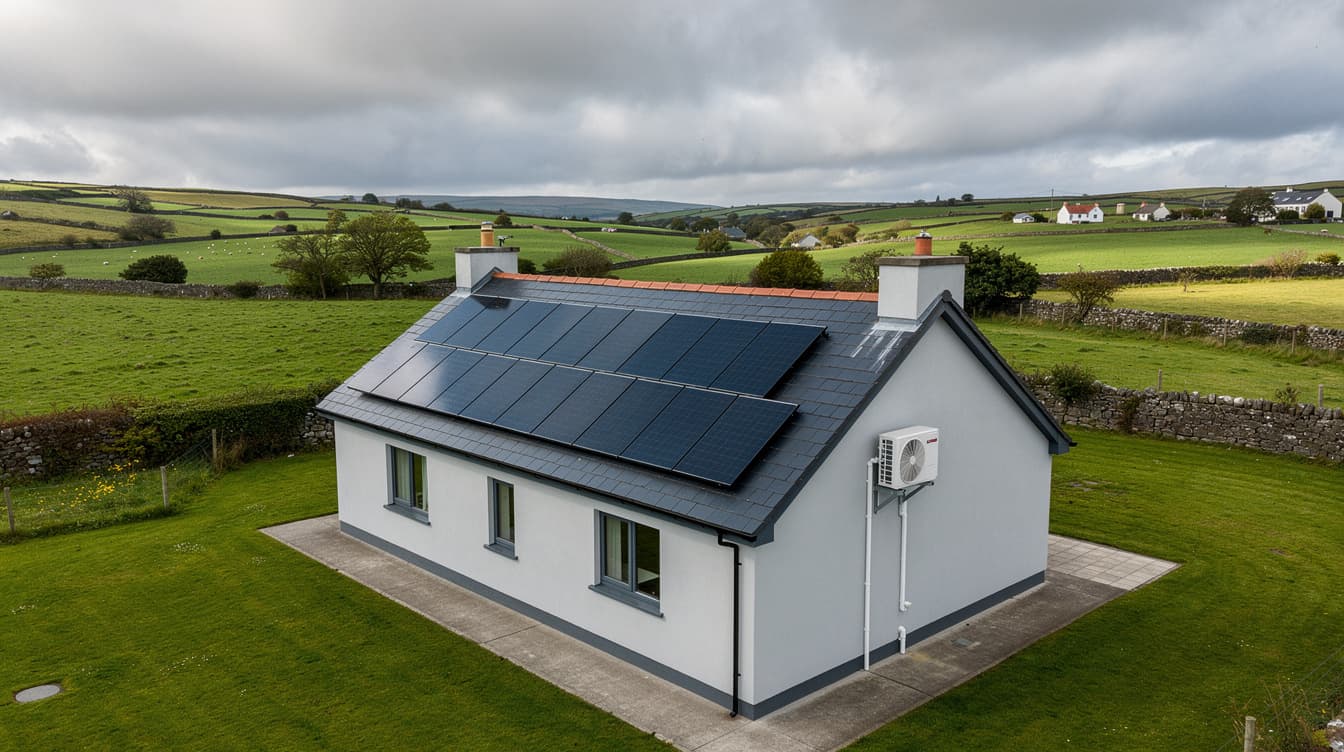
Best Heating System to Pair With Solar Panels Ireland 2026: Heat Pump vs Gas vs Oil vs Infrared
Which heating system pairs best with solar panels in Ireland 2026? Heat pump vs gas vs oil vs infrared — real running costs, SEAI grants and payback.
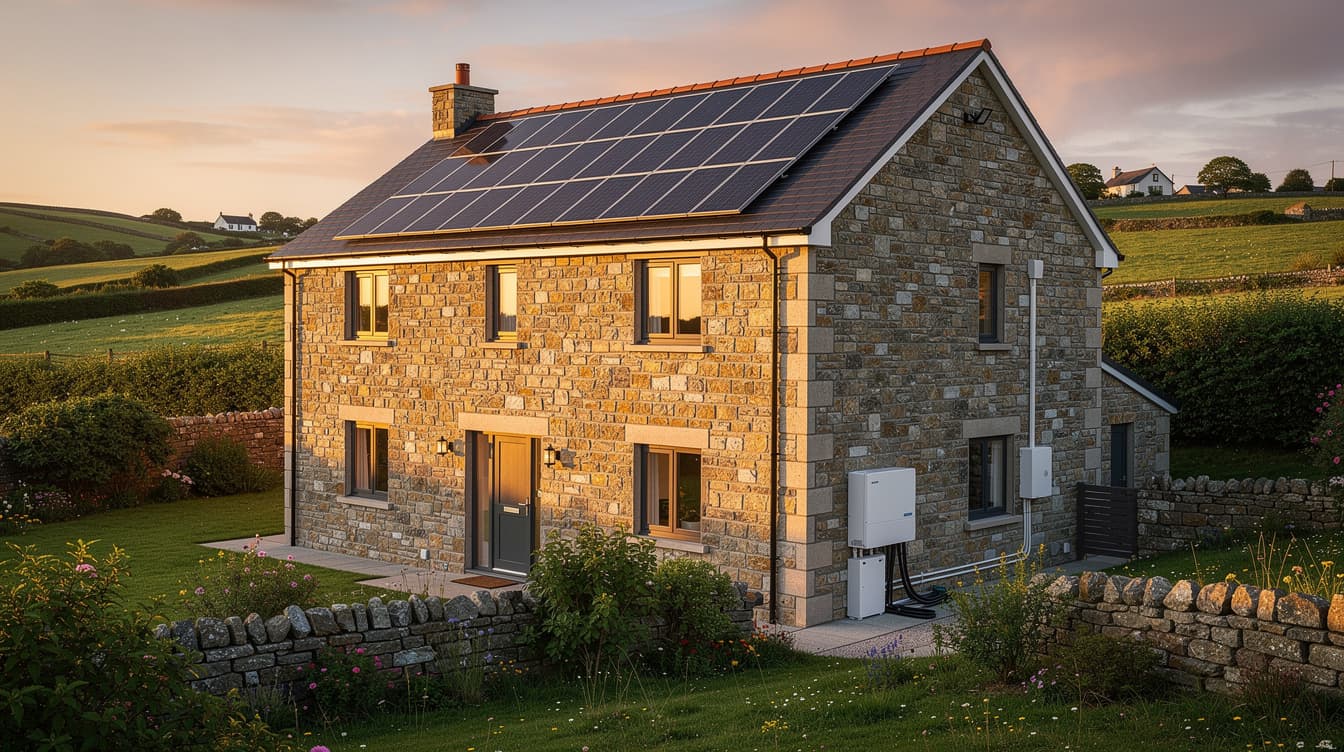
Best Solar Setup Ireland 2026: Complete System Design Guide
The best solar setup for Ireland 2026 — panels, inverter, battery, diverter and installer — with 4 real-world configurations, prices and paybacks.
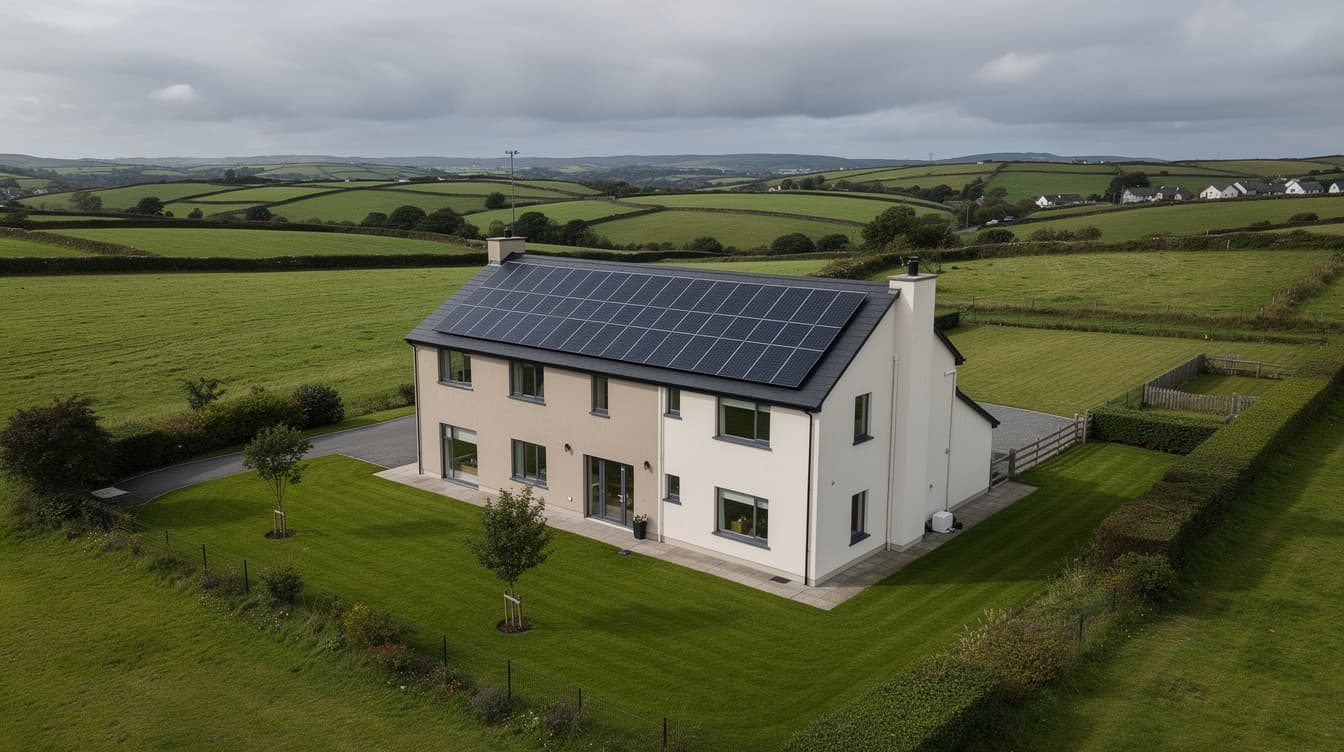
20 Solar Panels Ireland 2026: Cost, Output, Battery & Payback
What 20 solar panels cost in Ireland 2026 (€12.7-18.6k net after grant), 7,600-8,100 kWh output, roof space, battery choice and payback vs 10 or 14 panels.