
Vacant Property Refurbishment Grant + Solar Ireland 2026: How to Stack €50k VPRG With €1,800 SEAI
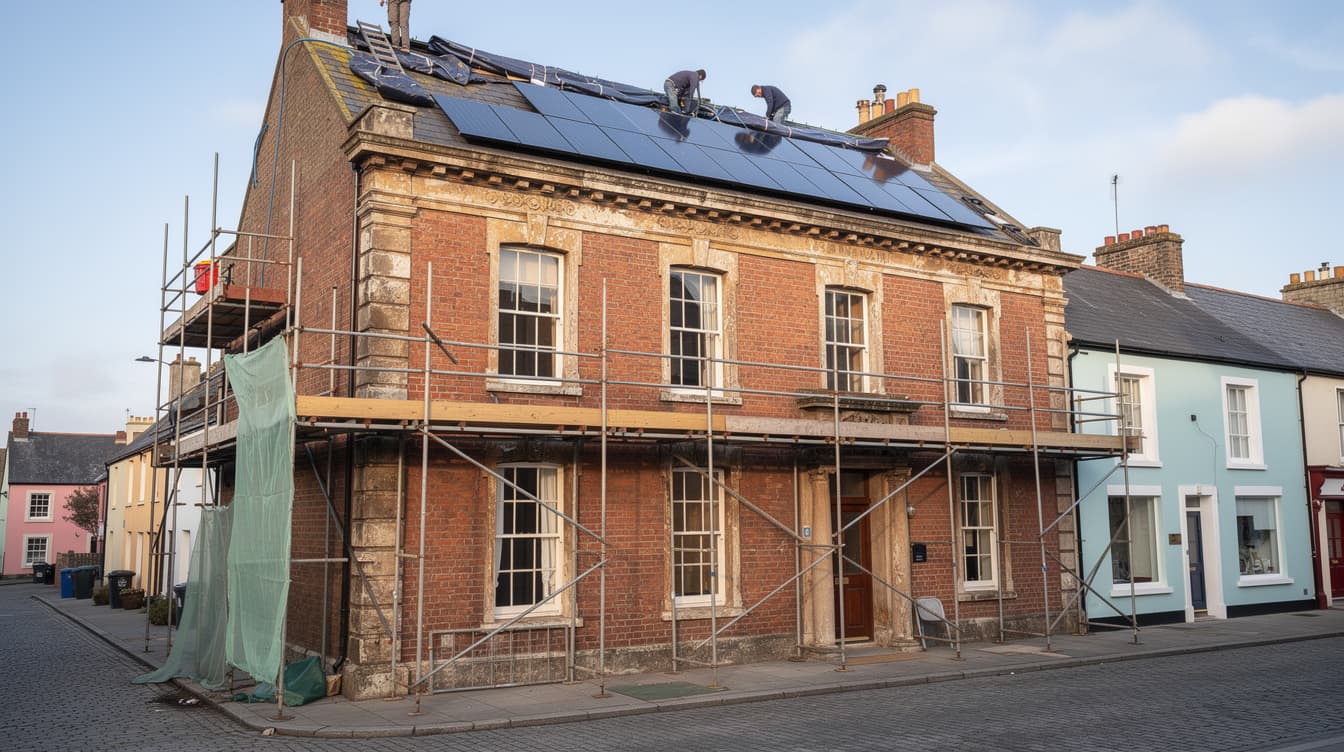
If you’re buying a vacant Irish house to do up, and you’re thinking about solar, the numbers you don’t hear enough are the ones where these grants stack. The Vacant Property Refurbishment Grant (Croí Cónaithe) pays up to €50,000 for a vacant house or €70,000 for a derelict one — and it does not stop you from also claiming the SEAI Solar PV grant of €1,800 on the same property.
That’s a total of €51,800 to €71,800 in state support before you’ve painted a single wall — and there’s more in the SEAI Better Energy Homes scheme if you’re doing insulation, a heat pump, or new windows as part of the refurb. This guide covers exactly how the two work together, when to time each application, and where new-buyers most commonly trip up.
Refurbing a vacant home? Add solar to the plan.
Get free solar quotes from SEAI-registered installers experienced with refurb builds.
The VPRG: What It Actually Pays
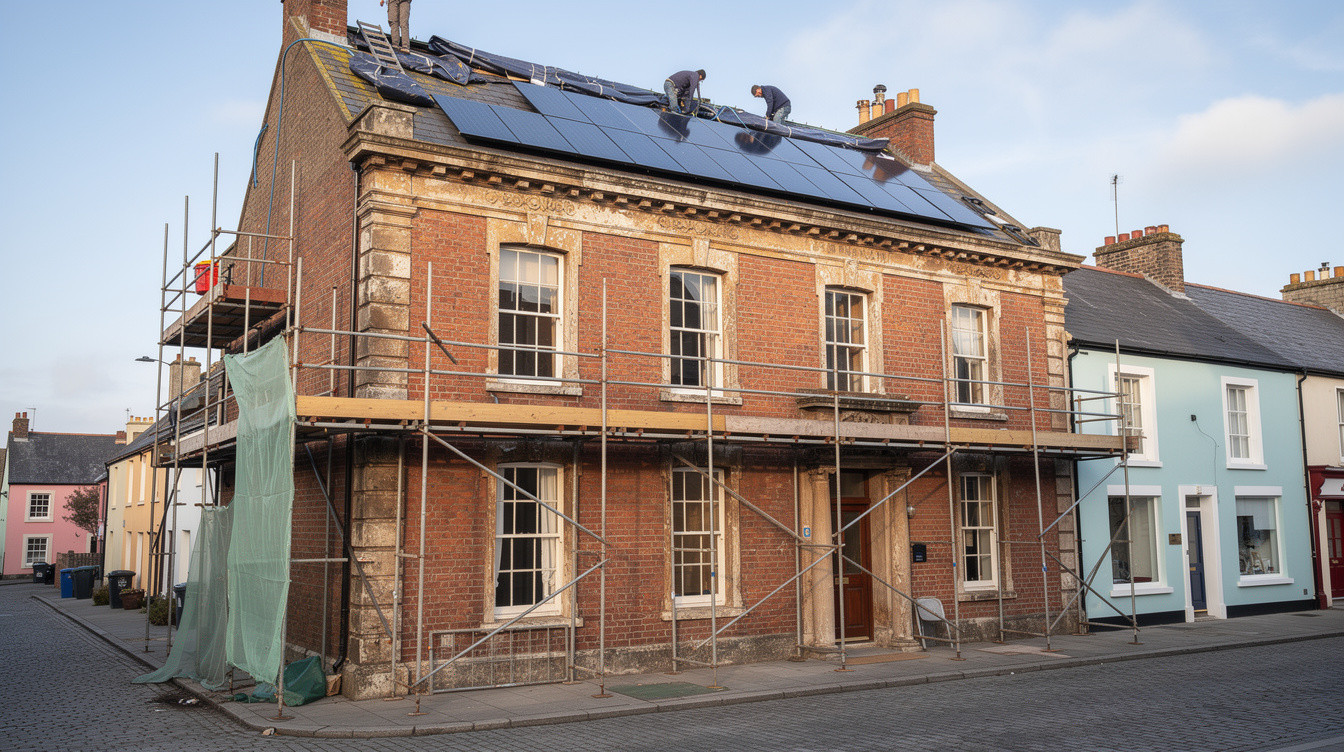
Croí Cónaithe (Towns) is the Department of Housing scheme that funds refurbishment of long-vacant homes. In 2026 the payments are:
| Property type | Standard | Off-shore islands |
|---|---|---|
| Vacant (2+ years unoccupied) | €50,000 | €60,000 |
| Derelict (with structural report) | €70,000 | €84,000 |
The extra €20,000 for derelict properties requires an independent report from a chartered engineer, chartered surveyor or architect confirming the property is “structurally unsound and dangerous”. The 20% island premium applies to designated off-shore islands only.
Note the grant is paid on completion, not in advance — you fund the works yourself and claim back once the local authority signs off. Most banks will lend against the pending grant once approval-in-principle is issued.
Who Qualifies
To claim the VPRG on a home you’re making your own you need to tick all of these:
- The property was built before 2007.
- It has been vacant for 2 years or more at the point of application.
- You will live in it as your principal private residence, OR make it available for rent (both routes qualify since the 2023 scheme extension).
- You have tax clearance.
- The property is within the state of Ireland (all counties, cities, towns and villages qualify since November 2022).
- You have proof of ownership or a signed sale agreement.
You cannot claim VPRG on a property you already owned and lived in, and you cannot claim it twice on the same MPRN. Applications go to your local authority’s Vacant Homes Officer — every county has one now.
The SEAI Solar PV Grant Alongside VPRG
Here’s the crucial point most buyers miss: the SEAI €1,800 Solar PV grant is a separate scheme, from a separate department (SEAI, not local authority), and the two do not conflict. You can claim both on the same property provided:
- No prior solar PV grant has been claimed on that MPRN.
- The property is your home (owner-occupied or tenant with owner permission).
- The install is done by an SEAI-registered installer.
Now here’s the interesting wrinkle: the SEAI grant technically requires the property to be “built and occupied before 31 December 2020”. For a vacant home that’s been empty for years, the “occupied” bit worries people. In practice, SEAI accept vacant homes where the property was originally occupied before that date, then subsequently vacant — which covers essentially every VPRG-eligible property (since those must have been built before 2007). If in doubt, ring SEAI Grants Support before installer selection: 01 808 2100.
Use our two-minute SEAI grant eligibility checker to confirm your specific case.
Check your SEAI eligibility in 2 minutes
Vacant home or standard home — the check is the same. Instant answer.
Stack Order: How to Time Applications
The stack is straightforward if you sequence it right. Get the timing wrong and you can lose one of the grants entirely. Here’s the sequence that maxes out both:
- Buy the property. Sale agreed is enough for VPRG application — you don’t need to have closed yet, but you must close within 12 months of grant approval.
- Apply for VPRG. Contact the Vacant Homes Officer in your local authority. Submit application with proof of vacancy (utility bills, ESB disconnection records, Revenue Vacant Homes Tax records, neighbour statements) and works schedule.
- Get VPRG approval-in-principle. Typically 4–12 weeks depending on county. Some counties process faster (Kerry, Clare, Longford under 6 weeks in 2025–2026); Dublin and Cork can take 10–14 weeks.
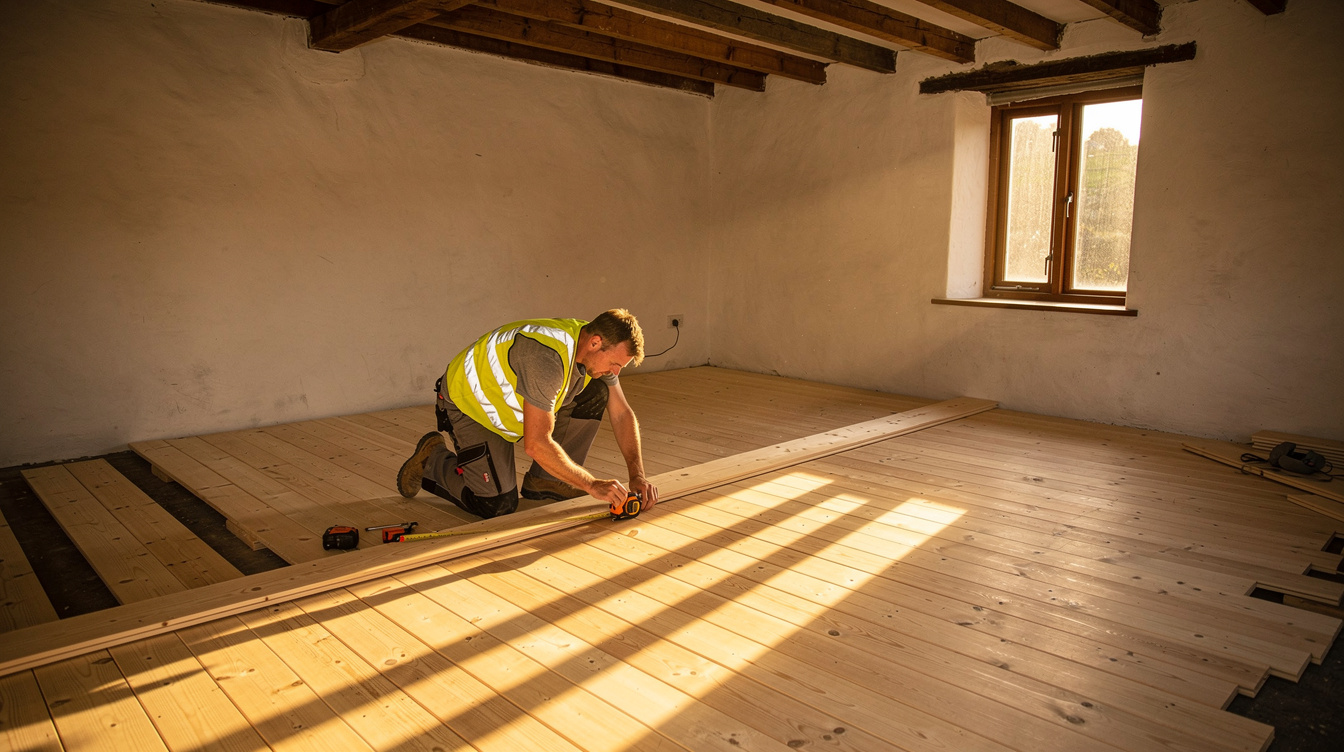
- Do the structural / roofing / insulation works first. Solar goes on last — you don’t want to fit panels then have to lift them to replace battens.
- Apply for SEAI Solar PV grant. Your solar installer applies on your behalf via the SEAI portal. Approval typically comes within 4–6 weeks.
- Install solar. Panel install happens after other roof works; installer commissions the system and files the completion paperwork with SEAI.
- Move in / rent out. Property must be occupied before you claim the final VPRG payment.
- Claim VPRG on completion. Submit final invoices (including the solar system), works-completion statement, and BER cert to your local authority. Payment issues within 4–10 weeks.
Timing gotcha: the SEAI Solar PV grant approval must be issued before you sign a contract with an installer, and the install must happen within 8 months of approval. Book your solar early in the refurb schedule to avoid running out the clock while builders finish first-fix.
Real 2026 Numbers: A VPRG + Solar Refurb Case Study
Here’s a real example we’ve seen in Tipperary in 2026: a young couple bought a 1930s vacant cottage in a village for €135,000. Roof and windows needed replacing, kitchen and bathroom to be redone, rewiring, insulation, and they wanted a 5kW solar system with battery.
| Line item | Cost | Grant applied |
|---|---|---|
| Full re-roof (slate, insulated) | €24,000 | VPRG |
| External wall insulation + render | €13,500 | VPRG + SEAI Better Energy Homes €8,000 top-up |
| Rewire + new fuseboard | €5,200 | VPRG |
| New windows (triple glazed) | €9,800 | VPRG |
| Kitchen + bathroom refit | €18,000 | VPRG |
| Central heating (heat pump) | €16,500 | VPRG + SEAI €6,500 heat pump grant |
| 5kW solar + 5kWh battery | €10,400 | SEAI Solar PV grant €1,800 |
| Contingency & snagging | €4,500 | — |
| Total refurb cost (gross) | €101,900 | |
| VPRG (vacant, not derelict) | –€50,000 | |
| SEAI Solar PV grant | –€1,800 | |
| SEAI heat pump grant | –€6,500 | |
| SEAI wall insulation grant | –€8,000 | |
| Net homeowner cost | €35,600 |
So this couple got €101,900 of works for €35,600 out of pocket. The property went from a vacant 1930s cottage with a G BER rating to a fully refurbished A3 rated home with sub-€350/year running costs. The solar-plus-heat-pump combination alone knocks €2,000–€2,400 off their annual energy bill vs. the previous oil setup.
The Full Stack of Grants Available
VPRG and SEAI Solar PV are the headliners, but there’s a longer list you should be aware of when refurbing:
| Grant / scheme | 2026 amount | Compatible with VPRG? |
|---|---|---|
| Vacant Property Refurbishment (Croí Cónaithe) | €50,000 / €70,000 | — |
| SEAI Solar PV grant | €1,800 | Yes (different scheme) |
| SEAI heat pump grant | €6,500 | Yes |
| SEAI external wall insulation | Up to €8,000 | Yes (deduct SEAI value from VPRG works claim) |
| SEAI cavity wall insulation | Up to €1,700 | Yes |
| SEAI attic insulation | Up to €1,700 | Yes |
| SEAI Home Energy Upgrade Loan (2.99%) | Up to €75,000 | Yes |
| Help-to-Buy (new-builds only) | Up to €30,000 | No (excludes second-hand) |
| First Home Scheme | Up to 30% equity | Yes on second-hand purchase since 2023 |
Full VPRG-friendly SEAI menu is documented in our SEAI Home Energy Upgrade Loan guide. If you’re doing a full deep retrofit as well, the SEAI One-Stop Shop route bundles multiple SEAI grants under one contractor and can add another €2,000–€5,000 — but it comes with tighter contractor rules.
The Big Traps Buyers Fall Into
Trap 1: Starting works before getting VPRG approval
Any works done before your VPRG approval letter arrives are not eligible for the grant. That includes emergency stabilisation, cleaning, or “just tidying up.” Wait for the letter. If a builder’s ready to start, tell them not until you say so.
Trap 2: Missing the “2 years vacant” proof
You need documentary evidence the property was vacant for at least 24 months at application. ESB disconnection records, Revenue Vacant Homes Tax records, and estate agent listings are the strongest. Neighbour statements are accepted as supplementary evidence but not sufficient on their own. Local authorities have tightened this since 2024 — more applications rejected on weak vacancy proof than any other reason.
Trap 3: The BER cert timing
You need a post-works BER cert to claim VPRG. Solar PV improves BER by 1–2 grades on a poorly-insulated home. Time your BER assessment for after solar is commissioned so the panels count toward the rating. See our solar and BER guide.
Trap 4: Renting the property before claiming
Since November 2022, VPRG covers rentals as well as owner-occupied — but you must declare rental intent at application. Switching post-application requires a variation form and can delay payment by 6–10 weeks. See our solar for rentals guide.
Trap 5: Clawback for early sale
If you sell (or in the case of rental, cease renting) within 5 years, the VPRG is clawed back on a sliding scale:
- Year 1–2: 100% repayable.
- Year 3: 75%.
- Year 4: 50%.
- Year 5: 25%.
- Year 5+: no clawback.
The SEAI Solar PV grant is not subject to this clawback, but the CEG export tariff still applies to whoever owns the MPRN — see our selling a solar home guide for how solar transfers on sale.
Which Solar System Makes Sense in a Refurb
Because you’re refurbing anyway, this is the moment to make choices you can’t easily make later:
- Size up. A 4kW or 5kW system is the norm, but if you’re rewiring anyway consider a 6kW or 8kW — the extra cabling and inverter uplift is far cheaper mid-refurb than as a later add-on. See our 5kW guide and 6kW guide.
- Fit a hybrid inverter. Even if you don’t want a battery today, a hybrid inverter (+€150–€400) lets you drop one in later without rewiring.
- Include a diverter for the immersion. The Eddi or iBoost+ (~€500 installed) transforms self-consumption on a house that’s empty during the day. See our diverter comparison.
- Pair with a heat pump. A heat pump uses solar output far more efficiently than an oil or gas boiler. If you’re replacing central heating anyway, this is the pairing to build around. See our heat pump + solar pairing guide.
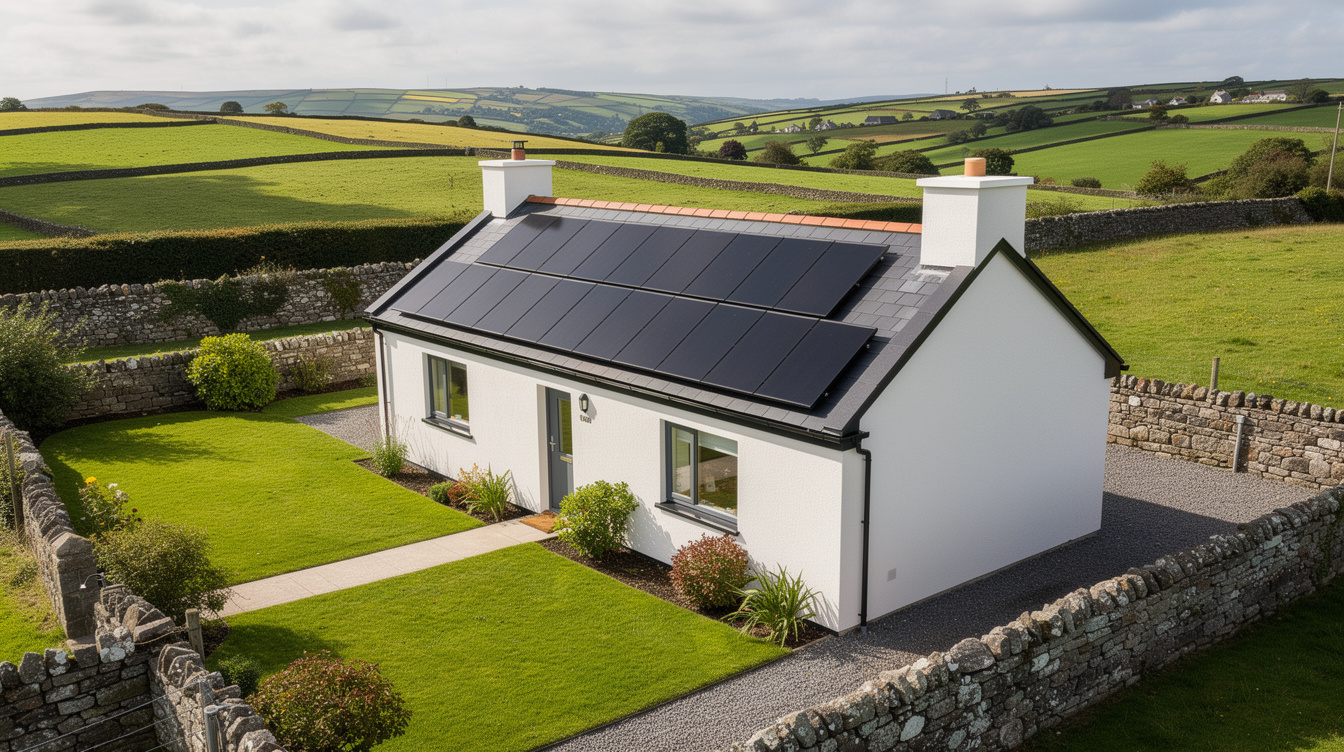
- Roof-integrated panels for period aesthetics. If you’re re-roofing anyway, in-roof (integrated) systems sit flush with the slates and look better on a period cottage. Adds €500–€1,200 to a standard install.
FAQ
Can I claim VPRG and SEAI Solar PV grant on the same property?
Yes. They’re separate schemes from separate departments. The full €50,000 (or €70,000 derelict) VPRG stacks on top of the €1,800 SEAI Solar PV grant.
Does VPRG cover the cost of solar panels?
Yes — solar counts as an eligible refurbishment cost under VPRG. So you can include the solar system in your VPRG works schedule and separately claim the SEAI €1,800 grant. Just deduct the SEAI grant amount from the invoice value you claim under VPRG (you can’t double-claim the same euro).
What if my property is over 100 years old?
Still eligible for VPRG. Only requirement is built before 2007. However, if the property is a protected structure, extra planning steps apply for solar. See our protected structures guide.
Do I need to be an Irish citizen?
No. Any legal resident with a PPS number and tax clearance can apply.
Can I get VPRG for a holiday home?
No. VPRG is only for principal private residences (owner-occupied) or homes made available for full-time rent. Holiday lets and Airbnb-only properties don’t qualify.
How long does the whole process take?
Realistic timeline: 12–18 months from purchase to full grant payment. VPRG approval 4–12 weeks, works 4–9 months, BER cert 2–4 weeks, final claim payment 4–10 weeks after submission.
Is the scheme extending beyond 2030?
Budget 2025 extended Croí Cónaithe funding through to end of 2027, with a further review scheduled. Given housing demand and the political focus on vacant homes, further extension is likely but not guaranteed.
Do I need planning permission for solar on a VPRG home?
Rooftop solar is planning-exempt under SI 405/2022 on most dwellings, even period ones. Ground-mount and protected structures are the exceptions. See our planning permission guide.
Ready to add solar to your refurb?
Free quotes from SEAI-registered installers who understand refurb sequencing.
VPRG amounts and eligibility verified July 2026 against gov.ie and local authority Vacant Homes Officer guidance. SEAI grants verified against seai.ie. Actual grant payments depend on individual local authority processing and works completion.
Related Articles
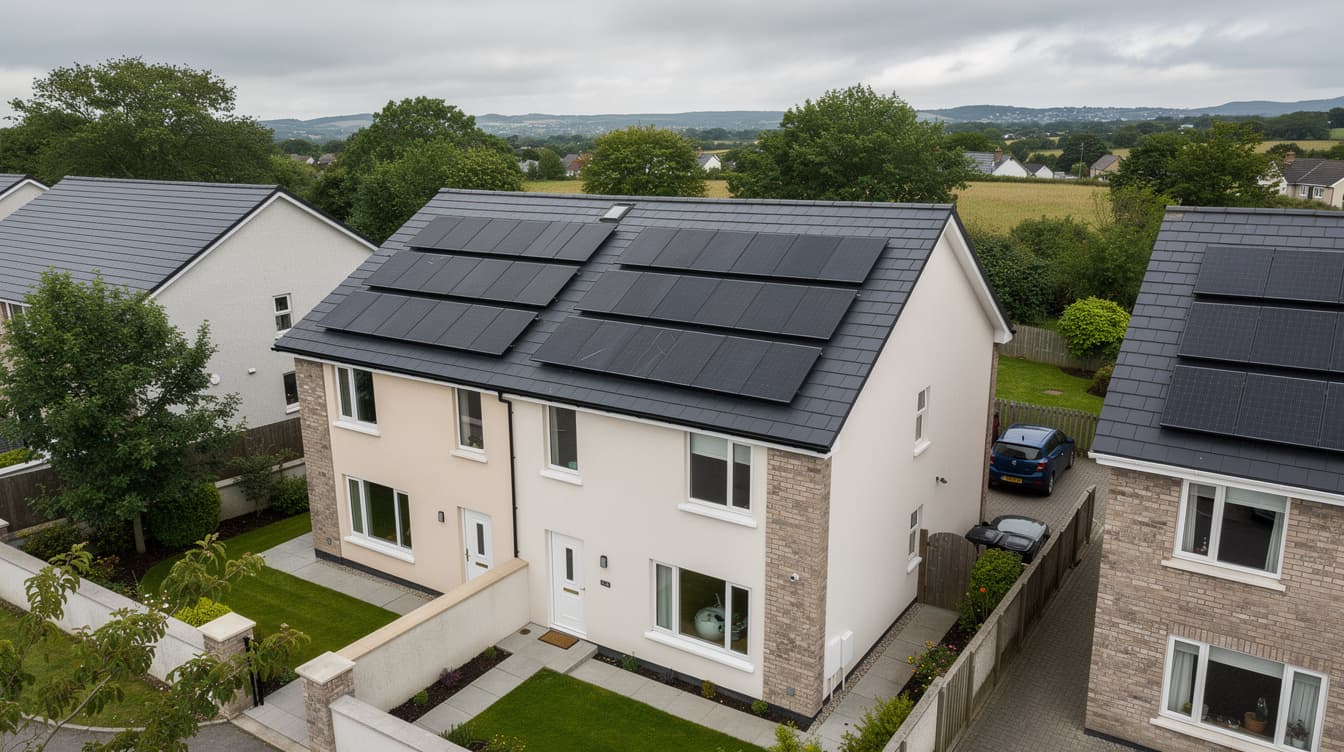
Solar Panel System Cost by Number of Panels Ireland 2026: 8, 12, 14, 20, 24 Panel Prices
What 8, 12, 14, 16, 20 or 24 solar panels actually cost in Ireland 2026 — net after €1,800 SEAI grant & 0% VAT, output kWh, roof area & battery add-ons.
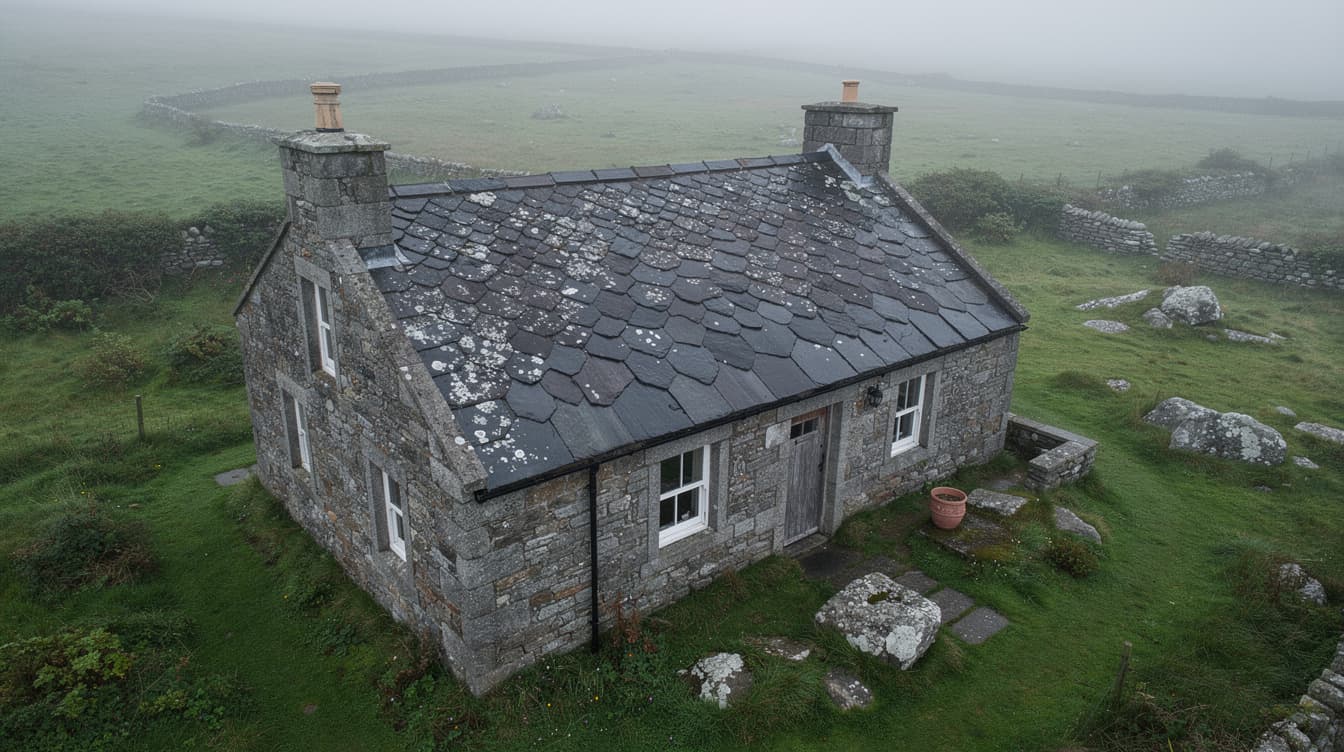
Solar Panels on Slate Roofs Ireland 2026: Real Costs, Fixings, Broken Slates & Which Roofs Say No
Solar on slate in Ireland 2026: real €6,560 net 4kW quote, under-slate hook vs hanger bolts, broken slate rules and which roofs get a no.
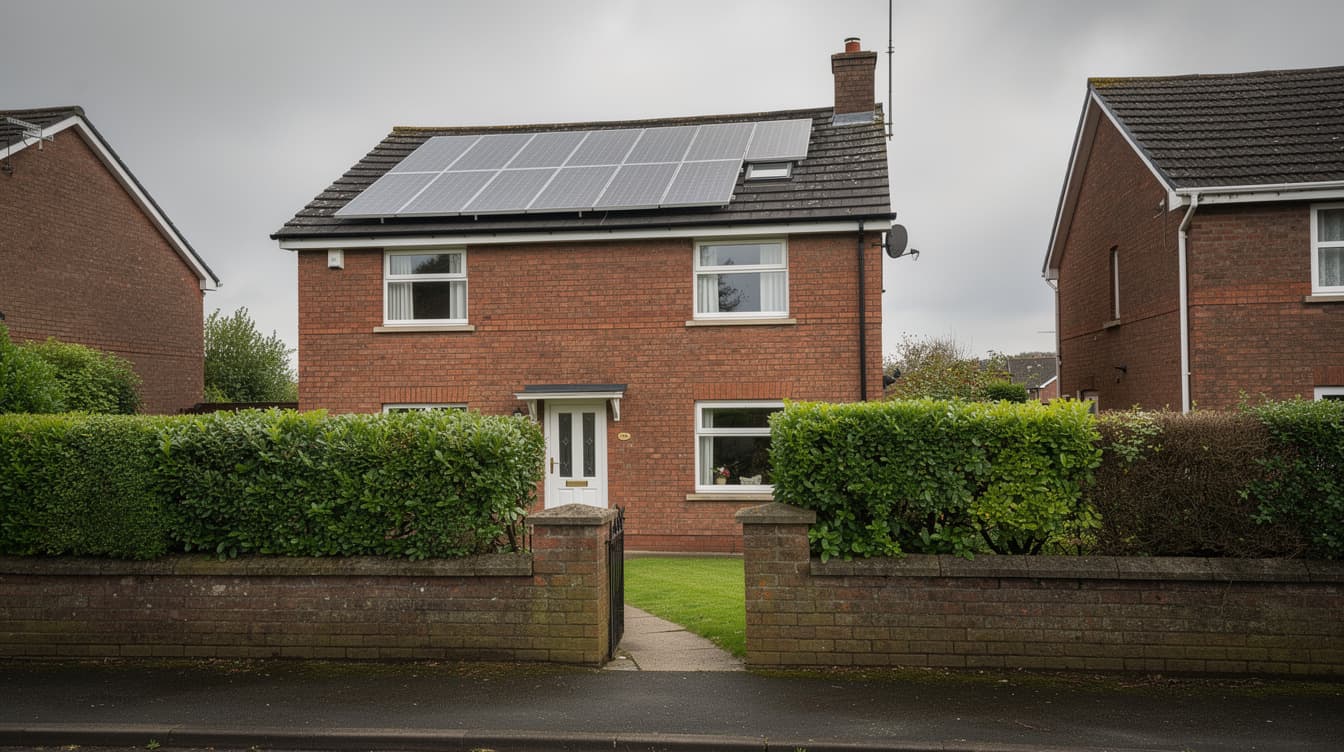
4kW Solar System Cost Ireland 2026: Real Prices, Output & Payback
Real 2026 Irish 4kW quotes (€7,210 gross, €5,410 net after €1,800 SEAI grant), 3,600–4,200 kWh/yr output, 4.8yr payback and when 4kW beats 3kW or 5kW.