
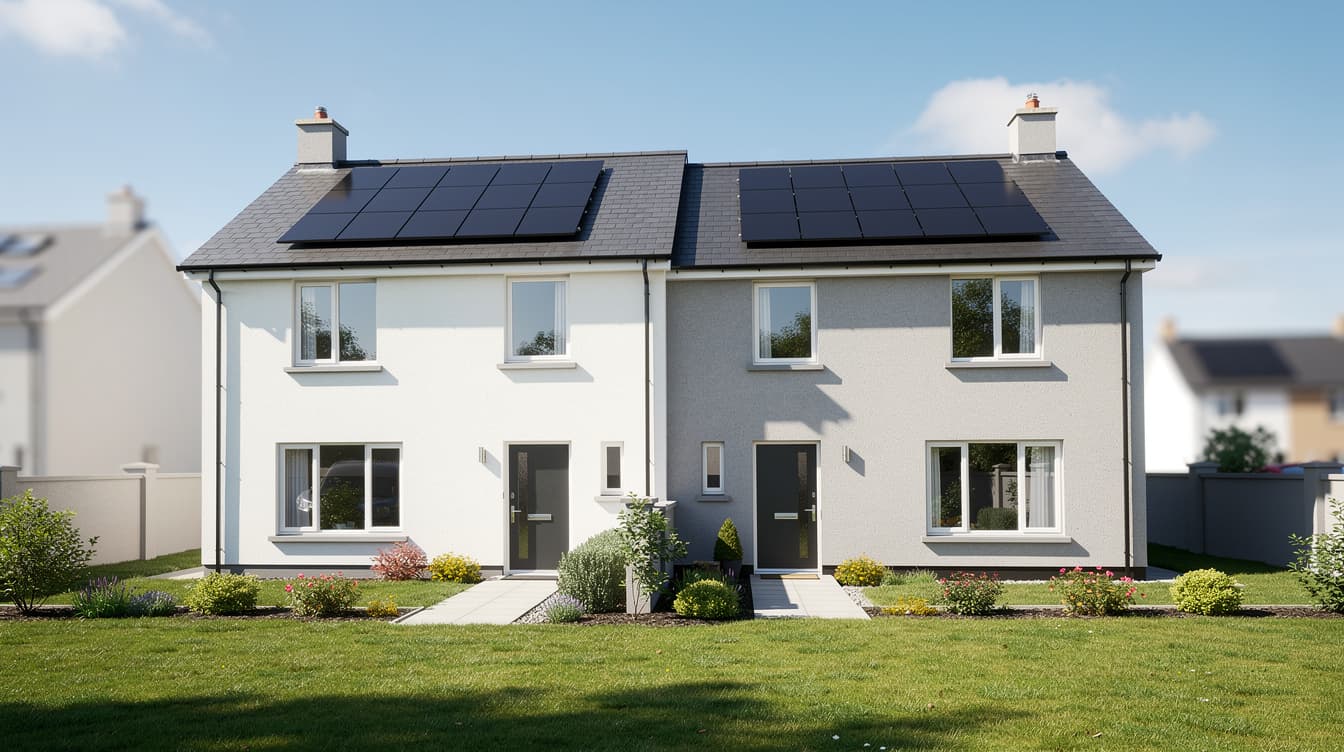
Solar Panels and Electric Heating Ireland 2026: Storage Heaters, Panel Heaters & How to Slash Your Bills
If your home runs on storage heaters, panel heaters, or electric radiators, you’re sitting on one of the best use cases for solar panels in Ireland. Electric heating is expensive — typically €1,800–€3,000 per year for a 3-bed house — but it’s also uniquely well-suited to solar PV because there’s no gas boiler or oil tank in the equation. Every kilowatt-hour your panels generate is a kilowatt-hour you don’t buy from the grid.
This guide covers exactly how solar panels work with storage heaters and other electric heating systems in Ireland, what it costs, how much you’ll save, and the smart add-ons (like power diverters) that make the combination work even better.
Slash Your Electric Heating Bills
Get free quotes from SEAI-registered solar installers who understand electric heating systems.
Why Electric Heating + Solar Is Such a Good Match
Most Irish homes with gas or oil heating use solar to offset electricity bills, but their biggest energy cost — heating fuel — stays on fossil fuels. If your home is all-electric, solar panels directly attack your biggest bill.
Here’s why the economics work so well:
- No fuel switching needed: Your heating already runs on electricity. Solar panels simply reduce how much of that electricity you buy.
- Higher self-consumption: Electric heating homes use 6,000–12,000 kWh per year (vs 4,200 kWh national average). More consumption means more of your solar generation gets used directly, and less gets exported at lower rates.
- Smart timing opportunities: With a power diverter or smart controls, you can direct surplus solar electricity into your hot water tank, storage heaters, or underfloor heating — storing heat for the evening when you need it.
- Faster payback: Because you’re offsetting expensive grid electricity (35–42c/kWh daytime) rather than cheap gas (8–10c/kWh), every kWh of solar saves you more money.
Types of Electric Heating in Irish Homes
Before we dive into solar sizing, it helps to understand which type of electric heating you have — because the solar strategy differs for each:
| Heating Type | How It Works | Typical Cost/Year | Solar Strategy |
|---|---|---|---|
| Storage heaters | Charge overnight on night rate, release heat during day | €1,200–€2,200 | Solar + battery or diverter to boost daytime top-ups |
| Panel heaters / convectors | Direct electric, heat on demand | €1,800–€3,000 | Solar directly offsets daytime heating — best match |
| Electric underfloor heating | Cables or mats under floor, can store heat in screed | €1,000–€2,000 | Run during solar hours, screed stores heat for evening |
| Infrared panels | Radiant heat, very efficient, low wattage | €800–€1,500 | Low draw pairs well with smaller solar systems |
| Electric boiler + radiators | Heats water for wet radiator system | €2,000–€3,500 | Solar + diverter to preheat water, reduce boiler runtime |
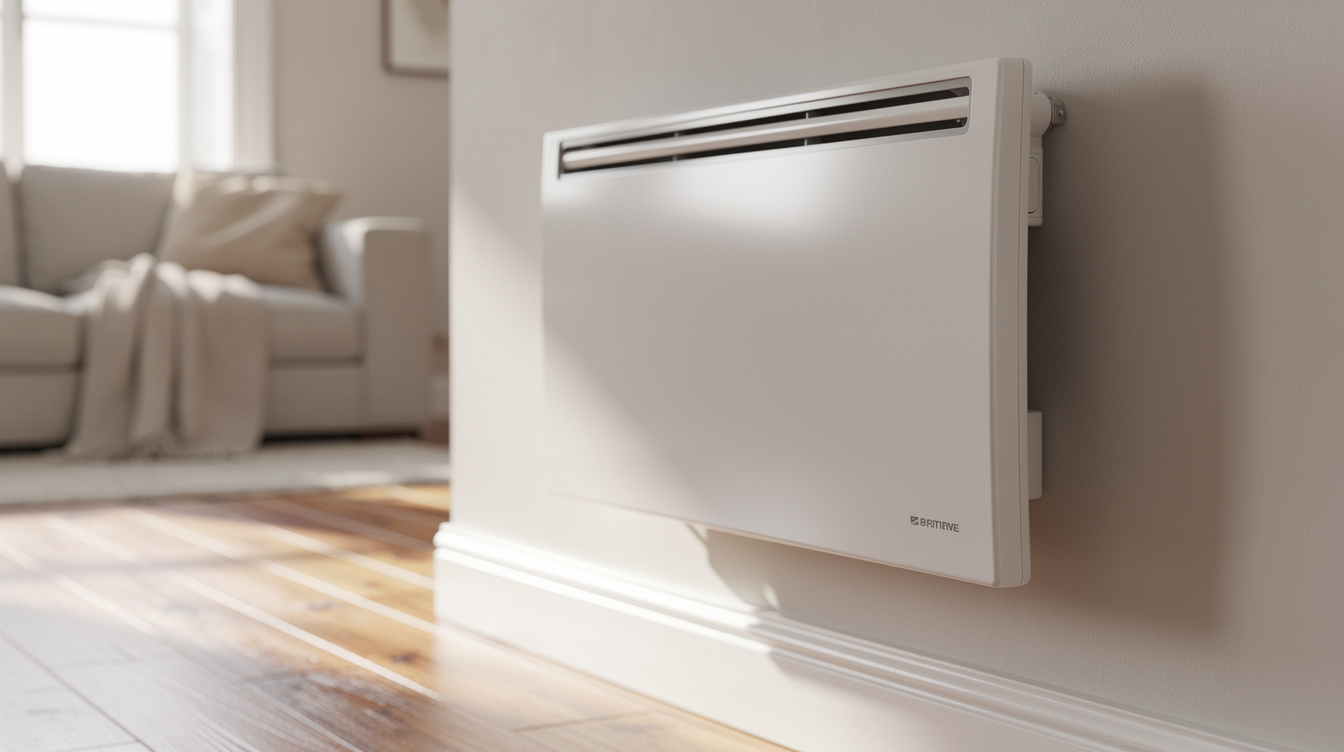
The Storage Heater Problem — And How Solar Helps
Storage heaters are the most common electric heating system in Irish apartments, social housing, and homes built without gas connections. They work by charging ceramic bricks overnight using cheap night-rate electricity (10–16c/kWh), then releasing that stored heat during the day.
The problem? By late afternoon, most storage heaters have run out of heat. You’re left either cold or switching on expensive boost heating at 35–42c/kWh. And you’re paying for all your heating electricity from the grid, even when the sun is shining.
Solar panels change this equation in three ways:
- Daytime top-ups: With a power diverter (like the myenergi Eddi), surplus solar electricity is automatically routed to your storage heaters during the day, giving them a free midday “boost” charge. This means they still have heat to release in the evening.
- Reduced grid dependence: Even without a diverter, solar panels power your lights, appliances, and hot water immersion during the day — reducing the total electricity you buy from the grid by 40–60%.
- Export income: Any excess solar you don’t use earns you 18–24c/kWh through the Clean Export Guarantee, offsetting your night-rate heating costs.
How Much Solar Do You Need for Electric Heating?
The right system size depends on your total electricity consumption, not just heating. Here’s a guide based on typical Irish electrically-heated homes:
| Home Type | Total Usage (kWh/yr) | Recommended Solar | Panels | Cost After Grant |
|---|---|---|---|---|
| 1–2 bed apartment | 4,000–6,000 | 3–4 kWp | 7–9 | €5,500–€7,000 |
| 3-bed semi (storage heaters) | 7,000–10,000 | 5–6 kWp | 11–14 | €7,500–€9,500 |
| 4-bed detached (panel heaters) | 10,000–14,000 | 8–10 kWp | 18–23 | €11,000–€15,000 |
Important: For electrically-heated homes, we generally recommend going larger than the standard sizing guides suggest. A gas-heated 3-bed might need only 3–4 kWp, but an electrically-heated 3-bed benefits from 5–6 kWp because there’s so much more consumption to offset. The SEAI grant maxes out at €1,800 regardless of system size, so the incremental cost of going from 4 kWp to 6 kWp is only €1,500–€2,500 — and the extra generation pays for itself fast.
Find Out Your Ideal System Size
Our free calculator factors in electric heating to recommend the right solar system for your home.
The Power Diverter: The Key Add-On for Electric Heating Homes
A power diverter is the single best investment for a solar-powered, electrically-heated home. It costs €350–€500 installed and works automatically: whenever your panels produce more electricity than your home is using, the diverter redirects that surplus to a chosen load — typically your immersion heater, but it can also feed storage heaters, underfloor heating, or an electric boiler.
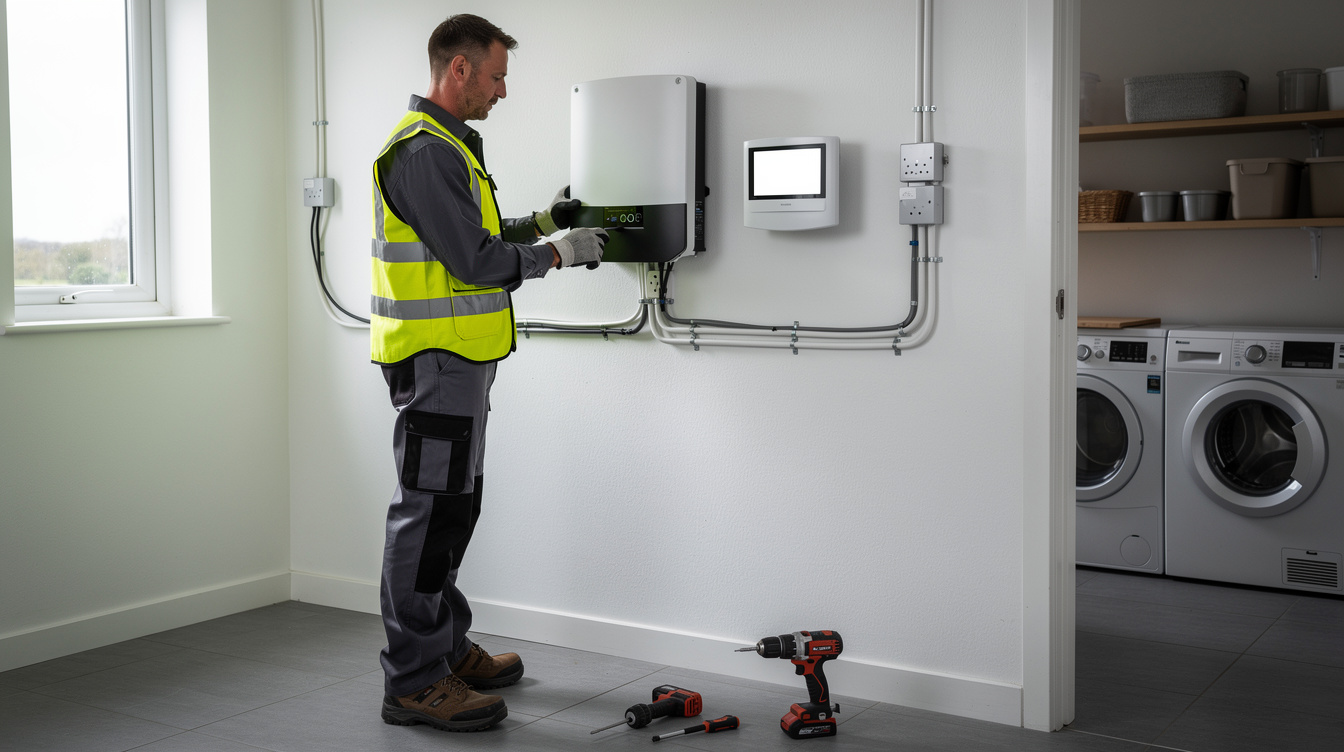
The two most popular diverters in Ireland:
| Diverter | Price (Installed) | Max Load | Key Feature |
|---|---|---|---|
| myenergi Eddi | €400–€500 | 3.68 kW | Works with as little as 100W surplus; 2 heater outputs; app monitoring |
| Solar iBoost+ | €350–€450 | 3 kW | Simple wireless setup; budget-friendly; immersion-focused |
For more details, see our full solar power diverter guide.
How much does a diverter save? In an electrically-heated home with a 5 kWp solar system, a diverter typically redirects 1,000–1,500 kWh per year to your heating/hot water that would otherwise be exported at 18–20c/kWh. Instead, you’re using it at the grid import rate of 37–42c/kWh. That’s an extra €170–€330 in annual savings — the diverter pays for itself in 12–18 months.
Real Savings: Solar + Electric Heating in Numbers
Let’s work through a realistic scenario for the most common setup — a 3-bed semi-detached house with storage heaters:
| Category | Without Solar | With 5 kWp Solar + Diverter |
|---|---|---|
| Annual electricity usage | 8,500 kWh | 8,500 kWh |
| Solar generation | – | 4,500 kWh/year |
| Self-consumed (60%) | – | 2,700 kWh @ 37c = €999 saved |
| Diverted to heating (15%) | – | 675 kWh @ 37c = €250 saved |
| Exported (25%) | – | 1,125 kWh @ 20c = €225 earned |
| Annual electricity bill | €2,800–€3,200 | €1,326–€1,726 |
| Total annual savings | – | €1,474 |
| System cost (after €1,800 grant) | – | €8,000–€9,000 |
| Payback period | – | 5.4–6.1 years |
Compare this to a typical gas-heated home where solar saves €900–€1,200 per year. The payback for electrically-heated homes is genuinely faster because you’re offsetting more expensive energy. For a detailed breakdown of how payback works, see our solar payback calculator.
Should You Add a Battery?
For electrically-heated homes, a solar battery deserves serious consideration. Here’s why: your heating demand peaks in the evening and overnight, exactly when solar panels aren’t generating. A battery lets you store daytime solar and use it for evening heating.
The battery case for electric heating homes:
- Without battery: Self-consumption rate of 50–60%. Excess solar exported at 18–20c/kWh.
- With 5 kWh battery: Self-consumption rises to 70–80%. Extra savings of €200–€350/year.
- With 10 kWh battery: Self-consumption hits 80–90%. Extra savings of €350–€500/year.
A 5 kWh battery costs €3,500–€5,000 installed, so the payback on the battery alone is 10–15 years. It makes more financial sense when combined with dynamic tariffs that let you charge cheaply overnight and discharge during expensive peak hours. But if upfront cost is a concern, the diverter-only approach gives you 70–80% of the benefit at a fraction of the price.
For the full financial analysis, see our battery worth-it guide.
The Smart Tariff Strategy for Solar + Electric Heating
Choosing the right electricity tariff is critical when you have both solar panels and electric heating. The ideal setup in 2026:
- Get a smart meter (free from ESB Networks — request via your supplier)
- Switch to a time-of-use tariff with three rates: cheap night, standard day, expensive peak
- Charge storage heaters on night rate (10–16c/kWh, typically midnight–8am)
- Run appliances and boost heating on solar during the day (free from your panels)
- Export surplus at peak rates (18–24c/kWh)
The best tariffs for solar owners in 2026 pay you the most for exports while keeping night rates low for your storage heater charging. The difference between the best and worst tariff can be €200–€400 per year for an electrically-heated home with solar.
What About Upgrading to a Heat Pump?
If you’re already considering solar, you might wonder whether replacing your electric heating with a heat pump makes more sense. Here’s the honest comparison:
| Option | Upfront Cost | Annual Heating Cost | Notes |
|---|---|---|---|
| Storage heaters (no solar) | Already installed | €1,500–€2,200 | Status quo |
| Storage heaters + solar + diverter | €8,500–€10,000 | €600–€1,000 | Best value; quickest payback |
| Heat pump (no solar) | €8,000–€16,000 | €500–€900 | Needs radiator/UFH retrofit; grant up to €12,500 |
| Heat pump + solar | €15,000–€25,000 | €250–€500 | Ultimate combo but highest upfront; may need insulation first |
Our take: If your home is well-insulated (BER B3 or better) and you’re planning a deep retrofit anyway, a heat pump + solar is the long-term winner. But if you want the fastest, most cost-effective improvement right now — especially if your home still needs insulation work — adding solar panels to your existing storage heaters gives you the best bang for your buck. The €12,500 heat pump grant (increased from €6,500 in February 2026) does change the maths, but the disruption of replacing your entire heating system is significant.
Installation: What’s Different for Electric Heating Homes?
The solar panel installation itself is identical to any other home. But there are a few extra considerations your installer should address:
- Electrical capacity: Homes with electric heating already draw heavily from the grid. Your installer needs to check your main fuse rating (typically 63A or 80A) and ensure the solar inverter won’t cause issues. In most cases, there’s no problem — solar reduces net draw.
- Diverter wiring: If you’re adding a power diverter, it needs to be wired to both the consumer unit and the target heating load. Budget €100–€200 extra for the electrician’s time if it’s not included in the solar install.
- Smart meter coordination: Request a smart meter from ESB Networks before or alongside your solar installation. You need it for export payments and time-of-use tariffs. Processing takes 4–8 weeks, so start early. See our smart meter guide for details.
- Night meter check: If you have an old nightsaver meter, your installer should coordinate the smart meter swap with ESB Networks. The smart meter replaces both your day and night meters with a single unit.
For the full installation timeline, see how long solar installation takes.
Ready to Cut Your Electric Heating Bills?
Get personalised quotes from SEAI-registered installers experienced with electric heating systems.
Common Questions
Can solar panels directly power storage heaters?
Not in the traditional sense — storage heaters are designed to charge overnight. But with a power diverter, you can route surplus solar electricity to your storage heaters during the day for a midday top-up. This extends their heat output into the evening hours when you need it most.
Do solar panels work with Economy 7 / nightsaver meters?
Yes, but you should upgrade to a smart meter (free from ESB Networks). A smart meter gives you access to time-of-use tariffs and export payments, which are essential for maximising solar savings. Your old nightsaver meter can’t track solar exports.
How much will solar reduce my storage heater running costs?
Typically 40–55% of your total electricity bill, which works out to €1,100–€1,700 per year for a 3-bed house. The savings depend on your system size, self-consumption rate, and whether you add a diverter or battery.
Should I replace my storage heaters with a heat pump before getting solar?
Not necessarily. Solar + existing storage heaters gives you the fastest payback with the least disruption. If you plan to retrofit fully (insulation + heat pump + solar) in the next 2–3 years, it may make sense to wait and do everything together. But if budget is limited, solar alone is the best first step.
Can I get the SEAI grant for solar if I have storage heaters?
Absolutely. The SEAI solar PV grant (up to €1,800) has no requirement for your heating type. You can also combine it with insulation grants and the heat pump grant in the same application if you decide to upgrade later.
Related Articles
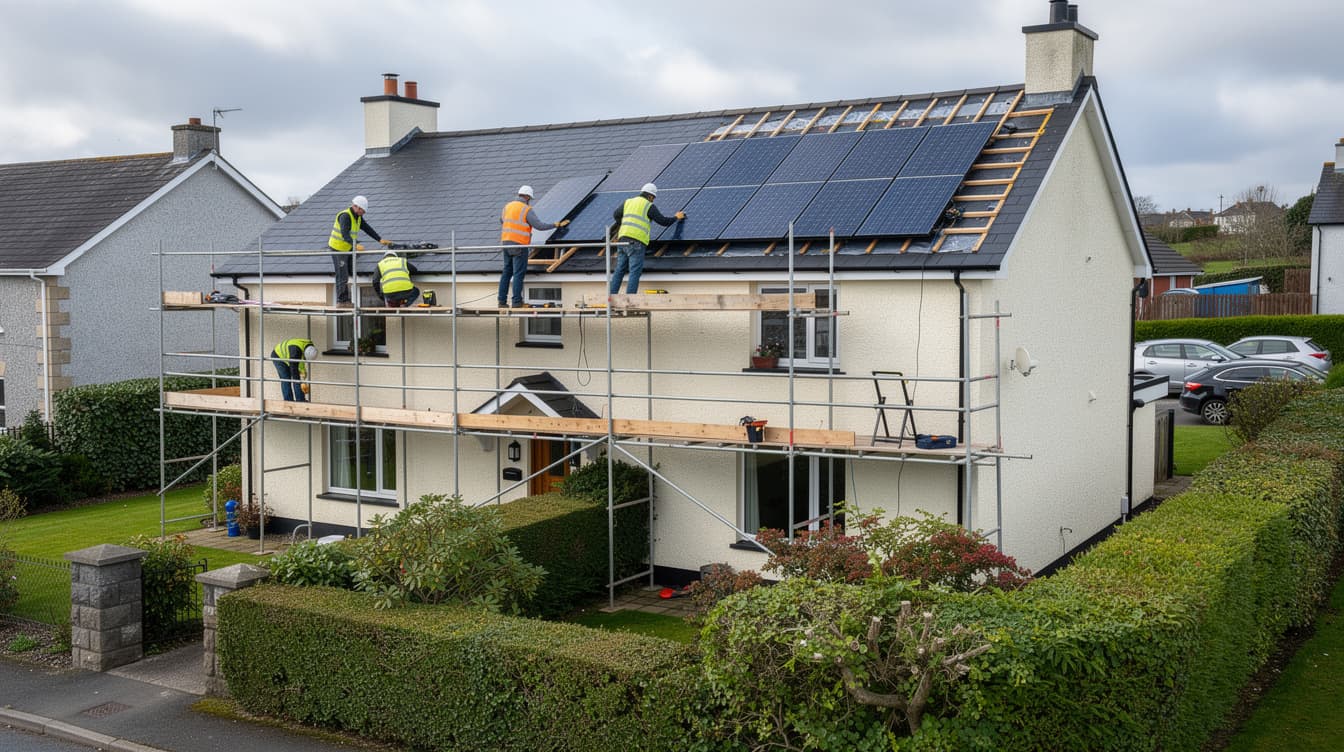
Solar Panels and Home Renovations Ireland 2026: When to Add Solar During a Retrofit (And Save Thousands)
When to add solar panels during an Irish renovation. Combine SEAI grants, save on scaffolding and get the right sequence for 2026.
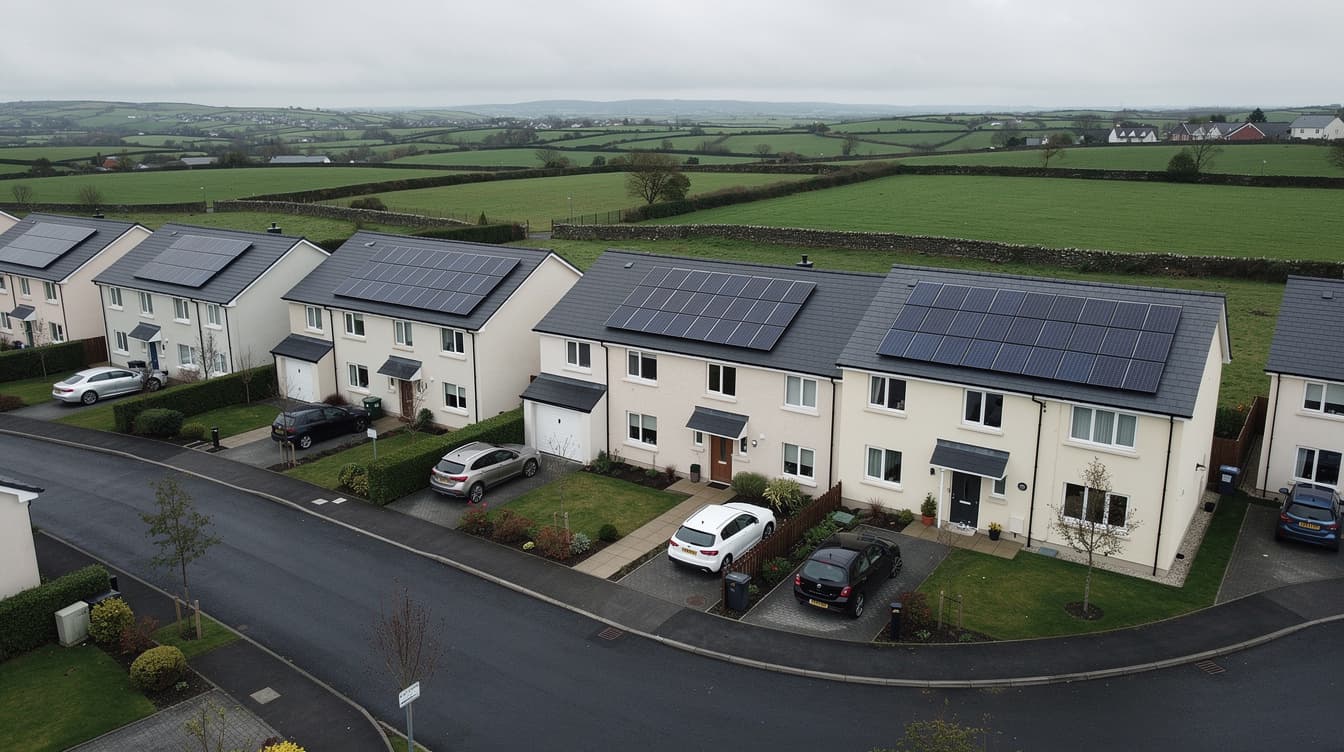
Solar Panels Louth 2026: Ireland's Smallest County With Big Solar Potential — Costs, Grants & Installers
Solar panels in Louth 2026: costs from €6,500 after SEAI grant, 1,432 sunshine hours, 5-7 year payback. Drogheda, Dundalk & Ardee installer guide.
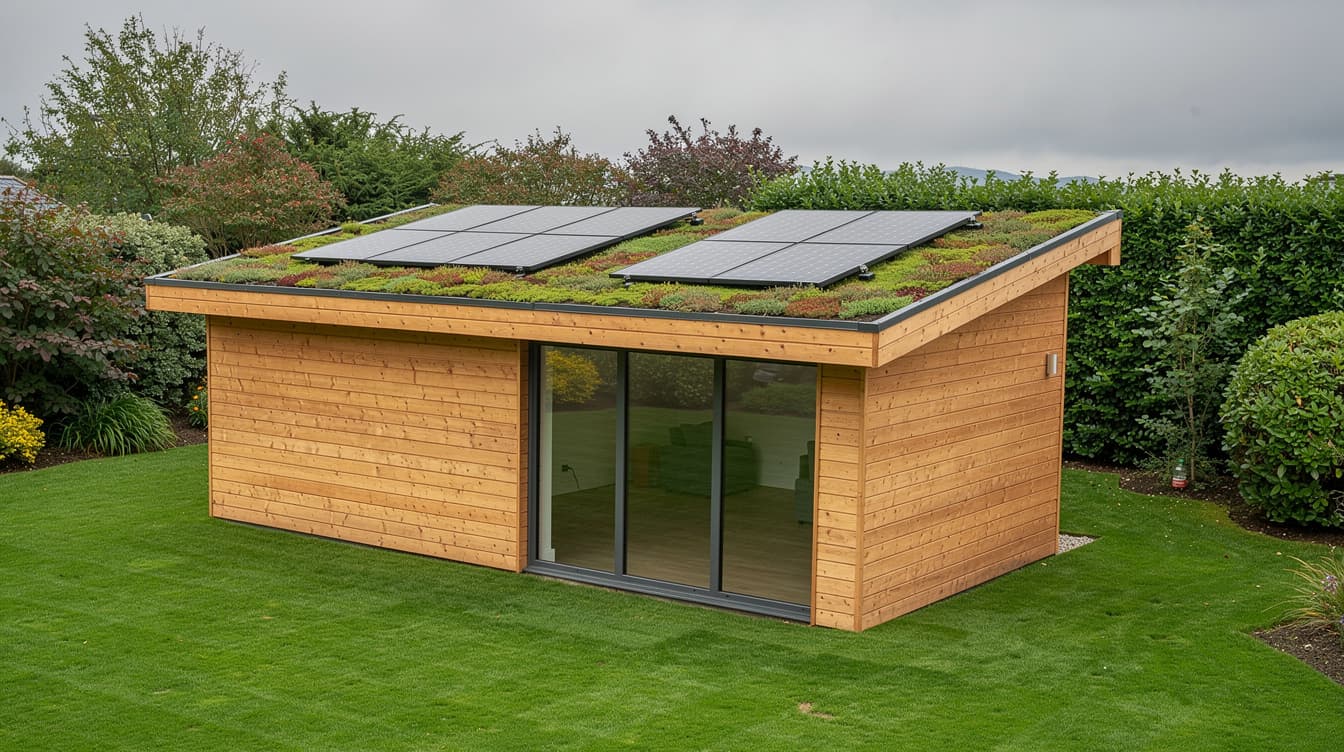
Solar Panels for Garden Rooms & Home Offices Ireland 2026: Costs, Options & What Actually Works
Solar panels for garden rooms Ireland 2026: 3 options from €400 plug-in kits to €9,000 rooftop systems. Costs, planning rules, payback & what works best.