
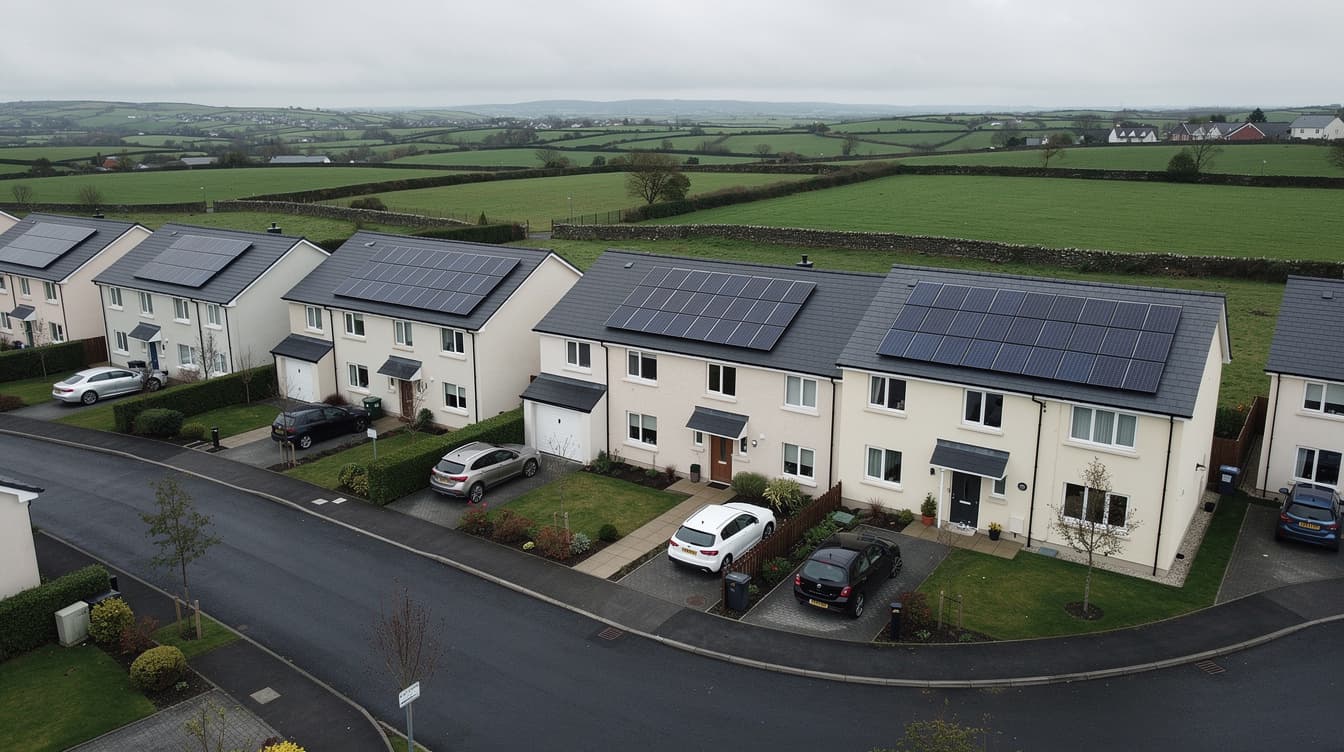
Solar Panels Louth 2026: Ireland's Smallest County With Big Solar Potential — Costs, Grants & Installers
County Louth is Ireland’s smallest county by area — but it punches well above its weight when it comes to solar. With 1,432 sunshine hours per year in Dundalk (above the national average of 1,100–1,250), a fast-growing commuter population, and some of the highest electricity bills in the country, Louth homeowners are ideally positioned to benefit from solar panels in 2026.
This guide covers everything you need to know about going solar in Louth: local costs and installer options in Drogheda, Dundalk, Ardee and beyond, county-specific output data, the SEAI grant process, and real savings figures for typical Louth homes.
Get Louth Solar Quotes in 24 Hours
Compare prices from SEAI-registered installers serving County Louth — free, no obligation.
Why Louth Works Well for Solar
Louth doesn’t have Wexford’s sunshine record, but it has structural advantages that matter more for solar ROI:
- Above-average sunshine: Dundalk records 1,432 hours of sunshine per year — 15–30% above the national average, thanks to Louth’s relatively dry east coast position. May alone averages 188 hours.
- Commuter-belt electricity demand: Louth’s population grew 8.5% between 2016 and 2022 (to 139,703), driven by commuters from Dublin. Larger homes, home offices, EVs, and heat pumps mean household consumption of 5,000–8,000 kWh/year — perfect for self-consuming solar power.
- Modern housing stock: Massive new-build developments in Drogheda, Dundalk, and Ardee mean many homes have south-facing roofs with modern wiring already capable of solar integration.
- Strong installer coverage: Louth is served by both local specialists (KEW Solar in Drogheda, Solaris Green Energy in Dundalk) and national installers, keeping prices competitive.
Solar Output in County Louth: The Numbers
| Metric | Louth | National Average |
|---|---|---|
| Sunshine hours/year | 1,400–1,450 | 1,100–1,250 |
| Solar yield (kWh/kWp/year) | 900–950 | 880–920 |
| Peak sun hours/day (annual avg) | 2.8–3.0 | 2.5–2.8 |
| Best month (May) | 188 sunshine hours | 170–180 hours |
| Worst month (December) | 51 sunshine hours | 45–55 hours |
What this means in practice: a 5 kW system in Louth generates approximately 4,500–4,750 kWh per year. That’s enough to cover 60–85% of a typical household’s annual electricity consumption, depending on usage patterns and self-consumption rate.
Solar Panel Costs in Louth (2026 Prices)
Louth benefits from strong competition between local and Dublin-based installers, keeping prices at or slightly below the national average. Here’s what Louth homeowners are paying in 2026:
| System Size | Panels | Cost Before Grant | SEAI Grant | Net Cost | Annual Output |
|---|---|---|---|---|---|
| 2.6 kWp | 6 | €6,500–€7,300 | €1,520 | €4,980–€5,780 | 2,340–2,470 kWh |
| 4.4 kWp | 10 | €8,300–€9,000 | €1,800 | €6,500–€7,200 | 3,960–4,180 kWh |
| 5.5 kWp | 12–13 | €9,500–€11,000 | €1,800 | €7,700–€9,200 | 4,950–5,225 kWh |
| 6.6 kWp + battery | 15 | €14,000–€16,500 | €1,800 | €12,200–€14,700 | 5,940–6,270 kWh |
Which size is right for you? For a typical 3-bed semi in Drogheda or Dundalk, the 4.4 kWp (10-panel) system hits the sweet spot: it maximises the SEAI grant, generates enough to cover most of your daytime usage, and pays back in 5–7 years. Larger homes — the detached 4–5 beds common in newer estates — should consider 5.5–6.6 kWp, especially if you have a heat pump or EV charger.
The SEAI Grant: How to Claim in Louth
The SEAI solar PV grant is available to all Louth homeowners whose property was built and occupied before 2021. The grant covers:
- €900 for the first 2 kWp installed
- €300 per additional kWp up to 4 kWp
- Maximum €1,800 for systems of 4 kWp or larger
The process in Louth follows the standard national steps:
- Get quotes from at least 2–3 SEAI-registered installers
- Accept a quote and your installer applies to SEAI on your behalf
- Receive approval (currently taking 2–4 weeks in Louth)
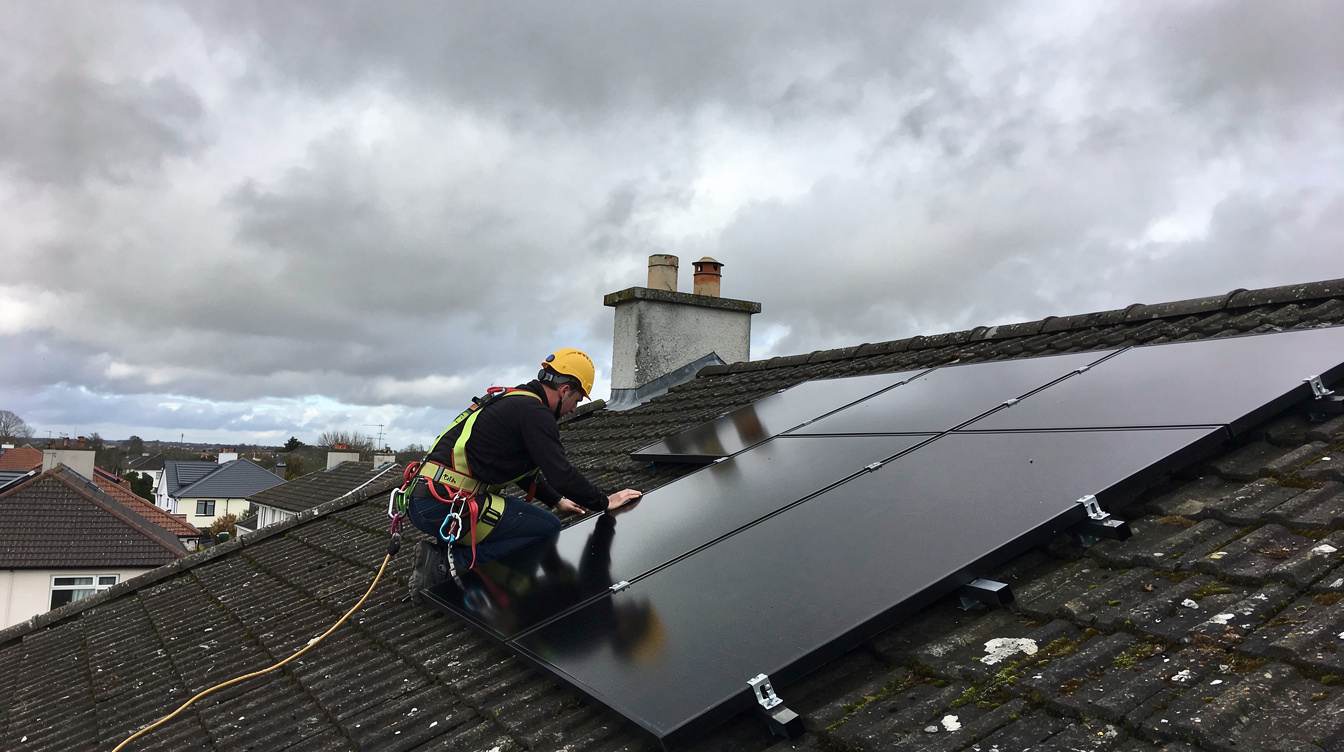
- Installation (1–2 days for a standard residential system)
- Grant payment made directly to you after completion (6–10 weeks)
For the full step-by-step process, see our complete SEAI grant guide.
Real Savings: What Louth Homeowners Can Expect
Your actual savings depend on three factors: system size, electricity consumption, and how much solar you self-consume (use directly) versus export to the grid. Here’s a realistic scenario for a 4.4 kWp system in Louth:
| Savings Component | Amount | Calculation |
|---|---|---|
| Self-consumed electricity (55%) | €810–€860/yr | 2,180 kWh × 37c/kWh |
| Exported electricity (45%) | €340–€380/yr | 1,780 kWh × 20c/kWh (avg export rate) |
| Total annual savings | €1,150–€1,240/yr | |
| Payback period (after €1,800 grant) | 5.5–6.5 years |
With a battery (increasing self-consumption to 75–85%), annual savings rise to €1,350–€1,500, but the higher upfront cost means the payback period stays at 7–9 years. Batteries make more financial sense for larger households with evening-heavy consumption. See our solar battery guide for the full breakdown.
See What You’d Save in Louth
Use our free calculator or get a personalised quote from local SEAI-registered installers.
SEAI-Registered Installers Serving County Louth
Louth is well served by both local specialists and national installers. Here are some of the SEAI-registered companies operating in the county:
| Installer | Base | Notes |
|---|---|---|
| KEW Solar | Drogheda | Local family business with 40+ years in electrical work; SEAI registered |
| Solaris Green Energy | Dundalk | Dublin Road, Dundalk; residential and commercial |
| Qmac Electrical & Energy | Louth | SEAI-registered; serves Drogheda, Dundalk and surrounds |
| Alternative Energy Ireland | National | Strong farming/agricultural solar presence in Louth |
| PV Generation | National | 4.8 Trustpilot rating; thousands of installs since 2015 |
| Activ8 Solar Energies | National | Operating since 2007; installations in Dundalk and Drogheda |
Tip: Always get at least 3 quotes. Prices in Louth vary by 15–25% between installers for the same system. Our installer selection guide covers the 10 questions to ask and 7 red flags to watch for.
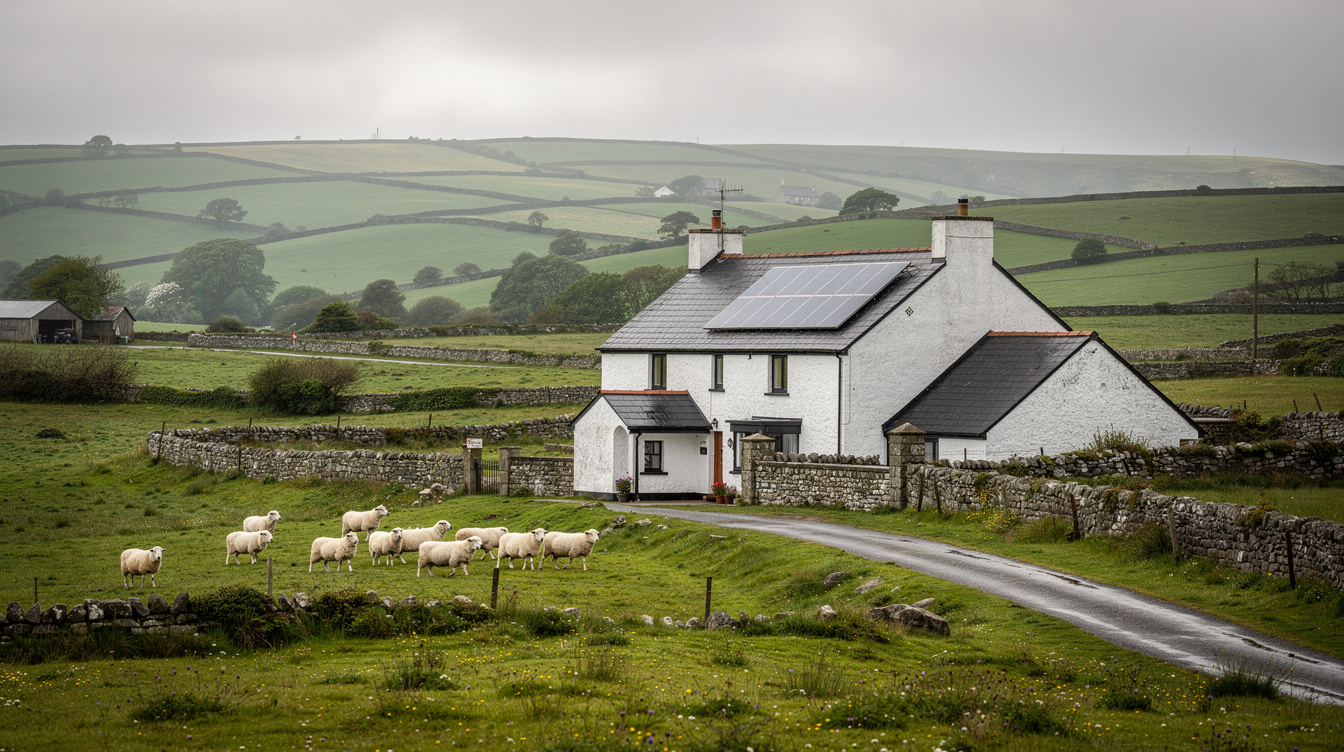
Louth-Specific Considerations
Coastal Exposure
Parts of Louth — particularly along the coast from Clogherhead to Carlingford — experience strong sea breezes and salt air. If your home is within 5 km of the coast, ensure your installer uses marine-grade mounting brackets (stainless steel or anodised aluminium) and panels with enhanced salt mist resistance (IEC 61701 certified). This adds minimal cost (€100–€200) but significantly extends system life.
Rural vs Urban Connections
Rural properties in Louth (particularly around the Cooley Peninsula and towards Ardee) may have single-phase electrical connections that limit export capacity. Your installer should check your Maximum Export Capacity (MEC) with ESB Networks before installation. Most residential systems in Louth won’t hit this limit, but larger 8–10 kW systems on single-phase supplies sometimes do.
The M1 Corridor Advantage
Homes along the M1 corridor (Drogheda, Dunleer, Dundalk) benefit from excellent installer access — virtually every national solar company covers this route, keeping prices competitive. The further west you go (Ardee, Collon, Slane border area), the fewer local options, but national installers still serve these areas.
Farming and TAMS III
Louth’s agricultural sector can access solar through the TAMS III grant, which covers up to 60% of solar PV costs for qualifying farm buildings. This is separate from the residential SEAI grant and can be claimed by farm owners for panels on sheds, milking parlours, or grain stores.
Drogheda vs Dundalk: Any Difference?
Solar performance is virtually identical across the county — the 30 km between Drogheda and Dundalk makes negligible difference to sunshine hours or output. The real differences are practical:
- Drogheda: More new-build estates (particularly on the west and north sides of town), closer to Dublin-based installers. Slightly more quotes available on average.
- Dundalk: More detached homes with larger roof areas, slightly more coastal exposure. Home to Solaris Green Energy, a strong local installer.
- Ardee/inland towns: Often older housing stock that may need electrical upgrades before solar installation. Factor in €300–€800 for a consumer unit upgrade if your house was built before 2000.
Electricity Tariffs for Louth Solar Owners
Once your panels are installed, switching to the right electricity tariff maximises your savings. Louth homes with a smart meter should consider time-of-use tariffs that pay higher export rates during peak hours. The best tariffs for solar owners in 2026 include:
- Energia Solar Sell — up to 24c/kWh export rate
- SSE Airtricity Solar — 21c/kWh export with competitive import rates
- Electric Ireland Smart Tariff — lower night rates for battery charging, 18c/kWh export
The right tariff choice alone can add €100–€200 to your annual savings compared to a standard flat-rate plan.
Ready to Go Solar in Louth?
Get free quotes from SEAI-registered installers serving Drogheda, Dundalk and all of County Louth.
Frequently Asked Questions
How much do solar panels cost in Louth?
A typical 10-panel (4.4 kWp) system in Louth costs €8,300–€9,000 before the SEAI grant, or €6,500–€7,200 after the €1,800 grant. Prices vary by installer — always get at least 3 quotes.
How much can I save with solar panels in Louth?
A 4.4 kWp system in Louth saves approximately €1,150–€1,240 per year through reduced electricity bills and export payments. This gives a payback period of 5.5–6.5 years after the SEAI grant.
Do solar panels work well in Louth’s climate?
Yes. Louth receives 1,432 sunshine hours per year — above the national average. Solar panels also work on overcast days (at reduced output), so you generate electricity year-round. A 5 kW system in Louth produces approximately 4,500–4,750 kWh per year.
Which installers serve County Louth?
Local installers include KEW Solar (Drogheda), Solaris Green Energy (Dundalk), and Qmac Electrical. National companies like PV Generation, Activ8 Solar Energies, and Alternative Energy Ireland also serve the area. Use the SEAI installer directory to find registered companies.
Can I get solar panels on a terraced house in Drogheda or Dundalk?
Yes. Terraced houses typically have enough south-facing roof space for a 6–8 panel system (2.6–3.5 kWp). The main consideration is scaffolding access — mid-terrace houses may need slightly longer installation times and marginally higher scaffolding costs (€200–€400 extra).
Is there a waiting list for solar panels in Louth?
As of mid-2026, typical waiting times from accepted quote to installation are 4–8 weeks in Louth. Summer is the busiest season, so booking in autumn or winter often gets you a faster installation date.
Related Articles
Solar Panels and Underfloor Heating Ireland 2026: The Complete System Guide (Costs, Grants & Running Costs)
Solar panels + underfloor heating Ireland 2026: full system costs from €10,100 after €14,900 in SEAI grants. Running costs, sizing & 5 mistakes to avoid.
Solar Panels Donegal 2026: Costs, Output, Installers & What Makes the Northwest Different
Solar panels in Donegal: real output for the northwest, 2026 costs after SEAI grant, local installers, and what exposed Atlantic roofs mean for your install.
Solar Panels for a Bungalow in Ireland 2026: Costs, Roof Space & Why Bungalows Are Ideal
Irish bungalows are ideal for solar. A 4 kWp system costs €4,000–5,000 after SEAI grant, saves €730–1,360/yr. Full cost breakdown for 2–4 bed bungalows.